Boat Database » Alumacraft Classic 165 Tiller
Alumacraft Classic 165 Tiller
Outboard four-stroke, Unleaded, 1x 40 HP
Power Boats 2012 Alumacraft Classic 165 Tiller: What Owners Should Know Before Hitting the Water
If you’re looking at a 2012 Alumacraft Classic 165 Tiller, there’s a good chance you’re after a simple, durable fishing boat that can handle lak...
Discover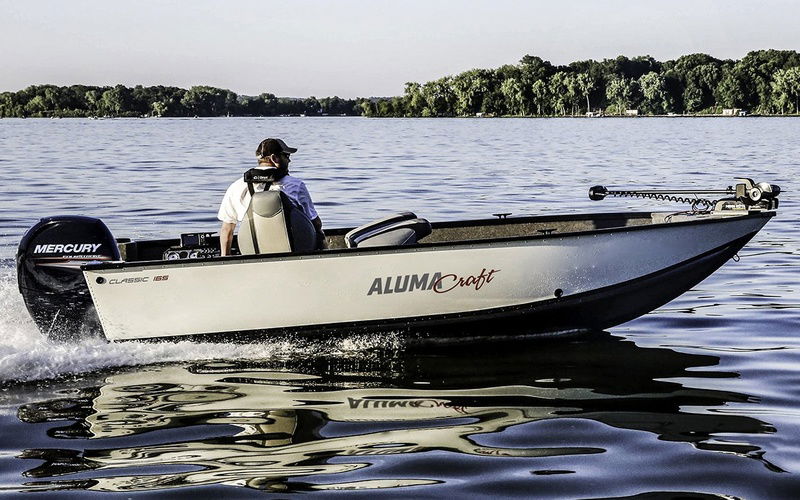

Images have been gathered from various sources and belong to their respective owners.
Review - Alumacraft Classic 165 Tiller

MarineBroker
02/26/2024, 8:34 AM
2012 Alumacraft Classic 165 Tiller: What Owners Should Know Before Hitting the Water
If you’re looking at a 2012 Alumacraft Classic 165 Tiller, there’s a good chance you’re after a simple, durable fishing boat that can handle lakes, rivers, and long days on the water without a lot of fuss. That’s exactly why this model still gets attention. It’s a practical tiller boat with a reputation for being easy to trailer, easy to maintain, and versatile enough for anglers who want function over flash.
But here’s the real challenge: finding the right setup, knowing what to look for on a used boat, and making sure the boat actually fits your kind of fishing. A lot of buyers focus only on the hull name and year, then miss the details that matter most, like transom condition, motor pairing, storage layout, and whether the boat’s performance matches their waters.
The good news is that the 2012 Alumacraft Classic 165 Tiller can be a smart choice if you know what to check. In this article, we’ll break down what makes this boat appealing, the most common issues people run into, and how to solve them with a practical, no-nonsense approach.
- What Makes the 2012 Alumacraft Classic 165 Tiller a Popular Choice
The Classic 165 Tiller sits in a sweet spot for many anglers. It’s not too big to tow easily, but it’s large enough to feel stable and useful for serious fishing trips.
A few reasons people keep coming back to this style of boat include:
- Simple tiller steering, which means fewer controls and less complexity
- Lightweight aluminum construction for easier trailering and launching
- A layout that works well for solo anglers or two-person fishing trips
- Lower maintenance compared with many fiberglass boats
- Good versatility for lakes, reservoirs, and calmer rivers
For many owners, that combination is the whole point. You’re getting a boat that’s straightforward to use and easier to keep in service year after year.
The 2012 Alumacraft Classic 165 Tiller is especially attractive to people who want a dependable fishing platform without stepping into a larger, more expensive rig. It’s the kind of boat that rewards practical buyers.
- The Main Problem Buyers Face with the 2012 Alumacraft Classic 165 Tiller
The biggest issue isn’t usually the boat itself. It’s buying one without fully understanding its condition or how it will perform in real-world use.
That can lead to a few common frustrations:
- The boat feels underpowered or overpowered with the wrong motor
- The layout doesn’t match the buyer’s fishing style
- Hidden wear and tear shows up after purchase
- The boat is fine on paper but not ideal for rougher water
- Storage and comfort fall short for longer trips
In other words, the problem is often expectation versus reality.
A used 2012 Alumacraft Classic 165 Tiller may look clean in photos, but small issues can become expensive or annoying later. Things like soft transoms, corroded wiring, damaged rivets, or poorly matched engines can turn a good deal into a headache.
That’s why the best solution is not just “buy the boat.” It’s to inspect, evaluate, and set it up correctly for your needs.
- How to Evaluate a 2012 Alumacraft Classic 165 Tiller Before Buying
If you’re shopping for this model, the smartest move is to treat it like a checklist rather than a quick decision.
Start with the hull.
Look closely for:
- Dents or deep gouges in the aluminum
- Signs of repair work
- Leaks around rivets or seams
- Corrosion, especially near fittings and hardware
- Uneven wear on the bottom of the hull
Aluminum boats are tough, but they still take abuse over time. A few cosmetic marks are normal. Structural damage is not.
Next, inspect the transom.
This is one of the most important parts of any tiller boat. The transom handles the load from the outboard, so it needs to be solid.
Watch for:
- Soft spots
- Cracks
- Separation in the material
- Water intrusion
- Loose or shifting motor mounts
If the transom feels weak, walk away or budget for repairs. That kind of issue can be costly and safety-related.
Then check the floor and benches.
On older boats, moisture can get trapped under decking or inside sealed areas. Press down on surfaces and listen for flexing or hollow sounds. That can indicate hidden problems.
- Matching the Right Motor to the 2012 Alumacraft Classic 165 Tiller
A lot of performance complaints come down to motor choice, not the boat itself.
The 2012 Alumacraft Classic 165 Tiller works best when the outboard is properly matched to the hull and the way you fish. Too little power and the boat feels sluggish. Too much power and you may sacrifice control, fuel efficiency, or comfort.
Things to consider:
- Horsepower rating for the hull
- Shaft length compatibility
- Weight of the motor
- Whether you fish solo or with a partner
- Typical load, including gear, batteries, and fuel
For example, if you mainly fish small lakes and run light, a moderate setup may be enough. If you carry multiple anglers, heavy tackle, and livewells or batteries, you’ll want a setup that can still plane efficiently under load.
It’s also worth checking prop selection. Even a good motor can feel wrong with the wrong prop. If the boat struggles to get on plane or revs too high, the prop may be the issue.
A practical setup usually performs better than a “bigger is always better” approach.
- Why Layout Matters More Than People Think
A tiller boat is all about space management.
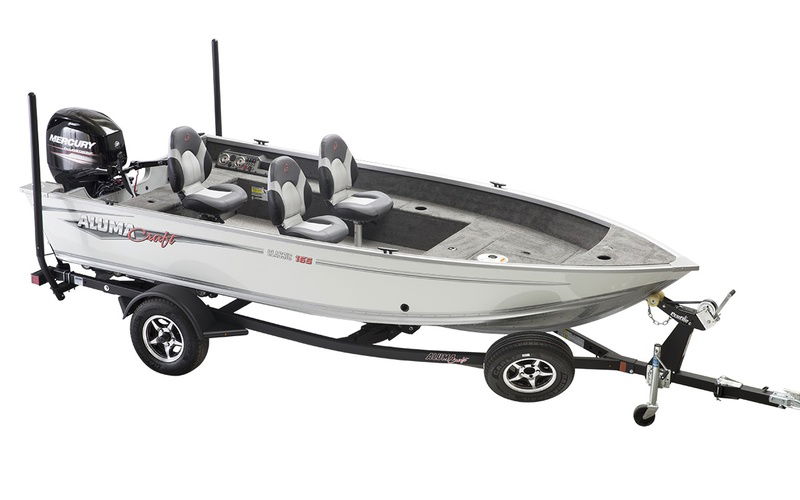
Since the motor is controlled from the rear, the layout needs to make sense for balance and movement. The 2012 Alumacraft Classic 165 Tiller is appealing because it offers a clean, functional fishing setup, but the real value depends on how you use the space.
Ask yourself:
- Do you fish alone most of the time?
- Do you need room for two anglers to cast comfortably?
- Do you carry a lot of gear?
- Do you prefer open deck space or built-in storage?
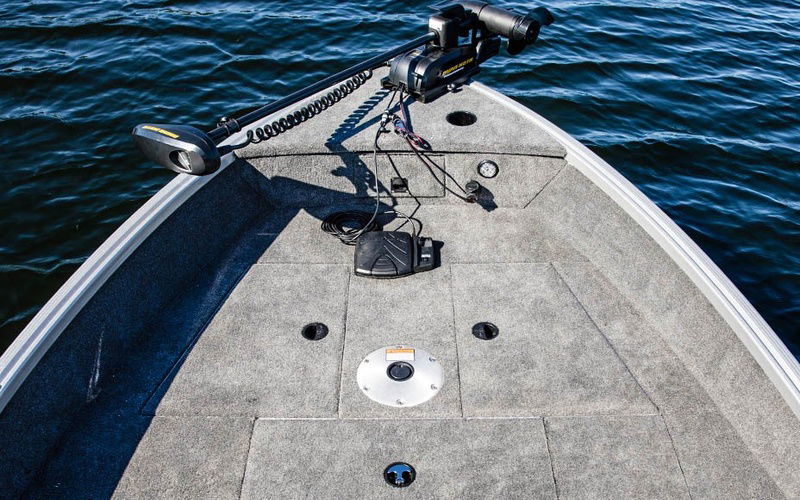
- Will you use electronics, trolling motors, or livewell accessories?
If your fishing style is simple, the boat’s layout may feel perfect. If you like lots of storage, multiple electronics, and longer trips, you may need to add accessories or organize gear more carefully.
A good tiller layout should feel efficient, not crowded.
- Common Wear Points on the 2012 Alumacraft Classic 165 Tiller
Older aluminum boats can last a long time, but certain areas deserve extra attention.
Here are the most common wear points:
- Transom hardware
- Rivets and seams
- Wiring connections
- Steering and throttle controls
- Seat bases and mounting points
- Trailer bunks and rollers
- Paint or coating wear on high-contact areas
Electrical issues are especially common on used boats. Corroded connectors, weak grounds, and aging batteries can create frustrating problems that seem bigger than they are.
The solution is usually a careful inspection and a basic refresh:
- Replace old batteries
- Clean terminals
- Check fuse blocks
- Inspect wiring for brittle insulation
- Confirm navigation lights and bilge pumps work properly
A little preventive work goes a long way.
- How to Improve Performance Without Overcomplicating Things
One reason people like the 2012 Alumacraft Classic 165 Tiller is that it doesn’t need a bunch of complicated upgrades to be useful. Still, a few simple improvements can make a big difference.
Consider these practical upgrades:
- A quality trolling motor for better control
- A good marine battery setup
- Updated fish finder or sonar unit
- Comfortable seat bases or pedestal seats
- Organized storage boxes or tackle trays
- A proper prop matched to your load
These upgrades improve the fishing experience without changing what the boat is at its core: a simple, dependable tiller rig.
If you fish windy waters, a better trolling motor may be the biggest improvement you can make. If you fish at dawn or dusk, upgraded electronics and navigation lights may matter more.
The key is to spend money where it actually improves your time on the water.
- Best Uses for the 2012 Alumacraft Classic 165 Tiller
This boat is a strong fit for a few types of anglers.
It works especially well for:
- Lake fishing
- Walleye or bass fishing on calmer waters
- Solo anglers who want easy control
- Two-person fishing trips
- People who trailer often and want a lighter boat
- Buyers who value simplicity and lower upkeep
It may not be the best choice if you regularly fish very large, rough water where a bigger deep-V or more heavily equipped boat would be safer and more comfortable.
That doesn’t mean it’s limited. It just means the boat shines when used in the right environment.
If your fishing style is practical and straightforward, the 2012 Alumacraft Classic 165 Tiller can be a very good match.
- Tips for Buying Used Without Regret
Used boats can be a great value, but only if you slow down and inspect carefully.
Use this simple approach:
1. Inspect the hull in daylight
2. Check the transom and floor for softness
3. Test the motor if possible
4. Review title and registration documents
5. Look at trailer condition, including bearings and tires
6. Ask about maintenance history
7. Confirm all lights, pumps, and electronics work
If the seller can’t answer basic questions about the boat’s service history, that’s a warning sign.
Also, don’t ignore the trailer. A great boat on a bad trailer can still cost you time and money. Check for rust, worn tires, bad bearings, and broken lights before you commit.
A clean, well-maintained used boat is worth more than a neglected one with a lower asking price.
- How to Keep the 2012 Alumacraft Classic 165 Tiller in Good Shape
Once you own the boat, maintenance is what keeps it useful.
A simple routine helps a lot:
- Rinse the boat after use, especially in dirty or brackish water
- Dry compartments before storage
- Keep the motor serviced on schedule
- Charge batteries properly
- Inspect plugs, drains, and fittings regularly
- Cover the boat when not in use
- Check trailer tires and grease bearings
Aluminum boats are forgiving, but they still last longer when cared for consistently.
If you fish often, create a quick post-trip routine. It might take 10 to 15 minutes, but it can prevent much bigger problems later. That includes checking for loose hardware, cleaning the deck, and making sure nothing is left wet or corroding.
- When the 2012 Alumacraft Classic 165 Tiller Is the Right Choice
This boat makes sense if you want a dependable, no-frills fishing setup that’s easy to own and easy to use.
It’s a good fit if you value:
- Simplicity
- Light towing weight
- Lower maintenance
- Solid fishing functionality
- A practical layout over luxury features
It may not satisfy someone looking for a large, high-end console boat with lots of built-in features. But for the right buyer, that’s exactly the appeal.
The 2012 Alumacraft Classic 165 Tiller is about getting on the water with less hassle and more focus on fishing.
- Conclusion
The 2012 Alumacraft Classic 165 Tiller remains a solid option for anglers who want a practical, easy-to-manage boat. The key is knowing what to inspect, how to match the right motor, and which upgrades will actually improve your time on the water. With a careful purchase and a little maintenance, this boat can deliver years of dependable use without unnecessary complexity.
If you’re comparing used tiller boats, focus on condition, layout, and real-world fit more than just the model name. That approach will help you make a smarter decision and enjoy the boat more once you own it. For buyers who appreciate simplicity and function, this Alumacraft is still worth a close look.
Specifications
General
Boat Type: Power Boats
Class Type: Freshwater Fishing
Specifications
Length: 16.4
Beam: 6.89
Draft: 0.98
Hull Material: Aluminium
Build
First Built: 2012
Propulsion
Fuel Type: Unleaded
Engines: 1
Power: 40 HP
Brand: Mercury
Accomodation
PROS & CONS
What we appreciated
 Durable aluminum hull constructionLightweight and easy to towTiller steering provides direct and responsive controlSpacious deck layout suitable for fishingRelatively low maintenance compared to fiberglass boats
What we didn’t appreciate
 Tiller steering may be less comfortable for long ridesLimited seating capacity compared to larger modelsBasic features may require aftermarket upgrades for enhanced comfortSmaller size limits passenger and gear capacityMinimal protection from elements due to open design
Upkeep Costs
Fuel: Approximately $500 to $1,000 per year depending on usage
Maintenance: Around $300 to $600 annually for engine servicing, hull cleaning, and minor repairs
Insurance: Typically $200 to $400 per year
Storage: $300 to $1,200 annually depending on location and type (dock, dry storage, or trailer)
Registration and Taxes: $50 to $150 per year depending on state

Rating
4.7
User
Score
Score
Driveability
Technology
Interior
Design
Similar Boats


MarineBroker
Download now for an immersive boat experience like never before! ⛵✨ Your journey begins with a simple click. 🌊📲
#SetSailSmart #DownloadNow
#SetSailSmart #DownloadNow

Subscribe
Copyright 2017 - 2026, Marinebroker.net, All Rights Reserved