Boat Database » Alumacraft Escape 145
Alumacraft Escape 145
Outboard four-stroke, Unleaded, 1x 20 HP
Power Boats 2014 Alumacraft Escape 145: A Practical Guide to Choosing, Using, and Getting the Most from This Compact Fishing Boat
If you’ve been searching for information on the 2014 Alumacraft Escape 145, you’re probably trying to figure ou...
Discover

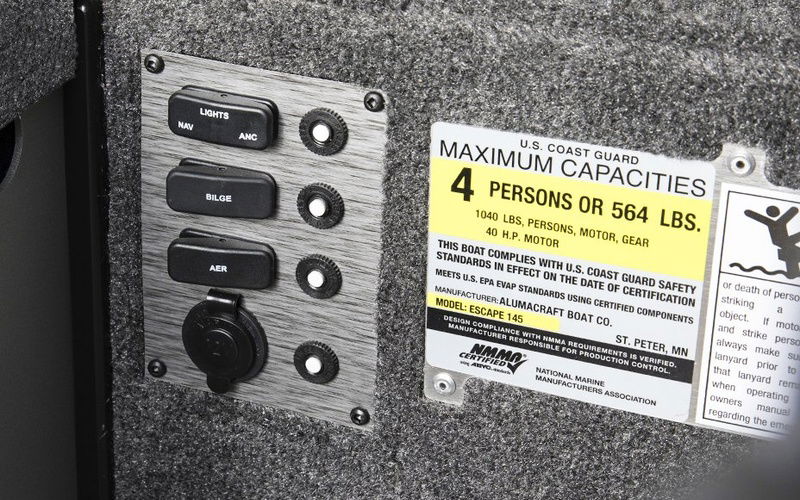

Images have been gathered from various sources and belong to their respective owners.
Review - Alumacraft Escape 145

MarineBroker
02/26/2024, 8:41 AM
2014 Alumacraft Escape 145: A Practical Guide to Choosing, Using, and Getting the Most from This Compact Fishing Boat
If you’ve been searching for information on the 2014 Alumacraft Escape 145, you’re probably trying to figure out one simple thing: is it the right boat for the way you fish and spend time on the water? That’s a fair question, especially with used boats, where condition, layout, and real-world usability matter just as much as the name on the side.
The Escape 145 has a reputation for being a straightforward, no-nonsense aluminum fishing boat. But like any used boat, the real challenge is not just finding one — it’s knowing what to look for, what problems are common, and how to make sure it fits your needs before you buy or head out on the water. A compact boat can be a great choice for solo anglers, small lakes, and easy trailering, but it can also feel cramped or underpowered if you expect too much from it.
In this article, we’ll break down the 2014 Alumacraft Escape 145 in a practical way. You’ll learn what makes it appealing, what issues to watch for, and how to get the most value and performance from it.
- What Makes the 2014 Alumacraft Escape 145 Stand Out
The 2014 Alumacraft Escape 145 is a 14-foot-class aluminum fishing boat designed for simplicity, portability, and everyday use. Boats in this size range are popular because they’re easier to tow, launch, store, and maintain than larger rigs.
For many boaters, that’s the main attraction.
This model is especially appealing to anglers who want:
- A lightweight boat that’s easy to trailer
- A simple layout for fishing
- Lower ownership costs than larger fiberglass boats
- Good performance on calm to moderately choppy water
- A boat that can be used on smaller lakes, rivers, and backwaters
The Escape 145 is not trying to be a luxury bass boat or a big offshore machine. Instead, it aims to be a practical fishing platform that’s easy to live with. That makes it a smart fit for people who value convenience over complexity.
In the used market, this kind of boat often draws attention because it can deliver a lot of utility without the price tag of larger models. Still, the key is understanding its limitations so you can decide whether it matches your fishing style.
- The Most Common Problem Buyers Face with the 2014 Alumacraft Escape 145
The biggest issue people run into with a boat like the 2014 Alumacraft Escape 145 is not usually one major flaw. It’s a mismatch between expectations and the boat’s actual purpose.
A compact aluminum fishing boat can be excellent, but only if you expect it to do what it was built to do.
Common buyer problems include:
- Expecting too much space for multiple adults and gear
- Not checking the hull and transom carefully on a used unit
- Underestimating the importance of motor size and setup
- Assuming all aluminum boats are maintenance-free
- Buying without considering the water conditions they’ll fish most often
In other words, the problem is usually not the boat itself. It’s buying one without matching it to your real needs.
That’s why the best solution is a combination of smart inspection, realistic expectations, and a few practical upgrades if needed.
- Who the 2014 Alumacraft Escape 145 Is Best For
Before getting into inspection tips and ownership advice, it helps to know who this boat is really for.
The 2014 Alumacraft Escape 145 tends to work best for:
- Solo anglers
- Two-person fishing trips
- Beginners who want an easy-to-handle boat
- People with limited garage or storage space
- Boaters who fish smaller lakes, ponds, and protected waters
- Buyers looking for a budget-friendly used aluminum boat
It may be less ideal for:
- Large groups
- Big-water fishing in rough conditions
- Anglers who need tons of deck space
- Buyers expecting high-speed performance
- Families wanting a multi-purpose cruising boat
That doesn’t mean it can’t be versatile. It just means its strengths are in simplicity and maneuverability, not size and luxury.
- What to Check Before Buying a Used 2014 Alumacraft Escape 145
If you’re looking at a used 2014 Alumacraft Escape 145, inspection matters more than almost anything else. A boat that looks clean in photos can still have hidden issues.
Here’s what to inspect carefully:
- Hull condition
Look for dents, deep gouges, corrosion, and signs of patching. Small cosmetic marks are normal on an aluminum boat, but structural damage is not something to ignore.
- Rivets and seams
Check for loose, missing, or leaking rivets. Aluminum boats often last a long time, but leaks around rivets or seams can become annoying and expensive.
- Transom
The transom should feel solid, with no flexing, rot, or separation. If the transom is weak, that’s a major red flag.
- Floor and deck
Walk the floor and feel for soft spots, bouncing, or uneven areas. If the boat has carpeted decks, moisture can hide damage underneath.
- Wiring and lights
Test everything if possible. Older used boats often have wiring that’s been modified over the years, and not always neatly.
- Fuel system
If the boat includes an outboard, inspect the fuel lines, tank, and fittings. Old fuel components can crack, leak, or clog.
- Trailer condition
Don’t overlook the trailer. Check tires, bearings, lights, bunks, winch, and frame rust. A bad trailer can turn a good boat into a headache.
A simple rule: if you’re unsure, bring someone experienced or pay for a marine inspection. That small step can save a lot of money later.
- How the 2014 Alumacraft Escape 145 Performs on the Water
One reason people like compact aluminum fishing boats is that they’re easy to launch and handle. The 2014 Alumacraft Escape 145 usually fits that category well.
In calm water, it should feel stable enough for fishing, casting, and moving around carefully. Its lighter weight can make it easier to tow with a smaller vehicle and easier to push off the trailer at a ramp.
Performance depends heavily on:
- Engine size
- Load weight
- Number of passengers
- Water conditions
- Prop choice and setup
A well-matched outboard can make the boat feel responsive and efficient. But overloading it can quickly make it feel sluggish and less stable.
For most owners, this boat makes the most sense on:
- Inland lakes
- Slow rivers
- Protected bays
- Small reservoirs
- Early morning or fair-weather fishing trips
If you plan to fish in windy, open water often, you’ll want to be realistic about comfort and safety. A 14-foot-class boat is manageable, but it’s not the same as a larger deep-V boat.
- Practical Ways to Improve Comfort and Usability
One of the best things about a boat like the 2014 Alumacraft Escape 145 is that small upgrades can make a big difference. You don’t need to overhaul it to improve the experience.
Here are practical improvements that often help:
- Add quality seating
Better seats can make long days on the water much more comfortable.
- Organize storage
Use tackle boxes, rod holders, and small storage bins to keep the deck uncluttered.
- Upgrade the trolling motor
If you fish often, a reliable trolling motor can transform how the boat handles.
- Install a battery monitor
This helps you avoid getting caught with a dead trolling or accessory battery.
- Improve lighting
Bow and stern lights, plus a good interior light, make early starts and late returns easier.
- Add non-slip surfaces
This is especially useful if the deck gets wet often.
- Use a portable fish finder
A compact sonar unit can help a small fishing boat feel much more capable.
These upgrades don’t just make the boat nicer. They also make it safer and easier to use.
- Common Maintenance Tips for Aluminum Fishing Boats
Keeping an aluminum fishing boat in good shape is usually straightforward, but it still takes regular attention. The goal is to catch small issues before they grow.
A good maintenance routine includes:
- Rinsing the hull after use, especially in dirty or brackish water
- Checking for loose hardware and fasteners
- Inspecting rivets and seams for leaks
- Cleaning grime and algae from the hull
- Keeping batteries charged and stored properly
- Servicing the outboard on schedule
- Greasing trailer bearings and checking tire pressure
- Storing the boat under cover when possible
It’s also smart to inspect the boat after each season. Look for wear patterns, corrosion, cracked seals, or wiring problems.
Small aluminum boats are often durable, but they still benefit from consistent care. A little maintenance goes a long way in preserving value and reliability.
- How to Tell If the 2014 Alumacraft Escape 145 Fits Your Budget
Used boat shopping is not just about the sticker price. The real cost includes the boat, motor, trailer, maintenance, accessories, and any repairs needed after purchase.
When evaluating a 2014 Alumacraft Escape 145, consider:
- Purchase price
- Engine condition and hours
- Trailer condition
- Battery age
- Trolling motor condition
- Electronics included
- Any signs of repair or water damage
A lower asking price can be tempting, but if the boat needs a new transom, wiring, or trailer work, the total cost can climb fast.
A better approach is to ask:
- Does the boat already include the features I need?
- Will I need to spend a lot right away?
- Is this a ready-to-fish setup or a project boat?
If the answer is “project,” make sure the price reflects that.
- Smart Buying Tips for First-Time Owners
If this is your first used fishing boat, keep the process simple and methodical.
Here are a few tips that help:
1. Inspect in daylight
Never rely only on photos.
2. Ask for service records
Maintenance history is a good sign the previous owner cared for the boat.
3. Test everything
Lights, bilge pump, trolling motor, livewell, and engine start-up if possible.
4. Check the title and registration
Make sure paperwork is clean and matches the boat and trailer.
5. Don’t rush
There are usually more boats out there. Waiting for the right one is often worth it.
6. Bring a checklist
It’s easy to forget key details when you’re excited about a boat.
Buying a used boat is part inspection, part patience. The more organized you are, the better your odds of finding a solid one.
- Why the 2014 Alumacraft Escape 145 Still Makes Sense Today
Even though it’s a 2014 model, the 2014 Alumacraft Escape 145 can still be a very sensible choice for the right buyer. That’s because a good aluminum fishing boat doesn’t become outdated just because newer models exist.
Its value comes from:
- Simple operation
- Easy storage and towing
- Lower upkeep than larger boats
- Practical fishing layout
- Good fit for smaller waters
For anglers who want a dependable, manageable boat rather than a complicated setup, that’s a big advantage.
The boat’s age can actually be a plus if it has been well maintained. Many aluminum boats age gracefully when cared for properly, especially if they’ve been used mostly in freshwater and stored correctly.
- Final Thoughts on Choosing the Right Small Fishing Boat
The 2014 Alumacraft Escape 145 is the kind of boat that makes sense for people who want practicality, portability, and a simple fishing experience. The main challenge is making sure you buy one that’s in solid condition and suited to your water, your gear, and your expectations.
If you’re shopping for a used model, focus on the hull, transom, trailer, and engine setup. If you already own one, a few smart upgrades and regular maintenance can make it a much better boat to live with.
In the end, the best solution is not just picking a boat with a good name. It’s choosing a boat that fits your real-world use. If the 2014 Alumacraft Escape 145 matches your fishing style, it can be a reliable, easygoing companion on the water for years to come.
Specifications
General
Boat Type: Power Boats
Class Type: Freshwater Fishing
Specifications
Length: 14.44
Beam: 6.23
Draft: 0.98
Hull Material: Aluminium
Build
First Built: 2014
Propulsion
Fuel Type: Unleaded
Engines: 1
Power: 20 HP
Brand: Mercury
Accomodation
PROS & CONS
What we appreciated
 Lightweight and easy to trailerDurable aluminum constructionGood stability for a small boatAffordable price pointVersatile for fishing and recreational use
What we didn’t appreciate
 Limited seating capacityBasic features compared to newer modelsSmaller size limits rough water useMinimal storage spaceNo built-in console or advanced electronics
Upkeep Costs
Fuel: Approximately $500 - $1,000 per year depending on usage
Maintenance: Around $300 - $600 annually for engine and hull upkeep
Insurance: Typically $150 - $400 per year
Storage: $200 - $800 annually depending on location and type (dry storage vs slip)
Registration and Licensing: $30 - $100 per year depending on state

Rating
4.8
User
Score
Score
Driveability
Technology
Interior
Design
Similar Boats


MarineBroker
Download now for an immersive boat experience like never before! ⛵✨ Your journey begins with a simple click. 🌊📲
#SetSailSmart #DownloadNow
#SetSailSmart #DownloadNow

Subscribe
Copyright 2017 - 2026, Marinebroker.net, All Rights Reserved