Boat Database » Alumacraft Competitor 175 Sport
Alumacraft Competitor 175 Sport
Outboard four-stroke, Unleaded, 1x 90 HP
Power Boats 2012 Alumacraft Competitor 175 Sport: What to Check, Fix, and Improve Before Your Next Trip
If you’re looking into a 2012 Alumacraft Competitor 175 Sport, chances are you’re trying to figure out one simple thing: is it still a sm...
Discover


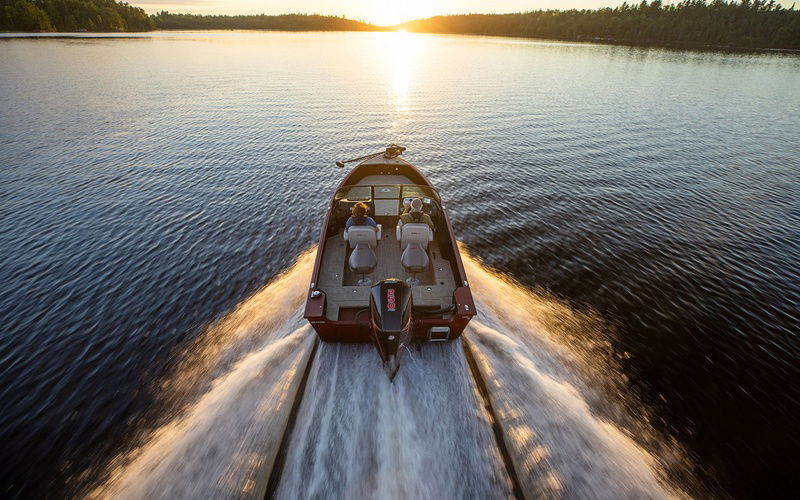
Images have been gathered from various sources and belong to their respective owners.
Latest Market Trends (Latest Available Year Model)
Price: $39,995
Review - Alumacraft Competitor 175 Sport

MarineBroker
02/23/2024, 6:31 AM
2012 Alumacraft Competitor 175 Sport: What to Check, Fix, and Improve Before Your Next Trip
If you’re looking into a 2012 Alumacraft Competitor 175 Sport, chances are you’re trying to figure out one simple thing: is it still a smart boat to own, buy, or upgrade today? That’s a fair question. Boats in this range can be a great value, but only if you know what to look for and how to keep them running right.
The tricky part with older aluminum fishing boats is that they can seem fine at a glance while hiding small issues that turn into bigger headaches later. A soft floor, tired wiring, weak electronics, trailer wear, or a motor that hasn’t been properly maintained can quickly change the experience from fun to frustrating.
The good news is that the 2012 Alumacraft Competitor 175 Sport is the kind of boat that can still deliver a lot of value when it’s inspected carefully and set up the right way. In this article, we’ll walk through the most common problem areas, how to evaluate them, and practical ways to improve performance, comfort, and reliability without getting overly complicated.
- Why the 2012 Alumacraft Competitor 175 Sport Still Gets Attention
The 2012 Alumacraft Competitor 175 Sport remains popular with anglers and casual boaters because it sits in a sweet spot: big enough to handle a serious day on the water, but still manageable for towing, launching, and storing.
For many people, the appeal is simple:
- It’s an aluminum fishing platform, so it’s lighter than many fiberglass boats.
- It usually offers a practical layout for casting, trolling, and moving gear.
- It can be a more affordable entry point into a full-featured fishing boat.
- It’s easier to maintain than many larger or more complex rigs.
That said, older boats don’t age equally. A well-kept boat can still feel dependable, while a neglected one can become a project fast. That’s why the real question isn’t just “Is it a good boat?” but “What should I check so I know it’s a good one?”
- The Main Problem Buyers and Owners Face: Hidden Wear
The biggest issue with a used 2012 Alumacraft Competitor 175 Sport is often not the hull itself. It’s the hidden wear that builds up over time.
Common trouble spots include:
- Corrosion around fittings and hardware
- Electrical issues from old wiring or weak connections
- Soft spots in the floor or transom concerns
- Trailer wear, especially bearings, tires, and lights
- Aging carpet, seats, and storage lids
- Outboard maintenance gaps
This is where a lot of owners get caught off guard. A boat may look clean in photos or sit nicely on the trailer, but once you inspect it closely, you may find it needs several small repairs. Individually, those repairs may be manageable. Together, they can affect the total value and usability of the boat.
The solution is not to assume the worst. It’s to inspect smartly, prioritize the important systems, and make a clear plan before spending money.
- 2012 Alumacraft Competitor 175 Sport: What to Inspect First
Before you buy or upgrade one, start with the areas that matter most for safety, performance, and long-term ownership.
- Hull and Exterior Condition
Aluminum boats are tough, but they’re not invincible. Look for:
- Dents or deep gouges
- Cracks near welds or seams
- Signs of patching or repair
- Corrosion around rivets, brackets, and accessories
- Damage near the keel and transom area
Small cosmetic wear is normal on an older boat. What you want to avoid is structural damage or repeated signs of impact.
A simple tip: inspect the boat both on the trailer and in the water if possible. Some issues only show up when the hull is under load.
- Transom and Floor
The transom is one of the most important parts of any boat. On an older fishing rig, it should feel solid, with no flexing or soft spots.
Check for:
- Movement when the motor is trimmed or pushed slightly
- Water intrusion around mounting points
- Cracks in sealant or hardware
- Soft flooring around high-traffic areas
If the floor feels spongy or the transom seems questionable, that’s a major red flag. Repairs here can be expensive, so it’s worth being thorough.
- Wiring and Electrical System
Electrical problems are one of the most common frustrations on older boats. Lights stop working, pumps become unreliable, and electronics can behave strangely.
Look for:
- Corroded terminals
- Cracked insulation
- Messy aftermarket wiring
- Weak battery performance
- Non-functioning navigation lights or bilge pump
A clean electrical system is a huge win. If the wiring looks like a tangled afterthought, plan to simplify and refresh it.
- Outboard Motor Health
The motor is often the biggest factor in whether the boat feels like a great deal or a money pit.
Ask about:
- Service records
- Compression test results
- Impeller replacement history
- Lower unit oil condition
- Starting behavior when cold
- Idle quality and throttle response
If the seller can’t explain maintenance history clearly, assume you’ll need to budget for a full service. That doesn’t necessarily mean the motor is bad, but it does mean uncertainty.
- Trailer Condition
A lot of buyers focus on the boat and forget the trailer. That’s a mistake.
Check:
- Tire age and tread
- Bearing condition
- Winch operation
- Bunks and rollers
- Frame rust or corrosion
- Lights and wiring
A bad trailer can create safety issues and turn launching into a headache. If the trailer is solid, that adds real value.
- Common Ownership Problems and How to Solve Them
Even if your 2012 Alumacraft Competitor 175 Sport is in decent shape, there are a few typical issues many owners eventually deal with.
- Problem: Storage Feels Tight or Unorganized
Fishing boats can accumulate gear fast. Tackle boxes, rods, safety equipment, batteries, and accessories all compete for space.
Solution:
- Use stackable storage bins
- Add rod straps or holders
- Keep emergency gear in one dedicated compartment
- Remove unused items from the boat after each trip
A cleaner layout makes the boat feel bigger and helps you find what you need quickly.
- Problem: Electronics Are Outdated
Older boats often come with basic sonar or no electronics at all. That can limit how useful the boat feels today.
Solution:
- Upgrade to a modern fish finder or combo unit
- Make sure the battery and charging system can support it
- Mount electronics where they’re easy to see while running and fishing
You don’t need the most expensive unit on the market. You just need something reliable and readable.
- Problem: The Ride Feels Noisy or Rough
Aluminum boats can be noisier than fiberglass boats, especially when gear shifts or water hits the hull.
Solution:
- Tighten loose hardware
- Add non-slip mats or padding in key storage areas
- Secure tackle and tools so they don’t rattle
- Check seats and mounts for looseness
A few small fixes can make the boat feel much more refined.
- Problem: Battery Life Is Weak
Older boats often run on aging batteries that no longer hold charge well. That can affect starting, electronics, and livewell performance.
Solution:
- Test battery voltage under load
- Replace old batteries before they fail unexpectedly
- Use a smart charger when storing the boat
- Inspect all battery cables and terminals
A healthy battery system is one of the easiest ways to reduce stress on the water.
- How to Make the 2012 Alumacraft Competitor 175 Sport More Reliable
If you already own one, the best approach is to treat it like a system. Reliability usually comes from a handful of small improvements rather than one giant overhaul.
- Step 1: Start with Maintenance Basics
Before adding accessories, take care of the essentials:
- Change engine oil and filters if applicable
- Replace the water pump impeller if service is unknown
- Inspect fuel lines and primer bulb
- Clean battery terminals
- Grease trailer bearings
- Test all lights and pumps
This gives you a solid baseline and helps prevent avoidable breakdowns.
- Step 2: Seal and Protect
Older boats benefit from a little prevention.
- Reseal hardware if you notice leaks
- Use corrosion protection on exposed metal
- Keep the hull clean to spot problems early
- Touch up worn areas before they spread
A few hours of preventive work can save a lot of money later.
- Step 3: Improve the Most Used Features
Think about how you actually use the boat.
- If you fish at dawn or dusk, improve lighting.
- If you run long distances, focus on motor and fuel reliability.
- If you fish with a partner, improve seating and deck organization.
- If you use electronics heavily, upgrade power management.
This is where the 2012 Alumacraft Competitor 175 Sport can really shine. It’s a practical platform, so small upgrades often make a noticeable difference.
- What Makes This Boat a Practical Choice for Anglers
For many people, the main advantage of the 2012 Alumacraft Competitor 175 Sport is versatility. It’s the kind of boat that can handle a wide range of fishing styles without feeling oversized.
It’s often a good fit for:
- Weekend anglers
- Small lakes and reservoirs
- River fishing in calmer conditions
- Trolling setups
- Family fishing outings
Because it’s aluminum, it’s typically easier to tow and launch than heavier boats. That matters more than people think. If you’re launching often, saving time and effort at the ramp can make the whole ownership experience better.
It also tends to be more forgiving from a maintenance standpoint. Aluminum hulls don’t require the same type of gelcoat care as fiberglass, which can simplify ownership.
- Smart Upgrades That Add Real Value
If you’re deciding where to spend money, focus on upgrades that improve safety, usability, and day-to-day enjoyment.
- Best practical upgrades:
1. Modern sonar/fish finder
2. New trolling motor or refreshed mounting hardware
3. Battery upgrade or dual-battery setup
4. LED navigation and interior lights
5. Seat replacement or better pedestal setup
6. New trailer tires and bearings
7. Non-slip flooring or mats in high-use areas
These upgrades don’t just make the boat nicer. They make it easier to use, which is what most owners want in the first place.
- Upgrades that sound nice but may not be worth it first:
- Cosmetic accessories before mechanical work
- Large custom installs before testing the boat
- Expensive electronics on a boat with unresolved wiring issues
In other words, fix the foundation before decorating the house.
- Buying Tips If You’re Shopping for One
If you’re in the market for a 2012 Alumacraft Competitor 175 Sport, don’t rush the process. A calm inspection usually saves money.
Here’s a simple checklist:
- Ask for maintenance records
- Test the motor cold if possible
- Inspect the transom and floor carefully
- Check trailer condition in daylight
- Run every switch and accessory
- Look under storage compartments for moisture or corrosion
- Confirm the title and registration are clean
Also pay attention to how the seller talks about the boat. A knowledgeable owner usually knows what has been replaced, what still needs attention, and what kind of use the boat has seen.
If the price seems unusually low, ask why. Sometimes it’s a good deal. Other times it’s a warning sign.
- When It’s Worth Buying, and When to Walk Away
A used 2012 Alumacraft Competitor 175 Sport can be a very sensible buy if the core structure is sound and the motor checks out. It becomes less attractive when the repair list starts stacking up.
Worth buying if:
- Hull and transom are solid
- Motor has maintenance history
- Trailer is roadworthy
- Electrical system is mostly functional
- Needed repairs are minor and predictable
Walk away or negotiate hard if:
- Transom is weak
- Floor is soft in multiple areas
- Motor history is unknown and it won’t run properly
- Trailer is unsafe
- Corrosion or water damage is widespread
The goal is not perfection. The goal is to avoid inheriting a project that costs more than the boat is worth to you.
- Conclusion
The 2012 Alumacraft Competitor 175 Sport can still be a strong choice for anglers who want a practical, dependable aluminum fishing boat. The key is knowing where older boats tend to develop problems and addressing them before they become expensive surprises.
Focus first on the hull, transom, wiring, motor, and trailer. Then improve the boat in ways that match how you actually use it, whether that means better electronics, cleaner storage, or more reliable power. With the right inspection and a few smart upgrades, this boat can stay useful and enjoyable for years.
If you’re researching one now, take your time, compare notes, and dig into the details before making a move. A little homework upfront goes a long way on the water.
Specifications
General
Boat Type: Power Boats
Class Type: Freshwater Fishing
Specifications
Length: 17.72
Beam: 7.87
Draft: 0.98
Hull Material: Aluminium
Build
First Built: 2012
Propulsion
Fuel Type: Unleaded
Engines: 1
Power: 90 HP
Brand: Mercury
Accomodation
PROS & CONS
What we appreciated
 Durable aluminum hull ideal for freshwater fishingLightweight and easy to tow and launchSpacious cockpit with ample storage compartmentsGood fuel efficiency with smaller outboard motorsStable and responsive handling in calm to moderate waters
What we didn’t appreciate
 Limited space and comfort for larger groups or extended tripsBasic interior features compared to newer modelsNot designed for rough or open water conditionsOlder model may require maintenance and part replacementsMinimal amenities such as no built-in electronics or fish finder
Upkeep Costs
Fuel: Approximately $1,000 - $1,500 per year depending on usage
Maintenance and Repairs: Around $300 - $600 annually
Insurance: Typically $200 - $400 per year
Storage: Varies widely, $500 - $1,200 annually depending on location
Registration and Licensing: Approximately $50 - $150 per year

Rating
5.9
User
Score
Score
Driveability
Technology
Interior
Design
Similar Boats


MarineBroker
Download now for an immersive boat experience like never before! ⛵✨ Your journey begins with a simple click. 🌊📲
#SetSailSmart #DownloadNow
#SetSailSmart #DownloadNow

Subscribe
Copyright 2017 - 2026, Marinebroker.net, All Rights Reserved