Boat Database » Alumacraft 1848 JON
Alumacraft 1848 JON
Outboard four-stroke, Unleaded, 1x 15 HP
Power Boats 2017 Alumacraft 1848 JON: A Practical Guide to Buying, Setting Up, and Using This Flat-Bottom Workhorse
If you’ve been looking at the 2017 Alumacraft 1848 JON, you’re probably after a boat that’s simple, tough, and useful for rea...
Discover
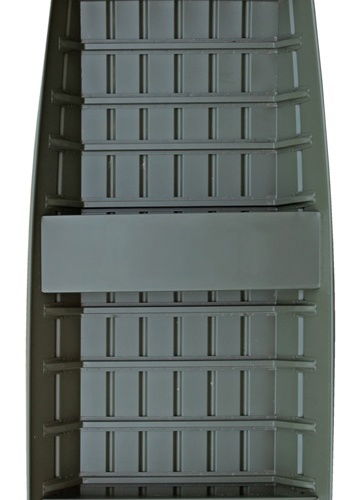
Images have been gathered from various sources and belong to their respective owners.
Review - Alumacraft 1848 JON

MarineBroker
03/06/2024, 1:50 PM
2017 Alumacraft 1848 JON: A Practical Guide to Buying, Setting Up, and Using This Flat-Bottom Workhorse
If you’ve been looking at the 2017 Alumacraft 1848 JON, you’re probably after a boat that’s simple, tough, and useful for real-world boating tasks. Jon boats like this one have a loyal following because they do a lot without asking for much in return. They’re easy to trailer, straightforward to maintain, and versatile enough for fishing, hunting, utility work, or just getting around shallow water.
But here’s the catch: buying a used jon boat isn’t always as simple as liking the size and price. A boat like the 2017 Alumacraft 1848 JON may look ready to go, but the real question is whether it fits your water, your motor, your load, and your expectations. Many buyers run into the same problem—choosing a boat that seems perfect on paper, only to realize later that they need a better setup, more stability, or a smarter way to outfit it.
The good news is that most of those issues can be avoided with a little planning. In this guide, we’ll walk through what makes this boat appealing, what to check before buying, and how to set it up so it performs the way you need it to.
- What Makes the 2017 Alumacraft 1848 JON Popular
The 2017 Alumacraft 1848 JON sits in a sweet spot for people who want a durable aluminum boat without unnecessary complexity. At 18 feet 4 inches long and 48 inches wide at the bottom, it offers a practical platform for shallow-water use, while still being large enough to handle gear and a couple of passengers.
One reason this model gets attention is its balance of size and simplicity. It’s not a giant boat, so towing and launching are easier than with bigger rigs. At the same time, it’s larger than the tiny utility jon boats that can feel cramped when you start adding batteries, fuel, tackle, decoys, or tools.
For many owners, the appeal is straightforward:
- Lightweight aluminum construction
- Simple layout with fewer parts to maintain
- Shallow draft for backwaters and skinny water
- Flexible use for fishing, hunting, and utility tasks
- Easy customization with benches, decks, and accessories
That versatility is a big reason jon boats remain popular. If you want a boat that can be adapted to your needs instead of forcing you into one specific style of boating, this kind of platform makes sense.
- The Main Problem Buyers Face With a Used Jon Boat
The biggest issue with a used boat like the 2017 Alumacraft 1848 JON is not usually the hull itself. It’s the mismatch between what the boat can do and what the buyer expects it to do.
A flat-bottom jon boat is excellent in calm, shallow water. But if you expect it to behave like a deeper V-hull on windy lakes, rough water, or heavy chop, you may be disappointed. That’s where a lot of buyers get frustrated.
Common problems include:
- Not enough stability for the way the boat is loaded
- Choosing too small of a motor
- Overloading the boat with gear and passengers
- Buying a used hull without checking for damage or corrosion
- Failing to plan for electrical, fuel, and storage needs
In other words, the boat itself may be fine, but the setup can make or break the experience. The solution is to evaluate how and where you’ll use it before you buy or modify it.
- What the 2017 Alumacraft 1848 JON Is Best Used For
This boat is best suited for situations where shallow-water access and utility matter more than speed or comfort.
It works especially well for:
- River fishing
- Backwater and marsh travel
- Duck hunting
- Farm, camp, or lake property use
- Small lakes and protected water
- Transporting gear in shallow areas
Because of its flat-bottom design, it tends to draft very little water. That means you can get into places deeper-hulled boats can’t easily reach. If your favorite spots are hidden behind sandbars, weed beds, or narrow channels, that’s a major advantage.
It’s also a practical choice for people who want a boat that can take some abuse. Aluminum jon boats are known for being rugged and easy to patch compared to fiberglass boats. For many owners, that durability is a big part of the appeal.
- What to Check Before Buying a 2017 Alumacraft 1848 JON
If you’re shopping used, the hull condition matters more than almost anything else. A solid-looking boat can still have hidden issues that cost time and money later.
Here’s what to inspect carefully:
- Hull dents and deep gouges
Small dents are common on aluminum boats, but look for anything that affects the shape of the bottom or sides.
- Rivets and seams
Check for loose rivets, old sealant, or signs of water intrusion.
- Transom condition
If the transom is soft, cracked, or corroded, that’s a major red flag.
- Floor or deck modifications
Homemade decks can be useful, but poorly built ones may hide damage or create balance problems.
- Corrosion
Look around welds, fasteners, and areas where dissimilar metals may have been used.
- Wiring
If the boat has lights, a trolling motor, or electronics, inspect the wiring for neatness and corrosion.
- Trailer condition
Don’t ignore the trailer. Bad bearings, rusted bunks, or weak lights can turn a good boat into a headache.
A used jon boat can be a great purchase, but only if the foundation is sound.
- Choosing the Right Motor for the 2017 Alumacraft 1848 JON
One of the most common mistakes with a boat like this is over- or under-powering it.
The ideal motor depends on how you plan to use the boat:
- For slow, shallow-water fishing: a smaller outboard or trolling motor setup may be enough
- For general transport and utility use: a modest outboard provides a good balance
- For loaded hunting or multi-purpose use: make sure the motor can handle the total weight safely
The key is not just horsepower. It’s how much weight the boat carries and where that weight sits. A jon boat can perform very differently depending on whether you’re solo, carrying two people, or loaded with gear.
A few practical tips:
- Keep the heaviest items low and centered
- Avoid putting too much weight at the stern
- Match the prop and motor height to shallow-water conditions
- Don’t assume more horsepower automatically means better performance
The best setup is usually the one that keeps the boat efficient, stable, and easy to control.
- How to Improve Stability and Comfort
Flat-bottom boats are stable in calm water, but they can feel less forgiving when weight is unevenly distributed or when the water gets choppy.
To improve stability:
- Spread weight evenly from front to back
- Keep gear secured so it doesn’t shift while moving
- Use non-slip flooring or mats
- Add flotation or storage in a balanced layout
- Avoid overloading the boat beyond its intended capacity
Comfort upgrades can also make a huge difference. Even a simple jon boat becomes much more enjoyable with a few thoughtful additions.
Useful upgrades might include:
- Swivel seats
- Storage compartments
- A small casting deck
- LED navigation lights
- Trolling motor with foot or hand control
- Battery box and secure wiring
- Spray-in or marine-grade floor coating
The goal is not to turn it into something it isn’t. The goal is to make the boat easier to use for the kind of trips you actually take.
- Best Ways to Set Up the 2017 Alumacraft 1848 JON for Fishing
For anglers, this boat can be a very practical fishing platform when set up correctly. The open layout gives you room to move, and the shallow draft helps you reach less-pressured water.
A smart fishing setup usually includes:
- A trolling motor for quiet positioning
- Battery placement that keeps the boat balanced
- Rod holders or organized storage
- A small livewell or portable bait tank if needed
- Anchor system for current or wind
- Electronics like a fish finder if you fish often
If you fish solo, keep the layout simple. Too many accessories can crowd the deck and reduce the boat’s natural advantage: open, usable space.
If you fish with a partner, make sure both sides of the boat remain balanced. Uneven weight can make the boat feel tippy or cause the bow to ride poorly.
- Best Ways to Set Up the 2017 Alumacraft 1848 JON for Hunting
Duck hunters and other shallow-water hunters often appreciate jon boats because they’re quiet, easy to hide, and simple to load with gear.
For hunting use, consider:
- Camouflage paint or wrap
- Low-profile seating
- Secure storage for decoys and equipment
- A mud motor or shallow-water propulsion option if appropriate
- Deck space that allows safe movement in waders
- Tie-down points for cargo and blinds
One thing to remember: hunting loads can add up fast. Decoys, blinds, dogs, coolers, and firearms all affect trim and stability. It’s worth doing a dry run before the season starts so you know how the boat behaves when fully loaded.
- Maintenance Tips That Keep the Boat Reliable
One reason aluminum jon boats stay popular is that they’re relatively easy to maintain. Still, a little routine care goes a long way.
Basic maintenance should include:
- Rinsing the boat after use, especially in muddy or brackish water
- Checking rivets, welds, and seams regularly
- Inspecting the transom and motor mount area
- Greasing trailer bearings and checking tire pressure
- Cleaning battery terminals and wiring connections
- Keeping the hull free of heavy buildup or barnacles if stored in water
If you store the boat outside, cover it properly. UV exposure, rain, and debris can wear down seats, wiring, and flooring faster than people expect.
Also, don’t forget the trailer. A well-kept boat on a neglected trailer is still a problem waiting to happen.
- Common Mistakes to Avoid
People often make the same few mistakes with boats like the 2017 Alumacraft 1848 JON.
Here are the big ones:
- Buying based on price alone
- Ignoring hull condition
- Overloading the boat
- Using the wrong motor size
- Adding too much top-heavy gear
- Not balancing batteries and fuel properly
- Expecting it to handle rough water like a deep-V boat
The easiest way to avoid these problems is to be honest about your boating style. If your waters are calm, shallow, and protected, this type of boat can be an excellent fit. If you often face wind, waves, or long open-water runs, you may need a different hull design.
- Is the 2017 Alumacraft 1848 JON a Good Choice?
For the right buyer, yes. The 2017 Alumacraft 1848 JON is a strong option if you want a practical, no-frills aluminum boat that can handle shallow water and utility work.
It’s especially appealing if you value:
- Simplicity
- Easy towing and launching
- Customization potential
- Durability
- Access to shallow or hard-to-reach water
It may not be the best choice if you want a smooth ride in rough conditions or a fully finished, comfort-focused boat. But that’s not really what this style of boat is about. Its strength is utility, not luxury.
The smartest approach is to match the boat to the mission. When you do that, a jon boat like this can be one of the most useful boats you’ll ever own.
- Conclusion
The 2017 Alumacraft 1848 JON is a classic example of a boat that works best when you understand its strengths. It’s simple, durable, and highly adaptable, but it needs the right setup to shine. The main challenge for buyers is not finding a boat that looks good—it’s finding one that fits the water, the load, and the way you plan to use it.
If you inspect the hull carefully, choose the right motor, and keep the layout balanced, this boat can be a very practical solution for fishing, hunting, and shallow-water travel. For anyone considering a used jon boat, the key is to think function first. That’s how you get the most out of a boat like this. If you’re still comparing options, it’s worth researching setup ideas and maintenance tips before making a final decision.
Specifications
General
Boat Type: Power Boats
Class Type: Freshwater Fishing
Specifications
Length: 18.04
Beam: 5.91
Draft: 0.98
Hull Material: Aluminium
Build
First Built: 2017
Propulsion
Fuel Type: Unleaded
Engines: 1
Power: 15 HP
Brand: Mercury
Accomodation
PROS & CONS
What we appreciated
 Durable aluminum construction making it lightweight and resistant to corrosionSpacious 18-foot length providing ample room for fishing and gearFlat-bottom Jon design offering excellent stability in calm watersGood fuel efficiency due to lightweight designVersatile for fishing, hunting, and general utility purposes
What we didn’t appreciate
 Not ideal for rough or choppy waters due to flat-bottom hullLimited seating capacity compared to larger boatsBasic features may lack advanced electronics or comfort amenitiesCan have limited storage space for extended tripsMay require a trailer for easy transport and storage
Upkeep Costs
Fuel: Approximately $500 - $1,000 per year depending on usage
Maintenance: Around $300 - $600 annually for engine and hull upkeep
Insurance: Typically $200 - $400 per year
Storage: $300 - $1,200 annually depending on location and type
Registration and Licensing: $50 - $150 per year

Rating
3.5
User
Score
Score
Driveability
Technology
Interior
Design
Similar Boats


MarineBroker
Download now for an immersive boat experience like never before! ⛵✨ Your journey begins with a simple click. 🌊📲
#SetSailSmart #DownloadNow
#SetSailSmart #DownloadNow

Subscribe
Copyright 2017 - 2026, Marinebroker.net, All Rights Reserved