Boat Database » Alumacraft Competitor 175 Tiller
Alumacraft Competitor 175 Tiller
Outboard four-stroke, Unleaded, 1x 70 HP
Power Boats 2011 Alumacraft Competitor 175 Tiller: What Owners Should Know Before Buying, Restoring, or Upgrading
If you’re looking at a 2011 Alumacraft Competitor 175 Tiller, chances are you already appreciate what a tiller boat can do: sim...
Discover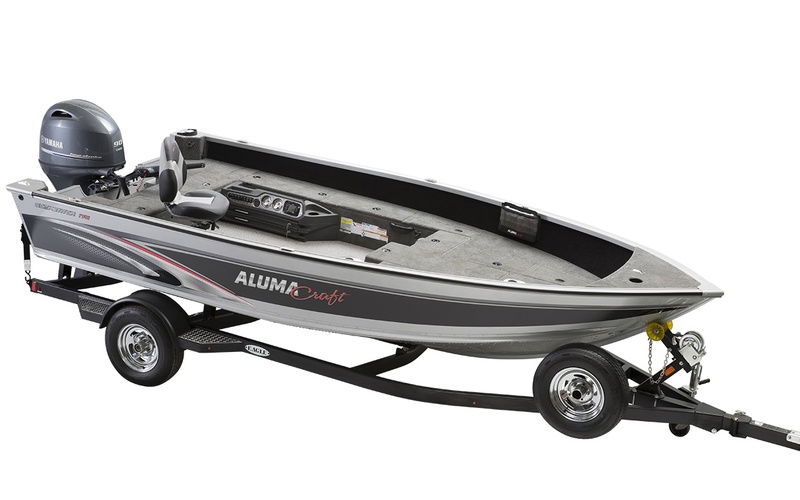


Images have been gathered from various sources and belong to their respective owners.
Review - Alumacraft Competitor 175 Tiller

MarineBroker
02/23/2024, 6:26 AM
2011 Alumacraft Competitor 175 Tiller: What Owners Should Know Before Buying, Restoring, or Upgrading
If you’re looking at a 2011 Alumacraft Competitor 175 Tiller, chances are you already appreciate what a tiller boat can do: simple layout, solid fishability, and the kind of control that makes tight water, shallow bays, and windy days a lot more manageable. This model has a loyal following for good reason. It’s the sort of boat that can handle serious time on the water without needing a bunch of complicated systems to enjoy it.
But there’s a common challenge with used tiller boats like this one: figuring out whether the boat you’re looking at is truly a good value, or whether it needs more work than it first appears. Age, motor history, wiring, transom condition, and storage wear can all affect performance and long-term ownership costs. The good news is that most of these issues are predictable once you know what to inspect.
In this article, we’ll break down what makes the 2011 Alumacraft Competitor 175 Tiller appealing, what problems buyers and owners should watch for, and how to solve them with practical, boat-savvy steps.
- Why the 2011 Alumacraft Competitor 175 Tiller Still Gets Attention
The 2011 Alumacraft Competitor 175 Tiller sits in a sweet spot for anglers and recreational boaters who want a versatile aluminum fishing boat. At around 17 feet, it’s large enough to feel stable and useful, but still manageable for trailering, launching, and storing at home.
One reason this model continues to draw interest is its tiller setup. Unlike a console boat, a tiller gives you direct steering from the stern, which can be a big advantage in shallow water, small lakes, and river systems. You get more open deck space, fewer components, and often better simplicity when it comes to maintenance.
For many buyers, the appeal is straightforward:
- More usable fishing space
- Simpler controls and fewer systems to maintain
- Easier maneuverability in tight waters
- Usually lower ownership costs than larger fiberglass rigs
That said, older tiller boats can develop predictable wear points. The trick is knowing where to look so you don’t buy a boat that seems ready to fish but needs major repairs first.
- The Main Problem: Used Boat Uncertainty
The biggest issue with a used 2011 Alumacraft Competitor 175 Tiller is uncertainty. Even if the hull looks clean, the real condition of the boat may depend on how it was stored, used, and maintained.
A boat that lived on a trailer under a cover is very different from one that sat outside through freeze-thaw cycles. Likewise, a motor that was serviced regularly is much more valuable than one that only got attention when something broke.
Common buyer concerns include:
- Hidden corrosion
- Soft or damaged transom areas
- Electrical problems
- Fuel system degradation
- Worn steering or throttle components
- Hull dents or stress cracks
- A motor that starts on land but performs poorly on the water
This is the practical problem many people run into: the boat looks like a bargain until the repair list starts growing. The solution is not to avoid the model altogether, but to inspect it like a pro and understand the likely weak points.
- What Makes the 2011 Alumacraft Competitor 175 Tiller a Smart Platform
Before diving into problems, it helps to understand why this boat is worth considering in the first place. Alumacraft has long been known for building aluminum boats that are functional, durable, and well-suited to fishing.
The Competitor 175 Tiller is attractive because it offers:
- A practical size for solo anglers or small groups
- Lightweight aluminum construction
- Good shallow-water versatility
- A layout that prioritizes fishing space
- A simple setup that’s easy to learn and use
For many owners, the boat’s real strength is balance. It’s not trying to be everything. It’s built to be a capable fishing platform that can run lakes, reservoirs, and protected waters without a lot of fuss.
That simplicity is a huge plus, especially for people who want time on the water instead of time in the repair shop.
- Key Inspection Points Before You Buy
If you’re shopping for a 2011 Alumacraft Competitor 175 Tiller, the best solution is a careful inspection. A few basic checks can tell you a lot about whether the boat has been cared for properly.
- Check the Hull Closely
Look along the bottom and sides for dents, gouges, patches, or signs of impact. Aluminum boats can handle normal wear, but major damage can affect performance or indicate a hard hit.
Pay attention to:
- Keel damage
- Rivet leaks or signs of patching
- Corrosion around seams
- Scrapes that go deeper than cosmetic wear
Small cosmetic marks are normal on an older boat. Deep structural damage is not something to ignore.
- Inspect the Transom
The transom is one of the most important areas on any used boat. Even though aluminum boats are known for durability, the transom still needs to be solid, especially if the boat has seen years of engine weight and vibration.
Signs of trouble include:
- Flexing when pressure is applied
- Cracks around mounting points
- Corrosion near bolts or brackets
- Water intrusion around fittings
If the transom feels soft, loose, or suspicious, treat that as a serious warning sign.
- Evaluate the Motor
If the boat comes with a motor, the motor may be the biggest factor in total value. A clean hull with a weak or unreliable engine can quickly become an expensive project.
Ask about:
- Service history
- Compression test results
- Starting behavior
- Idle quality
- Water pump replacement
- Lower unit condition
A quick test on the trailer is not enough. If possible, run the engine under load on the water. That’s where many hidden problems show up.
- Test the Electrical System
Older boats often develop electrical issues from corrosion, loose connections, or previous owner modifications. These problems can be annoying, but they’re usually fixable if caught early.
Check:
- Navigation lights
- Bilge pump
- Trolling motor wiring
- Battery connections
- Fuse blocks and switches
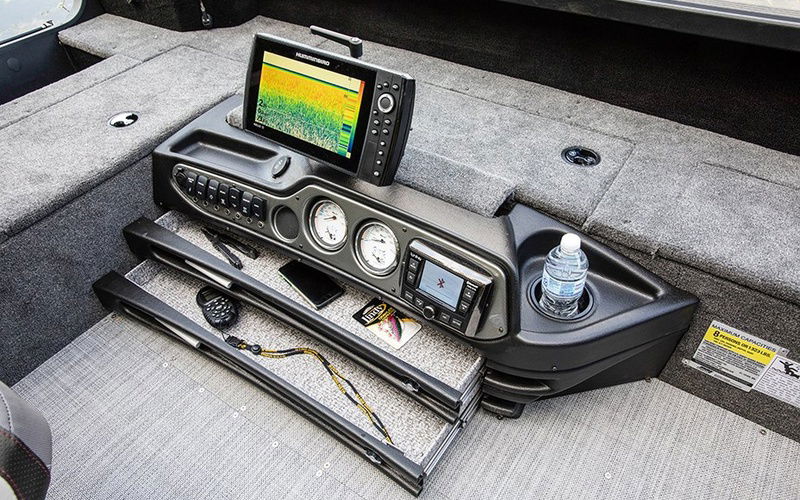
- Accessories like sonar or livewell systems
If wiring looks messy, brittle, or heavily patched, expect some cleanup work.
- Look at the Deck and Storage Areas
Open compartments and inspect the flooring, lids, hinges, and seals. Moisture trapped in storage areas can lead to corrosion or rot in places you might not notice at first glance.
You want to see:
- Dry storage compartments
- Solid hinges and latches
- No major rust on hardware
- Clean, functional livewells if equipped
- No strong mildew or fuel smells
A boat that smells heavily of fuel or mildew may have hidden maintenance issues.
- Common Problems on Older Tiller Boats Like This
The 2011 Alumacraft Competitor 175 Tiller can be a solid boat, but like any used rig, it has a few common problem areas. Knowing them helps you avoid surprises.
- Corrosion Around Hardware
Aluminum holds up well, but mixed-metal hardware, salt exposure, and neglected maintenance can create corrosion. This is especially common around bolts, brackets, and fittings.
The fix is usually straightforward if caught early:
- Clean corrosion with the right marine-safe products
- Replace compromised fasteners
- Seal vulnerable areas properly
- Rinse the boat after use, especially in brackish or saltwater environments
- Electrical Gremlins
Older boats often suffer from electrical issues caused by age rather than major failure. Loose grounds, worn switches, and corroded connectors can create intermittent problems that are frustrating but manageable.
A practical solution is to:
- Trace wiring methodically
- Replace questionable connectors
- Use marine-grade wiring and heat-shrink terminals
- Label circuits clearly for future troubleshooting
- Fuel System Wear
Fuel lines, primer bulbs, and tank components don’t last forever. Ethanol exposure can speed up deterioration, especially if the boat sat unused for long periods.
Watch for:
- Cracked fuel lines
- Hard or brittle primer bulbs
- Stale fuel odor
- Water contamination in the tank
Replacing old fuel system parts is one of the smartest preventative steps you can take.
- Trailer Neglect
A lot of buyers focus only on the boat and forget the trailer. That’s a mistake. A neglected trailer can create launch problems, safety issues, and extra repair costs.
Check:
- Tires and bearings
- Lights
- Winch and strap
- Frame rust
- Bunks and rollers
If the trailer is weak, your “ready to fish” boat may not be ready at all.
- How to Solve the Biggest Ownership Challenges
The good news is that most problems with the 2011 Alumacraft Competitor 175 Tiller can be managed with a methodical approach. You don’t need to be a marine mechanic to make smart ownership decisions. You just need a plan.
- Start with a Full Baseline Service
If you buy one, assume you need to reset the maintenance history unless you have records proving otherwise.
A good baseline service includes:
- Oil and filter changes
- Lower unit service
- New spark plugs if needed
- Fuel filter replacement
- Fresh fuel lines and primer bulb if questionable
- Battery testing or replacement
- Greasing fittings and moving parts
This gives you a known starting point and reduces the chance of surprise breakdowns.
- Upgrade Safety and Reliability First
It’s tempting to add accessories right away, but reliability should come before cosmetics. A boat is only fun when it starts, runs, and stops properly.
Prioritize:
1. Engine reliability
2. Electrical function
3. Trailer safety
4. Bilge and livewell operation
5. Fishing accessories
Once those are solid, you can focus on comfort and convenience.
- Protect the Hull and Metal Components
Preventive care goes a long way with aluminum boats. A little routine attention can preserve value and reduce headaches.
Helpful habits include:
- Rinsing after each trip
- Drying compartments before storage
- Checking fasteners regularly
- Touching up worn areas
- Storing the boat under cover when possible
This is especially important if the boat sees heavy seasonal use.
- Improve the Tiller Experience
One of the best things about a tiller boat is how responsive it feels. If you’re not getting the control you want, there are practical ways to improve the setup.
Consider:
- A properly sized trolling motor
- Quality batteries
- Comfortable tiller handle positioning
- Smart weight distribution
- Updated steering or throttle components if worn
A well-balanced tiller boat is easier to run, easier to fish from, and less tiring over a long day.
- What to Look for in a Good Example
Not every 2011 Alumacraft Competitor 175 Tiller will be in the same condition, so it helps to know what a good one looks like. A strong example usually has a clean maintenance record and signs of thoughtful ownership.
Green flags include:
- Clean title and clear ownership history
- Matching, well-maintained trailer
- Dry compartments and solid flooring
- Even wear across the boat
- Smooth engine operation
- No major corrosion or patchwork fixes
- Accessories installed neatly, not haphazardly
A boat with these traits is much more likely to be a good long-term purchase than one with a shiny exterior and hidden issues.
- Who This Boat Fits Best
The 2011 Alumacraft Competitor 175 Tiller is a strong fit for certain types of boaters. It’s especially appealing if you value practicality over luxury.
It works well for:
- Anglers who fish shallow water
- Owners who prefer simple, low-maintenance boats
- People who want open deck space
- Buyers looking for a used aluminum rig with real utility
- Those who want a boat that’s easier to trailer and store
It may be less ideal for someone wanting a premium ride, lots of built-in electronics, or a more sheltered helm setup. But for many fishing-focused owners, that’s exactly the point.
- Smart Buying Advice for Real-World Use
If you’re seriously considering this model, think beyond the listing photos. The best purchase is not always the cleanest-looking one, but the one with the clearest history and the fewest unknowns.
A smart buying process looks like this:
- Inspect the boat in daylight
- Ask for maintenance records
- Test every system
- Check the motor under load
- Review trailer condition
- Budget for immediate service after purchase
This keeps you from overpaying and gives you a realistic picture of ownership costs.
- Practical Upgrades Worth Considering
If you already own a 2011 Alumacraft Competitor 175 Tiller, a few upgrades can make it even better without overcomplicating the boat.
Worthwhile improvements include:
- Modern fish finder or sonar unit
- Better battery setup
- LED lighting
- New trolling motor
- Improved seat bases or seating
- Updated marine carpet or non-slip surfaces
- Storage organization accessories
These changes can make the boat more efficient and enjoyable without changing its core simplicity.
- Final Thoughts on Long-Term Value
The 2011 Alumacraft Competitor 175 Tiller remains a practical option for boaters who want a straightforward aluminum fishing boat with plenty of utility. Its appeal comes from simplicity, open space, and the kind of on-the-water control that tiller owners appreciate.
The main challenge is not whether the boat is useful. It’s whether the specific boat you’re looking at has been maintained well enough to deliver that usefulness without becoming a repair project. With a careful inspection, a baseline service plan, and a focus on the essentials first, you can avoid the usual surprises and enjoy the boat the way it was meant to be used.
If you’re researching this model, take your time, inspect thoroughly, and compare condition more than cosmetics. That’s the best way to turn a used boat into a reliable fishing partner.
Specifications
General
Boat Type: Power Boats
Class Type: Freshwater Fishing
Specifications
Length: 17.72
Beam: 7.87
Draft: 0.98
Hull Material: Aluminium
Build
First Built: 2011
Propulsion
Fuel Type: Unleaded
Engines: 1
Power: 70 HP
Brand: Yamaha
Accomodation
PROS & CONS
What we appreciated
 Durable aluminum hull providing excellent longevity and resistance to corrosionLightweight design makes it easy to tow and launchTiller steering offers precise and responsive controlVersatile for various fishing environments including lakes and riversSpacious deck layout for comfortable fishing and gear storage
What we didn’t appreciate
 Limited seating and comfort features compared to larger boatsBasic interior finish with minimal amenitiesTiller steering may be less comfortable for long rides compared to wheel steering2011 model may lack some modern electronics and convenience featuresSmaller size limits capacity and rough water handling
Upkeep Costs
Fuel: Approximately $500 - $800 per year depending on usage
Maintenance: Around $300 - $600 annually for engine and hull upkeep
Insurance: Typically $200 - $400 per year
Storage: $300 - $1,200 annually depending on location and type
Registration and Taxes: $50 - $150 per year
Rating
5.2
User
Score
Score
Driveability
Technology
Interior
Design
Similar Boats


MarineBroker
Download now for an immersive boat experience like never before! ⛵✨ Your journey begins with a simple click. 🌊📲
#SetSailSmart #DownloadNow
#SetSailSmart #DownloadNow

Subscribe
Copyright 2017 - 2026, Marinebroker.net, All Rights Reserved