Boat Database » Alumacraft 205 Sport
Alumacraft 205 Sport
Outboard four-stroke, Unleaded, 1x 150 HP
Power Boats 2015 Alumacraft 205 Sport: What Buyers and Owners Should Know Before Hitting the Water
If you’re looking at the 2015 Alumacraft 205 Sport, you’re probably trying to figure out one simple thing: is it the right boat for the kind o...
Discover

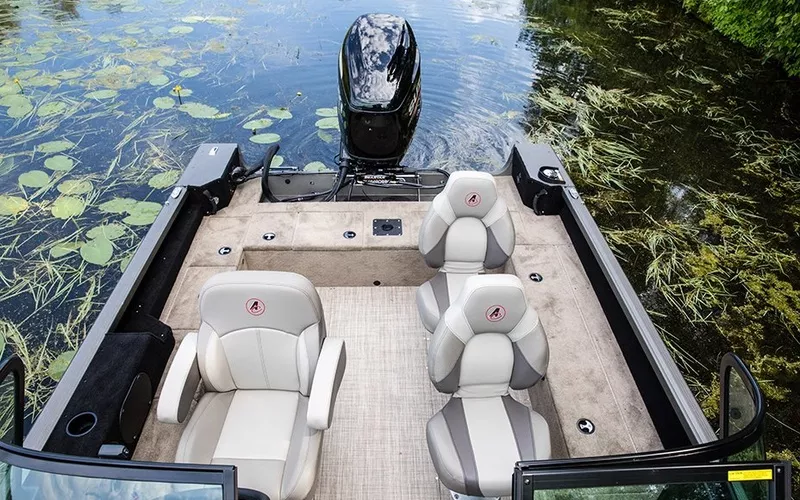
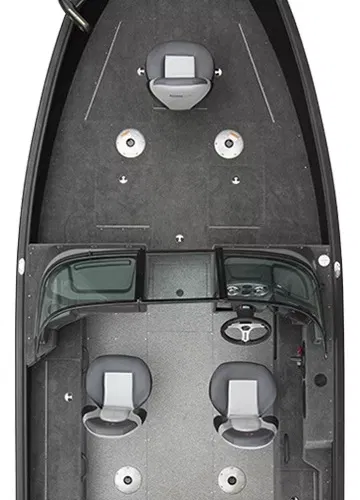
Images have been gathered from various sources and belong to their respective owners.
Review - Alumacraft 205 Sport

MarineBroker
03/06/2024, 2:12 PM
2015 Alumacraft 205 Sport: What Buyers and Owners Should Know Before Hitting the Water
If you’re looking at the 2015 Alumacraft 205 Sport, you’re probably trying to figure out one simple thing: is it the right boat for the kind of fishing and family time you want on the water? That’s a fair question, especially with used boats, where the biggest challenge isn’t just finding a good deal—it’s knowing whether the boat actually fits your needs.
A boat like the 2015 Alumacraft 205 Sport can look like a great all-around option on paper. It offers a practical layout, solid aluminum construction, and enough space for fishing, cruising, or weekend outings. But the real issue for most shoppers is not the specs. It’s choosing a boat that won’t leave them wishing for more storage, less maintenance, or better performance after the purchase.
That’s where a little research goes a long way. In this article, we’ll break down what makes the 2015 Alumacraft 205 Sport appealing, what common concerns to watch for, and how to decide whether it’s the right fit for your boating style. If you’re trying to avoid buyer’s remorse and get the most out of your investment, you’re in the right place.
- What Makes the 2015 Alumacraft 205 Sport Stand Out
The 2015 Alumacraft 205 Sport is part of a category that appeals to a lot of boaters: versatile aluminum fishing boats that can handle more than one job. It’s designed for people who want a boat that can fish well, carry family or friends comfortably, and stay manageable when it comes to towing and maintenance.
One of the biggest reasons people consider this model is its balance. It’s not trying to be a giant offshore machine, and it’s not a bare-bones jon boat either. Instead, it sits in that middle ground where it can work for casual anglers, weekend boaters, and owners who want a boat that feels practical without being too limited.
For many buyers, that balance is the real selling point. You get:
- A lightweight aluminum build
- A layout that works for fishing and recreation
- Easier trailering compared with larger fiberglass boats
- Lower upkeep than many heavier alternatives
That said, the boat’s value depends heavily on how you plan to use it. If you want a simple, durable platform for lakes, rivers, and inland waters, the 2015 Alumacraft 205 Sport can make a lot of sense. If you need a highly specialized tournament rig or a luxury cruiser, you may want something different.
- The Main Problem Buyers Face: Finding the Right Used Boat Without Hidden Regret
The biggest challenge with a used 2015 Alumacraft 205 Sport isn’t the model itself. It’s buying any used boat with confidence.
A lot of shoppers get excited by the price, the photos, or the brand name, but overlook the details that matter most. With used boats, the real problem is often hidden wear, outdated electronics, tired carpeting, corrosion, or an engine that needs more attention than expected.
That can lead to a few common frustrations:
- The boat looks good but needs expensive repairs
- The layout isn’t as practical as expected
- The motor, trailer, or accessories are worn out
- The boat doesn’t match the buyer’s actual fishing or family needs
This is especially true for people who are new to boating. A used boat can seem like a straightforward purchase, but in reality, it’s a system of parts that all need to work together. Hull condition, motor health, wiring, seats, trailer condition, and storage all matter.
The good news? Most of these issues can be avoided with a smart inspection process and a clear understanding of what you’re buying.
- 2015 Alumacraft 205 Sport: What to Check Before You Buy
If you’re considering the 2015 Alumacraft 205 Sport, the best solution is to evaluate it like a checklist, not a dream purchase. That keeps emotions out of the process and helps you spot problems early.
Here’s what to look at first:
1. Hull condition
Aluminum boats are known for durability, but they’re not indestructible. Check for dents, cracks, weld issues, or signs of major impact. Small cosmetic marks are normal, but structural damage is a different story.
2. Rivets and seams
Look closely at rivets, seams, and any areas where water may have entered. Leaks can be annoying and expensive if they’ve been ignored for a long time.
3. Floor and transom
A soft floor or weak transom can be a major red flag. These parts support the boat’s structure and should feel solid.
4. Engine hours and maintenance
If the boat includes a motor, ask for service records. Regular maintenance matters more than a low number on the hour meter if the engine has been neglected.
5. Trailer condition
A lot of buyers focus on the boat and forget the trailer. Check bearings, tires, lights, bunks, and brakes if equipped. A bad trailer can turn a good boat into a hassle.
6. Electronics and wiring
Fish finders, navigation lights, pumps, and switches should all work properly. Electrical issues can be time-consuming to track down.
7. Storage and seating
Make sure the layout matches your routine. If you bring rods, tackle, coolers, or kids along, you’ll want enough usable space.
Doing this kind of inspection helps you avoid the most common used-boat mistakes. It also gives you leverage if you need to negotiate price based on repairs.
- Why Aluminum Boats Like the 2015 Alumacraft 205 Sport Appeal to So Many Owners
There’s a reason aluminum boats remain popular, especially with practical boaters. They tend to be easier to maintain and more forgiving for people who want to use their boat often without constantly worrying about gel coat, heavy polishing, or large repair bills.
The 2015 Alumacraft 205 Sport fits that mindset well.
Here’s why aluminum is such a strong choice for many owners:
- Lightweight and easier to tow
- Generally more fuel-efficient than heavier boats
- Less vulnerable to minor bumps and docking contact
- Good for shallow water and varied conditions
- Lower routine maintenance than many fiberglass boats
For anglers, this can be a huge advantage. You can launch faster, maneuver in tighter areas, and spend less time worrying about cosmetic damage from normal use.
That doesn’t mean aluminum is perfect for every situation. It can ride differently than fiberglass in rough water, and some owners prefer the quiet, solid feel of a heavier hull. But for inland lakes, rivers, and mixed-use boating, aluminum is often the practical winner.
- How to Tell If the 2015 Alumacraft 205 Sport Fits Your Lifestyle
A boat only feels like a good deal if it matches how you actually use the water. That’s why the 2015 Alumacraft 205 Sport makes sense for some boaters and not for others.
This boat may be a strong fit if you:
- Fish regularly on lakes or rivers
- Want a boat that can also handle family outings
- Prefer easier towing and launching
- Like a simple, functional layout
- Want a used boat with practical value
It may be less ideal if you:
- Need a large offshore-capable platform
- Want premium luxury features
- Plan to carry a lot of passengers often
- Prefer a very soft ride in rough chop
- Need extensive onboard storage for serious tournament use
A lot of disappointment comes from buying a boat based on features instead of lifestyle. The better question is not “Is this a good boat?” but “Is this a good boat for the way I spend time on the water?”
- Common Ownership Issues and How to Handle Them
Even a solid boat can develop issues over time. That doesn’t mean you should avoid the 2015 Alumacraft 205 Sport. It just means you should know what typically needs attention in a used aluminum boat.
Some common ownership issues include:
- Corrosion around fittings or hardware
- Worn seat bases or upholstery
- Aging carpet or flooring
- Battery problems
- Old trolling motor wiring
- Dull or failing navigation lights
- Trailer wear from exposure and storage
The best way to handle these problems is with routine maintenance and seasonal checks.
A simple maintenance routine can include:
- Rinsing the boat after use, especially in dirty or brackish water
- Checking the bilge and drain plugs before every launch
- Inspecting battery terminals for corrosion
- Looking over the trailer tires and bearings regularly
- Testing lights and pumps before heading out
- Storing the boat properly when not in use
A lot of boat problems are small at first. Catching them early usually saves money and frustration later.
- What to Expect from a Used 2015 Alumacraft 205 Sport Purchase
When shopping used, the condition of the specific boat matters more than the model year alone. Two boats of the same year can be in completely different shape depending on how they were used and stored.
A well-kept 2015 Alumacraft 205 Sport may offer:
- Reliable performance for everyday boating
- A practical fishing platform
- Good value compared with newer models
- Lower ownership stress if maintained properly
A neglected one may need:
- Engine work
- Upholstery replacement
- Trailer repairs
- Electrical troubleshooting
- Hull or flooring attention
This is why a pre-purchase inspection is so important. If possible, have a marine mechanic or experienced boater look it over with you. Spending a little upfront can prevent a much bigger repair bill later.
Also, don’t forget to ask the seller about how the boat was stored. Indoor storage, regular winterization, and consistent servicing usually make a big difference in overall condition.
- Smart Buying Tips for People Interested in the 2015 Alumacraft 205 Sport
If you’re serious about buying one, a few simple strategies can help you make a better decision.
Start with the boat’s purpose
Before anything else, decide whether you’re buying for fishing, family use, or both. That will help you judge the layout and features more objectively.
Inspect in daylight
Never rely only on photos. Look at the boat in full daylight so you can spot wear, oxidation, cracks, stains, and repairs.
Take a test ride if possible
A boat can look great on land and still feel wrong on the water. Pay attention to steering, engine response, vibration, and how stable it feels underway.
Compare total cost, not just asking price
Factor in motor service, trailer condition, registration, safety gear, and any electronics upgrades you may need.
Ask about storage history
A boat kept covered and dry usually ages better than one left exposed to the elements.
Don’t rush because it’s “the one”
Good used boats come and go. If something feels off, it’s okay to walk away.
These steps may sound basic, but they’re often what separate a smart buy from a stressful one.
- Practical Upgrades That Can Improve the Boat
One of the nice things about a used boat is that you can improve it gradually. If you end up with a 2015 Alumacraft 205 Sport, a few targeted upgrades can make it feel much more modern and easier to use.
Useful upgrades might include:
- A newer fish finder or chartplotter
- LED navigation and interior lighting
- Fresh batteries
- A trolling motor with better thrust or battery efficiency
- New seats or seat bases
- Updated rod holders or storage accessories
- A quality marine battery charger
You don’t need to overhaul everything at once. In fact, it’s often smarter to use the boat for a season before deciding what really needs improvement.
That way, you upgrade based on actual experience instead of guesswork.
- Why This Boat Can Be a Good Value When Chosen Carefully
Used boats are all about value. The 2015 Alumacraft 205 Sport can be a smart choice if it’s priced fairly and maintained well.
What makes it valuable is not just the brand or the year. It’s the combination of usability, durability, and lower ownership costs compared with many larger or more complex boats.
A good value boat should help you do three things:
- Get on the water more often
- Spend less time dealing with repairs
- Enjoy the type of boating you actually like
That’s where this model can shine. For the right buyer, it offers a practical balance that’s hard to ignore.
Still, value only exists if the boat is in good shape and fits your needs. A cheap boat that needs constant work is not really a bargain. A clean, well-maintained boat that launches easily and performs reliably is.
- Final Thoughts Before You Decide
If you’re looking at the 2015 Alumacraft 205 Sport, the smartest move is to focus on fit, condition, and long-term usefulness. This boat can be a solid option for anglers and casual boaters who want something practical, lightweight, and easier to manage than many larger rigs.
The main challenge is avoiding the common used-boat trap: buying fast and regretting it later. A careful inspection, a realistic understanding of your needs, and a clear maintenance plan can solve most of that problem.
If the boat checks out and matches your style of boating, it can be a very satisfying choice. If not, keep looking until you find one that does. The right boat should make your time on the water easier, not more complicated.
In the end, the 2015 Alumacraft 205 Sport is worth considering for buyers who value simplicity, versatility, and practical performance. Take your time, inspect thoroughly, and focus on the details that matter most. That’s the best way to make a purchase you’ll feel good about long after launch day.
Specifications
General
Boat Type: Power Boats
Class Type: Freshwater Fishing
Specifications
Length: 20.34
Beam: 7.87
Draft: 0.66
Hull Material: Aluminium
Build
First Built: 2015
Propulsion
Fuel Type: Unleaded
Engines: 1
Power: 150 HP
Brand: Mercury
Accomodation
PROS & CONS
What we appreciated
 Durable aluminum construction for longevity and low maintenanceSpacious 20.5-foot length providing ample room for passengers and gearStable hull design suitable for both freshwater and light saltwater useVersatile for fishing, cruising, and water sports activitiesGood fuel efficiency with lightweight design
What we didn’t appreciate
 Limited cabin or storage space compared to larger boatsBasic onboard amenities, may require additional customization for comfortNot ideal for rough offshore conditions due to hull designOlder model may lack latest technological featuresPotentially higher resale depreciation compared to fiberglass boats
Upkeep Costs
Fuel: Approximately $1,200 - $1,800 per year depending on usage
Maintenance and Repairs: Around $500 - $1,000 annually
Storage: $300 - $1,200 per year depending on location and type (indoor/outdoor)
Insurance: $300 - $600 per year
Registration and Taxes: $50 - $150 per year

Rating
6.1
User
Score
Score
Driveability
Technology
Interior
Design
Similar Boats


MarineBroker
Download now for an immersive boat experience like never before! ⛵✨ Your journey begins with a simple click. 🌊📲
#SetSailSmart #DownloadNow
#SetSailSmart #DownloadNow

Subscribe
Copyright 2017 - 2026, Marinebroker.net, All Rights Reserved