2020 Astus 22.5: What Owners Should Know Before Buying, Sailing, or Upgrading
The 2020 Astus 22.5 is the kind of boat that gets people curious fast. It’s compact, sporty, trailerable, and built for sailors who want a trimaran tha...
Discover
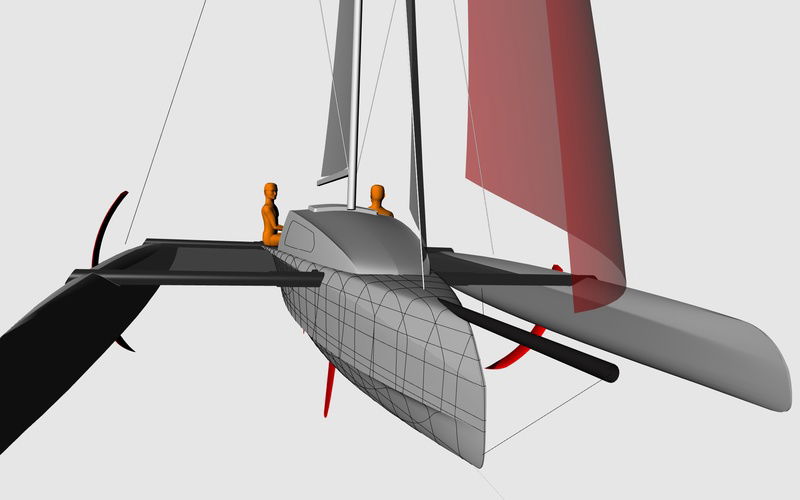
Images have been gathered from various sources and belong to their respective owners.
Review - Astus 22.5

MarineBroker
06/03/2024, 10:18 AM
2020 Astus 22.5: What Owners Should Know Before Buying, Sailing, or Upgrading
The 2020 Astus 22.5 is the kind of boat that gets people curious fast. It’s compact, sporty, trailerable, and built for sailors who want a trimaran that feels lively without demanding a huge slip, tow vehicle, or maintenance budget. But if you’re researching this model, you’re probably not just looking for specs. You’re trying to answer a more practical question: Is it the right boat for the way you actually sail?
That’s where many buyers get stuck. On paper, the Astus 22.5 looks like a great fit for coastal cruising, day sailing, and easy storage. In real life, though, the decision depends on things like launching setup, sailing conditions, rig handling, and how much comfort you expect from a 22.5-foot multihull. A boat like this can be a fantastic solution for the right sailor, but it can also feel limiting if your expectations are off.
In this article, we’ll break down what makes the 2020 Astus 22.5 appealing, the common challenges people run into, and how to solve them with the right setup and expectations.
- What the 2020 Astus 22.5 Is Designed For
The 2020 Astus 22.5 is a compact trimaran built for sailors who want speed, stability, and portability in one package. Unlike many monohulls in the same size range, it offers the extra stability of outriggers, which makes it feel secure and responsive on the water.
This boat is especially attractive to:
- Sailors who want a trailerable multihull
- Day sailors who value easy launching and recovery
- Cruisers looking for simple overnight adventures
- Owners who sail in areas with shallow water or variable conditions
Its size makes it manageable, but it still offers the performance feel trimaran fans love. That combination is a big part of its appeal.
- The Main Problem: Finding a Boat That Balances Performance and Practicality
A lot of people searching for the 2020 Astus 22.5 are trying to solve the same problem: they want a boat that is fun and fast, but also practical enough for real ownership.
That balance is harder to find than it sounds.
Some boats are easy to own but dull to sail. Others are exciting on the water but expensive, difficult to launch, or too demanding for casual use. The Astus 22.5 sits in the middle, which is exactly why it gets so much attention.
The challenge is making sure that middle ground matches your needs.
Common concerns include:
- Can it be launched without a full marina setup?
- Is it stable enough for relaxed sailing?
- How easy is it to tow and rig?
- Does the cabin or deck layout meet your expectations?
- Is it suitable for solo sailing or short-handed crews?
If you’re asking these questions, you’re already thinking like a smart buyer.
- Why the 2020 Astus 22.5 Appeals to So Many Sailors
The reason this model stands out is simple: it solves several ownership headaches at once.
Instead of needing a permanent slip, the boat can often be trailered, which opens up more sailing locations. Instead of relying on a heavy monohull design, the trimaran layout gives you more stability and a different kind of sailing experience. And instead of being oversized and costly, it stays in a range that many owners can realistically manage.
Here’s why that matters:
- Lower storage complexity
- More flexibility for travel sailing
- Easier access to shallow or remote launch spots
- A lively, responsive feel under sail
- Less dependence on expensive marina space
For many people, that’s the solution they’ve been looking for: a boat that feels exciting without becoming a full-time project.
- 2020 Astus 22.5: What to Check Before You Buy
If you’re evaluating a specific 2020 Astus 22.5, the smartest move is to focus on usability, not just appearance. A clean-looking boat can still hide issues that affect real-world sailing.
Pay close attention to these areas:
- Rig condition: Inspect standing and running rigging for wear, corrosion, or UV damage.
- Hull and amas: Look for signs of impact, stress cracks, or repairs.
- Trailer condition: If it’s trailerable, the trailer matters just as much as the boat.
- Sail inventory: Check whether the sails are original, lightly used, or in need of replacement.
- Hardware and fittings: Hinges, blocks, cleats, and control lines should all operate smoothly.
- Storage and transport setup: Make sure mast handling and trailering are realistic for your vehicle and experience.
A boat like this is often about convenience, so any weak point in transport or rigging can reduce the value quickly.
- The Best Use Cases for the 2020 Astus 22.5
This model works best when it’s used for the kind of sailing it was designed for. That sounds obvious, but it’s where a lot of people make mistakes.
The 2020 Astus 22.5 is a strong fit for:
- Coastal day sailing
- Weekend cruising
- Light adventure sailing
- Training and skill-building
- Exploring bays, lakes, and protected waters
It’s less ideal if you want:
- Large interior volume
- Heavy offshore cruising capability
- A boat that feels like a floating condo
- Minimal setup and zero rigging effort
That doesn’t make it a compromise in a bad way. It just means the boat rewards sailors who understand its strengths.
- How to Make Ownership Easier
If the problem is “I want the boat, but I don’t want the hassle,” the solution is usually better preparation and a smarter setup.
Here are practical ways to make ownership smoother:
- Create a launch checklist
A repeatable checklist reduces mistakes and speeds up rigging.
- Organize gear by sailing task
Keep dock lines, safety gear, tools, and sail handling items stored in labeled containers.
- Practice mast stepping and trailering
The more you rehearse the process, the less stressful each outing becomes.
- Inspect before and after every sail
Catching small issues early prevents bigger repairs later.
- Keep a maintenance log
Track sail condition, hardware wear, and any repairs so nothing gets forgotten.
These habits can make a huge difference, especially for trailer-sailors who want to spend more time sailing and less time troubleshooting.
- What Makes a Trimaran Like the Astus 22.5 Feel Different
If you’re coming from a monohull, the sailing experience will feel noticeably different.
A trimaran typically offers:
- Better initial stability
- Less heeling in moderate conditions
- A more open, airy deck feel
- Efficient performance in light to moderate air
That said, trimarans also demand a different mindset. They’re not always about heavy-weather comfort in the same way as a displacement monohull. Instead, they shine when sailed with awareness and good seamanship.
For many owners, that’s part of the fun. The boat feels nimble and engaging, which makes even short sails feel worthwhile.
- Common Mistakes Buyers Make
A lot of disappointment comes from expectations, not the boat itself.
Here are the most common mistakes to avoid:
- Buying for cabin space instead of sailing style
- Underestimating trailer and launch requirements
- Ignoring the cost of sails, lines, and maintenance
- Assuming all trimarans are equally easy to handle
- Skipping a proper survey or pre-purchase inspection
The 2020 Astus 22.5 can be an excellent choice, but only if you understand the total ownership picture. The boat is the solution to certain problems, but not every problem.
- How to Decide If It’s the Right Fit
A simple way to judge this model is to ask yourself three questions:
1. Do I want a trailerable boat I can actually use often?
2. Do I care more about sailing enjoyment than interior volume?
3. Am I comfortable learning a slightly different style of boat handling?
If you answered yes to most of those, the 2020 Astus 22.5 is likely worth serious consideration.
If your priorities are overnight comfort, big storage, or offshore range, you may want to compare it with other boats in the same size class before deciding.
- Practical Buying Tips for a 2020 Astus 22.5
Before closing the deal, use a methodical approach. A little homework can save you a lot of money later.
Try this checklist:
- Review maintenance records if available
- Confirm trailer compatibility and condition
- Inspect sails for shape and age
- Test all moving parts, including daggerboards or lifting systems if equipped
- Check for water intrusion or repair history
- Ask how often the boat was sailed and stored
- If possible, arrange a sea trial
A sea trial is especially helpful because it shows you how the boat behaves under real conditions, not just how it looks at the dock.
- Why This Model Can Be a Smart Long-Term Choice
One of the best things about a boat like the 2020 Astus 22.5 is that it can stay useful as your experience changes.
For newer sailors, it can be a manageable way to learn multihull handling. For experienced sailors, it can be a fun, low-overhead platform for quick escapes and weekend adventures. And for people who want to sail more often without committing to a larger yacht, it offers a very practical middle path.
That long-term flexibility is valuable. It means the boat can grow with you instead of becoming obsolete as your goals shift.
- Final Thoughts on the 2020 Astus 22.5
The 2020 Astus 22.5 stands out because it offers a real answer to a common sailing problem: how to get performance, stability, and portability in one boat. It’s not trying to be everything for everyone. Instead, it gives the right kind of sailor a practical, enjoyable way to spend more time on the water with less complexity.
If you’re considering this model, focus on how you plan to use it, how you’ll launch and store it, and whether its trimaran design matches your sailing style. With the right expectations and a solid setup, it can be a very rewarding boat to own. If you want to go deeper, it’s worth comparing ownership costs, maintenance needs, and sailing conditions before making your final decision.
Specifications
General
Boat Type: Sail Boats
Class Type: Daysailer
Specifications
Length: 22.8
Beam: 16.08
Draft: 4.59
Hull Material: GRP
Build
First Built: 2020
Propulsion
Fuel Type: Unleaded
Engines: 1
Power: 0 HP
Brand: Unknown
Accomodation
PROS & CONS
What we appreciated
 Compact and lightweight design allows for easy trailering and launchingFolding hulls provide excellent stability and performance under sailSpacious cockpit and deck area for a boat of its sizeGood build quality with durable materialsSuitable for both beginners and experienced sailors
What we didn’t appreciate
 Limited cabin space, not ideal for extended overnight tripsPerformance may be affected in very strong winds due to lightweight designRelatively higher price compared to similar-sized boatsLimited storage space on boardRequires regular maintenance of folding mechanisms
Upkeep Costs
Insurance: $500 - $1,000 per year
Storage: $1,200 - $3,000 per year
Maintenance and Repairs: $500 - $1,200 per year
Fuel: $300 - $700 per year
Registration and Licensing: $100 - $200 per year
Rating
6.6
User
Score
Score
Driveability
Technology
Interior
Design
Similar Boats


MarineBroker
Download now for an immersive boat experience like never before! ⛵✨ Your journey begins with a simple click. 🌊📲
#SetSailSmart #DownloadNow
#SetSailSmart #DownloadNow

Subscribe
Copyright 2017 - 2026, Marinebroker.net, All Rights Reserved