Boat Database » Aira Boats 22 MatchRacer
Aira Boats 22 MatchRacer
Sail Drive, Diesel, 1x 0 HP
Sail Boats 2018 Aira Boats 22 MatchRacer: What to Know Before Buying, Racing, or Refitting
If you’ve been looking into the 2018 Aira Boats 22 MatchRacer, you’re probably after a boat that feels quick, responsive, and built for serious fun o...
Discover
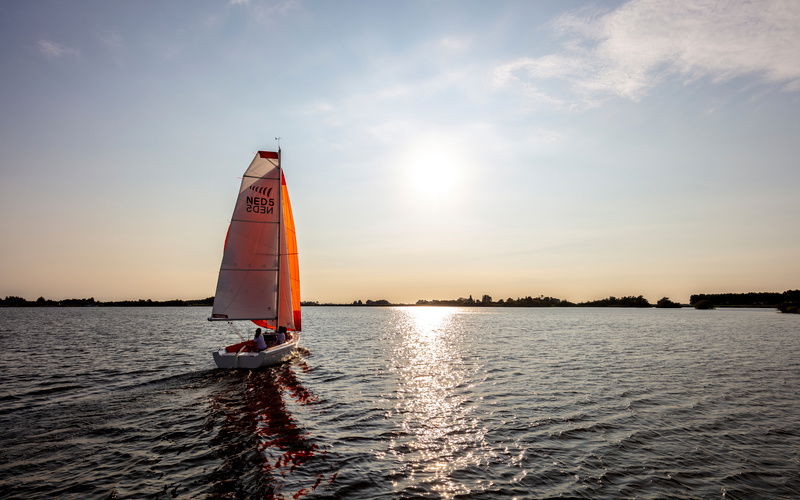
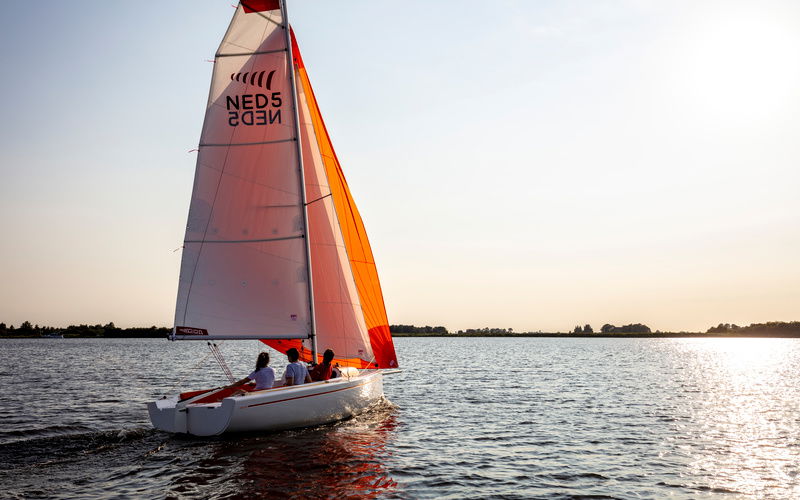

Images have been gathered from various sources and belong to their respective owners.
Review - Aira Boats 22 MatchRacer

MarineBroker
02/03/2024, 6:55 AM
2018 Aira Boats 22 MatchRacer: What to Know Before Buying, Racing, or Refitting
If you’ve been looking into the 2018 Aira Boats 22 MatchRacer, you’re probably after a boat that feels quick, responsive, and built for serious fun on the water. That’s exactly why this model gets attention: it sits in a sweet spot for sailors who want performance without jumping straight into a much larger, more expensive racing platform.
But here’s the catch. Boats like the 2018 Aira Boats 22 MatchRacer can be incredibly rewarding, yet they also come with a few common challenges. Buyers often wonder whether it’s the right fit for their sailing style, how it handles in different conditions, what maintenance it needs, and whether it’s practical for regular use versus niche racing. Those are fair questions, especially if you want to avoid ending up with a boat that looks exciting on paper but doesn’t match your real-world needs.
The good news is that most of these concerns can be solved with the right approach. If you understand the boat’s strengths, limitations, and setup priorities, you can make a much better decision and get more out of the MatchRacer experience. Let’s break it down in a way that’s actually useful.
- What the 2018 Aira Boats 22 MatchRacer is designed for
The 2018 Aira Boats 22 MatchRacer is built around performance sailing, with an emphasis on agility, speed, and close-quarters maneuvering. Boats in this category are usually designed to feel lively under sail, respond quickly to steering input, and reward crews who enjoy active sailing rather than relaxed cruising.
For many buyers, the main appeal is simple: it offers a race-oriented experience in a compact package. That makes it attractive for sailors who want to sharpen their skills, participate in club racing, or enjoy a boat that feels more “alive” than a typical day sailor.
In practical terms, this kind of boat is best suited for people who:
- Want a performance-driven sailing experience
- Sail on lakes, coastal waters, or protected racing venues
- Enjoy tuning and optimizing sail trim
- Don’t mind a more hands-on style of boating
- Are comfortable with a boat that rewards technique
If you’re coming from a cruising background, the MatchRacer can feel like a big step up in responsiveness. That’s a good thing if you want excitement, but it also means setup and handling matter more than they do on a casual family sailboat.
- The most common problem: performance boats need the right setup
One of the biggest issues people run into with a boat like the 2018 Aira Boats 22 MatchRacer is expecting it to perform well without proper tuning. Performance sailboats are less forgiving than heavier cruisers. If the rig, sails, foils, or weight distribution are off, the boat can feel twitchy, slow, or harder to control than expected.
That doesn’t mean the boat is flawed. It just means performance depends heavily on preparation.
Common setup-related problems include:
- Poor sail trim leading to sluggish speed
- Incorrect rig tension affecting balance and pointing ability
- Uneven weight placement reducing stability
- Worn control lines or hardware causing inconsistent handling
- Underpowered or tired sails that no longer hold their shape
A lot of frustration comes from buying a performance boat and expecting it to “just work” like a standard recreational model. The solution is not necessarily expensive, but it does require attention to detail.
- How to tell if the 2018 Aira Boats 22 MatchRacer fits your needs
Before buying or investing time into refitting one, it helps to ask a few honest questions. The right boat is not just about specs; it’s about whether it matches how you actually sail.
Consider these points:
- Do you plan to race regularly or mostly sail for fun?
- Are you comfortable with active trim and frequent adjustments?
- Will you sail with a crew, or mostly solo?
- Is your sailing area known for lighter winds, stronger winds, or mixed conditions?
- Do you want a boat that is easygoing, or one that teaches you more advanced sailing skills?
If your answer leans toward performance, learning, and hands-on sailing, the 2018 Aira Boats 22 MatchRacer makes a lot of sense. If you want low-maintenance comfort and relaxed outings, you may find it more demanding than you want.
A good rule of thumb: performance boats are happiest with owners who enjoy the process, not just the destination.
- 2018 Aira Boats 22 MatchRacer: key strengths that matter on the water
A boat like this earns attention for good reasons. Even without focusing on sales language, there are clear benefits that make it appealing to the right sailor.
Some of the biggest strengths include:
- Quick acceleration: Performance boats often respond fast when the breeze picks up.
- Sharp handling: The boat can feel precise and engaging at the helm.
- Racing potential: It’s built for competitive sailing environments.
- Efficient learning platform: Because it reacts clearly to trim and steering, it can help sailors improve faster.
- Compact size: Easier to trailer, store, and manage than larger race boats.
This kind of boat can be especially rewarding in club racing or one-design style sailing, where consistency and technique matter. If you like the idea of learning how small adjustments affect speed and balance, this is exactly the sort of platform that makes those lessons obvious.
- The trade-offs: what owners should watch out for
Every performance boat has trade-offs, and the 2018 Aira Boats 22 MatchRacer is no exception. The problem usually isn’t that the boat is hard to love. It’s that it asks more from the owner and crew.
Here are some common trade-offs to keep in mind:
- Less forgiving than a cruiser: Mistakes in trim or balance show up quickly.
- More maintenance-sensitive: Hardware, rigging, and sails need regular attention.
- Crew coordination matters: Some sailing tasks are easier with a coordinated team.
- Storage and transport planning: Even smaller performance boats need proper handling.
- Resale depends on condition: A well-kept boat holds value better than one with neglected gear.
If you’re evaluating a used one, these trade-offs should guide your inspection. A boat that looks clean on the outside may still need rigging updates, sail replacement, or deck hardware service. Those costs can add up quickly if you don’t spot them early.
- What to inspect before buying a used 2018 Aira Boats 22 MatchRacer
If you’re shopping for a used model, the best solution to avoiding buyer’s regret is a careful inspection. Performance boats can hide issues that don’t always show up in a quick walkaround.
Focus on these areas:
- Hull condition: Look for cracks, stress marks, repairs, or soft spots.
- Keel or appendage alignment: Any damage here can affect performance dramatically.
- Standing rigging: Check for corrosion, wear, or age-related fatigue.
- Running rigging: Lines should be functional, not stiff, frayed, or sun-damaged.
- Sails: Inspect for stretching, mildew, tears, and loss of shape.
- Hardware: Winches, blocks, cleats, and tracks should operate smoothly.
- Deck fittings: Look for leaks, loose mounts, or signs of water intrusion.
If possible, arrange a survey or have an experienced sailor inspect the boat with you. On a performance craft, a small hidden issue can become a big performance problem later.
- How to improve performance without overcomplicating things
A lot of owners think they need major upgrades to get the best from a boat like the 2018 Aira Boats 22 MatchRacer. Sometimes that’s true, but often the biggest gains come from simple, smart changes.
Here’s where to start:
1. Keep sails in good shape
A tired sail plan can make a fast boat feel slow. If the sails have lost shape, you’ll notice it in pointing ability, acceleration, and balance.
2. Fine-tune rig tension
Proper rig tuning helps the boat sail more efficiently and stay balanced in different wind ranges.
3. Check weight placement
Small changes in crew position can make a big difference, especially in lighter air or when sailing upwind.
4. Reduce friction in control systems
Smooth-running lines and blocks make adjustments easier and more accurate.
5. Learn one change at a time
Don’t overhaul everything at once. Make a single adjustment, test it, and note the result.
This is one of the best parts of owning a performance boat: improvement is measurable. When you make the right change, you usually feel it right away.
- Matching the boat to your sailing conditions
Another common problem is buying a boat that’s great in one kind of water but less ideal in another. The 2018 Aira Boats 22 MatchRacer is best evaluated against your local conditions.
Think about the following:
- Light-air venues: You’ll want clean sails, minimal drag, and careful balance.
- Gusty inland lakes: Quick handling and responsive trim become more important.
- Coastal sailing: You’ll need confidence in changing wind and chop.
- Club racing courses: Acceleration out of turns and efficient tacking matter a lot.
If your sailing area is known for variable conditions, the boat’s responsiveness can be a real advantage. But if you mostly sail in a relaxed setting and don’t plan to tune often, you may not get the full benefit of a race-oriented design.
The practical solution is to match the boat to your actual environment, not just to how it looks in a listing.
- Maintenance habits that keep a MatchRacer performing well
Performance boats last longer and sail better when they’re maintained consistently. The good news is that a solid routine doesn’t have to be complicated.
A smart maintenance checklist includes:
- Rinsing hardware and fittings after use
- Inspecting rigging regularly for wear
- Storing sails dry and out of direct sunlight
- Checking fasteners and mounts for loosening
- Watching for gelcoat or hull damage after trailering or docking
- Replacing worn lines before they fail under load
The biggest mistake owners make is waiting until something breaks. With a boat like the 2018 Aira Boats 22 MatchRacer, preventative care is usually cheaper and easier than emergency repairs.
Even simple habits, like noting how the boat felt during each sail, can help you catch small problems before they grow.
- Who will get the most out of the 2018 Aira Boats 22 MatchRacer
This boat is not for everyone, and that’s okay. It’s best for sailors who enjoy being involved in the process and who appreciate performance as much as comfort.
It’s a strong fit for:
- Club racers who want a responsive platform
- Experienced sailors looking to sharpen technique
- Enthusiasts who enjoy tuning and optimization
- Owners with access to regular maintenance support
- Sailors who prefer a lively, athletic feel on the water
It may be less ideal for:
- First-time boat owners who want simplicity above all else
- Families wanting a casual day cruiser
- Buyers who don’t want to maintain performance gear
- Sailors who rarely adjust sails or rigging
That doesn’t make it a niche boat in a bad way. It just means the best experience comes when the owner’s goals line up with the boat’s design.
- Smart buying tips if you’re considering one now
If you’re actively looking at a 2018 Aira Boats 22 MatchRacer, a few practical steps can save you time and money.
Use this checklist:
- Compare several examples before deciding
- Ask for maintenance records and upgrade history
- Inspect sails, rigging, and hardware carefully
- Take the boat for a test sail if possible
- Budget for immediate updates if needed
- Verify trailer, storage, and transport logistics
- Ask about how the boat has been used: racing, training, or mixed sailing
A well-kept performance boat can be a great buy. A neglected one can quickly turn into a project. The difference usually comes down to condition, not just model year.
- Final thoughts on getting the best from this boat
The 2018 Aira Boats 22 MatchRacer is the kind of boat that rewards sailors who like precision, speed, and active handling. Its biggest strengths show up when it’s properly maintained and tuned, and that’s also where most of the common problems are solved: by paying attention to setup, condition, and sailing style.
If you’re considering one, focus on how it fits your real-world needs rather than just the idea of a fast boat. When matched with the right owner and the right conditions, it can be a very satisfying platform. A careful inspection, regular maintenance, and a willingness to tune will go a long way toward making the most of it.
If you want to keep learning, it’s worth exploring more about performance sail trim, used boat inspections, and race boat maintenance before making your next move.
Specifications
General
Boat Type: Sail Boats
Class Type: Daysailer
Specifications
Length: 21.33
Beam: 7.22
Draft: 3.28
Hull Material: GRP
Build
First Built: 2018
Propulsion
Fuel Type: Diesel
Engines: 1
Power: 0 HP
Brand: Unknown
Accomodation
PROS & CONS
What we appreciated
 Lightweight and fast hull design ideal for competitive sailingHigh-quality construction with durable materialsResponsive handling and excellent maneuverabilitySpacious cockpit suitable for racing crewModern rigging and sail controls for performance tuning
What we didn’t appreciate
 Limited comfort features for cruising or leisure sailingSmaller size may restrict extended trips or overnight staysLess suitable for beginners due to performance-oriented designMinimal storage space for gear and provisionsHigher maintenance demands typical of racing boats
Upkeep Costs
Fuel: Approximately $500 - $1,000 per year depending on usage
Insurance: $300 - $700 per year
Maintenance and Repairs: $1,000 - $2,000 per year
Storage and Mooring: $500 - $2,000 per year depending on location
Registration and Licensing: $50 - $150 per year

Rating
6.1
User
Score
Score
Driveability
Technology
Interior
Design
Similar Boats


MarineBroker
Download now for an immersive boat experience like never before! ⛵✨ Your journey begins with a simple click. 🌊📲
#SetSailSmart #DownloadNow
#SetSailSmart #DownloadNow

Subscribe
Copyright 2017 - 2026, Marinebroker.net, All Rights Reserved