2007 B-Yachts 38: What to Look For, Common Issues, and How to Buy with Confidence
If you’re researching the 2007 B-Yachts 38, chances are you’re trying to answer a very practical question: is this boat still a smart buy today? Th...
Discover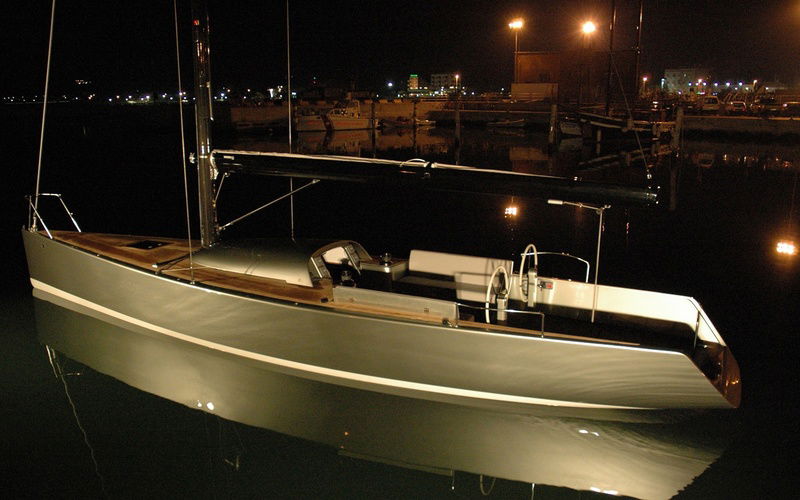

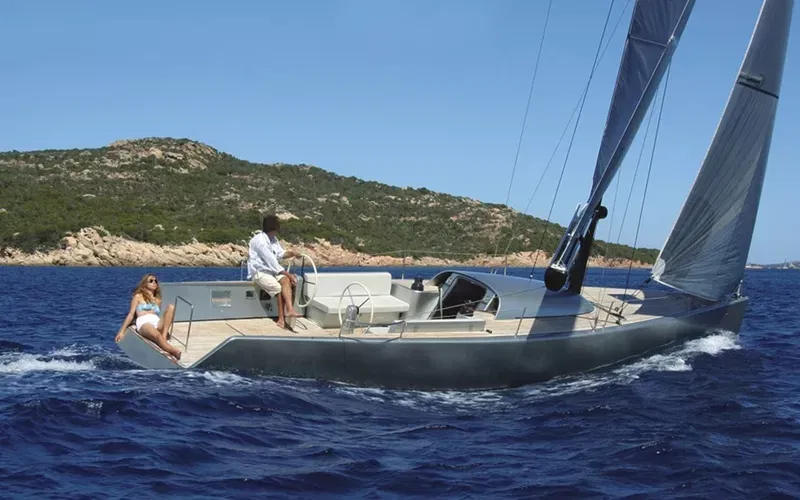
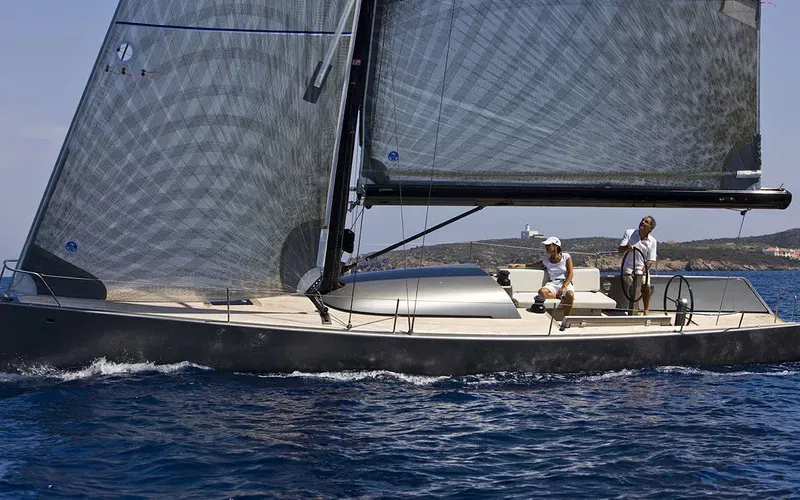
Images have been gathered from various sources and belong to their respective owners.
Review - B-Yachts 38

MarineBroker
07/05/2024, 10:15 AM
2007 B-Yachts 38: What to Look For, Common Issues, and How to Buy with Confidence
If you’re researching the 2007 B-Yachts 38, chances are you’re trying to answer a very practical question: is this boat still a smart buy today? That’s a fair concern. A 38-foot yacht from 2007 can offer a great balance of comfort, performance, and value, but age, maintenance history, and hidden wear can make the difference between a great ownership experience and an expensive surprise.
The tricky part is that boats don’t age like cars. Even a well-built model can develop issues if it has seen heavy use, poor storage, or inconsistent upkeep. On the other hand, a carefully maintained 2007 B-Yachts 38 can still be a very capable and enjoyable cruiser. The key is knowing what to inspect, what problems are common for boats in this range, and how to judge whether the vessel has been properly cared for.
In this guide, we’ll walk through the main things buyers and owners should know, from inspection points to maintenance priorities, so you can make a more confident decision without getting lost in the jargon.
- What Makes the 2007 B-Yachts 38 Worth a Closer Look
The 2007 B-Yachts 38 sits in a sweet spot for many boaters. At around 38 feet, it’s large enough to offer real cruising comfort, yet still manageable for owners who want something more hands-on than a much larger yacht.
For people comparing used boats, this size and vintage often appeal because:
- It can deliver a good mix of cabin space and handling.
- It may be more affordable than newer yachts in the same size class.
- It often comes with features that make weekend cruising or extended trips more realistic.
- It can be a practical step up for owners moving from smaller boats.
That said, buyers should remember that “good value” only holds if the boat has been maintained properly. A used yacht is really a bundle of systems: hull, engine, electrical, plumbing, rigging, deck gear, and interior components. If one or two of those systems have been neglected, the cost can rise quickly.
- The Main Problem Buyers Face with a 2007 B-Yachts 38
The biggest challenge is not usually the design itself. It’s figuring out the real condition of the boat behind the listing photos.
A boat like the 2007 B-Yachts 38 may look polished online, but the real issues often hide in places buyers don’t immediately notice:
- Moisture intrusion around deck fittings
- Aging hoses, seals, and through-hulls
- Engine hours and service history gaps
- Electrical corrosion from marine environments
- Worn sails, canvas, or upholstery
- Osmosis or blistering on older fiberglass hulls, depending on use and upkeep
For many buyers, the problem is uncertainty. They know the boat is appealing, but they don’t know whether the asking price reflects a well-kept yacht or one that needs major work.
The solution is straightforward, though not always simple: inspect the boat systematically, verify records, and focus on the systems that are most expensive to repair later.
- How to Evaluate the 2007 B-Yachts 38 Before You Buy
A smart evaluation starts with the basics. You don’t need to be a marine surveyor to spot warning signs, but you do need to be methodical.
Look at the boat in layers:
1. Cosmetic condition
2. Structural condition
3. Mechanical systems
4. Electrical systems
5. Plumbing and interior systems
6. Maintenance documentation
Each layer tells part of the story.
If the boat looks clean but the maintenance records are thin, that’s a sign to slow down. If the records are strong but the boat has visible water intrusion or corrosion, that’s another warning. The best-case scenario is a boat that looks cared for and has paperwork to prove it.
- Hull and Deck Inspection Tips for the 2007 B-Yachts 38
The hull and deck are where many hidden issues begin. On a used yacht, you want to check not just for obvious damage but also for signs of long-term stress.
Pay attention to:
- Stress cracks around high-load areas
- Soft spots on the deck
- Discoloration or bubbling in the gelcoat
- Signs of previous repairs
- Water intrusion around hatches, cleats, stanchions, and rail bases
A simple tap test can sometimes reveal delamination or moisture-related problems, but a proper survey is much better. If you press on the deck and it feels spongy, that’s a red flag. Water getting into core material can become a costly repair if ignored.
Also check the keel area, rudder, and transom carefully. These are high-stress zones where wear or impact damage may show up first.
- Engine and Mechanical Systems: The Heart of the Boat
For any used cruiser, mechanical condition matters as much as appearance. The 2007 B-Yachts 38 may have one or more propulsion setups depending on configuration, but the same principles apply either way.
You want to know:
- How many engine hours are on the boat
- Whether regular oil and filter changes were documented
- If the cooling system has been serviced
- Whether belts, impellers, and hoses were replaced on schedule
- If there are signs of leaks, smoke, or unusual vibration
Engine hours alone do not tell the full story. A well-maintained engine with higher hours can be a better buy than a low-hour engine that sat unused for long periods. In marine environments, inactivity can be just as damaging as heavy use.
When sea trialing the boat, watch for:
- Smooth starting
- Stable idle
- No overheating
- Clean acceleration
- Normal exhaust color
- No unusual engine noise
If the boat has twin engines, compare both carefully. Uneven performance can point to service imbalance or hidden wear.
- Electrical Systems: One of the Most Common Trouble Areas
Electrical issues are among the most frustrating problems on older boats because they can be intermittent and hard to trace. On a 2007 model, wiring and connectors may still be functional, but corrosion is always a concern.
Inspect:
- Battery age and condition
- Charging system performance
- Shore power connections
- Panel labels and circuit organization
- Corrosion at terminals and bus bars
- Operation of lights, pumps, fans, and electronics
A messy electrical system is often a sign of piecemeal repairs. That doesn’t automatically mean the boat is bad, but it does mean you should budget time and money for cleanup or upgrades.
If the boat has updated electronics, ask who installed them and whether the wiring was done professionally. Improperly installed electronics can create problems that are hard to diagnose later.
- Plumbing, Tanks, and Interior Comfort
The interior of the 2007 B-Yachts 38 can tell you a lot about how the boat has been used. A clean cabin is nice, but what matters more is whether the systems behind the walls and under the floors are in good shape.
Check:
- Freshwater pump operation
- Water heater function
- Head and holding tank condition
- Bilge dryness and odor
- Sink and shower drainage
- Evidence of leaks under cushions or around windows
A persistent musty smell is usually a clue, not just an annoyance. It may signal hidden leaks, poor ventilation, or long-term moisture trapped in the structure.
If the boat is equipped for longer cruising, inspect storage areas and tank capacity as well. Comfort at anchor depends on whether the practical systems work consistently, not just whether the salon looks attractive.
- Rigging, Sails, and Deck Hardware
If the 2007 B-Yachts 38 you’re considering is a sailing yacht, rigging and sail condition deserve serious attention. These are safety-critical systems, and they age even when the boat is not actively used.
Look for:
- Frayed standing or running rigging
- Corrosion on turnbuckles and fittings
- Stiff or UV-damaged sails
- Worn winches or clutches
- Loose deck hardware
- Signs of mast step or chainplate issues
Standing rigging in particular should be treated with caution if there is no clear replacement history. Even if it looks fine from a distance, metal fatigue and internal corrosion can be hard to spot.
Sails can also be expensive to replace, so inspect for:
- Tears
- Stretching
- Broken stitching
- UV damage
- Faded or brittle fabric
If you plan to cruise often, tired sails can affect handling and performance more than many buyers expect.
- Sea Trial: Where the Real Truth Shows Up
A sea trial is one of the most useful parts of evaluating a used yacht. It’s the moment when everything either works together or starts revealing weaknesses.
On the water, test:
- Steering response
- Acceleration and cruising behavior
- Engine temperature stability
- Noise and vibration levels
- Autopilot, if fitted
- Electronics and navigation systems
- Docking behavior in close quarters
Try to run the boat in different conditions if possible. A calm-water test is helpful, but even moderate chop can reveal how the hull handles, whether rattles appear, and whether the boat feels solid.
If you notice the boat pulling to one side, taking on water, or producing odd noises, don’t ignore it. Those are the kinds of symptoms that often lead to bigger repair bills.
- Maintenance Records: The Best Shortcut to Confidence
One of the easiest ways to judge a used boat is through its paperwork. A well-documented 2007 B-Yachts 38 usually inspires more confidence than a similar boat with no records at all.
Look for:
- Annual service logs
- Engine maintenance receipts
- Haul-out and bottom paint history
- Rigging replacement records
- Battery replacement dates
- Upgrades to electronics or safety gear
- Survey reports from previous sales or insurance renewals
Good records suggest an owner who paid attention. They also help you estimate future costs. If major items were recently replaced, that may reduce your near-term spending. If nothing has been documented for years, you should assume catch-up maintenance will be needed.
- Common Buyer Mistakes to Avoid
A lot of used-boat regret comes from rushing the process. That’s especially true with a model like the 2007 B-Yachts 38, where the right boat can be a great find, but the wrong one can become a project.
Avoid these mistakes:
- Skipping a professional survey
- Assuming a clean interior means good mechanical condition
- Ignoring maintenance records
- Overlooking moisture or soft spots
- Buying based only on price
- Forgetting to budget for immediate post-purchase work
It’s easy to focus on the asking price and forget the total cost of ownership. Survey fees, haul-out, repairs, insurance, slip fees, and upgrades can add up fast.
A slightly more expensive boat with strong records may actually be the cheaper choice in the long run.
- Practical Buying Strategy for the 2007 B-Yachts 38
If you want a simple approach, use this checklist:
1. Review the listing carefully and compare it with similar boats.
2. Ask for maintenance records before visiting.
3. Inspect the boat in person, focusing on moisture, corrosion, and wear.
4. Schedule a professional survey.
5. Complete a sea trial.
6. Estimate immediate repair and upgrade costs.
7. Negotiate based on findings, not emotion.
That last point matters more than people think. Boats are emotional purchases, but the numbers still need to make sense.
If a survey finds deferred maintenance, use that information to renegotiate. If the seller can document recent service and major component replacement, that can support the asking price.
- Is the 2007 B-Yachts 38 a Good Fit for You?
This boat can make a lot of sense for buyers who want a capable mid-size yacht and are willing to do proper due diligence. The 2007 B-Yachts 38 may be a strong option if you value comfort, manageable size, and the potential for good used-market value.
It’s especially appealing if you:
- Want a boat that’s large enough for cruising but not overwhelming
- Prefer a used vessel with established features and proven design
- Are comfortable reviewing maintenance history and inspection reports
- Want to balance purchase price with ongoing upkeep
It may be less suitable if you want a completely turnkey experience with no maintenance surprises. Even a well-kept used yacht will need attention. The goal is not to find a boat with zero issues. The goal is to find one where the issues are known, manageable, and priced appropriately.
- Smart Ownership Tips After Purchase
Once you own the boat, the best way to protect your investment is to stay ahead of problems.
A few good habits go a long way:
- Create a seasonal maintenance schedule
- Keep a digital log of repairs and service
- Inspect bilges, hoses, and fittings regularly
- Flush and service systems after use
- Address small leaks immediately
- Recheck safety gear before every season
Boats reward consistency. A little preventive care now can save you from major repairs later.
If you buy a 2007 B-Yachts 38, think of the first year as your baseline year. That’s when you learn what was truly maintained well and what still needs attention. Once the boat is sorted, ownership usually becomes much more enjoyable.
- Final Thoughts on the 2007 B-Yachts 38
The 2007 B-Yachts 38 can be a very appealing used yacht, but the real key is condition, not just model name or age. The smartest buyers focus on inspection, records, and sea trial performance rather than relying on first impressions alone.
If you approach the purchase carefully, you can avoid many of the common pitfalls that catch buyers off guard. Look closely at the hull, engine, electrical systems, rigging, and maintenance history, then use that information to decide whether the boat is truly a fit. With the right checks in place, you’ll have a much clearer picture of whether this yacht is a solid opportunity or one to pass on.
If you’re comparing similar boats, keep researching and use a professional surveyor whenever possible. That extra step often pays for itself in peace of mind.
Specifications
General
Boat Type: Sail Boats
Class Type: Daysailer
Specifications
Length: 38.25
Beam: 9.02
Draft: 7.38
Hull Material: GRP
Build
First Built: 2007
Propulsion
Fuel Type: Diesel
Engines: 1
Power: 0 HP
Brand: unknown
Accomodation
Berths: 4
Cabins: 1
Bathrooms: 1
PROS & CONS
What we appreciated
 High-quality build with strong attention to craftsmanshipElegant and timeless design combining performance and comfortSpacious and well-appointed interior suitable for cruisingGood sailing performance, especially upwindRobust construction with durable materials ensuring longevity
What we didn’t appreciate
 Older model, so some systems may require updating or maintenanceLimited availability of parts due to limited production numbersRelatively heavy, which can affect light wind performanceInterior layout might feel dated compared to modern designsHigher purchase and maintenance costs compared to similar-sized production boats
Upkeep Costs
Insurance: $800 - $1,200 per year
Docking/Marina Fees: $1,000 - $3,000 per year
Maintenance and Repairs: $1,500 - $3,000 per year
Winter Storage: $500 - $1,500 per year
Fuel: $200 - $600 per year (varies with usage)

Rating
7.1
User
Score
Score
Driveability
Technology
Interior
Design
Similar Boats


MarineBroker
Download now for an immersive boat experience like never before! ⛵✨ Your journey begins with a simple click. 🌊📲
#SetSailSmart #DownloadNow
#SetSailSmart #DownloadNow

Subscribe
Copyright 2017 - 2026, Marinebroker.net, All Rights Reserved