Boat Database » Balance Catamarans 526
Balance Catamarans 526
Sail Drive, Diesel, 1x 0 HP
Sail Boats 2013 Balance Catamarans 526: What Buyers Should Know Before You Choose One
If you’re looking at a 2013 Balance Catamarans 526, chances are you already know it’s not your average cruising catamaran. This is the kind of boat that g...
Discover
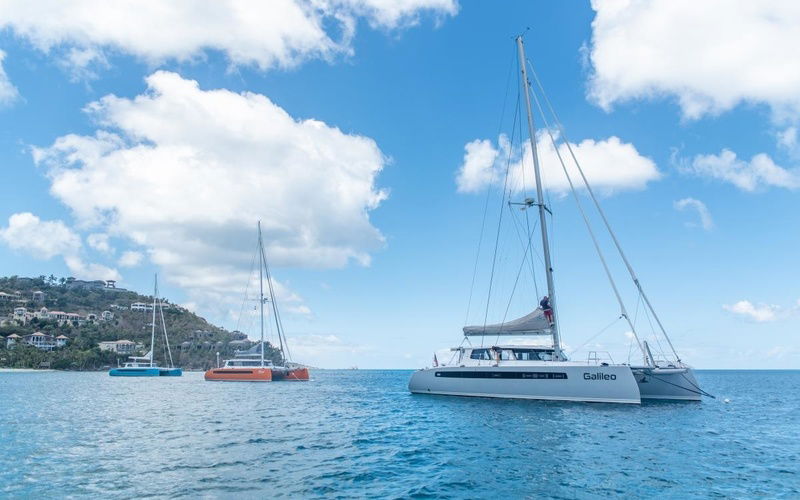
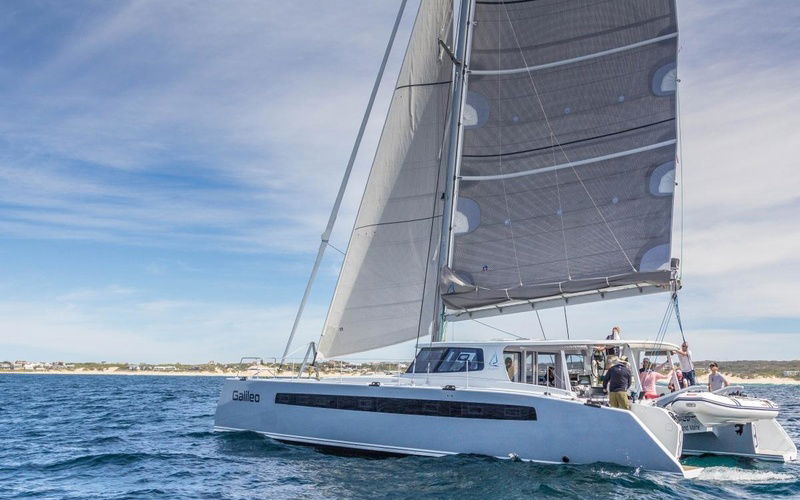
Images have been gathered from various sources and belong to their respective owners.
Review - Balance Catamarans 526

MarineBroker
07/11/2024, 11:46 PM
2013 Balance Catamarans 526: What Buyers Should Know Before You Choose One
If you’re looking at a 2013 Balance Catamarans 526, chances are you already know it’s not your average cruising catamaran. This is the kind of boat that gets attention for its speed, performance, and offshore capability, but that also means buyers need to look a little deeper than they would with a typical family cruiser. The real challenge isn’t just deciding whether the 526 looks good on paper. It’s figuring out whether it fits your sailing style, your maintenance expectations, and your plans for coastal or bluewater use.
That’s where a lot of buyers get stuck. A performance catamaran can be incredibly rewarding, but only if you understand what to inspect, what to expect, and what trade-offs come with the design. The good news is that with the right approach, you can evaluate a 2013 Balance Catamarans 526 with confidence. In this article, we’ll walk through the key features, common buyer concerns, what to check before making a decision, and how to tell whether this boat is the right match for your sailing goals.
- What Makes the 2013 Balance Catamarans 526 Stand Out
The 2013 Balance Catamarans 526 belongs to a class of boats designed for sailors who want performance without giving up too much livability. Balance Catamarans built its reputation around lightweight construction, efficient hull shapes, and a sailing style that feels more agile than many cruising cats.
At 52 feet, the 526 offers a serious amount of space, but the design focus is still on speed and handling. That matters because boats like this are often compared to heavier cruising catamarans that prioritize comfort over performance. If you’re shopping for one, you’re probably looking for a boat that can cover miles quickly, sail well in a range of conditions, and still be manageable with a small crew.
Some of the main reasons people are drawn to this model include:
- Strong performance under sail
- Good balance between cruising comfort and speed
- Modern multihull layout
- Offshore-capable design
- Reputation for thoughtful engineering
For many sailors, the appeal is simple: a boat that feels alive on the water. But with that appeal comes a practical question—how do you make sure the boat is a good fit for your actual needs?
- The Main Problem Buyers Face: Performance Meets Real-World Ownership
The biggest issue people run into with a 2013 Balance Catamarans 526 is not whether it sails well. It’s whether they’re ready for the realities of owning a performance catamaran.
A fast, lightweight boat can be more demanding than a heavier cruising model. It may require more attention to loading, rigging, sail trim, and maintenance. If the boat has been pushed hard, or if it has seen a lot of offshore miles, wear can show up in places that are easy to miss during a quick walkthrough.
That creates a common buyer problem:
- The boat looks impressive
- The specs sound great
- The listing photos are attractive
- But hidden issues may affect value, safety, and long-term enjoyment
So the real solution is not just admiring the design. It’s learning how to evaluate the boat like an experienced owner would.
- How to Know Whether the 2013 Balance Catamarans 526 Fits Your Sailing Style
Before you get deep into inspections and surveys, it helps to ask one simple question: what do you want this boat to do?
A 2013 Balance Catamarans 526 makes the most sense if you want:
- Fast passagemaking
- Efficient coastal cruising
- Offshore capability
- A responsive helm
- A boat that rewards good seamanship
It may be less ideal if you want:
- Maximum interior volume at all costs
- The softest possible motion at anchor
- A very low-maintenance, minimal-attention platform
- A boat mainly used as a floating condo
That doesn’t mean the 526 is uncomfortable or impractical. It means the boat is designed with a specific philosophy. If you’re aligned with that philosophy, you’ll probably love it. If not, you may end up disappointed even if the boat is in great condition.
A useful way to think about it is this: some catamarans are built to be homes that sail. The Balance 526 is more like a sailing machine that still lives well.
- Key Features to Pay Attention to on a 2013 Balance Catamarans 526
When evaluating this model, focus on the features that matter most for performance and long-term ownership.
- Hull and Construction
Lightweight construction is part of what gives the 526 its sailing edge. That also means buyers should pay close attention to any signs of impact damage, repairs, or structural stress.
Look for:
- Evidence of grounding or collision
- Osmosis or blistering, if applicable
- Repairs around high-load areas
- Delamination or soft spots
- Condition of daggerboards or centerboards, if fitted
A clean-looking hull is great, but a proper survey is even better.
- Rig and Sail Plan
Performance cats depend heavily on rig condition. A worn rig can turn a great boat into an expensive project.
Inspect:
- Standing rigging age and service history
- Mast condition
- Chainplates and attachment points
- Sail inventory and condition
- Winches, blocks, and running rigging
If the sails are old or the rigging is nearing replacement age, factor that into your budget right away.
- Engines and Mechanical Systems
On a catamaran this size, the engines matter a lot more than many first-time buyers realize. They’re not just for docking. They’re critical for redundancy and safety.
Check:
- Engine hours
- Service records
- Cooling system condition
- Fuel tank cleanliness
- Shaft, saildrive, or prop condition
- Generator and electrical support systems
A boat with good sailing performance but neglected engines can become frustrating fast.
- Electrical and House Systems
The 2013 model year is modern enough to include decent onboard systems, but age and use still matter.
Review:
- Battery bank condition
- Solar or charging setup
- Inverter and charger performance
- Navigation electronics
- Autopilot reliability
- Wiring cleanliness and labeling
Electrical issues are common on cruising boats because owners often add equipment over time. Messy wiring doesn’t always mean disaster, but it does mean more troubleshooting later.
- Interior Layout and Livability
The interior of a catamaran is a big part of the ownership experience. On the 526, the layout should support both passagemaking and comfortable time aboard.
Think about:
- Galley usability underway
- Storage for provisions and gear
- Cabin ventilation
- Head and shower layout
- Visibility from the saloon
- Ease of movement between spaces
If you plan to cruise for extended periods, livability matters almost as much as sailing performance.
- The Smart Way to Inspect a 2013 Balance Catamarans 526 Before Buying
A boat like this deserves a careful inspection process. The goal is to avoid surprises after closing.
- Step 1: Review the History
Start with the basics.
Ask for:
- Ownership history
- Maintenance records
- Refits or upgrades
- Survey reports
- Accident or damage history
- Where the boat has been sailed
A boat that spent time in harsh sun, heavy seas, or neglected marinas may need more attention than one with a well-documented cruising history.
- Step 2: Hire a Surveyor Who Understands Performance Cats
Not every marine surveyor is equally experienced with multihulls or performance cruisers. You want someone who understands catamaran structure, rigging loads, and the specific quirks of a lightweight design.
A good survey should examine:
- Structural integrity
- Moisture intrusion
- Rig condition
- Mechanical systems
- Safety equipment
- Sea trial behavior
This is one area where paying for expertise can save you a lot of money.
- Step 3: Sea Trial the Boat
A dockside inspection is not enough. A sea trial helps reveal how the boat actually behaves.
Pay attention to:
- Acceleration and speed under sail
- Helm balance
- Noise and vibration
- Engine performance
- Steering response
- Ease of sail handling
If possible, sail in a range of conditions. A catamaran that feels great in flat water should still behave predictably when the wind picks up.
- Step 4: Estimate the Real Cost of Ownership
The purchase price is only part of the story. For a 2013 Balance Catamarans 526, think about the ongoing costs too.
Budget for:
- Annual maintenance
- Insurance
- Dockage or mooring
- Sail replacement
- Rigging replacement
- Electronics upgrades
- Bottom work
- Unexpected repairs
A performance cruising cat can be very rewarding, but it’s best enjoyed by owners who budget realistically.
- Common Issues to Watch for on Older Performance Catamarans
While every boat is different, there are a few issues that often show up on performance-oriented multihulls of this age.
- Aging Rigging
Standing rigging doesn’t last forever. If replacement dates are unclear, assume you may need to renew it sooner rather than later.
- Water Intrusion
Look carefully around deck fittings, hatches, and hardware mounts. Water intrusion can lead to hidden structural problems.
- Wear from High-Speed Sailing
Fast boats are often sailed hard. That’s not a bad thing, but it means stress points deserve extra attention.
- Outdated Electronics
A 2013 boat may still have functioning electronics, but navigation and communication systems may be due for updates.
- Cosmetic Neglect
Sometimes a boat looks fine from a distance but needs detailing, upholstery work, or minor refit items to feel truly ready.
The key is not to panic. It’s to identify what’s normal aging and what signals a bigger issue.
- Why the 2013 Balance Catamarans 526 Appeals to Experienced Sailors
This model tends to attract sailors who know what they want. It’s not just about comfort; it’s about how a boat performs when conditions change.
Experienced sailors often appreciate:
- Better sailing angles
- Faster passage times
- More responsive handling
- Efficient use of sail area
- A platform that feels purposeful
If you’ve spent time on heavier cruising cats, the difference can be striking. The 526 often feels more energetic and engaged, which many sailors love. That said, it also asks the owner to be more involved. Trim, weight distribution, and maintenance all matter.
That’s why this boat can be such a good match for sailors who enjoy the process, not just the destination.
- Practical Tips for Buyers Comparing the 2013 Balance Catamarans 526 to Other Cats
If you’re comparing this boat to other 50-plus-foot catamarans, keep your comparison grounded in real use, not just brochure numbers.
- Compare sailing performance, not just length
- Check displacement and load sensitivity
- Look at maintenance history, not just age
- Evaluate layout based on how you cruise
- Think about resale appeal in your region
- Consider access to service support and parts
A boat that looks slightly less glamorous on paper may actually be the better long-term choice if it’s better maintained and better suited to your plans.
- Who Should Seriously Consider This Boat
The 2013 Balance Catamarans 526 is a strong candidate for buyers who:
- Want a performance cruiser with offshore potential
- Value efficient sailing and easy passage-making
- Are comfortable with active boat ownership
- Plan to cruise with a small crew or partner
- Appreciate a boat that feels responsive and capable
It may also appeal to sailors moving up from smaller multihulls who want a serious step up in capability without going into a full luxury-only category.
If that sounds like you, the boat deserves a close look.
- Who Might Want to Think Twice
This model may not be the best fit if you:
- Want the most spacious interior possible
- Prefer a very low-maintenance platform
- Don’t want to manage performance sail handling
- Plan to use the boat mainly at anchor
- Are not prepared for higher ownership costs
That’s not a criticism of the boat. It’s just a reminder that every design has a purpose. The best purchase is the one that matches your actual lifestyle.
- Final Buying Checklist for the 2013 Balance Catamarans 526
Before you make an offer, run through this quick checklist:
- Verify maintenance records
- Review rigging age and condition
- Inspect hulls, deck, and structural areas
- Check engine hours and service history
- Test electronics and autopilot
- Sea trial under sail and power
- Confirm inventory and included gear
- Estimate near-term upgrade costs
- Review insurance and survey requirements
If the boat checks most of these boxes, you’re in a much stronger position.
A 2013 Balance Catamarans 526 can be an excellent choice for sailors who want performance, capability, and a rewarding ownership experience. The key is to look past the excitement of the listing and focus on condition, history, and fit. When you do that, you’re much more likely to end up with a boat that delivers real enjoyment instead of unexpected headaches.
If you’re still comparing options, take your time, ask detailed questions, and lean on a qualified surveyor. A careful approach now can make all the difference later.
Specifications
General
Boat Type: Sail Boats
Class Type: Daysailer
Specifications
Length: 52.49
Beam: 27.1
Draft: 7.22
Hull Material: GRP
Build
First Built: 2013
Propulsion
Fuel Type: Diesel
Engines: 1
Power: 0 HP
Brand: Unknown
Accomodation
Berths: 6
Cabins: 3
PROS & CONS
What we appreciated
 Spacious and stable platform due to catamaran designHigh-quality construction with attention to detailEfficient sailing performance with good speed potentialComfortable living spaces suitable for extended cruisingGood resale value in the used catamaran market
What we didn’t appreciate
 Higher initial cost compared to monohulls of similar sizeLimited availability of parts due to boutique builderRequires experienced handling, especially in tight marinasMay have limited charter options compared to more common brandsMaintenance can be more complex due to twin hull systems
Upkeep Costs
Insurance: $1,500 - $3,000 per year
Docking/Marina Fees: $3,000 - $8,000 per year
Maintenance and Repairs: $5,000 - $10,000 per year
Fuel: $1,000 - $3,000 per year (dependent on usage)
Storage and Winterization: $1,000 - $2,500 per year
Rating
8.1
User
Score
Score
Driveability
Technology
Interior
Design
Similar Boats


MarineBroker
Download now for an immersive boat experience like never before! ⛵✨ Your journey begins with a simple click. 🌊📲
#SetSailSmart #DownloadNow
#SetSailSmart #DownloadNow

Subscribe
Copyright 2017 - 2026, Marinebroker.net, All Rights Reserved