2009 B-Yachts 52: What to Look For Before You Buy, Cruise, or Refurbish
If you’re researching the 2009 B-Yachts 52, you’re probably already past the “just browsing” stage. Maybe you’ve found one for sale, maybe you’re comparing i...
Discover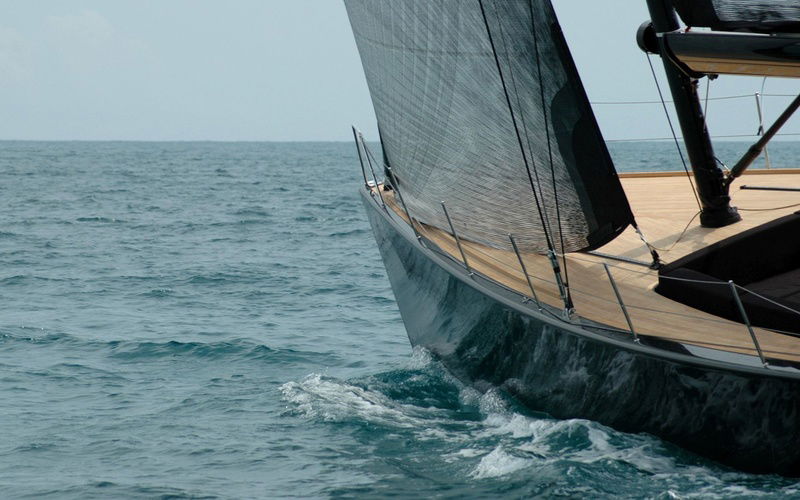

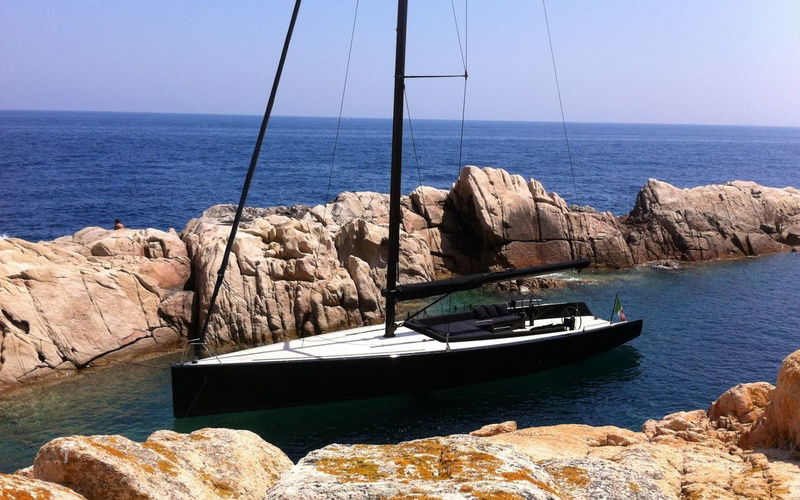

Images have been gathered from various sources and belong to their respective owners.
Review - B-Yachts 52

MarineBroker
07/05/2024, 10:32 AM
2009 B-Yachts 52: What to Look For Before You Buy, Cruise, or Refurbish
If you’re researching the 2009 B-Yachts 52, you’re probably already past the “just browsing” stage. Maybe you’ve found one for sale, maybe you’re comparing it to similar cruising yachts, or maybe you’re trying to figure out whether this boat is the right fit for the kind of sailing you actually want to do. Either way, the real challenge usually isn’t finding information—it’s sorting through it.
Older performance-cruising yachts can be fantastic boats, but they also come with questions that matter: How well has the boat been maintained? What systems should be checked first? Are there common issues to watch for on a 2009 model? And does the layout, handling, and onboard setup match your plans for coastal cruising, liveaboard use, or longer passages?
That’s where a practical approach helps. Instead of focusing only on specs or glossy listings, it’s smarter to look at the boat the way an experienced buyer or owner would: structure, rig, systems, condition, and intended use. In this article, we’ll break down the key things to know about the 2009 B-Yachts 52 and how to evaluate whether it’s a good match for your needs.
- What Makes the 2009 B-Yachts 52 Worth Looking At
The 2009 B-Yachts 52 sits in an interesting part of the sailing market. It’s the kind of yacht that appeals to sailors who want a blend of performance, comfort, and ocean-capable design without moving into the ultra-large category.
For many buyers, that balance is the main attraction. A 52-foot yacht offers enough space for extended cruising and guests, but it’s still manageable compared with larger luxury cruisers. If you’re comfortable handling a boat of this size—or plan to sail with crew—the 2009 B-Yachts 52 can offer a lot of versatility.
What often draws people in is the combination of:
- A strong cruising platform
- A layout suitable for longer stays aboard
- Enough size for offshore capability
- A design that may still feel responsive under sail
That said, the age of the boat means condition matters more than brochure claims. A well-kept 2009 yacht can be a great value. A neglected one can become expensive fast.
- The Main Problem Buyers Face With the 2009 B-Yachts 52
The biggest issue isn’t usually the model itself. It’s knowing whether a specific boat has been maintained properly over the years.
With a 2009 yacht, you’re looking at a vessel that may have gone through multiple owners, refits, upgrades, and varying levels of care. That creates a common problem: two boats of the same model can feel completely different on inspection day.
Typical buyer concerns include:
- Hidden wear in the rigging or deck structure
- Aging electronics or outdated navigation gear
- Engine and generator service history
- Moisture intrusion around fittings, hatches, or chainplates
- Interior condition versus true mechanical condition
- Whether the boat has been used lightly, heavily, or inconsistently
This is why many buyers feel unsure. A clean interior can hide serious maintenance issues, while a less polished yacht may actually be mechanically stronger. The solution is not to guess—it’s to inspect the boat systematically.
- 2009 B-Yachts 52: Key Areas to Inspect First
Before getting too excited about the layout or appearance, focus on the systems that most often determine the real value of a used yacht.
- Hull and Deck Condition
Start with the basics: look for signs of stress, cracks, repairs, or soft spots. Pay close attention around:
- Chainplates
- Winches
- Stanchion bases
- Hatches
- Deck hardware
- Keel area
On a yacht of this age, you want to know whether the deck has remained dry and structurally sound. Water intrusion can lead to expensive repairs if ignored.
- Rigging and Sail Plan
Standing rigging doesn’t last forever. If the rigging is original or near-original, replacement may be due even if it looks fine at first glance.
Check:
- Shrouds and stays
- Turnbuckles and terminals
- Mast step and mast base condition
- Signs of corrosion or fatigue
- Sail inventory and sail age
If the boat is meant for offshore sailing, this is one area where cutting corners is rarely worth it.
- Engine and Mechanical Systems
The propulsion system often tells you a lot about how the boat has been treated overall.
Ask for:
- Service logs
- Oil change intervals
- Cooling system history
- Impeller replacement records
- Fuel tank cleaning history
- Transmission service details
A reliable engine can make a huge difference on a 52-foot yacht, especially when maneuvering in tight marinas or dealing with changing weather.
- Electrical and Navigation Equipment
By 2009 standards, some systems may now feel outdated. That doesn’t automatically make the boat a bad buy, but it does affect budget.
Check:
- Battery age and capacity
- Shore power setup
- Charger/inverter condition
- Wiring quality
- Chartplotter and instruments
- Autopilot performance
- Radar and communication gear
If the electronics are old, plan for upgrades rather than treating them as bonus value.
- Interior and Plumbing
The interior should be evaluated for more than comfort. Look for leaks, odors, mold, and signs of long-term moisture.
Inspect:
- Bilges
- Head systems
- Freshwater plumbing
- Water heater
- Holding tanks
- Galley appliances
- Upholstery and woodwork
A boat can look beautiful inside and still have plumbing issues that become a headache later.
- How to Judge Whether the 2009 B-Yachts 52 Fits Your Sailing Style
A yacht can be technically sound and still be the wrong boat for your goals. That’s why usage matters as much as condition.
- If You Want Coastal Cruising
For weekend trips and seasonal cruising, the 2009 B-Yachts 52 may offer more boat than you strictly need—but that can be a good thing if you value space and comfort.
You’ll want to think about:
- Docking ease
- Fuel and maintenance costs
- Crew requirements
- Marina berth size
- Storage and provisioning space
If your cruising is mostly short-range, the boat may feel luxurious and capable, though not necessarily the simplest option.
- If You Want Offshore Capability
For longer passages, the key question is whether the boat has been equipped and maintained for bluewater use.
Look for:
- Strong rigging and deck hardware
- Safe storage and secure lockers
- Reliable autopilot
- Redundant navigation tools
- Proper safety gear
- Good tankage and battery capacity
The boat’s design may suit offshore cruising, but the real test is how it has been prepared.
- If You’re Considering Liveaboard Use
A 52-foot yacht can work very well as a liveaboard, but only if the layout and systems support daily life.
Think about:
- Ventilation
- Storage
- Bed comfort
- Shower and head layout
- Noise levels
- Power usage
- Water capacity
- Ease of cleaning and upkeep
Liveaboard buyers often discover that “nice at the dock” and “easy to live on” are not always the same thing.
- Common Issues to Watch for on a 2009 Yacht
Even a well-built yacht from 2009 will have age-related concerns. That doesn’t mean trouble is guaranteed—it just means you should inspect with a clear checklist.
- Aging Seals and Gaskets
Hatches, ports, windows, and deck fittings can begin leaking over time. Small leaks often create larger interior damage if left unresolved.
- Outdated Electronics
Navigation systems from 2009 may still work, but software support, screen clarity, and integration can be limited compared with modern gear.
- Wear in High-Use Hardware
Winches, clutches, traveler systems, and furling gear can wear out gradually. These parts may function poorly before they fail completely.
- Corrosion and Fatigue
Metal fittings, especially in marine environments, deserve close inspection. Corrosion around fasteners or deck hardware should never be ignored.
- Deferred Maintenance
This is the most important one. A boat that has missed routine service often hides multiple smaller issues that add up quickly.
- The Best Way to Evaluate a Used 2009 B-Yachts 52
If you’re seriously considering one, the smartest move is to inspect it in stages rather than making a snap judgment.
- Review the Paperwork First
Before stepping aboard, ask for:
- Ownership history
- Maintenance records
- Engine service logs
- Rigging replacement dates
- Survey reports
- Repair invoices
- Equipment manuals
Good paperwork often tells you more than a polished listing ever will.
- Hire a Surveyor Who Knows Sailboats
A marine survey is not just a formality. For a yacht of this size and age, it’s one of the best investments you can make.
A good surveyor will help identify:
- Structural concerns
- Moisture issues
- Safety problems
- Mechanical wear
- Equipment deficiencies
If the boat is intended for offshore use, consider an additional rigging or engine specialist review.
- Sea Trial the Boat Properly
A dockside inspection is only part of the story. A sea trial helps you learn how the boat actually behaves.
Pay attention to:
- Engine startup and temperature
- Steering response
- Sail handling
- Autopilot performance
- Vibration or unusual noise
- Docking behavior
- Heel characteristics under sail
A yacht can look fine at the dock and still reveal problems once underway.
- Budgeting Beyond the Purchase Price
One of the most common mistakes buyers make is focusing only on the asking price. With a used yacht like the 2009 B-Yachts 52, the real cost includes what you’ll need to spend after closing.
Budget for:
- Survey and haul-out
- Insurance
- Registration and taxes
- Rigging replacement if needed
- Bottom paint and antifouling
- Electronics upgrades
- Safety gear
- Upholstery or cosmetic refresh
- Routine annual maintenance
A good rule of thumb is to keep a reserve fund for unexpected repairs. On a 52-foot yacht, surprises can be costly.
- Practical Upgrades That Often Make Sense
If you end up buying the boat, the best upgrades are usually the ones that improve reliability, safety, and ease of use.
Common smart upgrades include:
- New batteries or lithium conversion, if appropriate
- Modern chartplotter and instruments
- Updated autopilot
- LED lighting
- Fresh standing rigging if age is uncertain
- Improved ventilation
- Better anchoring setup
- Solar or charging improvements
- Safety equipment refresh
These upgrades don’t just add comfort. They can reduce stress and improve the boat’s usability right away.
- Why the 2009 B-Yachts 52 Can Still Be a Smart Choice
A well-maintained 2009 yacht can still deliver a lot of value. Boats like the 2009 B-Yachts 52 often offer a strong combination of size, comfort, and sailing ability that newer boats may only provide at a much higher price.
The key is not assuming age equals weakness. In many cases, a carefully maintained older yacht can be more trustworthy than a newer one that has been underused or poorly stored.
What makes this model potentially appealing is the ability to enjoy:
- A proven cruising platform
- Enough space for real comfort
- A capable sailing experience
- The opportunity to buy at a more practical price point than a brand-new yacht
That said, the boat’s value depends heavily on condition, service history, and how it has been used.
- Questions to Ask the Seller Before You Decide
Before making an offer, ask direct questions. A serious seller should be able to answer clearly.
Useful questions include:
1. When were the standing rigging and sails last replaced?
2. How often has the engine been serviced?
3. Has the boat had any groundings or collisions?
4. Are there any known leaks or structural repairs?
5. What electronics are original, and what has been upgraded?
6. Has the boat been stored in the water or on the hard?
7. Are service records available for all major systems?
8. What work will be needed in the next 12 months?
These questions help you separate a well-cared-for yacht from one that just looks good in photos.
- Final Thoughts for Buyers and Enthusiasts
The 2009 B-Yachts 52 can be a very appealing yacht for the right buyer, but the real decision comes down to condition, maintenance, and intended use. If you approach it with a clear checklist and realistic budget, you’ll be in a much better position to judge whether it’s a smart purchase.
Focus on the fundamentals: structure, rigging, engine, electrical systems, and maintenance history. If those areas check out, you may be looking at a boat that still has plenty to offer for cruising, liveaboard comfort, or longer sailing adventures. Take your time, ask the right questions, and let the boat’s real condition guide your decision—not just the listing photos.
If you’re exploring this model further, keep digging into maintenance records, survey guidance, and practical ownership costs. That’s usually where the most useful answers are.
Specifications
General
Boat Type: Sail Boats
Class Type: Daysailer
Specifications
Length: 51.94
Beam: 12.27
Draft: 10.4
Hull Material: GRP
Build
First Built: 2009
Propulsion
Fuel Type: Diesel
Engines: 1
Power: 0 HP
Brand: unknown
Accomodation
Berths: 4
Cabins: 2
Bathrooms: 2
PROS & CONS
What we appreciated
 Elegant and timeless design by B-YachtsHigh-quality construction with robust materialsSpacious and comfortable interior layoutGood sailing performance, balanced and responsiveWell-equipped with modern navigation and safety gear
What we didn’t appreciate
 Older model, may require updates to electronics and systemsMaintenance and upkeep can be costly due to premium buildLimited availability of specific spare partsHeavier displacement, which can affect speed in light windsInterior design may feel slightly dated compared to newer models
Upkeep Costs
Fuel: Approximately $3,000 - $6,000 per year depending on usage
Maintenance and Repairs: $5,000 - $10,000 per year
Insurance: $1,500 - $3,000 per year
Mooring/Storage Fees: $2,000 - $8,000 per year depending on location
Annual Survey and Registration: $500 - $1,000
Rating
7.3
User
Score
Score
Driveability
Technology
Interior
Design
Similar Boats


MarineBroker
Download now for an immersive boat experience like never before! ⛵✨ Your journey begins with a simple click. 🌊📲
#SetSailSmart #DownloadNow
#SetSailSmart #DownloadNow

Subscribe
Copyright 2017 - 2026, Marinebroker.net, All Rights Reserved