Boat Database » Alumacraft Competitor 185 CS
Alumacraft Competitor 185 CS
Outboard four-stroke, Unleaded, 1x 115 HP
Power Boats 2015 Alumacraft Competitor 185 CS: What to Check Before You Buy and How to Get the Best Out of It
If you’re looking at a 2015 Alumacraft Competitor 185 CS, you’re probably already interested in a boat that can do a little bit of ...
Discover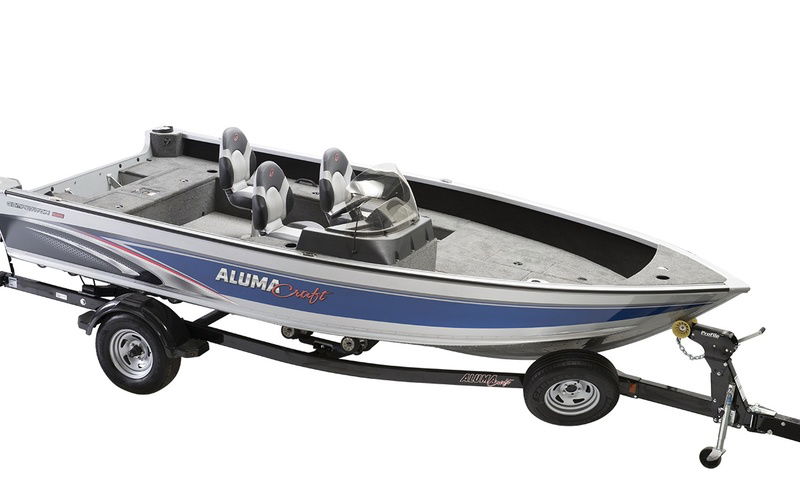


Images have been gathered from various sources and belong to their respective owners.
Review - Alumacraft Competitor 185 CS

MarineBroker
02/23/2024, 6:38 AM
2015 Alumacraft Competitor 185 CS: What to Check Before You Buy and How to Get the Best Out of It
If you’re looking at a 2015 Alumacraft Competitor 185 CS, you’re probably already interested in a boat that can do a little bit of everything. It’s the kind of rig that appeals to anglers and family boaters alike: roomy enough to be practical, stable enough to feel confident on the water, and versatile enough for fishing trips, cruising, and weekend use.
But here’s the real challenge most buyers run into: a used boat can look great in photos and still hide expensive problems underneath. With a model like the 2015 Alumacraft Competitor 185 CS, the biggest question is usually not whether it’s a good boat in general, but whether a specific boat has been maintained well enough to be worth the price. That means knowing what to inspect, what issues are common on used aluminum boats, and how to judge whether the boat will actually fit your needs.
The good news? With the right checklist and a few smart buying habits, you can avoid costly mistakes and end up with a boat that delivers years of reliable use. Let’s break it down in a simple, practical way.
- Why the 2015 Alumacraft Competitor 185 CS Still Gets Attention
The 2015 Alumacraft Competitor 185 CS remains popular because it sits in a sweet spot for many buyers. It offers a practical layout, decent storage, and the kind of versatility that works well for inland lakes, rivers, and moderate fishing conditions.
For many people, that mix is exactly what they want. They don’t need a huge tournament boat or a tiny utility rig. They want something manageable, stable, and comfortable for two to four people, with enough space for gear and enough confidence to handle a variety of outings.
That said, used boats are always about condition, not just model name. Two identical boats can feel completely different depending on how they were stored, used, and serviced.
- The Main Problem Buyers Face With Used Boats
The biggest issue with shopping for a used 2015 Alumacraft Competitor 185 CS is uncertainty.
A boat may appear clean on the surface, but hidden wear can show up in places buyers often overlook:
- Corrosion around fittings and hardware
- Weak batteries or outdated electrical components
- Damaged livewell or pump systems
- Worn trailer parts
- Engine hours that don’t match the seller’s story
- Signs of poor storage, such as mildew or sun damage
Used boats can also come with “project creep.” What looks like a fair purchase can turn into a long list of repairs once you start using it regularly. That’s why the smartest approach is to evaluate the boat like a system, not just a hull.
- What Makes the 2015 Alumacraft Competitor 185 CS Worth Considering
Before getting into inspection tips, it helps to understand why this model gets attention in the first place.
The 2015 Alumacraft Competitor 185 CS is known for being a practical aluminum fishing platform with crossover appeal. Buyers often like it because it can serve multiple roles without feeling overly specialized.
Here are a few reasons it stands out:
- Aluminum construction is generally lighter and easier to tow than many fiberglass boats
- The layout is typically designed with fishing functionality in mind
- It can be easier to launch and retrieve for solo owners or smaller trucks
- It often offers a good balance of space and manageability
For buyers who want a boat that can handle casual fishing trips and family outings without becoming a maintenance burden, that kind of versatility matters.
- How to Inspect a 2015 Alumacraft Competitor 185 CS the Smart Way
A used boat inspection should always start with the basics and move toward the details. If you rush straight to cosmetics, you may miss the issues that cost the most.
- Check the Hull Carefully
With an aluminum boat, the hull is one of the most important things to inspect.
Look for:
- Dents or major impacts
- Cracks around welds or stress points
- Corrosion, especially near rivets, seams, and hardware
- Evidence of patch repairs
- Uneven wear on the bottom of the hull
Small cosmetic marks are normal on a used boat. What you want to avoid are signs of structural damage or repairs that suggest the boat was hit hard or stored poorly.
If possible, inspect the boat out of the water and on a trailer so you can see the full hull.
- Test the Deck and Flooring
Walk every accessible area of the deck.
You’re listening and feeling for:
- Soft spots
- Flexing underfoot
- Loose panels
- Water intrusion
- Rotten or weakened flooring materials
Even aluminum boats can develop deck issues if water gets trapped in the wrong places. If the floor feels spongy or unstable, that’s a warning sign worth taking seriously.
- Review the Console and Controls
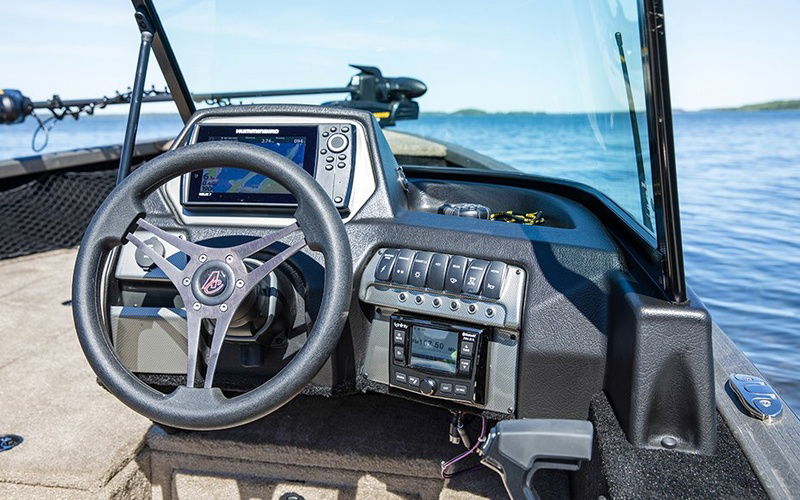
Since this model includes a side console layout, the helm area matters a lot.
Check:
- Steering smoothness
- Throttle and shift response
- Gauge function
- Switches and wiring condition
- Visibility from the helm
- Seat comfort and mounting stability
A clean console is nice, but the real goal is to make sure the controls work properly and feel solid. Electrical issues in a boat can be annoying to trace later, so it’s better to catch them early.
- Inspect the Engine Thoroughly
The engine is often the most expensive part of the package, so don’t treat it like an afterthought.
Ask for:
- Service records
- Engine hours
- Winterization history
- Maintenance intervals
- Any repair invoices
Then do a hands-on check:
- Look for corrosion on the lower unit
- Check for oil leaks
- Start the engine if possible
- Listen for rough idling or unusual noises
- Confirm it shifts smoothly into gear
If the seller hesitates to provide records, be cautious. A well-maintained motor should usually come with some kind of paper trail.
- Don’t Ignore the Trailer
Many buyers focus on the boat and forget the trailer, but a bad trailer can quickly turn a good deal into a headache.
Check:
- Tire condition and date codes
- Wheel bearings
- Lights and wiring
- Winch function
- Bunks or rollers
- Frame rust or corrosion
- Tongue jack and coupler condition
If the trailer is worn out, you may be looking at immediate replacement costs. That can change the value of the whole package fast.
- Common Issues to Watch for on a Used 2015 Alumacraft Competitor 185 CS
Every used boat has its own history, but certain issues show up often enough to deserve attention.
- Electrical Problems
Battery systems, wiring, and accessory circuits can degrade over time, especially if the boat has been stored outside or modified by multiple owners.
Watch for:
- Dead accessories
- Corroded terminals
- Loose connections
- Non-functioning navigation lights
- Weak livewell pumps or bilge pumps
Electrical fixes can be simple, but they can also become frustrating if the wiring has been altered poorly.
- Water Intrusion
Even a well-built aluminum boat can develop water entry points over time.
Signs include:
- Damp storage compartments
- Mildew smell
- Rusted hardware
- Water pooling in the bilge
- Stains around seams or fittings
Water intrusion often points to aging seals, damaged fittings, or poor storage habits.
- Upholstery and Interior Wear
Seats, cushions, and trim may not seem critical at first, but they affect comfort and resale value.
Check for:
- Sun cracking
- Torn vinyl
- Loose seat mounts
- Mold or mildew
- Faded or brittle materials
These issues may not stop the boat from working, but they do affect how enjoyable it is to use.
- Prop and Lower Unit Damage
If the boat has been used in shallow water, the prop and lower unit deserve a close look.
Inspect for:
- Dings or bends in the prop
- Fishing line wrapped around the shaft
- Leaks in the lower unit
- Grinding or vibration during operation
A damaged prop can reduce performance and fuel efficiency. Lower unit repairs can be much more expensive.
- How to Decide If the Price Is Fair
Price is where many buyers get stuck. A boat may seem affordable until you add in repairs, trailer work, registration, and accessories.
A fair price depends on:
- Engine condition and hours
- Trailer quality
- Overall cosmetic wear
- Service records
- Included electronics or accessories
- Local market demand
A clean, well-maintained 2015 Alumacraft Competitor 185 CS with a strong engine and solid trailer can be a very different value than one that needs work.
A simple rule: estimate the cost of every known repair before you make an offer. Then add a little extra for surprises. If the numbers still make sense, you’re in better shape.
- Practical Buying Tips That Save Money
If you want to avoid regret, keep these habits in mind when shopping for a used boat.
- Always inspect in daylight
- Ask to see the boat running on the water if possible
- Bring a flashlight and a notepad
- Don’t skip the trailer inspection
- Request maintenance records
- Compare several listings before deciding
- Be cautious of rushed sales or vague answers
A seller who is transparent usually makes the process much easier. If the story keeps changing, that’s a sign to slow down.
- Getting the Best Out of the 2015 Alumacraft Competitor 185 CS After Purchase
Once you’ve bought the boat, a little routine care goes a long way. Even a good used boat needs consistent attention to stay reliable.
- Flush and service the engine on schedule
- Keep batteries charged and terminals clean
- Rinse the boat after use, especially in dirty or brackish water
- Check the trailer bearings and tires regularly
- Store the boat under cover when possible
- Inspect wiring and pumps at the start of each season
These habits help prevent the small issues that often become expensive later.
- Helpful Upgrades That Improve Ownership
You don’t need to overhaul the boat to make it better. A few smart upgrades can improve safety, convenience, and comfort.
Consider:
- A modern fish finder or GPS unit
- Upgraded battery setup
- New bilge or livewell pumps if the originals are aging
- Better seating if the existing upholstery is worn
- LED trailer lights
- Quality rod holders or storage accessories
The key is to upgrade based on actual use, not just because something looks old. Practical improvements usually deliver the best value.
- Who the 2015 Alumacraft Competitor 185 CS Fits Best
This boat tends to make the most sense for buyers who want a versatile, manageable aluminum boat for:
- Weekend fishing
- Family lake days
- General recreation
- Inland water use
- Easy towing and launching
It’s especially appealing if you want something that feels less intimidating than a larger rig but still offers enough space and utility to be useful.
If your boating style is mostly casual and practical, this model can be a strong match. If you need a large tournament setup or offshore capability, you’ll likely want something different.
- Final Thoughts Before You Buy
The 2015 Alumacraft Competitor 185 CS can be a smart choice for buyers who want a versatile, easy-to-handle boat with solid everyday use potential. The biggest key is not just finding the model, but finding one that has been cared for properly.
Focus on the hull, engine, trailer, and electrical system before getting distracted by cosmetics. Ask for records, take your time, and compare the real condition against the asking price. That approach helps you avoid expensive surprises and gives you a much better chance of ending up with a boat you’ll actually enjoy.
If you’re still researching, it’s worth comparing listings, maintenance histories, and local market prices before making a final decision. A little homework now can save a lot of money later.
Specifications
General
Boat Type: Power Boats
Class Type: Freshwater Fishing
Specifications
Length: 18.7
Beam: 7.87
Draft: 0.98
Hull Material: Aluminium
Build
First Built: 2015
Propulsion
Fuel Type: Unleaded
Engines: 1
Power: 115 HP
Brand: Mercury
Accomodation
PROS & CONS
What we appreciated
 Durable aluminum construction for longevity and low maintenanceSpacious cockpit suitable for fishing and recreational activitiesGood stability and handling in various water conditionsAmple storage compartments for gear and equipmentReliable performance with efficient fuel consumption
What we didn’t appreciate
 Basic interior finish compared to fiberglass boatsLimited seating capacity for larger groupsNo built-in livewell or advanced fishing electronics in base modelMay require upgrades for enhanced comfort and featuresSmaller size limits offshore capabilities
Upkeep Costs
Fuel: Approximately $1,200 - $1,800 per year depending on usage
Maintenance and Repairs: Around $500 - $1,000 annually
Insurance: Typically $300 - $600 per year
Storage: $500 - $1,500 per year depending on location and type
Registration and Licensing: $50 - $150 per year
Rating
6.8
User
Score
Score
Driveability
Technology
Interior
Design
Similar Boats


MarineBroker
Download now for an immersive boat experience like never before! ⛵✨ Your journey begins with a simple click. 🌊📲
#SetSailSmart #DownloadNow
#SetSailSmart #DownloadNow

Subscribe
Copyright 2017 - 2026, Marinebroker.net, All Rights Reserved