Boat Database » Alumacraft Competitor 185 Sport
Alumacraft Competitor 185 Sport
Outboard four-stroke, Unleaded, 1x 115 HP
Power Boats 2014 Alumacraft Competitor 185 Sport: What Buyers Should Know Before You Hit the Water
If you’ve been looking at the 2014 Alumacraft Competitor 185 Sport, you’re probably trying to answer a pretty common question: is this boat st...
Discover

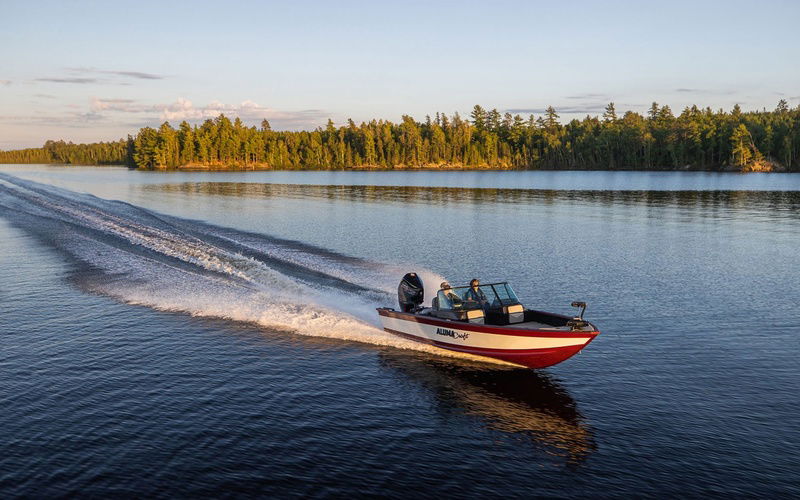

Images have been gathered from various sources and belong to their respective owners.
Review - Alumacraft Competitor 185 Sport

MarineBroker
02/23/2024, 6:35 AM
2014 Alumacraft Competitor 185 Sport: What Buyers Should Know Before You Hit the Water
If you’ve been looking at the 2014 Alumacraft Competitor 185 Sport, you’re probably trying to answer a pretty common question: is this boat still a smart buy today? That’s a fair concern. A boat from 2014 can still have a lot of life left in it, but only if you know what to look for before you commit.
For many shoppers, the challenge isn’t just finding a boat in decent shape. It’s figuring out whether the layout fits their fishing style, whether the hull has been cared for, and whether the overall setup will still feel practical years after it left the showroom. A boat like the 2014 Alumacraft Competitor 185 Sport can be a great option for anglers and weekend boaters, but only if you evaluate it the right way.
The good news is that you don’t need to be a marine mechanic to make a smart decision. With a little guidance, you can spot the strengths, avoid the common mistakes, and understand whether this model fits your needs. Let’s break it down in a simple, useful way.
- Why the 2014 Alumacraft Competitor 185 Sport Still Gets Attention
The 2014 Alumacraft Competitor 185 Sport remains interesting because it sits in that sweet spot between a practical fishing boat and a versatile family-friendly rig. It’s not trying to be a luxury yacht, and that’s part of the appeal.
Boaters often look at this model because it offers:
- A manageable size for trailering and storage
- A layout that works for fishing and casual cruising
- Alumacraft’s reputation for durable aluminum construction
- A design that feels straightforward rather than overly complicated
For buyers in the used market, simplicity can be a big advantage. Fewer unnecessary bells and whistles often mean fewer systems to maintain. That makes the 2014 Alumacraft Competitor 185 Sport appealing to people who want more time on the water and less time dealing with repairs.
- The Main Problem Buyers Face With Used Boats Like This
The biggest issue with buying a used boat is uncertainty. Photos can make a boat look great, but they don’t tell you how the flooring feels, whether the transom is solid, or if the engine has been serviced correctly.
With a model like the 2014 Alumacraft Competitor 185 Sport, the problem usually comes down to one of these concerns:
- Hidden wear from years of use
- Poor maintenance history
- Outdated electronics or accessories
- Cosmetic damage that hints at bigger issues
- A layout that seems good on paper but doesn’t match your needs
That’s why the solution is not just “find a clean-looking boat.” The real solution is to inspect the boat in the right order, ask the right questions, and judge the whole package instead of focusing on one shiny feature.
- What Makes the 2014 Alumacraft Competitor 185 Sport a Solid Platform
The Competitor 185 Sport is built around practicality. It’s the kind of boat many owners choose because it can handle a range of freshwater activities without feeling too large or too limited.
A few things make it worth considering:
- Aluminum construction: Aluminum boats are popular because they’re lighter than many fiberglass alternatives and generally easier to tow.
- Fishing-friendly layout: The deck space and seating arrangement usually support casting, moving around, and storing gear without feeling cramped.
- Versatility: It can work well for fishing, cruising, and general family outings.
- Lower ownership stress: Compared with larger, more complex boats, this type of rig is often easier to maintain.
That said, “solid platform” doesn’t mean “buy without checking.” Even a durable boat can have issues if it’s been neglected.
- How to Evaluate a 2014 Alumacraft Competitor 185 Sport the Smart Way
If you’re shopping for one, think of your inspection in layers. Start with the structure, then move to systems, then finish with comfort and usability.
- Check the hull and exterior first
Walk around the boat slowly and look for dents, deep scratches, repaired sections, or signs of impact. A few cosmetic marks are normal on a used aluminum boat, but anything that looks bent, patched, or uneven deserves a closer look.
Pay attention to:
- Rivets or welds that appear loose or damaged
- Hull deformation
- Corrosion around fasteners
- Signs of prior collision or rough trailering
A boat can look clean at first glance and still have hidden structural concerns. Don’t rush this part.
- Inspect the transom carefully
The transom is one of the most important areas on any used boat. It supports the engine, so weakness here can become a serious and expensive issue.
Check for:
- Soft spots
- Cracks
- Flexing when the engine is tilted or pushed
- Water intrusion near mounting points
If the transom feels questionable, that’s a red flag. A good transom should feel solid and stable.
- Look closely at the flooring and deck
The deck should feel firm underfoot. If you notice spongy areas, that can point to water damage or deteriorated wood beneath the surface.
On the 2014 Alumacraft Competitor 185 Sport, the deck is part of what makes the boat usable for fishing and day trips, so this isn’t a small detail. A weak floor can affect safety, comfort, and resale value.
- Review the engine and maintenance history
The engine is often the biggest factor in whether a used boat is a great deal or a headache. Ask for service records if possible.
You want to know:
- When the last oil change or service was done
- Whether the engine starts easily
- If it idles smoothly
- Whether it shifts properly
- If there are any warning lights or alarms
If you can, test the boat on the water. A dockside start is helpful, but a real run tells you much more.
- Check electronics, wiring, and accessories
Older boats often come with electronics that may still work fine, but they could be outdated. Fish finders, trolling motors, batteries, and pumps should all be tested.
Look for:
- Clean wiring
- No exposed or corroded connections
- Fully functioning lights
- Reliable bilge pump operation
- Battery condition and charging performance
Electrical issues are common in used boats, but many are manageable if caught early.
- Why the Layout Matters More Than People Think
A lot of buyers focus on engine size or brand name, but layout can make or break your day on the water. The 2014 Alumacraft Competitor 185 Sport is attractive because it’s designed to be practical, but you still need to decide whether that practical setup matches how you actually boat.
Ask yourself:
- Do you fish alone, with one partner, or with a family?
- Do you need open casting space?
- Will you use the boat for cruising more than fishing?
- Do you need lots of storage, or do you travel light?
A boat can be technically “good” and still be wrong for your lifestyle. The best used boat is the one that fits your real routine, not your imagined one.
- Common Mistakes Buyers Make With the 2014 Alumacraft Competitor 185 Sport
A used boat purchase can go sideways fast if you skip the basics. These are the mistakes that tend to cost people the most:
- Buying based on appearance alone
- Ignoring maintenance records
- Not testing the boat on the water
- Assuming aluminum means “maintenance-free”
- Overlooking trailer condition
- Forgetting to check registration and title documents
That last one is easy to miss, but it matters. Paperwork problems can delay your purchase or create legal headaches later.
- What to Ask the Seller Before You Buy
A good conversation with the seller can save you a lot of trouble. Keep it simple and direct.
Here are useful questions to ask:
1. How long have you owned the boat?
2. Where has it been stored, and was it covered?
3. How often was the engine serviced?
4. Has the boat ever been in an accident or hit submerged objects?
5. Are all accessories included and working?
6. Why are you selling it?
7. Are there any known issues?
You’re not trying to interrogate the seller. You’re trying to understand the boat’s history. Honest answers usually help you separate a well-kept boat from one that’s been patched together.
- How to Judge Whether It’s a Good Value
Value is more than just asking price. A cheaper boat can become expensive if it needs major repairs. A slightly higher-priced one may actually save you money if it’s better maintained.
When comparing the 2014 Alumacraft Competitor 185 Sport to others, think about:
- Engine hours and condition
- Trailer quality
- Electronics included
- Cosmetic and structural condition
- Storage history
- Recent maintenance or upgrades
If one boat includes a newer trolling motor, updated electronics, and a solid service record, it may be a better value than a cheaper boat with unknown history.
- Best Use Cases for This Boat
The 2014 Alumacraft Competitor 185 Sport tends to make the most sense for people who want a flexible boat without stepping into a huge rig.
It’s a good fit for:
- Freshwater anglers
- Weekend boaters
- Small families
- Buyers who want easier towing and storage
- People who prefer practical over flashy
If your main goal is bass fishing, panfish trips, or relaxed outings on lakes and rivers, this type of boat can be a very reasonable choice.
- Practical Ownership Tips After You Buy
Once you’ve found the right boat, a few habits will help keep it in good shape.
- Rinse and clean after each use, especially if the boat sees muddy or debris-heavy waters
- Check the trailer, tires, and lights regularly
- Keep batteries charged and inspected
- Store the boat covered when possible
- Service the engine on schedule
- Watch for loose hardware, leaks, or corrosion
A little routine care goes a long way with aluminum boats. Staying ahead of small problems helps you avoid bigger ones later.
- When the 2014 Alumacraft Competitor 185 Sport Is Probably Not the Right Choice
This model may not be ideal if you want a large offshore-style boat, a luxury interior, or a very high-end ride with lots of premium tech. It’s also not the best match if you need a boat that feels oversized and spacious for big groups.
You may want to keep looking if:
- You need more deck space than a 18.5-foot class boat can offer
- You want advanced integrated electronics already installed
- You’re after a more plush family cruiser
- You don’t want to inspect a used boat carefully
That doesn’t make the boat bad. It just means it’s important to match the boat to the job.
- A Simple Buying Strategy That Works
If you want the easiest way to approach a used 2014 Alumacraft Competitor 185 Sport, use this checklist:
- Inspect the hull, transom, and floor
- Review the engine and maintenance history
- Test all electronics and accessories
- Ask about storage, use, and repairs
- Compare the asking price to condition, not just model year
- Take a water test if possible
- Verify title and registration paperwork
This process helps you avoid emotional buying. It also gives you a clearer picture of whether the boat is a dependable option or a project in disguise.
- Why This Model Can Still Be a Smart Buy
A well-kept 2014 Alumacraft Competitor 185 Sport can still offer a lot of value because it combines a practical layout, manageable size, and durable aluminum construction. For the right buyer, that’s exactly what matters most.
The key is not expecting perfection. Instead, look for a boat with a clean structure, a healthy engine, and a setup that fits your fishing and boating habits. If those pieces line up, you could end up with a boat that delivers years of useful, enjoyable time on the water.
- Conclusion
The 2014 Alumacraft Competitor 185 Sport is worth a close look if you want a practical, versatile used boat with strong everyday appeal. The main challenge with any used boat is separating a good deal from a hidden problem, and the best solution is a careful inspection, honest seller questions, and a realistic match between the boat and your needs.
If you focus on condition, maintenance, and layout instead of just the year or the brand, you’ll make a much smarter choice. And if this model is on your shortlist, take your time, test everything you can, and compare it with a few other options before deciding. A little patience now can save you a lot of frustration later.
Specifications
General
Boat Type: Power Boats
Class Type: Freshwater Fishing
Specifications
Length: 18.7
Beam: 7.87
Draft: 1.97
Hull Material: Aluminium
Build
First Built: 2014
Propulsion
Fuel Type: Unleaded
Engines: 1
Power: 115 HP
Brand: Mercury
Accomodation
PROS & CONS
What we appreciated
 Durable aluminum hull providing long-lasting performance and resistance to corrosionSpacious 18.5-foot length suitable for fishing and recreational activitiesGood fuel efficiency due to lightweight designVersatile layout with ample storage compartments for gear and equipmentReliable performance with a smooth and stable ride in various water conditions
What we didn’t appreciate
 Limited seating capacity compared to larger boatsBasic interior finish with minimal luxury featuresNo built-in cabin or shelter, limiting use in poor weatherSmaller motor size options may limit speed for some usersOlder model year may lack latest technological advancements and electronics
Upkeep Costs
Fuel: Approximately $1,500 - $2,500 per year depending on usage
Maintenance: Around $500 - $1,000 annually for engine servicing, hull cleaning, and minor repairs
Insurance: Typically $300 - $700 per year depending on coverage and location
Storage: $500 - $1,200 per year for marina or dry storage
Registration and Taxes: $50 - $200 annually depending on state regulations
Rating
6.8
User
Score
Score
Driveability
Technology
Interior
Design
Similar Boats


MarineBroker
Download now for an immersive boat experience like never before! ⛵✨ Your journey begins with a simple click. 🌊📲
#SetSailSmart #DownloadNow
#SetSailSmart #DownloadNow

Subscribe
Copyright 2017 - 2026, Marinebroker.net, All Rights Reserved