2003 Alumacraft V14: A Practical Guide to Buying, Inspecting, and Getting the Most from a Small Aluminum Boat
If you’ve been looking at a 2003 Alumacraft V14, chances are you’re after a simple, lightweight boat that can handle fi...
Discover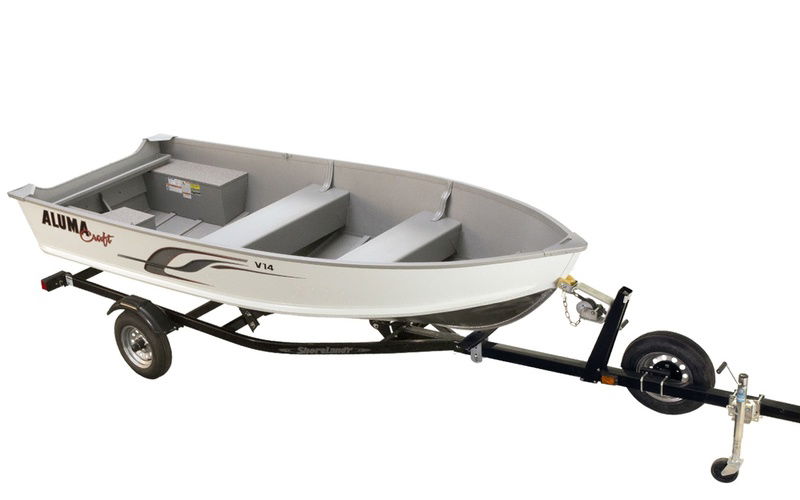


Images have been gathered from various sources and belong to their respective owners.
Review - Alumacraft V14

MarineBroker
03/04/2024, 5:52 AM
2003 Alumacraft V14: A Practical Guide to Buying, Inspecting, and Getting the Most from a Small Aluminum Boat
If you’ve been looking at a 2003 Alumacraft V14, chances are you’re after a simple, lightweight boat that can handle fishing, cruising, or just getting out on the water without a lot of fuss. That’s exactly why boats like this stay popular for so long. They’re easy to tow, easy to launch, and usually much more affordable than larger fiberglass rigs.
But there’s a catch: buying an older aluminum boat can feel a little tricky if you don’t know what to look for. A model like the 2003 Alumacraft V14 may still have plenty of life left, but only if it’s been cared for properly. Hidden leaks, worn transoms, patch jobs, and old wiring can turn a “good deal” into an expensive headache fast.
The good news is that most of those problems are easy to spot if you know where to check. In this article, we’ll walk through what makes the 2003 Alumacraft V14 appealing, the common issues to watch for, and the practical steps you can take to inspect, maintain, and use one with confidence.
- Why the 2003 Alumacraft V14 Still Gets Attention
The 2003 Alumacraft V14 is part of a boat category that has always made sense for a lot of people: compact, durable, and straightforward. At around 14 feet, it’s small enough for one person to handle alone, yet roomy enough for a few passengers or a fishing setup.
What makes boats like this stand out is their simplicity. There’s less to maintain than on larger boats, fewer systems to break, and generally lower costs for registration, storage, and towing.
For many buyers, that’s the real appeal:
- Easy to trailer behind a small SUV or pickup
- Simple to launch and retrieve
- Lower fuel costs with a small outboard
- Great for lakes, rivers, and calm inland waters
- Ideal for fishing, utility use, or casual recreation
If you’re searching for a practical boat rather than a luxury one, the 2003 Alumacraft V14 is the kind of model that can make a lot of sense. Still, because it’s an older boat, the condition matters far more than the badge on the hull.
- The Main Problem: Older Small Boats Can Hide Expensive Issues
The biggest challenge with a boat like the 2003 Alumacraft V14 is not whether it was well made. It’s whether this specific boat has been stored, used, and maintained properly over the years.
An aluminum boat may look fine at first glance, but small problems can be easy to miss. A little corrosion, a soft transom, or a leaking rivet can cause bigger issues later.
Common concerns include:
- Hull dents or punctures from rocks, docks, or trailering
- Loose or leaking rivets
- Corrosion around fasteners and fittings
- A weak transom from water intrusion
- Old wiring or poor electrical repairs
- Cracked seats, flooring, or flotation foam damage
- Trailer problems that affect safety and transport
This is where many buyers get stuck. The boat looks affordable, but they’re unsure whether the lower price is actually a bargain or just the start of a long repair list.
- What to Look for When Inspecting a 2003 Alumacraft V14
A careful inspection solves most of the uncertainty. You don’t need to be a marine mechanic to spot the biggest warning signs. You just need to slow down and check the boat methodically.
- Start with the Hull
The hull is the foundation of the boat, so begin there. Look for:
- Deep dents
- Cracks
- Patches or weld repairs
- Signs of impact near the keel and chines
- Scrapes that may have gone through the aluminum
Light scratches are normal. But if you see multiple repairs or obvious impact damage, ask questions. A boat that has been run hard in shallow water or over rocks may have hidden stress points.
- Check for Leaks and Rivet Issues
Older aluminum boats often develop small leaks around rivets or seams. These may not be obvious unless the boat has been in the water recently.
A simple inspection tip:
- Look for corrosion stains
- Check for sealant smeared over rivets
- Inspect the inside of the hull for water marks
- Ask whether the boat has ever needed resealing
If possible, test the boat in water or at least inspect the bilge area after it has been sitting. Persistent dampness is a clue that water is getting in somewhere.
- Inspect the Transom Carefully
The transom is one of the most important areas on any small boat. It supports the motor, so if it’s weak, the boat may not be safe to use.
Watch for:
- Soft spots when pressing on the transom
- Cracks near motor mounting bolts
- Separation between the transom and hull
- Rust stains or water damage around the mounting area
If the transom flexes too much or feels spongy, that’s a serious red flag. Repairs can be time-consuming and costly, especially if the damage has spread.
- Look at the Floor, Seats, and Interior
Even though aluminum boats are known for durability, the interior can still wear out. Check:
- Seat bases for wobble or corrosion
- Flooring for soft spots
- Loose rivets or fasteners under benches
- Cracked vinyl or rotted wood components
- Evidence of previous patchwork or DIY fixes
A worn interior doesn’t always mean the boat is a bad buy, but it does affect value. It can also hint at how the boat was stored. A boat left outside uncovered usually shows more wear than one kept under cover or indoors.
- Don’t Forget the Trailer
A lot of people focus on the boat and forget the trailer, but the trailer can be just as important. If it’s bad, your “ready to go” boat may become a repair project before it ever hits the lake.
Check:
- Tires for dry rot or cracking
- Bearings and hubs for heat or noise
- Lights and wiring
- Winch and strap condition
- Frame rust and weld integrity
- Bunks or rollers for wear
If the trailer is included with the 2003 Alumacraft V14, factor its condition into the total value. A solid boat on a bad trailer is still going to cost you time and money.
- How to Tell if a 2003 Alumacraft V14 Is a Good Buy
The best way to judge a used boat is to compare condition, not just age. A well-kept 2003 model can be a better purchase than a newer boat that was neglected.
Here’s a simple rule:
- Good structure + decent maintenance = worth a closer look
- Major hull or transom damage = proceed carefully
- Poor trailer + poor boat condition = walk away unless the price is very low
A good used 2003 Alumacraft V14 should feel solid for its size. It doesn’t need to look perfect, but it should be structurally sound and free from major leaks or repairs that raise concern.
Useful signs of a better boat:
- Clean, even wear instead of random damage
- Original or well-maintained wiring
- Motor mounts that look secure
- No strong mildew or fuel odors
- Clear ownership history if available
- Storage indoors or under a cover
If the seller can explain the boat’s history clearly, that’s usually a good sign. Vague answers often mean the boat has been passed around without much care.
- Common Uses for the 2003 Alumacraft V14
One reason this boat remains appealing is its versatility. The 2003 Alumacraft V14 can work well in several roles depending on how it’s rigged.
- Fishing Boat
For anglers, a 14-foot aluminum boat is often a sweet spot. It’s easy to maneuver, and with the right setup, it can handle:
- Trolling motors
- Rod holders
- Small livewells
- Battery storage
- Lightweight fishing gear
It’s especially useful on smaller lakes, quiet coves, and protected waters.
- Utility Boat
Some owners use boats like this for hauling gear, checking shoreline property, or moving around on calm water. Its simple design makes it practical for jobs where reliability matters more than comfort.
- Family or Recreational Boat
With the right motor and safety gear, it can also be a casual boat for a small family or a couple of friends. It won’t offer the space of a larger runabout, but it gets the job done for relaxed outings.
- Upgrades That Make Sense
If you end up buying a 2003 Alumacraft V14, a few upgrades can make a big difference in comfort and usability without overcomplicating the boat.
Smart upgrades include:
- New marine battery
- LED navigation lights
- Fresh wiring and fuse protection
- Better seating
- Trolling motor mount
- Fish finder or basic sonar unit
- New cover or tarp system
- Non-slip flooring material
The key is to keep upgrades practical. On a boat this size, you don’t want to overload it with unnecessary gear. Light, useful improvements usually provide the best return.
- Maintenance Tips to Keep It Running Well
The easiest way to avoid problems is to stay ahead of them. Aluminum boats are low-maintenance compared with many other types, but they still need regular attention.
- Rinse After Use
If you use the boat in muddy, silty, or brackish water, rinse it afterward. Dirt and grime can build up around seams, fittings, and the trailer.
- Inspect Rivets and Seams
Take a quick look every few trips. Catching a small leak early is far easier than dealing with water intrusion later.
- Keep the Boat Covered
A cover protects against UV damage, rainwater, and debris. It also helps preserve seats, wiring, and flooring.
- Check the Motor Mount Area
If you’re running an outboard, keep an eye on the transom and mounting hardware. Loose bolts can cause damage over time.
- Store It Properly
Whenever possible, store the boat on a trailer with proper support and off soft ground. If you’re storing it long term, make sure water can’t collect inside.
- Why a Simple Boat Can Be a Smarter Choice
A lot of buyers start out wanting something bigger, newer, or more feature-packed. But for many people, that ends up being more boat than they actually need.
A model like the 2003 Alumacraft V14 can be a smarter choice because:
- It costs less to own
- It’s easier to maintain
- It’s simpler to trailer and launch
- It’s less stressful for beginners
- It works well for smaller waters
That doesn’t mean it’s perfect for every use case. If you regularly boat with large groups or need high-speed performance, a 14-foot aluminum boat may feel limited. But if you want something practical, manageable, and budget-friendly, it can be a very solid fit.
- Questions to Ask Before Buying
Before you commit, ask the seller a few direct questions. Their answers can tell you a lot.
Try asking:
1. How long have you owned the boat?
2. Has it been stored indoors or outdoors?
3. Has the transom ever been repaired?
4. Any leaks, patches, or weld work?
5. When was the last time the trailer bearings were serviced?
6. Has the boat ever been used in saltwater?
7. Why are you selling it?
If the seller gives clear, confident answers, that’s a good sign. If they avoid specifics, it may be worth digging deeper.
- How to Approach Price and Value
Pricing on a used 2003 Alumacraft V14 depends heavily on condition, motor, trailer, and accessories. The hull alone may not tell the full story.
A fair price should reflect:
- Structural condition
- Included motor
- Trailer quality
- Electronics or accessories
- Maintenance history
- Cosmetic wear
If the boat needs a new transom, trailer work, or rewiring, those costs should lower the price significantly. On the other hand, a clean boat with a good trailer and a reliable motor is often worth paying a bit more for.
The main idea is simple: don’t pay “nice boat” money for a boat with hidden repair needs.
- Final Thoughts Before You Buy
The 2003 Alumacraft V14 can be a great option if you want a straightforward aluminum boat that’s easy to handle and practical for everyday use. The key is not to get distracted by age alone. What really matters is the condition of the hull, transom, trailer, and overall maintenance history.
If you inspect carefully, ask the right questions, and keep your expectations realistic, you can find a boat that delivers years of solid service without a lot of drama. That’s the real value of a boat like this: simple, dependable, and ready for the water when you are.
If you’re still comparing options, it’s worth learning how to evaluate used aluminum boats in general so you can spot a good one faster and avoid the usual headaches.
Specifications
General
Boat Type: Power Boats
Class Type: Freshwater Fishing
Specifications
Length: 14.11
Beam: 5.58
Draft: 0.98
Hull Material: Aluminium
Build
First Built: 2003
Propulsion
Fuel Type: Unleaded
Engines: 1
Power: 6 HP
Brand: Mercury
Accomodation
PROS & CONS
What we appreciated
 Durable aluminum construction providing corrosion resistance and longevityLightweight design making it easy to tow and launchVersatile for various activities such as fishing, hunting, and recreational boatingSimple and functional layout with ample seatingGood fuel efficiency due to its size and weight
What we didn’t appreciate
 Limited space and capacity compared to larger boatsBasic features and amenities, lacking modern electronics or comfortsOlder model may require maintenance or updates to equipmentNot ideal for rough waters or large waves due to smaller sizeMinimal storage options for gear and supplies
Upkeep Costs
Fuel: Approximately $300-$600 per year depending on usage and engine size
Maintenance: Around $200-$400 annually for regular upkeep and minor repairs
Storage: $200-$500 per year depending on location and storage type (indoor/outdoor)
Insurance: $150-$300 per year depending on coverage and location
Registration and licensing: $50-$150 per year depending on state requirements

Rating
3.7
User
Score
Score
Driveability
Technology
Interior
Design
Similar Boats


MarineBroker
Download now for an immersive boat experience like never before! ⛵✨ Your journey begins with a simple click. 🌊📲
#SetSailSmart #DownloadNow
#SetSailSmart #DownloadNow

Subscribe
Copyright 2017 - 2026, Marinebroker.net, All Rights Reserved