Boat Database » Alumacraft Competitor 165 CS
Alumacraft Competitor 165 CS
Outboard four-stroke, Unleaded, 1x 70 HP
Power Boats 2012 Alumacraft Competitor 165 CS: A Practical Guide to Buying, Inspecting, and Getting the Most from This Fish-and-Play Boat
If you’re looking into the 2012 Alumacraft Competitor 165 CS, chances are you’re trying to answer a few...
Discover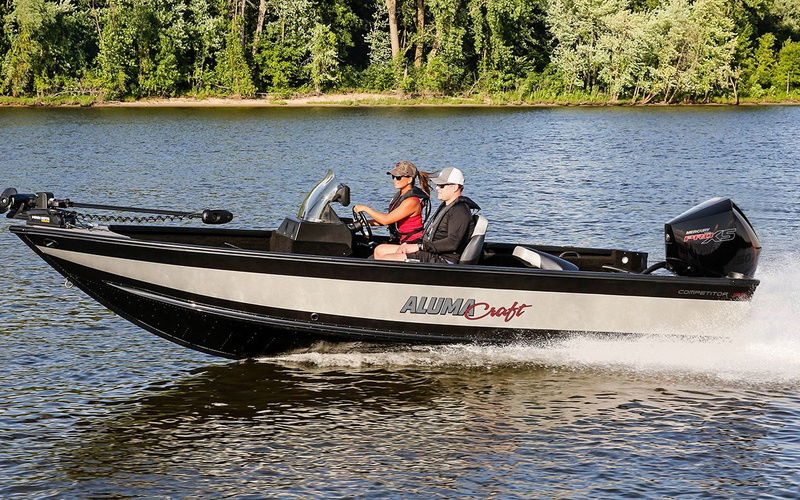
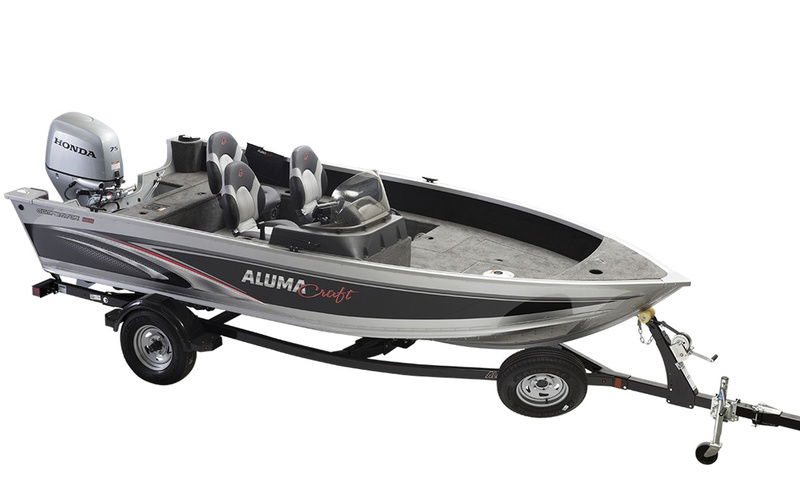
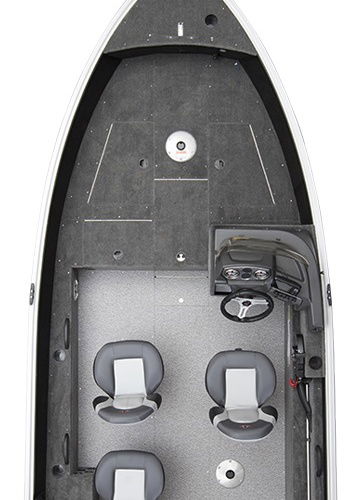
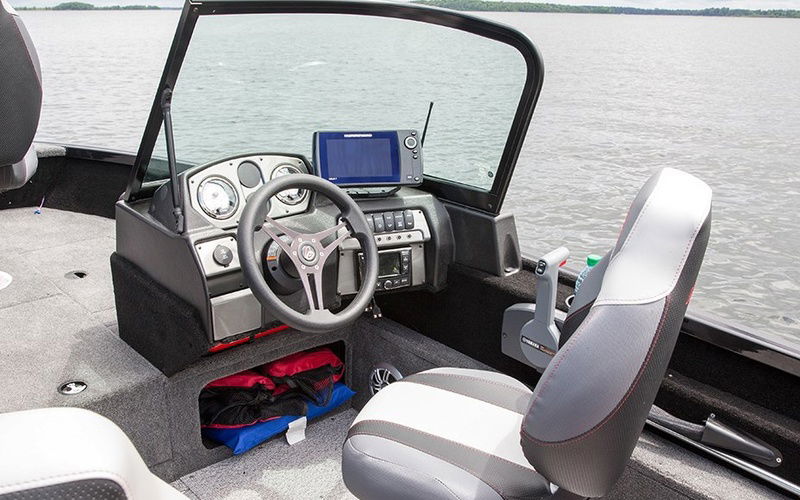
Images have been gathered from various sources and belong to their respective owners.
Latest Market Trends (Latest Available Year Model)
Price: $28,900
Review - Alumacraft Competitor 165 CS

MarineBroker
02/22/2024, 9:01 AM
2012 Alumacraft Competitor 165 CS: A Practical Guide to Buying, Inspecting, and Getting the Most from This Fish-and-Play Boat
If you’re looking into the 2012 Alumacraft Competitor 165 CS, chances are you’re trying to answer a few important questions before making a move. Is it a good boat for fishing and family use? What should you check before buying one? And how do you know if a used model is actually worth the money?
That’s the real challenge with older boats: the model may have a strong reputation, but condition matters just as much as brand name. A well-kept 2012 Alumacraft Competitor 165 CS can still be a very practical boat for anglers who want a compact aluminum rig with enough versatility for lakes, rivers, and weekend outings. But a neglected one can turn into a long list of repairs, hidden costs, and frustration.
The good news is that most of the risk can be reduced with the right inspection and a clear understanding of what this boat does well. In this article, we’ll break down the key features, common problem areas, buying tips, and ownership advice so you can make a smarter decision with confidence.
- What the 2012 Alumacraft Competitor 165 CS Is Best For
The 2012 Alumacraft Competitor 165 CS is a compact aluminum fishing boat designed for anglers who want a manageable size without giving up too much functionality. At around 16 feet, 5 inches, it sits in a sweet spot for people who fish smaller lakes, sheltered bays, and moderate rivers.
The “CS” layout typically appeals to boaters who want a side-console style setup. That means easier movement around the cockpit than a full windshield design, while still offering some helm protection and a more organized layout than a bare-bones tiller boat.
This boat tends to make sense for:
- Weekend anglers
- Small families who want occasional recreation
- Buyers who need a lighter boat that’s easier to tow and launch
- People fishing in inland waters rather than rough offshore conditions
If your priority is simplicity, fuel efficiency, and easy handling, this model can be a strong fit.
- Why Buyers Look at the 2012 Alumacraft Competitor 165 CS
A lot of people searching for the 2012 Alumacraft Competitor 165 CS are trying to balance cost, durability, and usability. That’s a common boat-buying problem, especially in the used market.
New boats can be expensive fast, and bigger rigs often mean more trailer weight, higher fuel use, and more maintenance. On the other hand, some smaller boats feel too stripped down for real-world use. The Competitor 165 CS sits in between those extremes.
What makes it appealing is the combination of:
- Aluminum construction, which is generally lighter and easier to maintain than fiberglass
- Practical fishing layout
- Lower ownership costs compared with larger boats
- Good portability for owners with standard tow vehicles
For many buyers, the real issue isn’t whether the boat is useful. It’s whether the specific used boat they’re looking at has been cared for properly.
- The Main Problem with Buying an Older Used Boat
The biggest challenge with a 2012 model isn’t necessarily the design itself. It’s age.
Even a durable aluminum boat can develop issues over time if it has been stored outside, used in saltwater, or maintained poorly. That means the buyer has to look beyond the listing photos and ask, “What shape is this boat really in?”
Common concerns with older used boats include:
- Corrosion around fittings or welds
- Worn carpet or decking
- Electrical issues
- Weak batteries or outdated electronics
- Trailer problems
- Engine wear, if sold with a motor
- Loose rivets, leaks, or stress cracks
The solution is not to avoid the boat entirely. It’s to inspect it methodically and know which issues are cosmetic versus structural.
- 2012 Alumacraft Competitor 165 CS: What to Check Before You Buy
If you’re considering a used 2012 Alumacraft Competitor 165 CS, a careful inspection can save you from expensive surprises. Here’s where to focus.
- Hull condition
Start with the aluminum hull. Look for dents, gouges, patch jobs, and signs of impact damage. A few normal scuffs are fine, but major deformation near the keel or transom should raise concern.
Check for:
- Cracks around welds
- Corrosion around rivets and seams
- Evidence of repairs
- Dents near the bow or bottom
A boat can look decent from a distance and still have hidden problems underneath.
- Transom strength
The transom is one of the most important areas on any boat. If the boat has had a motor mounted on it for years, the transom can take a lot of stress.
Look for:
- Softness or flexing
- Cracks around the motor mounting area
- Water intrusion
- Signs of previous reinforcement or repair
If the transom feels weak, that’s a major red flag.
- Decking and flooring
Step on different parts of the floor and deck. You want solid footing, not spongy spots or movement. Soft flooring can indicate water damage or deteriorated substructure underneath.
Check:
- Carpet wear
- Loose hatches
- Rusted fasteners
- Soft spots underfoot
These issues may not be catastrophic, but they can add up in repair cost and time.
- Electrical system
Older boats often have electrical quirks. Test all lights, switches, pumps, and accessories if possible.
Make sure to inspect:
- Navigation lights
- Bilge pump
- Livewell pump
- Accessories like fish finders or trolling motor wiring
- Battery condition and cable corrosion
A messy wiring job is often a sign of rushed repairs or repeated owner modifications.
- Trailer condition
A lot of buyers focus on the boat and forget the trailer. That’s a mistake.
Check the trailer for:
- Tire age and tread
- Bearing condition
- Winch operation
- Lights
- Frame rust
- Bunks and rollers
A bad trailer can cost as much trouble as a bad boat, especially if you plan to launch often.
- Engine and propulsion questions
Many used 2012 Alumacraft Competitor 165 CS boats are sold with different motor setups, so the engine matters a lot. If the listing includes a motor, ask for maintenance records, service history, and hours if available.
Important things to verify:
- Regular oil changes
- Impeller replacement history
- Compression if possible
- Lower unit condition
- Smooth starting and idling
- No unusual smoke or knocking
If the boat is sold without a motor, that can simplify the purchase, but you’ll need to budget for repowering.
- What the 2012 Alumacraft Competitor 165 CS Does Well
There’s a reason boats like this remain popular in the used market. They’re practical. And in boating, practicality matters a lot more than flashy features.
Some of the best strengths of this model include:
- Easy towing and launching
- Good fit for smaller storage spaces
- Lower fuel demands than larger boats
- Aluminum durability
- Flexible use for fishing and casual cruising
For anglers, the boat’s size can be a real advantage. It’s easier to manage solo, and it’s less intimidating when launching at busy ramps or trailering long distances.
- Where This Boat May Fall Short
No boat fits every situation, and the 2012 Alumacraft Competitor 165 CS is no exception.
It may not be ideal if you:
- Regularly fish large, rough water
- Need lots of passenger space
- Want a fully enclosed windshield setup
- Expect big storage capacity
- Plan to carry heavy gear and multiple anglers often
Because it’s a smaller aluminum boat, comfort can become limited when conditions get rough or when the boat is loaded heavily. That doesn’t make it a bad boat. It just means expectations should match the design.
- How to Decide If a Used 2012 Alumacraft Competitor 165 CS Is Worth It
A smart buying decision comes down to total value, not just asking price. A cheaper boat with hidden issues can quickly become more expensive than a cleaner, better-maintained one.
Use this simple framework:
- Condition first: Is the hull, transom, and trailer solid?
- Maintenance history: Are records available?
- Equipment included: Motor, trolling motor, electronics, cover, and trailer all matter
- Intended use: Will it fit your waters and your style of fishing?
- Repair budget: Can you handle a few fixes if needed?
If the boat checks most of these boxes, it may be a solid buy. If several major items are questionable, keep looking.
- Practical Ownership Tips for the 2012 Alumacraft Competitor 165 CS
Once you own the boat, a little routine care goes a long way. Aluminum boats are known for durability, but they still need regular attention.
- Rinse after use
If you fish in brackish or saltwater, rinse the boat, trailer, and motor thoroughly after every trip. Even freshwater boats benefit from a rinse to remove grime and debris.
- Keep electrical connections clean
Corrosion is a common issue on older boats. Use dielectric grease on exposed connections and inspect terminals regularly.
- Store it properly
Covered storage or a quality boat cover helps protect the interior, carpet, wiring, and seats from UV damage and moisture.
- Inspect the trailer often
Before each season, check tire pressure, bearings, lights, and winch hardware. Trailer problems are one of the easiest ways to ruin a good day on the water.
- Fix small issues early
A loose fitting, worn seal, or weak battery is much easier to handle early than after it turns into a bigger repair.
- Best Use Cases for This Boat
The 2012 Alumacraft Competitor 165 CS is especially well suited to owners who want a dependable, no-nonsense setup.
It works well for:
- Bass fishing on smaller inland waters
- Panfish and walleye trips
- Solo or two-person outings
- Light family recreation
- Anglers who value easy towing and storage
If you’re looking for a practical boat rather than a luxury platform, this one can be a very sensible choice.
- Buying Checklist for a Used 2012 Alumacraft Competitor 165 CS
Here’s a quick checklist you can bring with you when inspecting one:
1. Check hull, keel, and welds for damage
2. Inspect transom for strength and water intrusion
3. Walk the deck for soft spots
4. Test all electrical components
5. Examine trailer tires, lights, and bearings
6. Review engine service records if included
7. Ask about storage history and freshwater versus saltwater use
8. Take a test ride if possible
9. Confirm registration and title paperwork
10. Estimate repair costs before making an offer
This simple process can help you avoid most common used-boat mistakes.
- Common Questions Buyers Ask
- Is the 2012 Alumacraft Competitor 165 CS a good fishing boat?
Yes, for the right user. It’s a practical small aluminum fishing boat that works well on inland waters and for anglers who want simplicity and easy handling.
- Is aluminum better than fiberglass for a used boat?
Not always better, but often easier to maintain and tow. Aluminum is usually lighter and more forgiving for trailering, while fiberglass may offer a different ride and layout.
- What is the biggest risk when buying one used?
The biggest risk is hidden damage or neglected maintenance, especially in the transom, trailer, and electrical system.
- Should I buy one without a motor?
It can be a good option if the hull and trailer are solid and you already have a plan for propulsion. Just budget carefully for the engine setup.
- Conclusion
The 2012 Alumacraft Competitor 165 CS can be a smart choice for buyers who want a practical, lightweight fishing boat with everyday versatility. The key is not just finding one for sale, but finding one that has been maintained well and fits the way you actually boat. Focus on the hull, transom, trailer, and electrical system, and don’t let a clean-looking listing distract you from the basics.
If the boat checks out, it can still offer a lot of value for fishing, towing, and easy ownership. Take your time, inspect carefully, and compare condition more than price alone. If you want to go deeper, look into maintenance guides and used-boat inspection checklists before you buy.
Specifications
General
Boat Type: Power Boats
Class Type: Freshwater Fishing
Specifications
Length: 16.73
Beam: 7.55
Draft: 0.66
Hull Material: Aluminium
Build
First Built: 2012
Propulsion
Fuel Type: Unleaded
Engines: 1
Power: 70 HP
Brand: Mercury
Accomodation
PROS & CONS
What we appreciated
 Durable aluminum construction providing lightweight and corrosion resistanceCompetitive pricing making it affordable for entry-level anglersVersatile design suitable for both fishing and recreational useSpacious casting deck and storage compartments for convenienceReliable performance with a stable hull design for various water conditions
What we didn’t appreciate
 Limited horsepower capacity restricting high-speed performanceBasic interior features compared to newer modelsMinimal seating comfort for long tripsLack of advanced electronics or built-in fish-finding systemsSome users report limited resale value due to brand recognition
Upkeep Costs
Fuel: Approximately $500 - $800 per year, depending on usage and fuel prices
Maintenance and Repairs: Around $300 - $600 annually for engine servicing, hull care, and minor repairs
Insurance: Typically $200 - $400 per year, depending on coverage and location
Storage: $300 - $1,000 annually, depending on whether you use a marina, dry storage, or trailer storage
Registration and Licensing: $50 - $150 per year, varying by state or region
Rating
6.1
User
Score
Score
Driveability
Technology
Interior
Design
Similar Boats


MarineBroker
Download now for an immersive boat experience like never before! ⛵✨ Your journey begins with a simple click. 🌊📲
#SetSailSmart #DownloadNow
#SetSailSmart #DownloadNow

Subscribe
Copyright 2017 - 2026, Marinebroker.net, All Rights Reserved