Boat Type: Power Boats
Boat Class: Freshwater Fishing
Length: 31.82 ft
Berths: 2
Cabins: 1
Bathrooms: 1
Max Persons: 10
Boat Database » Capelli Cap 32 WA
Capelli Cap 32 WA
Outboard four-stroke, Unleaded, 2x 250 HP
Power Boats 2008 Capelli Cap 32 WA: What to Check, What to Fix, and How to Get the Most from This Walkaround Cruiser
If you’re looking at a 2008 Capelli Cap 32 WA, you’re probably already seeing the appeal: a practical walkaround layout, a s...
Discover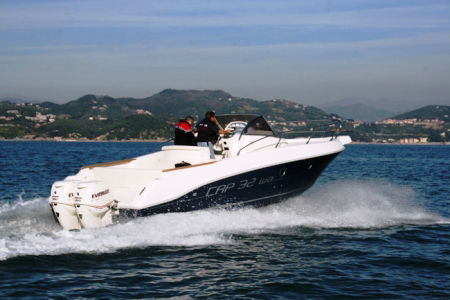
Images have been gathered from various sources and belong to their respective owners.
Review - Capelli Cap 32 WA

MarineBroker
11/25/2023, 6:32 AM
2008 Capelli Cap 32 WA: What to Check, What to Fix, and How to Get the Most from This Walkaround Cruiser
If you’re looking at a 2008 Capelli Cap 32 WA, you’re probably already seeing the appeal: a practical walkaround layout, a strong coastal profile, and enough space to make weekend cruising feel comfortable instead of cramped. But like any boat that’s been around for a while, the real question isn’t just whether it looks good on paper. It’s whether the boat is still giving you the reliability, comfort, and value you expect on the water.
That’s where many buyers and owners hit the same problem. A used cruiser can hide wear in places you don’t notice right away—mechanical systems, deck fittings, electronics, upholstery, or even signs of past water intrusion. And because a boat like the 2008 Capelli Cap 32 WA is often used for family trips, day cruising, and coastal runs, small issues can turn into expensive headaches if they’re ignored.
The good news is that most of these concerns are manageable with the right approach. If you know what to inspect, what tends to age first, and how to maintain the boat properly, you can make a much smarter buying decision or keep your current boat performing better for longer.
- Why the 2008 Capelli Cap 32 WA Still Appeals to Buyers
The 2008 Capelli Cap 32 WA sits in a sweet spot for many boaters. It’s large enough to handle real cruising duties, but not so big that ownership becomes overwhelming for a private owner or family.
A walkaround design is especially useful because it gives you easier access around the deck, which helps with:
- moving forward to handle lines or anchor duties
- fishing or docking with more confidence
- safer movement for guests and kids
- better usability in mixed leisure and coastal conditions
For many people, the attraction is simple: you get the feel of a capable cruiser without jumping into a full-size yacht. That makes the Cap 32 WA a practical choice for buyers who want versatility.
Still, older walkaround cruisers come with one unavoidable reality: condition matters more than model name. Two boats from the same year can feel completely different depending on maintenance, storage, and usage history.
- The Main Problem Buyers Face with a 2008 Capelli Cap 32 WA
The biggest issue with a used 2008 Capelli Cap 32 WA is not usually one dramatic failure. It’s the accumulation of small aging issues that can affect performance, comfort, and resale value.
Common concerns include:
- worn upholstery and interior trim
- outdated or failing electronics
- engine service gaps
- deck hardware leaks
- tired batteries or charging systems
- stress cracks or gelcoat wear
- moisture intrusion in hidden areas
This matters because boats age differently from cars. A boat can look clean on the surface while still hiding expensive problems underneath. Saltwater exposure, UV damage, vibration, and inconsistent maintenance all add up over time.
So the real challenge is learning how to separate cosmetic wear from structural or mechanical concerns.
- What to Inspect First on a 2008 Capelli Cap 32 WA
If you’re evaluating a 2008 Capelli Cap 32 WA, start with the areas that are most likely to affect safety and cost.
- Hull and Deck Condition
Begin with the hull, deck, and visible seams. Look for:
- cracks around stress points
- soft spots in the deck
- signs of repairs or repainting
- blistering or unusual discoloration
- leaks around fittings, rails, and cleats
A clean-looking hull is great, but what you really want is evidence that the structure is sound. Walkaround boats often get used hard around the bow, side decks, and boarding areas, so check those spots closely.
Pay special attention to any area where hardware is mounted through the deck. If water has been getting in for years, damage may be hidden beneath the surface.
- Engine and Mechanical Systems
The engine is usually the most expensive part of ownership, so this is where you want to be thorough.
Check:
- service records
- oil condition
- coolant condition, if applicable
- belts and hoses
- corrosion on fittings
- starting behavior
- idle smoothness
- throttle response
- smoke at startup or under load
A boat can still run even when it’s overdue for service, which is why a sea trial is so valuable. You want to see how the engine behaves under real conditions, not just when it’s sitting at the dock.
If the boat has twin engines, the inspection becomes even more important because you’re doubling the number of components that can age unevenly.
- Electrical and Electronics
A 2008 boat may still have usable electronics, but technology from that era often feels outdated now. That doesn’t mean it’s a deal-breaker, but it does mean you should budget for upgrades if needed.
Check for:
- working gauges
- functioning navigation lights
- bilge pumps
- battery charging
- shore power systems
- chartplotter and radar operation
- wiring corrosion or messy modifications
Electrical issues often show up as intermittent failures, which can be frustrating to diagnose. If something only works “sometimes,” treat it as a warning sign rather than a minor inconvenience.
- Interior Wear and Comfort
Inside the cabin, look for signs of moisture, mold, or poor ventilation. On a boat of this age, interior condition often tells you a lot about how the boat was cared for overall.
Inspect:
- cushions and upholstery
- headliner condition
- cabin smells
- locker dryness
- toilet and plumbing operation
- freshwater system performance
- door latches and hinges
A strong smell of mildew is not just annoying. It can indicate ongoing dampness, which may point to leaks or poor drainage.
- Why Maintenance History Matters More Than Age
The age of the boat matters, but maintenance history matters more.
A well-maintained 2008 Capelli Cap 32 WA can easily be a better buy than a newer boat with poor care. The reason is simple: boats rely on systems that need regular attention.
A solid maintenance record should include:
- engine servicing
- impeller changes
- oil and filter replacement
- battery replacement history
- antifouling work
- hull cleaning
- inspection of seals and fittings
- winterization or storage prep
If the seller can show consistent records, that’s a very good sign. If not, you should assume you’ll need to catch up on maintenance after purchase.
- Common Aging Issues on the 2008 Capelli Cap 32 WA
Every boat model has its common wear points, and a cruiser like this is no exception. Knowing what tends to age first helps you avoid surprises.
- Seal and Leak Problems
Window seals, hatch seals, and deck hardware seals are frequent trouble spots on older boats. Even a small leak can create bigger problems over time, especially in hidden compartments.
Signs include:
- water stains
- soft trim
- damp lockers
- rust around fittings
- mold in corners
Fixing seals early is far cheaper than dealing with structural damage later.
- Upholstery and Sun Damage
Sun exposure is rough on marine vinyl and cushions. If the boat has spent a lot of time uncovered, expect fading, cracking, or stiffness in the upholstery.
This is usually a comfort and appearance issue, but it can also affect resale value. A boat that feels neglected tends to raise more concerns in a buyer’s mind, even if the mechanics are fine.
- Corrosion on Metal Components
Saltwater and metal don’t get along forever. Look at rails, fasteners, hinges, and any exposed hardware.
Corrosion can weaken fittings and make routine use more annoying. If you see heavy oxidation, it may be a sign that the boat has seen a lot of marine exposure without enough washdown or protection.
- Fuel System Aging
Older boats can develop fuel-related problems from stale fuel, degraded hoses, or contaminated tanks. This is especially important if the boat has been sitting unused.
Symptoms might include:
- hard starting
- rough idle
- hesitation under throttle
- fuel smell
- clogged filters
Fuel system issues are often fixable, but they should be addressed before you rely on the boat for longer trips.
- How to Solve the Problem Before It Becomes Expensive
The best solution is a structured inspection and maintenance plan. Don’t rely on appearance alone. Instead, break the boat down into systems and evaluate each one.
- Step 1: Do a Full Pre-Purchase or Pre-Season Inspection
If you’re buying, hire a qualified marine surveyor and mechanic if possible. If you already own the boat, do your own systematic inspection before the season starts.
Focus on:
- hull and deck
- engine and drive train
- electrical systems
- plumbing
- safety gear
- steering and controls
This kind of review catches problems early and gives you a realistic picture of the boat’s condition.
- Step 2: Prioritize Safety and Reliability
Not every issue needs immediate cosmetic repair. Start with the items that affect safety, reliability, and water intrusion.
Top priorities usually include:
- bilge pumps
- battery health
- engine service
- steering
- navigation lights
- leaks
- fuel system integrity
Once those are handled, you can move on to comfort and appearance upgrades.
- Step 3: Budget for Upgrades
If you’re considering a 2008 Capelli Cap 32 WA, it’s smart to assume some upgrades may be needed.
Common upgrade areas include:
- chartplotter or multifunction display
- VHF radio
- stereo system
- battery charger
- cushions or upholstery
- LED lighting
- anchor windlass service or replacement
A realistic budget helps you avoid disappointment. A used boat is rarely “done”; it’s usually a platform that needs a little personalization and catch-up work.
- Step 4: Keep a Simple Maintenance Schedule
Once you own the boat, consistency is everything. A basic schedule can prevent many of the most common issues.
For example:
Monthly:
- check batteries
- inspect bilge
- test lights and pumps
- rinse salt exposure
Every season:
- service engine
- inspect seals
- clean and protect upholstery
- check fuel filters
- inspect hoses and belts
Annually:
- haul out and inspect hull
- renew antifouling
- review safety equipment
- inspect electrical connections
- test all onboard systems
This kind of routine is one of the easiest ways to protect your investment.
- Buying Tips for the 2008 Capelli Cap 32 WA
If you’re shopping for this model, keep the process practical and calm. Boats often look better after a quick wash, but the real story comes from inspection and testing.
Here are a few smart buying tips:
- Ask for service records before you get emotionally attached
- Sea trial the boat in conditions that reveal real behavior
- Test every switch, pump, and light
- Open lockers and check for moisture
- Look under cushions and in hidden corners
- Don’t ignore cosmetic issues if they suggest deeper neglect
- Compare asking price with the cost of likely repairs
A boat that seems slightly more expensive but has clear maintenance history can often be the better value.
- Why This Model Can Be a Good Fit for the Right Owner
The 2008 Capelli Cap 32 WA works best for owners who want a versatile cruiser and are willing to stay on top of maintenance. If you enjoy day trips, coastal outings, or family cruising, the layout can be very practical.
It may be a good fit if you want:
- a usable walkaround deck
- a comfortable cruiser for weekends
- a boat that balances size and manageability
- a platform that can be upgraded over time
It may be less ideal if you want something that requires almost no upkeep. Like most boats in this class and age range, it rewards attention.
- Practical Ways to Extend the Life of a 2008 Capelli Cap 32 WA
If you already own one, the best strategy is to protect the boat from the things that age it fastest.
A few simple habits go a long way:
- rinse salt off after use
- keep the boat covered when not in use
- ventilate the cabin to reduce mold
- fix small leaks quickly
- service the engine on schedule
- keep batteries charged and tested
- inspect fittings before they fail
These steps don’t take much time, but they can make the difference between a boat that feels tired and one that stays enjoyable for years.
- Final Thoughts on the 2008 Capelli Cap 32 WA
The 2008 Capelli Cap 32 WA can be a very appealing walkaround cruiser, but like any used boat, its real value depends on condition, maintenance, and how well the systems have aged. The most common problem is not one major flaw—it’s a collection of small issues that build up when inspections and service get skipped.
The practical solution is simple: inspect carefully, prioritize the important systems, and budget realistically for maintenance or upgrades. If the boat has been cared for, it can still offer a lot of enjoyment and versatility. If you’re researching one now, take your time, check the details, and use the boat’s condition—not just its age—as your guide.
Specifications
General
Boat Type: Power Boats
Class Type: Freshwater Fishing
Specifications
Length: 31.82
Beam: 9.84
Draft: 2.3
Hull Material: GRP
Build
First Built: 2008
Propulsion
Fuel Type: Unleaded
Engines: 2
Power: 250 HP
Brand: Evinrude
Accomodation
Berths: 2
Cabins: 1
Bathrooms: 1
PROS & CONS
What we appreciated
 Spacious walk-around design allowing easy movement on deckSturdy construction suitable for various sea conditionsVersatile layout accommodating fishing, cruising, and day tripsAmple storage compartments for gear and equipmentReliable performance with efficient fuel consumption
What we didn’t appreciate
 Interior space may be limited compared to larger modelsOlder model, so some onboard electronics may be outdatedLimited cabin amenities for extended overnight staysMaintenance costs could be higher due to boat agePotentially less resale value compared to newer boats
Upkeep Costs
Fuel: Approximately $4,000 - $8,000 per year depending on usage
Maintenance and Repairs: Around $2,000 - $5,000 per year
Insurance: Typically $800 - $1,500 per year
Storage and Mooring: $1,200 - $3,000 per year depending on location
Registration and Taxes: $200 - $500 per year

Rating
6.9
User
Score
Score
Driveability
Technology
Interior
Design
Similar Boats


MarineBroker
Download now for an immersive boat experience like never before! ⛵✨ Your journey begins with a simple click. 🌊📲
#SetSailSmart #DownloadNow
#SetSailSmart #DownloadNow

Subscribe
Copyright 2017 - 2026, Marinebroker.net, All Rights Reserved