Boat Database » Alumacraft Waterfowler 18 TL
Alumacraft Waterfowler 18 TL
Outboard four-stroke, Unleaded, 1x 25 HP
Power Boats 2020 Alumacraft Waterfowler 18 TL: What Buyers Should Know Before Hitting the Marsh
If you’ve been looking at the 2020 Alumacraft Waterfowler 18 TL, chances are you already know what kind of boat it is built to do: handle rough, ...
Discover
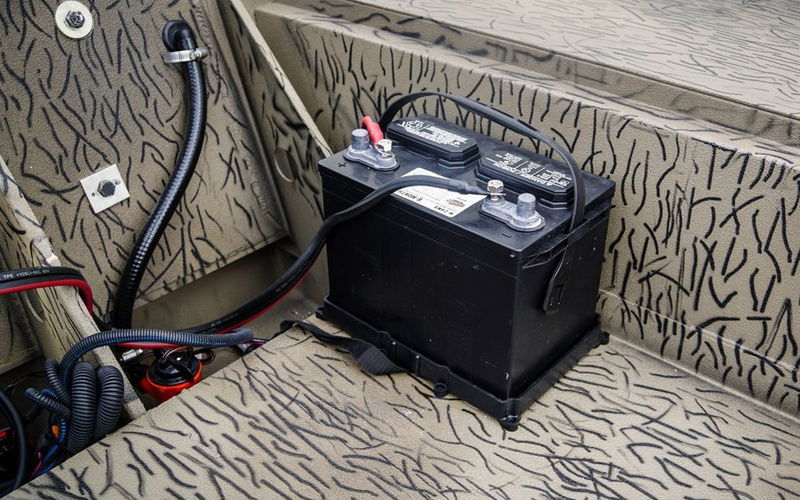


Images have been gathered from various sources and belong to their respective owners.
Review - Alumacraft Waterfowler 18 TL

MarineBroker
02/29/2024, 6:55 AM
2020 Alumacraft Waterfowler 18 TL: What Buyers Should Know Before Hitting the Marsh
If you’ve been looking at the 2020 Alumacraft Waterfowler 18 TL, chances are you already know what kind of boat it is built to do: handle rough, shallow, messy water and still give you a stable platform for hunting or fishing. The tricky part is figuring out whether it really fits your needs, especially if you’re comparing it to other jon boats, duck boats, or shallow-water rigs.
That’s a common problem for buyers in this segment. A boat can look perfect on paper, but once you start thinking about load capacity, layout, motor compatibility, blind setup, and how it behaves in real marsh conditions, the decision gets a lot less simple. You want something tough enough for waterfowl season, practical enough for gear, and manageable enough to trailer, launch, and run without headaches.
That’s where a closer look helps. In this article, we’ll break down what makes the 2020 Alumacraft Waterfowler 18 TL appealing, what to watch for before buying, and how to tell if it’s the right fit for your style of hunting or backwater use.
- What Makes the 2020 Alumacraft Waterfowler 18 TL Stand Out
The 2020 Alumacraft Waterfowler 18 TL is designed with shallow-water hunting in mind. It’s part of a category that values durability, stability, and utility over luxury. For many buyers, that’s exactly the point.
This model is especially appealing to people who want a boat that can do more than one job. It’s not just for duck hunting. It can also serve as a solid platform for fishing in rivers, flooded timber, sloughs, and protected backwaters.
A few reasons it gets attention:
- It’s built for shallow-water access
- It offers a practical layout for gear and hunters
- Aluminum construction helps keep weight manageable
- It’s easier to maintain than many fiberglass alternatives
- It can be customized for blinds, storage, and accessories
For buyers who spend time in rough, low-water environments, those features matter more than flashy extras.
- The Main Problem Buyers Face with This Type of Boat
The biggest issue people run into when shopping for a boat like the 2020 Alumacraft Waterfowler 18 TL is mismatch.
In other words, the boat may be a great rig, but not for the way they actually hunt or fish.
That mismatch usually shows up in a few ways:
- The boat is too small for the number of people and gear
- The layout doesn’t fit the hunting style
- The motor setup isn’t ideal for the water conditions
- The buyer underestimates how much weight they’ll carry
- The boat is more exposed than they expected in cold or windy conditions
A lot of first-time buyers focus on length and price, but those are only part of the picture. A shallow-water hunting boat needs to match your real-world use, not just your wish list.
The solution is to look at the boat the same way an experienced marsh hunter would: as a tool. Ask what it needs to do, where it needs to go, and how much abuse it needs to handle.
- Who the 2020 Alumacraft Waterfowler 18 TL Is Best For
This boat tends to make the most sense for buyers who want a rugged, practical setup for hunting or backwater use.
It’s a good fit if you:
- Hunt ducks or geese in marshes, rivers, or flooded timber
- Need a stable boat for decoys, blinds, and dogs
- Prefer aluminum for durability and easier upkeep
- Want a boat that can handle shallow access better than a deep-V
- Like a simple, functional layout over a fully finished cabin-style setup
It may be less ideal if you:
- Need lots of enclosed storage
- Plan to carry heavy loads far from launch sites
- Want a boat mainly for family cruising or open-water comfort
- Need something highly specialized for extreme speeds or ultra-shallow performance
That’s why the right buyer profile matters so much. A boat like this shines when it’s used in the environment it was built for.
- 2020 Alumacraft Waterfowler 18 TL: Key Features to Evaluate
Before buying, it helps to look beyond the model name and focus on the features that affect daily use.
- Hull Design and Stability
The hull is one of the most important parts of any hunting boat. A stable platform matters when you’re standing to shoot, loading decoys, or moving around with a dog onboard.
For buyers, the key questions are:
- Does the hull feel stable enough at rest?
- How does it handle chop or boat wake?
- Is it easy to control in skinny water?
If you hunt with a partner or bring a retriever, stability becomes even more important. A good shallow-water rig should feel secure without being overly bulky.
- Deck and Interior Layout
The layout can make or break the experience. Some boats look fine until you start adding a cooler, dog crate, blind material, guns, decoys, and waders.
When evaluating the 2020 Alumacraft Waterfowler 18 TL, check:
- How much open floor space it offers
- Whether gear can be stored without cluttering the deck
- How easy it is to move from bow to stern
- Whether the layout supports your blind setup
A clean, efficient interior is more useful than a crowded one with extra features you’ll never use.
- Motor Compatibility
Motor setup is another area where buyers need to think carefully. A boat like this needs enough power to move loaded gear efficiently, but not so much that it becomes difficult to manage or unnecessary for the water you run.
Consider:
- What size outboard the boat is rated for
- Whether you’ll use a mud motor, prop motor, or tiller setup
- How often you run in very shallow water
- Whether you need quick hole-shot performance
If your hunting spots involve long runs through open water, your motor needs may be different than if you’re mostly creeping through back marshes.
- Weight and Trailer Friendliness
One often-overlooked issue is how easy the boat is to move around on land.
A practical hunting boat should be:
- Easy to trailer
- Reasonable to launch at remote ramps
- Manageable to tow with a midsize truck or SUV
- Light enough to avoid unnecessary hassle
This is where aluminum boats often win. They’re typically easier to handle than heavier hulls, which can make a big difference if you launch often or travel to different hunting spots.
- How to Decide If It Fits Your Hunting Style
The best way to evaluate the 2020 Alumacraft Waterfowler 18 TL is to compare it to your actual routine.
Ask yourself these questions:
1. How many people usually ride with me?
2. How much gear do I bring?
3. Do I hunt mostly in shallow marshes, rivers, or open water?
4. Do I need room for a dog?
5. How often do I need to move quickly versus sneak quietly?
Your answers will tell you whether this boat is a strong match.
For example:
- Solo hunters often value simplicity and ease of movement
- Two-person hunting setups need more deck space and balance
- Dog hunters need open areas that stay safe and uncluttered
- River hunters may care more about control and durability than maximum speed
The right boat is the one that makes your hunt smoother, not just one that looks good in photos.
- Practical Tips for Getting the Most Out of a Waterfowler Boat
If you’re considering the 2020 Alumacraft Waterfowler 18 TL, a few practical upgrades and habits can improve performance and comfort.
- Keep the Deck Organized
A cluttered boat is harder to move in and less safe in low light. Use simple storage solutions for:
- Decoys
- Calls
- Ammo
- Headlamps
- Gloves and waders
- Dog gear
Even a strong boat feels better when it’s not overloaded with loose equipment.
- Match the Blind to the Boat
A blind should work with the boat, not against it. Too much material or a poor frame setup can make the boat awkward and hard to use.
Look for a blind that:
- Folds or removes easily
- Doesn’t block visibility
- Keeps weight balanced
- Allows quick access to gear
A good blind setup can make the boat more effective without making it feel heavy or cramped.
- Balance the Load Carefully
Shallow-water boats are sensitive to weight distribution. If too much gear sits in one area, the boat can ride poorly or become harder to handle.
Try to:
- Keep heavy gear low
- Spread weight evenly
- Avoid stacking everything in one corner
- Test load balance before a big trip
This is especially important if you hunt with a partner or bring a dog.
- Use the Right Propulsion for Your Water
Not every waterfowler boat is meant for the same kind of power setup. If you’re in marshes with mud, stumps, and vegetation, a different motor strategy may work better than if you’re running open creeks.
Think about:
- Depth of your home waters
- Amount of submerged debris
- Distance to hunting spots
- Whether you need speed or stealth
The best setup is the one that gets you in and out reliably.
- Common Mistakes to Avoid When Shopping
A lot of buyers make the same mistakes when looking at a boat like this.
- Buying for the “ideal” hunt instead of the usual one
- Ignoring total load weight
- Overlooking trailer and tow vehicle limitations
- Choosing a blind before confirming layout
- Assuming all aluminum boats handle the same
The fix is simple: be honest about how you actually hunt.
If your typical trip includes a dog, two hunters, decoys, a cooler, and cold-weather gear, that needs to be part of the decision. Don’t size the boat for the lightest possible load if that’s not how you use it.
- 2020 Alumacraft Waterfowler 18 TL in Real-World Use
In real-world terms, this boat is appealing because it balances utility and simplicity. That combination is valuable for hunters who want to spend less time fussing with equipment and more time getting to the spot.
A boat like the 2020 Alumacraft Waterfowler 18 TL can be especially useful when:
- The launch is rough or remote
- Water levels change often
- You need something durable and easy to clean
- Your hunting spots require shallow access
- You want a no-nonsense layout that’s easy to customize
The key is understanding that this is a working boat. It’s built to be used hard, not pampered.
- How to Compare It with Other Similar Boats
If you’re comparing this model to other waterfowl or jon boats, focus on the differences that affect actual use.
Compare:
- Hull stability
- Interior space
- Customization potential
- Weight and towability
- Maintenance needs
- Price versus long-term value
Sometimes a slightly simpler boat is the smarter buy if it fits your hunting style better.
For many buyers, the right question isn’t “Which boat has the most features?” It’s “Which boat helps me hunt better with the least hassle?”
- What to Check Before Buying Used
If you’re considering a used 2020 Alumacraft Waterfowler 18 TL, inspect it carefully.
Look for:
- Hull dents or cracks
- Signs of poor repairs
- Corrosion around fittings and hardware
- Wear on the transom
- Condition of the floor and welds
- Evidence of overload or hard impacts
Also ask about:
- Where it was stored
- How often it was used
- What kind of water it ran in
- Whether accessories were professionally installed
A clean-looking boat can still hide issues, so take your time.
- Why This Boat Appeals to Serious Hunters
The reason boats like this stay popular is simple: they solve a real problem.
Hunters need boats that can:
- Get into shallow, hard-to-reach spots
- Carry gear without feeling unstable
- Handle muddy, wet, rough conditions
- Stay practical season after season
That’s the value of a purpose-built waterfowl boat. It doesn’t try to do everything. It just tries to do the important things well.
For the right buyer, that’s exactly what makes the 2020 Alumacraft Waterfowler 18 TL worth a close look.
- Final Thoughts on Choosing the Right Setup
The 2020 Alumacraft Waterfowler 18 TL can be a smart choice for hunters and backwater users who want a durable, practical boat with shallow-water capability. The main challenge is making sure it matches your real-world needs, not just your ideal setup.
If you focus on stability, load capacity, layout, and motor compatibility, you’ll have a much easier time deciding whether it fits. The best solution is always the one that matches your hunting style, your water, and your gear. If you’re still comparing options, take time to review how each boat performs in the conditions you actually face most often. That’s the fastest way to avoid buyer’s regret and end up with a rig that truly works for you.
Specifications
General
Boat Type: Power Boats
Class Type: Freshwater Fishing
Specifications
Length: 18.04
Beam: 7.55
Draft: 0.98
Hull Material: Aluminium
Build
First Built: 2020
Propulsion
Fuel Type: Unleaded
Engines: 1
Power: 25 HP
Brand: Mercury
Accomodation
PROS & CONS
What we appreciated
 Durable aluminum construction suitable for rugged waterfowl hunting conditions18-foot length provides good stability and ample space for gear and passengersLightweight design makes it easy to trailer and launchVersatile layout with multiple seating and storage optionsKnown for good fuel efficiency and reliable performance
What we didn’t appreciate
 Basic amenities compared to larger or more luxurious boatsLimited cabin or shelter options for bad weatherMay have limited horsepower capacity restricting top speedMinimal onboard electronics and navigation aidsNot ideal for rough open water due to flat bottom design
Upkeep Costs
Fuel: Approximately $500 - $1,000 per year depending on usage
Insurance: Around $200 - $400 annually
Maintenance and Repairs: $300 - $600 yearly
Storage: $500 - $1,200 per year depending on location and type
Registration and Licensing: $50 - $150 annually

Rating
4.9
User
Score
Score
Driveability
Technology
Interior
Design
Similar Boats


MarineBroker
Download now for an immersive boat experience like never before! ⛵✨ Your journey begins with a simple click. 🌊📲
#SetSailSmart #DownloadNow
#SetSailSmart #DownloadNow

Subscribe
Copyright 2017 - 2026, Marinebroker.net, All Rights Reserved