Boat Database » Alumacraft Waterfowler 16
Alumacraft Waterfowler 16
Outboard four-stroke, Unleaded, 1x 15 HP
Power Boats 2015 Alumacraft Waterfowler 16: How to Set It Up for Safer, Better Duck Hunting and All-Around Use
If you’re looking at a 2015 Alumacraft Waterfowler 16, chances are you already know it’s the kind of boat that can do a lot withou...
Discover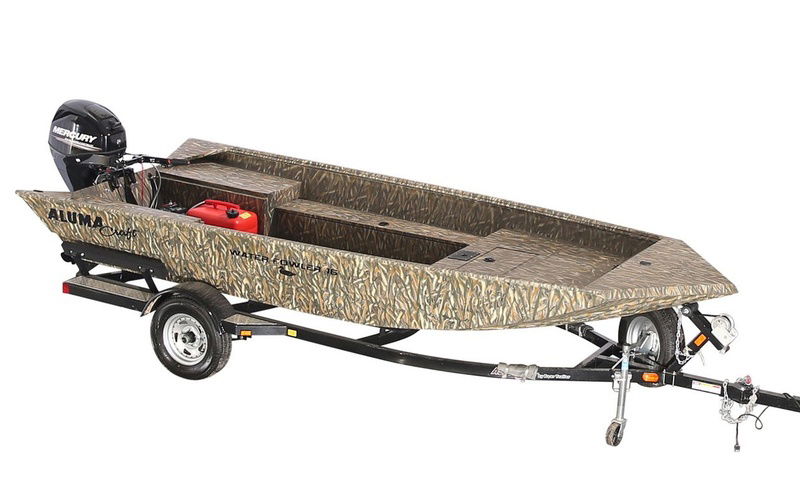
Images have been gathered from various sources and belong to their respective owners.
Review - Alumacraft Waterfowler 16

MarineBroker
03/06/2024, 1:26 PM
2015 Alumacraft Waterfowler 16: How to Set It Up for Safer, Better Duck Hunting and All-Around Use
If you’re looking at a 2015 Alumacraft Waterfowler 16, chances are you already know it’s the kind of boat that can do a lot without making life complicated. It’s compact, tough, and built for hunters and anglers who need something dependable in shallow water, marshes, and backwater areas. But here’s the thing: owning a boat like this is only half the story. The real challenge is getting it set up so it handles well, stays organized, and actually works for the way you use it.
A lot of owners run into the same problem. The boat is capable, but the setup isn’t dialed in yet. Maybe gear gets in the way, weight isn’t balanced right, or the boat feels louder than it should when you’re trying to stay hidden. For duck hunters especially, small setup mistakes can make a big difference in comfort, safety, and success on the water.
The good news is that the 2015 Alumacraft Waterfowler 16 responds well to smart, simple improvements. With the right approach, you can make it safer, easier to manage, and much more effective for hunting or general utility use.
- Why the 2015 Alumacraft Waterfowler 16 Works Well for Real-World Use
The Waterfowler 16 sits in a sweet spot for people who want a practical aluminum boat that’s easy to trailer, launch, and maneuver. At 16 feet, it’s small enough to access tight water but still gives you enough room for hunting gear, decoys, a partner, and a dog if needed.
That size makes it especially useful for:
- Marshes and shallow wetlands
- Small lakes and protected bays
- River backwaters
- Early morning scouting runs
- Quick solo hunts or light-duty fishing trips
What makes this model appealing is its simplicity. Aluminum construction means lower maintenance than many fiberglass boats, and the layout is generally straightforward. That said, because it’s a smaller hunting boat, setup matters a lot more than on a larger platform. Every pound, every storage choice, and every piece of gear placement affects how it performs.
If you’re using the 2015 Alumacraft Waterfowler 16, the goal is not to overload it. The goal is to make it efficient.
- The Most Common Problem: Poor Boat Setup
The biggest issue many owners face isn’t the boat itself. It’s how the boat is arranged.
A poorly set up hunting boat can lead to:
- Uneven weight distribution
- Sluggish handling
- Excessive noise
- Reduced freeboard
- Gear clutter
- Slower setup and teardown
- Less comfort for passengers
In a duck hunting situation, those problems can be more than annoying. They can affect safety and success. A boat that sits too low in the water is more vulnerable to waves, wakes, and shifting weight. A noisy boat can spook birds before you even get started. And a cluttered deck can turn a simple hunt into a frustrating scramble.
The solution is to think about the boat as a system. Storage, seating, blind setup, battery placement, fuel load, and gear layout all work together. Once those pieces are balanced, the boat becomes much more predictable and enjoyable.
- Start with Weight Distribution
Weight distribution is one of the most important things to get right on the 2015 Alumacraft Waterfowler 16.
A small aluminum boat can feel dramatically different depending on where the weight sits. Too much weight in the stern can make the bow ride high, which hurts visibility and can make handling awkward. Too much weight forward can make the boat nose down and take on spray.
A good rule is to keep the load balanced so the boat sits level or slightly stern-heavy, depending on your motor and gear setup.
Practical tips:
- Place the battery low and close to the centerline if possible
- Store heavy gear near the middle of the boat
- Keep decoys grouped and secured so they don’t shift
- Avoid stacking all passengers in one end of the boat
- Re-check balance after adding a blind, motor accessories, or extra fuel
If you’re hunting with a dog, remember that a wet dog adds more weight than people often expect. That extra load should be part of the plan.
- Keep Noise Under Control
For duck hunting, noise matters a lot. Aluminum boats can be a bit “ringy” if they’re not padded or organized well. Loose gear, metal-on-metal contact, and hard surfaces all create sound that carries farther than you want.
The solution is simple but effective: reduce unnecessary movement and contact points.
Ways to quiet the boat:
- Use rubber or foam padding under gear
- Secure paddles, anchors, and poles so they don’t rattle
- Add marine carpet or non-slip deck material where appropriate
- Use soft storage bags for smaller items
- Wrap contact points on blinds or mounts with noise-dampening material
A quieter boat doesn’t just help with hunting. It also makes early morning launches and loading easier on everyone. Less clanging, less stress.
- Make the Layout Easy to Use
One of the best things you can do for the 2015 Alumacraft Waterfowler 16 is simplify the layout. If you’re constantly reaching over gear or moving things around just to get to what you need, the setup is working against you.
Think about your most common actions:
- Launching the boat
- Setting decoys
- Anchoring
- Running the motor
- Retrieving gear
- Loading out after the hunt
Every item should have a place.
A practical layout might look like this:
- Bow area: anchor, rope, or lightweight gear
- Midsection: main storage for shells, calls, dog gear, and tools
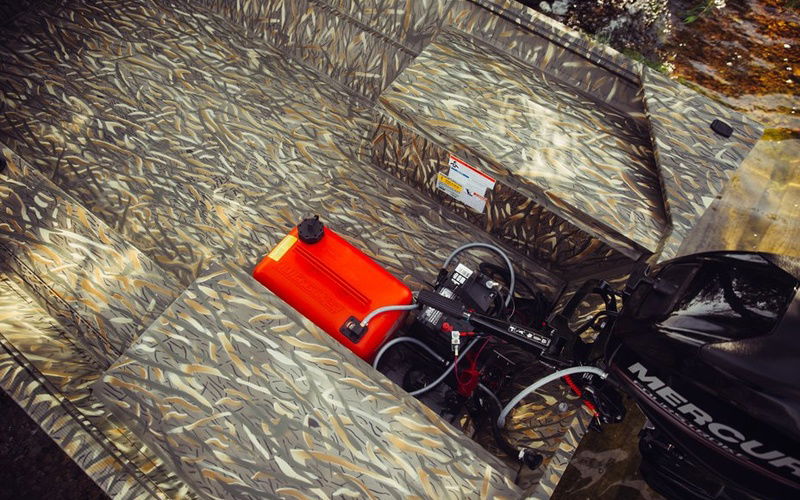
- Stern: fuel, battery, and motor access
- Side areas: items you need quickly, like gloves, flashlight, or spare rope
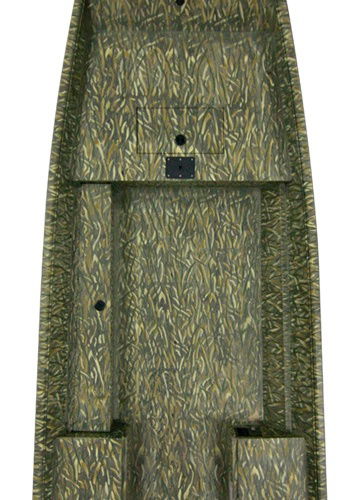
Try to keep the floor as open as possible. Open deck space makes movement safer and faster, especially in low light or cold conditions when balance is more important.
- Focus on Safe Capacity, Not Just Maximum Capacity
A 16-foot hunting boat can carry a useful load, but that doesn’t mean it should be packed to the limit every time. Safe capacity depends on more than just the number on paper. It also depends on water conditions, motor size, passenger weight, and how the load is arranged.
If you regularly overload the boat, you’ll notice:
- Lower freeboard
- More spray
- Slower planing
- Worse fuel efficiency
- A less stable feel when moving around
For practical use, it’s smart to leave some margin. That extra room gives you flexibility when conditions change or when you end up carrying more gear than expected.
A good habit is to ask before each trip:
- Do I really need all this gear?
- Can anything be left behind?
- Is the load balanced?
- Will the boat still handle well if the wind picks up?
These questions can save you a lot of trouble.
- Improve Visibility and Control
A boat like the 2015 Alumacraft Waterfowler 16 is often used in low-light conditions, which means visibility is critical. Early mornings, fog, rain, and marsh glare can all make navigation harder.
You can improve control by making sure the helm area is clear and easy to use. If you’re using tiller steering, keep the area around the motor free of clutter. If you’ve added electronics or lighting, place them where they won’t interfere with movement or create distraction.
Helpful upgrades and habits:
- Install reliable navigation lights if you travel in low light
- Keep a flashlight or headlamp within reach
- Make sure the motor controls are easy to access
- Use a simple dashboard or console setup if applicable
- Mark important gear so it’s easy to find quickly
Good visibility isn’t just about seeing where you’re going. It’s also about being able to react quickly if another boat, stump, sandbar, or change in weather appears.
- Use the Right Blind Setup for the Water You Hunt
For many owners, the Waterfowler 16 is mainly a duck boat, so the blind setup matters a lot. A good blind helps conceal the boat, but it should also be functional. If it blocks movement, adds too much weight, or catches wind badly, it can create new problems.
The best blind setup is one that matches your hunting style and local conditions.
Consider:
- How often you move the boat
- Whether you hunt open water or marsh edges
- How much brush or natural cover is available
- Whether you need quick setup and takedown
- How much space you need for decoys and gear
A lighter, lower-profile blind is often better for a boat this size. It keeps the profile down and reduces drag. If you hunt in very shallow, brushy areas, a modular setup can be easier to manage than a heavy permanent blind.
Also, make sure the blind does not interfere with:
- Steering
- Casting or gear movement
- Visibility from the operator’s position
- Safe entry and exit
- Don’t Ignore the Trailer and Launch Routine
A boat setup is only useful if launching and loading are easy. For many people, the real headache starts at the ramp. A good trailer routine can save time and reduce wear on the boat.
For the 2015 Alumacraft Waterfowler 16, keep the trailer and launch process simple:
- Check tire pressure before every trip
- Inspect lights and straps regularly
- Make sure the winch strap is in good shape
- Keep the boat centered on the trailer
- Practice loading in calm conditions before hunting season
If you’re launching in muddy ramps, shallow banks, or rough access points, a lightweight boat is a huge advantage. But only if the trailer setup is dialed in. A bad trailer fit can make a light boat feel awkward and unstable when loading.
- Add Storage Where It Helps, Not Everywhere
It’s tempting to add storage bins, boxes, and holders wherever there’s room. But too much storage can crowd the boat and make it harder to move.
The smarter approach is to add storage only where it solves a real problem.
Good storage additions include:
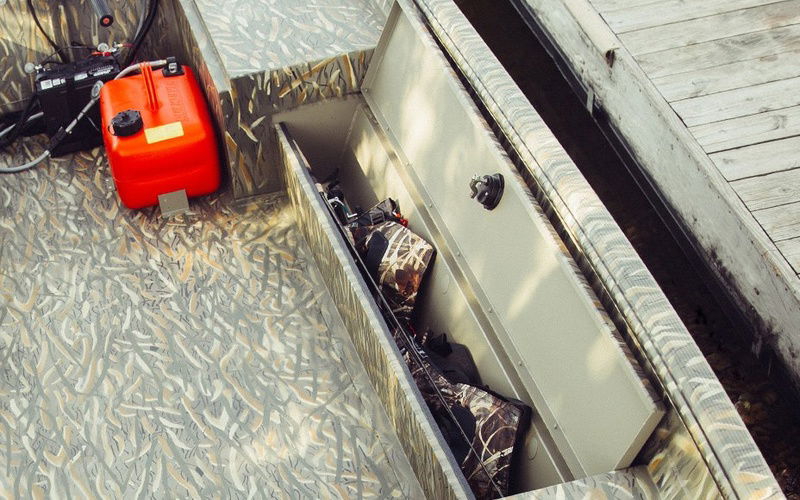
- Waterproof box for electronics and valuables
- Small tackle or shell storage
- Dedicated rope and anchor storage
- Dog gear compartment
- Soft bag for spare clothing or gloves
Try to avoid hard, bulky storage that steals floor space. In a 16-foot hunting boat, mobility matters. You want enough storage to stay organized without turning the deck into a maze.
- Maintenance Keeps the Boat Ready
Even a durable aluminum boat needs regular care. The good news is that maintenance on the 2015 Alumacraft Waterfowler 16 is usually straightforward.
Basic maintenance should include:
- Inspecting hull seams and rivets
- Checking for dents or impact damage
- Cleaning out mud, weeds, and debris after use
- Rinsing the boat if used in brackish or salty water
- Checking wiring and lights
- Inspecting fuel lines, battery terminals, and motor mounts
A clean, well-maintained boat is easier to use and more dependable. It also helps preserve resale value if you ever decide to upgrade later.
If you hunt in cold weather, don’t forget to check for ice buildup or moisture inside storage areas. Small issues can turn into bigger ones if they’re ignored between trips.
- Practical Setup Example for a Duck Hunting Trip
Here’s a simple example of how a 2015 Alumacraft Waterfowler 16 might be set up for a typical duck hunt:
- Battery and fuel placed low and near the stern
- Decoys secured in the middle section
- Anchor and rope in the bow for quick access
- Blind installed low and trimmed to match the marsh environment
- Dog space kept clear near the rear or side
- Shells, calls, and gloves stored in a waterproof bag
- Loose gear strapped down to prevent noise
This kind of setup keeps the boat balanced, quiet, and easy to work from. It also cuts down on wasted motion when you’re trying to get set before legal shooting light.
- When the 2015 Alumacraft Waterfowler 16 Is the Right Choice
This boat makes the most sense if you want something practical rather than flashy. It’s a strong fit for people who hunt smaller waters, need a manageable boat, and prefer a simple setup that’s easy to maintain.
It’s especially useful if you:
- Hunt from shallow marshes or backwater areas
- Need a boat that’s easy to trailer and launch solo
- Want a durable aluminum hull
- Prefer a compact layout that’s easier to customize
- Need a boat that can handle hunting gear without being oversized
For many outdoorsmen, that balance of size, simplicity, and utility is exactly what makes the Waterfowler 16 appealing.
- Conclusion
The 2015 Alumacraft Waterfowler 16 is a solid, practical boat, but its real value comes out when it’s set up with purpose. Most of the common problems owners face—like poor balance, noisy gear, cluttered layouts, and awkward handling—can be solved with a few smart adjustments.
Keep the weight balanced, reduce noise, simplify storage, and match the blind and trailer setup to the way you actually use the boat. Once those basics are handled, the boat becomes easier to run, safer to use, and much more effective on the water.
If you’re dialing in your own setup, take time to review your gear arrangement before the next trip. A few small changes can make the whole boat work better.
Specifications
General
Boat Type: Power Boats
Class Type: Freshwater Fishing
Specifications
Length: 16.08
Beam: 6.56
Draft: 0.66
Hull Material: Aluminium
Build
First Built: 2015
Propulsion
Fuel Type: Unleaded
Engines: 1
Power: 15 HP
Brand: Mercury
Accomodation
PROS & CONS
What we appreciated
 Durable all-aluminum construction suitable for rugged useLightweight design makes it easy to tow and launchStable hull design ideal for waterfowl hunting and shallow watersAmple storage compartments for gear and equipmentGood fuel efficiency due to its lightweight and streamlined build
What we didn’t appreciate
 Limited seating capacity, typically suited for 2-3 peopleMinimal creature comforts and amenities compared to larger boatsNot designed for rough open water conditionsBasic interior may feel spartan for users seeking more comfortNo built-in livewell or advanced fishing features
Upkeep Costs
Fuel: Approximately $500 - $1,000 per year depending on usage
Maintenance and repairs: $300 - $600 per year
Storage: $200 - $800 per year (varies by location and type)
Insurance: $150 - $400 per year
Registration and licensing: $50 - $150 per year
Rating
4.5
User
Score
Score
Driveability
Technology
Interior
Design
Similar Boats


MarineBroker
Download now for an immersive boat experience like never before! ⛵✨ Your journey begins with a simple click. 🌊📲
#SetSailSmart #DownloadNow
#SetSailSmart #DownloadNow

Subscribe
Copyright 2017 - 2026, Marinebroker.net, All Rights Reserved