Boat Database » Alumacraft VB 1860 TSC
Alumacraft VB 1860 TSC
Outboard four-stroke, Unleaded, 1x 90 HP
Power Boats 2011 Alumacraft VB 1860 TSC: A Practical Guide to Buying, Setting Up, and Getting the Most from This Jon Boat
If you’ve been searching for a 2011 Alumacraft VB 1860 TSC, you’re probably trying to figure out one of a few things: w...
Discover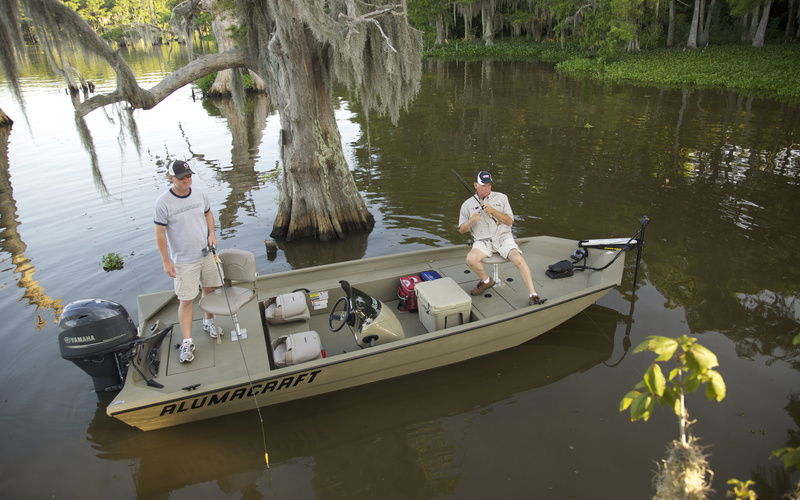
Images have been gathered from various sources and belong to their respective owners.
Review - Alumacraft VB 1860 TSC

MarineBroker
03/06/2024, 2:38 PM
2011 Alumacraft VB 1860 TSC: A Practical Guide to Buying, Setting Up, and Getting the Most from This Jon Boat
If you’ve been searching for a 2011 Alumacraft VB 1860 TSC, you’re probably trying to figure out one of a few things: whether it’s the right boat for your needs, how well it holds up after years of use, or what to look for before buying one secondhand. That’s a smart approach. Boats in this class can be incredibly useful, but only if you know what you’re getting into.
The 2011 Alumacraft VB 1860 TSC is the kind of boat that appeals to practical boaters. It’s simple, tough, and versatile enough for fishing, hunting, and utility use. But like any older aluminum boat, the real challenge isn’t just finding one—it’s knowing how to evaluate its condition, set it up properly, and avoid costly mistakes after the purchase.
That’s where this guide comes in. We’ll walk through what makes this model popular, the common issues buyers should watch for, and the best ways to use and maintain it so it stays dependable on the water. Whether you’re buying, restoring, or just researching, this article will help you make a better decision.
- What Makes the 2011 Alumacraft VB 1860 TSC a Popular Utility Boat
The 2011 Alumacraft VB 1860 TSC is a 18-foot aluminum utility-style boat designed for anglers and outdoorsmen who want a straightforward, durable platform. Boats like this are often chosen because they’re easier to tow, launch, and maintain than larger fiberglass rigs.
One of the biggest reasons people look at this model is versatility. It can work well for:
- Fishing on lakes, rivers, and backwaters
- Duck hunting and other shallow-water outdoor use
- General utility work around docks, camps, and cabins
- Adding a small outboard for efficient, low-cost boating
Its aluminum construction is a major advantage. Compared with fiberglass, aluminum is lighter, generally more forgiving in shallow water, and usually easier to repair if it gets dinged up.
The “TSC” configuration is typically associated with a more practical, side-console-style setup, which gives the operator a bit more control and comfort than a bare tiller layout. For many boaters, that makes the boat feel more refined without becoming complicated.
- The Main Problem Buyers Face with the 2011 Alumacraft VB 1860 TSC
The biggest issue with older utility boats isn’t usually the brand or the hull design. It’s condition. A boat like the 2011 Alumacraft VB 1860 TSC may look fine from a distance, but hidden wear can turn a good deal into an expensive headache.
Common buyer concerns include:
- Corrosion or electrolysis on aluminum surfaces
- Soft or damaged decking
- Leaks around rivets, seams, or transom areas
- Old wiring or poorly installed accessories
- Worn-out trailer components
- Engine mismatch or underpowered setups
- Storage damage from sun, water, or neglect
For many buyers, the real problem is uncertainty. They want a boat that can handle work and recreation, but they don’t want to buy someone else’s maintenance problems.
That’s why the solution is not just “find a cheap one.” The smarter approach is to inspect the boat carefully, understand what upgrades matter, and set realistic expectations for an older aluminum rig.
- How to Evaluate a 2011 Alumacraft VB 1860 TSC Before Buying
If you’re looking at a used 2011 Alumacraft VB 1860 TSC, the inspection process matters more than the listing photos. Boats can look clean online and still have structural or mechanical issues underneath.
Here’s a practical checklist.
- Inspect the hull closely
Look for dents, cracks, or signs of repair. Small cosmetic dents are common on aluminum boats, but major deformation around the keel, chines, or transom deserves attention.
Pay special attention to:
- Rivets and seams
- Welds
- Bottom plating
- Areas near bunks or rollers on the trailer
If you see corrosion around fasteners or white powdery buildup, that may point to long-term moisture exposure.
- Check the transom
The transom is one of the most important areas on any boat. If it’s weak, the boat may not safely support the motor.
Look for:
- Flexing when pressure is applied
- Separation at joints
- Water intrusion
- Cracks around the engine mounting area
Even on an aluminum boat, the transom can become a weak point if it has been overloaded or stored poorly.
- Test the flooring and interior structure
Walk the deck and feel for soft spots. A solid aluminum boat should feel stable underfoot. If the flooring has carpet, vinyl, or a removable deck system, inspect beneath it if possible.
Also check:
- Seat bases
- Storage compartments
- Console mounting points
- Drain plugs and bilge area
- Review wiring and electrical accessories
Older boats often come with added accessories such as fish finders, pumps, lights, or trolling motor wiring. These additions are useful, but they can also become messy over time.
Look for:
- Clean fuse protection
- Properly routed wiring
- Corrosion-free terminals
- Working navigation lights
- Functional bilge and livewell pumps, if installed
If the wiring looks like a tangle of random add-ons, budget time and money for cleanup.
- Don’t ignore the trailer
A lot of buyers focus on the boat and forget the trailer. That’s a mistake. A bad trailer can cause launching problems, towing issues, and even hull damage.
Check:
- Tire condition and age
- Bearings and hubs
- Lights and wiring
- Winch and strap condition
- Frame rust or bends
- Bunks and rollers
A solid boat on a bad trailer is still a problem.
- Common Setup Mistakes with the 2011 Alumacraft VB 1860 TSC
Once you own the boat, the next challenge is using it well. A lot of people make the mistake of overcomplicating a simple utility boat.
Here are the most common setup mistakes.
- Using too much motor
It’s tempting to max out horsepower, but bigger isn’t always better. The goal with a boat like this is usually balance, not raw speed.
Too much motor can create:
- Poor handling
- Excessive fuel use
- More stress on the transom
- Reduced shallow-water practicality
Always follow the manufacturer’s horsepower rating and make sure the engine weight is appropriate for the hull.
- Ignoring weight distribution
Aluminum jon-style boats can be sensitive to how weight is arranged. If all the weight sits in the stern, the boat may ride poorly and feel sluggish.
Try to distribute:
- Batteries
- Fuel tanks
- Gear storage
- Anglers or passengers
A balanced boat runs better, planes easier, and is usually safer.
- Adding gear without planning
Many owners keep bolting on accessories without thinking through the layout. That can lead to clutter, electrical issues, and wasted space.
Before adding anything, ask:
- Do I really need this?
- Will it interfere with movement?
- Is the wiring protected?
- Does the added weight make sense?
A clean setup is usually the best setup.
- Best Uses for the 2011 Alumacraft VB 1860 TSC
One reason this model remains popular is that it can do a lot of things well. It’s not a luxury boat, but it can be a very useful one.
- Fishing
For anglers, the 2011 Alumacraft VB 1860 TSC can be a great platform for:
- Bass fishing in shallow water
- Panfish and crappie trips
- River fishing
- Trolling with a small outboard or electric motor
Its size gives you enough room to move around without becoming difficult to trailer or launch.
- Hunting
Many boaters use aluminum utility boats for waterfowl hunting or access to remote hunting spots. The open layout and rugged construction make this model practical for gear, decoys, and muddy conditions.
- Utility and transport
If you need a boat for getting to a cabin, hauling supplies, or working around a property with water access, this type of hull makes sense. It’s simple to clean and less fussy than many recreational boats.
- Shallow-water operation
Because it’s aluminum and relatively lightweight, this boat is often well suited to shallow lakes and protected waters. That doesn’t mean it’s unsinkable or indestructible, but it does make the boat feel more forgiving in rougher conditions than heavier craft.
- Smart Upgrades That Actually Help
If you buy a 2011 Alumacraft VB 1860 TSC, the best upgrades are usually the ones that improve reliability and usability, not just appearance.
- A quality trolling motor
A trolling motor can dramatically improve control, especially for fishing. Choose one with enough thrust for the boat’s load and your typical conditions.
- Modern battery setup
Use marine-grade batteries and proper charging equipment. A weak electrical system causes a lot of frustration on older boats.
- Updated navigation and fish electronics
A compact sonar unit or chartplotter can make the boat much more useful without taking up much space.
- Non-slip flooring
If the deck is slick or worn, adding better traction can improve safety and comfort.
- LED lighting
LEDs are efficient and reliable, especially for night use or early-morning launches.
- Better seating
If the original seats are worn, replacing them with comfortable marine seats can make long days on the water much easier.
- Maintenance Tips to Keep It Dependable
Older aluminum boats reward consistent maintenance. The good news is that most upkeep is straightforward.
- Rinse after use
Freshwater rinse after saltwater or muddy-water use helps reduce corrosion and buildup.
- Inspect fasteners regularly
Loose screws, bolts, and mounts can create noise and wear over time. Tighten anything that starts to shift.
- Keep the bilge and drain areas clean
A clean drain system helps prevent trapped water and reduces odor and corrosion risk.
- Protect electrical connections
Use marine-safe connectors and dielectric grease where needed. Water and electricity do not mix well, especially over years of use.
- Store it properly
If possible, store the boat covered and out of direct weather. UV exposure, standing water, and snow load can all shorten the life of seats, wiring, and decking.
- Watch for galvanic corrosion
If the boat has mixed metals or added accessories, corrosion can appear where aluminum meets incompatible hardware. Use marine-grade materials and inspect contact points regularly.
- What to Expect in Real-World Use
A boat like the 2011 Alumacraft VB 1860 TSC is best appreciated for what it is: a practical, no-nonsense aluminum boat that can handle a lot of everyday jobs.
You probably won’t get the plush ride of a fiberglass bass boat or the speed of a high-performance rig. But you may get:
- Easier towing
- Lower operating costs
- Simpler maintenance
- Better shallow-water access
- More confidence when bumping docks, stumps, or gravel ramps
That makes it a good fit for people who value function over flash.
If you’re the kind of boater who wants a dependable platform for fishing or utility use, this model can be a smart choice as long as you buy carefully and maintain it well.
- How to Decide if It’s the Right Boat for You
The 2011 Alumacraft VB 1860 TSC makes sense if you want a boat that is:
- Durable
- Easy to trailer
- Simple to maintain
- Good for shallow water
- Flexible enough for fishing or utility use
It may not be the best choice if you want:
- High speed
- A large amount of luxury seating
- A fully featured console boat with lots of factory amenities
- A boat that requires little inspection when buying used
A good way to think about it is this: if you want a practical workhorse, this boat can be a strong fit. If you want comfort and polish above all else, you may want to look at a different class of boat.
- Practical Buying Tips for Better Results
Here are a few simple ways to avoid regret when shopping for one.
- Bring a flashlight and inspect every corner
- Ask for maintenance records if available
- Run the motor on the water if possible
- Check the trailer title and registration
- Compare asking price with similar boats in your area
- Be cautious of boats with many “fresh” cosmetic fixes but no mechanical proof
A clean-looking boat is nice. A well-documented boat is better.
- Final Thoughts on the 2011 Alumacraft VB 1860 TSC
The 2011 Alumacraft VB 1860 TSC is a solid example of why aluminum utility boats remain so popular. It’s practical, versatile, and capable of handling a wide range of tasks without much fuss. The key to getting value from one is careful inspection, smart setup, and realistic expectations.
If you’re considering buying one, focus on the hull, transom, wiring, trailer, and overall maintenance history. If you already own one, simple upgrades and regular upkeep can make a big difference in reliability and comfort. In the end, this kind of boat works best for people who want function, not flash. Take the time to evaluate it properly, and it can serve you well for years on the water.
Specifications
General
Boat Type: Power Boats
Class Type: Freshwater Fishing
Specifications
Length: 18.04
Beam: 7.15
Draft: 1.64
Hull Material: Aluminium
Build
First Built: 2011
Propulsion
Fuel Type: Unleaded
Engines: 1
Power: 90 HP
Brand: Mercury
Accomodation
PROS & CONS
What we appreciated
 Durable aluminum hull construction suitable for various water conditionsSpacious 18-foot length providing ample room for fishing and passengersTransom seating configuration (TSC) enhances fishing convenience and comfortGood stability and shallow draft for fishing in lakes and riversReliable and well-known brand with a strong reputation in fishing boats
What we didn’t appreciate
 Limited cabin or storage space compared to larger boatsBasic amenities and features compared to newer modelsMay require an external trailer for transport due to sizeOlder 2011 model may need maintenance or updates to electronicsLess suitable for high-speed cruising or rough offshore conditions
Upkeep Costs
Fuel: Approximately $500 - $1,200 per year depending on usage
Maintenance: Around $300 - $700 annually for engine and hull upkeep
Insurance: Typically $200 - $400 per year
Storage: $500 - $1,200 per year depending on location and type
Registration and Licensing: $50 - $150 per year
Rating
5.3
User
Score
Score
Driveability
Technology
Interior
Design
Similar Boats


MarineBroker
Download now for an immersive boat experience like never before! ⛵✨ Your journey begins with a simple click. 🌊📲
#SetSailSmart #DownloadNow
#SetSailSmart #DownloadNow

Subscribe
Copyright 2017 - 2026, Marinebroker.net, All Rights Reserved