Boat Database » Alumacraft 165 Prowler
Alumacraft 165 Prowler
Outboard four-stroke, Unleaded, 1x 25 HP
Power Boats 2016 Alumacraft 165 Prowler: What Buyers Should Know Before Choosing This Compact Fishing Boat
If you’ve been looking at the 2016 Alumacraft 165 Prowler, chances are you want a boat that feels manageable, practical, and ready for...
Discover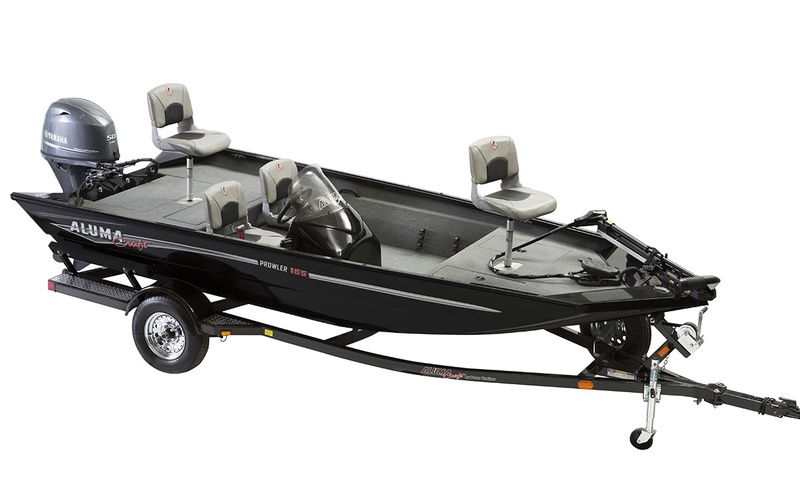


Images have been gathered from various sources and belong to their respective owners.
Review - Alumacraft 165 Prowler

MarineBroker
02/26/2024, 9:09 AM
2016 Alumacraft 165 Prowler: What Buyers Should Know Before Choosing This Compact Fishing Boat
If you’ve been looking at the 2016 Alumacraft 165 Prowler, chances are you want a boat that feels manageable, practical, and ready for real fishing days on the water. That’s exactly why this model gets attention: it sits in a sweet spot for anglers who want something larger and more stable than a tiny jon boat, but without the hassle, cost, or storage demands of a full-size rig.
The challenge, though, is figuring out whether it actually fits your kind of boating. A lot of people get stuck comparing specs, photos, and secondhand listings without knowing what matters most in real use. Is it stable enough for two anglers? Is it easy to tow and launch solo? Will it handle lakes, rivers, and light chop without feeling too limited?
That’s where a smarter approach helps. Instead of chasing the biggest boat or the flashiest setup, it’s better to focus on how the 2016 Alumacraft 165 Prowler performs for everyday fishing, what to inspect before buying, and how to set it up so it works better for your needs. Let’s break it down in a practical way.
- What the 2016 Alumacraft 165 Prowler is designed for
The 2016 Alumacraft 165 Prowler is a compact aluminum fishing boat built for anglers who want a simple, durable, and easy-to-manage platform. Boats in this class are usually chosen by people fishing inland lakes, calm rivers, reservoirs, and sheltered waters.
What makes it appealing is the balance between portability and usability. You’re not dealing with the size and maintenance of a fiberglass bass boat, but you still get a layout that can support serious fishing.
For many buyers, that means:
- Easier towing with a smaller vehicle
- Less storage space required
- Lower operating costs
- Simpler maintenance
- Quick launch and retrieval
That practicality is a big reason aluminum boats remain popular. For anglers who fish often but don’t want boating to become a full-time project, a model like this can make a lot of sense.
- The main problem buyers run into with boats like this
The biggest issue isn’t usually the boat itself. It’s buying the wrong boat for the way you actually fish.
A lot of people see a compact fishing boat and assume it will do everything. Then they realize it may be great on calm water, but less ideal for rough open water, larger crews, or heavy gear loads. Others buy based on price alone and later discover the boat needs extra work, missing accessories, or repairs that add up fast.
With the 2016 Alumacraft 165 Prowler, the common problem is expectation mismatch. Buyers often need help answering questions like:
- Is this the right size for my fishing style?
- How much stability do I really need?
- What should I inspect on a used aluminum boat?
- What upgrades will make it more useful?
The solution is to evaluate the boat based on use case, condition, and setup potential rather than just nameplate size.
- Who the 2016 Alumacraft 165 Prowler is best for
This boat tends to work well for anglers who want a straightforward, no-fuss fishing platform. It’s especially appealing if you fish in places where shallow draft, easy handling, and low maintenance matter more than speed or luxury.
It may be a good fit if you:
- Fish mostly on lakes, ponds, backwaters, or calm rivers
- Often launch by yourself or with one other person
- Need a boat that’s easier to tow and store
- Prefer aluminum durability over fiberglass finish
- Want a practical boat for weekend fishing trips
It may be less ideal if you:
- Regularly fish large, rough open water
- Need room for several passengers and lots of gear
- Want a high-performance bass boat setup
- Expect premium comfort features without upgrades
That’s not a knock on the boat. It just means the best boat is the one that matches your real-world use.
- Why the 2016 Alumacraft 165 Prowler stands out in the aluminum fishing boat category
Aluminum fishing boats have a strong reputation for a reason. They’re usually lighter, easier to maintain, and more forgiving when it comes to everyday use. The 2016 Alumacraft 165 Prowler fits that profile well.
A few reasons buyers often like boats in this class:
- Aluminum resists the long-term maintenance issues common with other materials
- Lighter weight makes trailering and launching easier
- Shallow draft can help in skinny water
- Simple layouts are easier to clean and customize
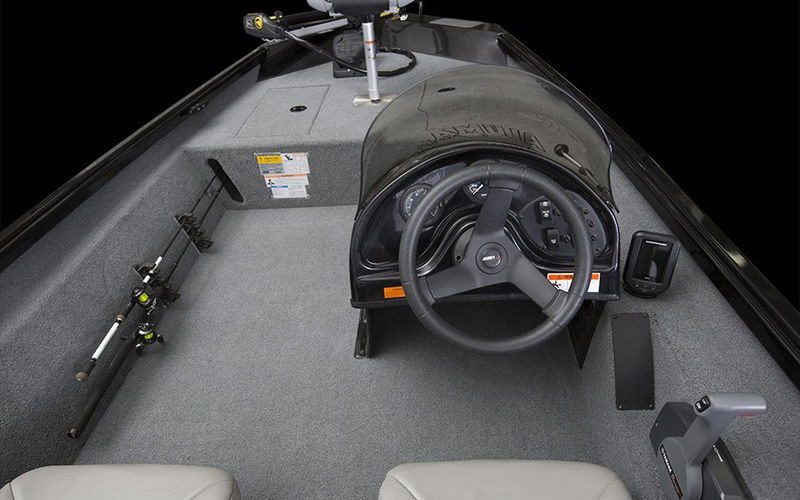
For many anglers, the real value is not just the boat’s factory setup, but how adaptable it is. A compact aluminum fishing boat can often be improved with better seating, electronics, rod storage, trolling motor upgrades, and battery placement.
That flexibility is useful if you want to build the boat around your fishing habits instead of adapting your habits to the boat.
- What to inspect before buying a used 2016 Alumacraft 165 Prowler
If you’re shopping used, inspection matters more than almost anything else. Two boats with the same model name can feel completely different depending on how they were stored and maintained.
Here’s what to check carefully:
- Hull condition
Look for dents, deep scratches, weld damage, and signs of impact. Small cosmetic marks are common, but structural damage is a bigger concern.
- Rivets and seams
Aluminum boats can develop leaks around rivets or seams over time. Check for corrosion, moisture, or evidence of patchwork repairs.
- Transom health
The transom should feel solid, not soft or flexing. This is one of the most important areas to inspect, especially if the boat has carried an outboard motor for years.
- Flooring and decking
If the boat has wood or composite flooring, inspect for rot, warping, or weak spots. Water intrusion here can become expensive if ignored.
- Wiring and electronics
Old wiring, messy splices, and corroded connectors can create headaches later. Test lights, pumps, and any electronics if possible.
- Motor and controls
If the boat includes an outboard, ask for service records, compression info if available, and a test run. A boat can look great while hiding engine issues.
- Trailer condition
Don’t overlook the trailer. Check tires, bearings, lights, bunks, winch, and frame rust. A bad trailer can turn a good boat into a frustrating purchase.
A careful inspection helps solve the most common used-boat problem: buying into hidden repairs.
- How to make the 2016 Alumacraft 165 Prowler work better for your fishing style
One of the best things about a boat like this is that it can usually be improved without a massive budget. If you buy smart, a few practical upgrades can make a big difference.
Useful improvements often include:
- A quality trolling motor
This helps with quiet positioning and better control on lakes and rivers.
- Better seating
Swapping in more comfortable seats can make long fishing days much easier.
- Smart battery setup
Proper battery placement improves balance and helps power accessories reliably.
- Fish finder or sonar unit
Even a modest electronics upgrade can improve navigation and help locate structure or fish.
- Storage organization
Rod holders, tackle bins, and gear trays reduce clutter and make the deck feel bigger.
- Non-slip surfaces
If the deck is slick or worn, adding safer footing makes the boat more comfortable and secure.
The idea is simple: don’t wait for the perfect boat. Build the boat around the way you fish.
- How size affects stability, comfort, and performance
A lot of buyers focus on length alone, but size affects several things at once. With a compact fishing boat like the 2016 Alumacraft 165 Prowler, you get easier handling and transport, but there are tradeoffs.
Here’s how to think about it:
- Stability
A wider, well-designed hull usually feels more stable when casting, reeling, or moving around. But every compact boat has limits, especially with multiple people onboard.
- Comfort
More room generally means more comfort, especially for long trips. If you fish solo or with one partner, a 16-foot-class boat often feels manageable.
- Performance
Smaller boats usually don’t need huge motors, which can keep operating costs down. They can also be easier to maneuver in tight areas.
- Load capacity
Gear, passengers, fuel, and batteries all add weight. Overloading a smaller boat can affect safety and handling.
If your fishing style is simple and focused, the size can be a real advantage. If you regularly bring a crowd, you may want more boat.
- Best water conditions for a boat like this
The 2016 Alumacraft 165 Prowler is generally better suited for protected and moderate waters than for rough, exposed conditions.
Best use cases often include:
- Small and mid-size lakes
- Calm reservoirs
- Protected bays
- Rivers with manageable current
- Backwaters and shallow fishing areas
Conditions where you need more caution:
- Heavy wind
- Steep chop
- Big open water
- High-traffic boating areas with wakes
A practical rule: if you’re mostly chasing bass, panfish, walleye, or similar species on inland waters, this type of boat can be a very efficient choice. If your home water is unpredictable, think carefully about hull size and freeboard before committing.
- Cost-conscious ownership: why this boat can make sense
One of the biggest reasons people look at boats like the 2016 Alumacraft 165 Prowler is value. Not just purchase price, but total cost of ownership.
Compared with larger boats, a compact aluminum fishing boat can help you save on:
- Fuel
- Towing requirements
- Storage fees
- Maintenance
- Winterization complexity
- Replacement parts and accessories
That said, a lower upfront price doesn’t always mean lower final cost. A used boat that needs wiring, trailer work, a new battery setup, or motor service can quickly become more expensive than expected.
So the real solution is to shop with a total-cost mindset:
1. Check the boat’s condition carefully
2. Estimate repair and upgrade costs
3. Compare that total to other available boats
4. Buy the boat that gives you the best usable value, not just the lowest sticker price
- Practical buying tips for the 2016 Alumacraft 165 Prowler
If you’re seriously considering one, here are a few simple tips that can save you trouble later.
- Bring a checklist
It’s easy to forget important details during an in-person inspection. A written checklist keeps you focused.
- Look at how it was stored
A covered, well-kept boat usually ages better than one left outdoors year-round.
- Ask about freshwater or saltwater use
Freshwater boats usually show less corrosion, which can matter a lot in aluminum and trailer components.
- Test everything
Lights, pumps, electronics, switches, and motor controls should all be checked if possible.
- Don’t ignore the trailer
Even a great boat can become a headache if the trailer is worn out.
- Consider your fishing routine
If you fish solo most of the time, prioritize easy launch and control. If you fish with a partner, prioritize deck space and stability.
- Common mistakes to avoid
People often make the same few mistakes when shopping for a used fishing boat.
Avoid these:
- Buying based only on brand name
- Ignoring trailer condition
- Underestimating repair costs
- Assuming all aluminum boats feel the same
- Choosing a boat that’s too small for your gear and crew
- Skipping a water test when possible
The best move is to treat the purchase like a long-term fishing tool, not an impulse buy.
- Why the 2016 Alumacraft 165 Prowler still gets attention
Even years after its release, the 2016 Alumacraft 165 Prowler remains interesting to anglers because it represents a practical middle ground. It’s not trying to be a luxury boat or a giant tournament rig. It’s trying to be useful, durable, and easy to live with.
That matters because many boat owners eventually realize the same thing: the most enjoyable boat is often the one that gets used the most. A boat that’s easy to tow, easy to launch, and easy to maintain can lead to more time fishing and less time dealing with logistics.
For the right buyer, that’s the real win.
- Conclusion
The 2016 Alumacraft 165 Prowler is a strong option for anglers who want a compact, durable, and practical fishing boat. The key is understanding what it does well: easy handling, simple maintenance, and flexible use on calm to moderate waters. The biggest mistake buyers make is expecting it to solve every boating need, when the smarter move is matching the boat to your fishing style.
If you’re shopping used, inspect the hull, transom, trailer, and wiring carefully, and think beyond the sticker price. With the right setup and a few smart upgrades, this boat can become a very capable everyday fishing platform. If you’re comparing options, keep focusing on usability, not just specs, and you’ll be much more likely to end up with a boat you actually enjoy using.
Specifications
General
Boat Type: Power Boats
Class Type: Freshwater Fishing
Specifications
Length: 16.08
Beam: 6.56
Draft: 0.66
Hull Material: Aluminium
Build
First Built: 2016
Propulsion
Fuel Type: Unleaded
Engines: 1
Power: 25 HP
Brand: Mercury
Accomodation
PROS & CONS
What we appreciated
 Durable aluminum construction for longevity and low maintenanceSpacious 16.5-foot length provides ample room for fishing and gearStable hull design offers good handling and stability in various water conditionsLightweight, making it easy to trailer and launchVersatile layout suitable for freshwater fishing and recreational use
What we didn’t appreciate
 Basic amenities compared to larger or more modern boatsLimited seating capacity may not accommodate larger groups comfortablyMinimal storage compartments for extended tripsNo built-in livewell or advanced fishing electronics includedPerformance can be affected in rougher waters due to smaller size
Upkeep Costs
Fuel: Approximately $1,000 - $1,500 per year depending on usage
Maintenance: Around $300 - $600 annually for engine and hull upkeep
Insurance: Typically $200 - $400 per year
Storage: $500 - $1,200 annually depending on location and type
Registration and Taxes: $50 - $150 per year
Rating
5.1
User
Score
Score
Driveability
Technology
Interior
Design
Similar Boats


MarineBroker
Download now for an immersive boat experience like never before! ⛵✨ Your journey begins with a simple click. 🌊📲
#SetSailSmart #DownloadNow
#SetSailSmart #DownloadNow

Subscribe
Copyright 2017 - 2026, Marinebroker.net, All Rights Reserved