Boat Database » Alumacraft MV1650 AW CC
Alumacraft MV1650 AW CC
Outboard four-stroke, Unleaded, 1x 25 HP
Power Boats 2010 Alumacraft MV1650 AW CC: A Practical Guide to Buying, Setting Up, and Using This Versatile Aluminum Boat
If you’ve been searching for information on the 2010 Alumacraft MV1650 AW CC, you’re probably trying to figure out one ...
Discover
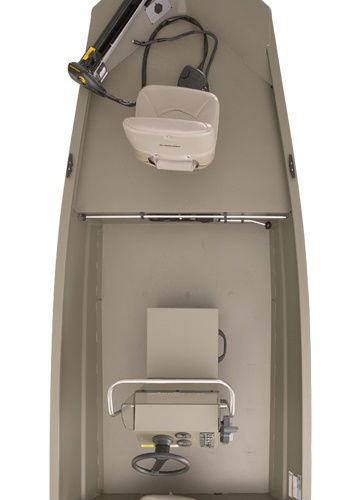
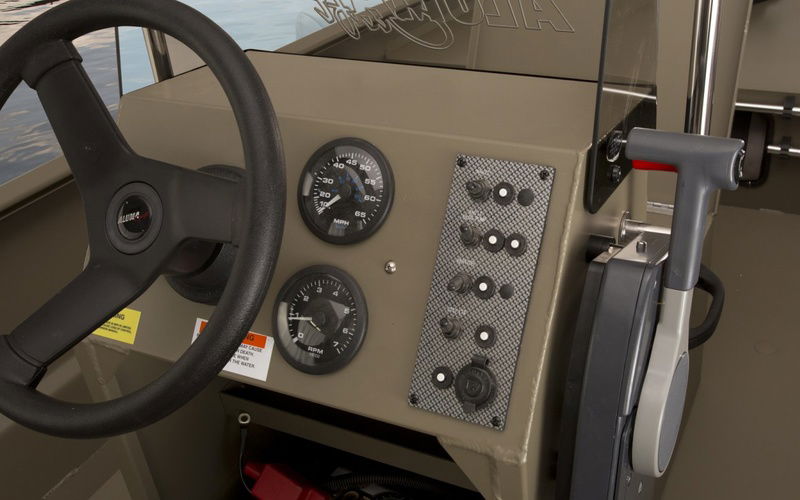
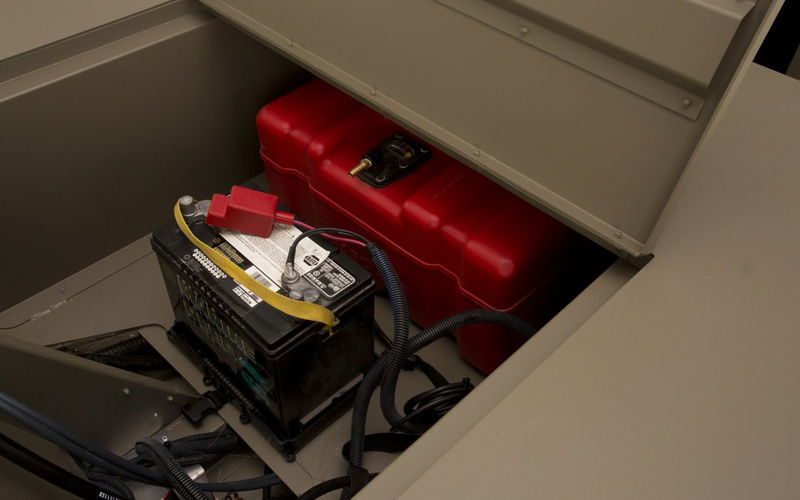
Images have been gathered from various sources and belong to their respective owners.
Review - Alumacraft MV1650 AW CC

MarineBroker
02/29/2024, 6:57 AM
2010 Alumacraft MV1650 AW CC: A Practical Guide to Buying, Setting Up, and Using This Versatile Aluminum Boat
If you’ve been searching for information on the 2010 Alumacraft MV1650 AW CC, you’re probably trying to figure out one thing: is this boat still a smart choice today? That’s a fair question. Older aluminum boats can be fantastic values, but only if you know what to look for before you buy, restore, or outfit one.
The 2010 Alumacraft MV1650 AW CC sits in a very interesting spot. It’s compact enough to trailer easily, light enough for many mid-size vehicles to handle, and versatile enough for fishing, cruising, and general utility use. But like many boats of this age, the real challenge isn’t just finding one — it’s knowing how to assess its condition, spot common issues, and set it up so it performs the way you want.
That’s where most buyers get stuck. They see the right model, but they’re not sure whether the hull is sound, whether the motor pairing makes sense, or what upgrades are actually worth the money. The good news is that with a little know-how, you can avoid expensive mistakes and turn this boat into a reliable, practical rig that fits your needs.
- What Makes the 2010 Alumacraft MV1650 AW CC Worth Considering?
The 2010 Alumacraft MV1650 AW CC is a center console aluminum boat that appeals to people who want flexibility without the weight and maintenance of fiberglass. Alumacraft has long been known for building tough, functional boats, and this model reflects that reputation.
At around 16.5 feet, it’s small enough for easy storage and towing, but it still offers enough deck space for fishing and day-use boating. The center console layout gives you better visibility and more open movement around the boat, which is especially useful if you fish with a partner or need to move gear around often.
This type of boat is popular with:
- Weekend anglers
- Small-water boaters
- Hunters and utility users
- First-time boat owners
- Buyers looking for lower operating costs
For many people, the biggest advantage is simplicity. Aluminum boats like the MV1650 AW CC are generally easier to maintain than larger fiberglass boats, and they tend to hold up well in shallow water, rough ramps, and everyday use.
- The Main Problem Buyers Face With Older Aluminum Boats
When people look at a used boat like the 2010 Alumacraft MV1650 AW CC, the biggest problem is usually uncertainty. The boat may look fine at first glance, but hidden wear can turn a good deal into a headache.
Common concerns include:
- Corrosion around rivets, welds, or fittings
- Soft or damaged flooring
- Electrical issues
- Poor maintenance history
- An underpowered or mismatched motor
- Old rigging that no longer performs well
Many buyers focus on the hull and forget the rest of the package. But a boat is only as good as its weakest system. A clean-looking aluminum hull with bad wiring, a failing transom, or neglected fuel components can still cost a lot to fix.
That’s why the real solution is not just “buy the boat you like.” It’s learning how to inspect it properly and understand what upgrades or repairs matter most.
- How to Inspect a 2010 Alumacraft MV1650 AW CC Before You Buy
A careful inspection can save you a lot of money. If you’re looking at a used 2010 Alumacraft MV1650 AW CC, take your time and check the boat as a system, not just as a hull.
Start with these key areas:
- Hull condition
Look closely for dents, deep gouges, patches, or signs of impact. Small cosmetic marks are normal, but structural damage near the keel, chines, or transom deserves attention.
- Rivets and seams
Aluminum boats often use riveted construction. Check for loose rivets, water stains, or signs of leakage. A few minor issues may be manageable, but widespread seepage can point to bigger problems.
- Transom integrity
This is one of the most important checks on any older boat. Push and inspect for flex, rot, or separation around the motor mounting area. If the transom is weak, repairs can be costly.
- Deck and flooring
Walk the entire deck and listen for soft spots or unusual movement. If the floor is covered, ask what’s underneath. Hidden corrosion or water damage can be expensive to correct.
- Wiring and console
Test lights, switches, gauges, and pumps. Old wiring often becomes brittle or corroded, especially in boats stored outdoors.
- Fuel system
Inspect the tank, fuel lines, primer bulb, and connections. Rubber components age over time, even when a boat hasn’t seen heavy use.
- Trailer condition
Don’t overlook the trailer. Rust, bad bearings, worn tires, and weak bunks can turn a “ready-to-go” boat into a project before you even launch it.
A good rule of thumb: if the seller can’t clearly explain maintenance history, assume you’ll need to do some work.
- What the 2010 Alumacraft MV1650 AW CC Is Best Used For
This model shines in practical, everyday boating situations. It’s not trying to be a luxury cruiser, and that’s part of the appeal.
The 2010 Alumacraft MV1650 AW CC is often a great fit for:
- Inland lakes
- Rivers with moderate current
- Shallow-water fishing
- Small family outings
- Trolling and casting setups
- Utility use around camps or waterfront properties
Because of its size and aluminum construction, it is easier to launch and retrieve than many heavier boats. That makes it a good choice for solo boaters or anyone who doesn’t want a complicated setup.
It’s also a smart platform for customizing. Owners often add:
- Casting decks
- Trolling motors
- Fish finders
- Storage boxes
- New seating
- Battery upgrades
If you want a boat that can adapt to your style, this one has a lot going for it.
- Choosing the Right Motor Setup for the 2010 Alumacraft MV1650 AW CC
One of the most common mistakes buyers make is ignoring motor compatibility. The boat may be solid, but the wrong outboard can hurt performance and fuel economy.
For a boat like the 2010 Alumacraft MV1650 AW CC, the ideal motor depends on how you plan to use it.
Consider the following:
- Light fishing and casual cruising
A smaller, fuel-efficient outboard may be enough.
- Heavier loads or family use
You may want more horsepower for better hole shot and handling.
- Shallow-water and trolling focus
A lower-horsepower setup can be practical if top speed isn’t your priority.
Before buying, confirm:
- Recommended horsepower range
- Transom height
- Shaft length
- Weight capacity
- Control setup compatibility
If the motor is too heavy, too small, or poorly mounted, the boat may not perform well. A balanced setup gives you better handling, better fuel efficiency, and less stress on the hull.
- Common Upgrades That Actually Improve the Boat
If you already own the boat, or you’re thinking about buying one, a few smart upgrades can make a huge difference.
Here are the most useful ones:
- New marine battery and wiring cleanup
Old electrical systems are often the first thing to fail. Replacing weak wiring and terminals improves reliability fast.
- Trolling motor
If you fish often, this is usually one of the best investments you can make. It improves boat control and makes the boat much more versatile.
- Updated seating
Comfort matters more than many people think, especially on longer days on the water.
- Navigation and fish-finding electronics
A modern sonar unit or GPS combo can dramatically improve how you use the boat.
- Non-slip deck surfaces
These improve safety, especially on wet aluminum decks.
- Storage and organization
Simple additions like tackle trays, rod holders, and dry storage can make the boat feel much more functional.
The key is to spend money where it makes boating easier, safer, or more reliable. Cosmetic upgrades are fine, but they should come after the essentials.
- Maintenance Tips to Keep the Boat in Good Shape
Once you’ve got the boat, regular maintenance is what keeps it useful for years. Aluminum boats are durable, but they still need attention.
A simple maintenance routine should include:
- Rinse the boat after use, especially in brackish or dirty water
- Check rivets and seams for leaks
- Inspect the trailer before every trip
- Grease bearings and moving parts
- Test navigation lights and bilge pumps
- Flush the motor after use
- Store the boat covered when possible
- Keep batteries charged and terminals clean
It also helps to do a seasonal checkup. Before the start of boating season, look at:
- Fuel system condition
- Battery health
- Steering response
- Hull damage
- Trailer lights and tires
- Safety equipment
A little prevention goes a long way. Boats usually become expensive not because of one big failure, but because small issues were ignored too long.
- Why Aluminum Boats Like This One Stay Popular
There’s a reason people keep looking for boats like the 2010 Alumacraft MV1650 AW CC. Aluminum boats offer a practical mix of durability, affordability, and flexibility.
Here’s why they remain popular:
- They’re lighter and easier to tow
- They handle shallow water well
- They’re often easier to repair than fiberglass boats
- They usually cost less to maintain
- They’re good for fishing and utility use
For buyers who want a no-nonsense boat, that’s hard to beat. You may not get the plush finish of a newer premium model, but you often get something more useful for real-world boating.
That said, the value is only there if the boat has been cared for. A well-maintained older aluminum boat can outperform a neglected newer one every time.
- Signs the Boat Is a Good Buy
If you’re evaluating a used 2010 Alumacraft MV1650 AW CC, look for these green flags:
- Clean maintenance records
- Solid transom and floor
- Working electronics and lights
- A motor that starts easily and runs smoothly
- Trailer in good condition
- No obvious signs of major repairs or patchwork
- Reasonable storage history, such as indoor or covered storage
A boat with honest wear but good bones is often a better purchase than a shiny one with hidden problems.
It’s also worth asking the seller how the boat was used. A lightly used fishing boat on inland water may be in much better shape than one that spent years bouncing around rough ramps or sitting outdoors uncovered.
- When to Walk Away
Sometimes the smartest move is not to buy.
Walk away if you find:
- Major transom damage
- Extensive corrosion
- Repeated leak issues
- Unsafe trailer condition
- No service history and obvious neglect
- A motor that hasn’t been run or inspected
- A price that doesn’t match the boat’s condition
It’s easy to get attached to a boat that seems close to perfect. But repairs can quickly add up, especially if you’re trying to make the boat water-ready right away.
If the cost of fixing the issues starts to approach the cost of a better boat, it’s usually time to keep looking.
- Final Thoughts on Getting the Most from the 2010 Alumacraft MV1650 AW CC
The 2010 Alumacraft MV1650 AW CC can be a smart, practical choice for the right buyer. It offers the kind of straightforward versatility that many boaters want: easy towing, manageable size, aluminum durability, and plenty of room for fishing or casual use.
The main challenge is not the boat itself, but choosing one in good condition and setting it up properly. If you inspect the hull, transom, trailer, and motor carefully, you can avoid common used-boat problems and end up with a reliable rig that fits your needs.
For many boaters, that’s the real win: not the newest boat on the water, but the one that works well, stays affordable, and gets used often. If you’re still researching, take time to compare condition, layout, and maintenance history before making a move. A little patience now can lead to a much better boating experience later.
Specifications
General
Boat Type: Power Boats
Class Type: Freshwater Fishing
Specifications
Length: 16.08
Beam: 8.2
Draft: 0.98
Hull Material: Aluminium
Build
First Built: 2010
Propulsion
Fuel Type: Unleaded
Engines: 1
Power: 25 HP
Brand: Mercury
Accomodation
PROS & CONS
What we appreciated
 Durable aluminum construction for longevity and low maintenanceMulti-V hull design provides good stability and smooth rideCenter console layout offers excellent visibility and easy maneuverabilitySpacious deck suitable for fishing and recreational activitiesLightweight and easy to tow with smaller vehicles
What we didn’t appreciate
 Limited cabin or storage space compared to larger boatsMay feel small or cramped for larger groupsBasic features and amenities compared to newer modelsLess protection from weather elements due to center console designOlder model may require more maintenance or upgrades
Upkeep Costs
Fuel: Approximately $500 - $1,000 per year depending on usage
Maintenance and Repairs: Around $300 - $600 per year
Insurance: Typically $200 - $400 per year
Storage: $300 - $1,000 per year depending on location and type
Registration and Licensing: $50 - $150 per year

Rating
4.6
User
Score
Score
Driveability
Technology
Interior
Design
Similar Boats


MarineBroker
Download now for an immersive boat experience like never before! ⛵✨ Your journey begins with a simple click. 🌊📲
#SetSailSmart #DownloadNow
#SetSailSmart #DownloadNow

Subscribe
Copyright 2017 - 2026, Marinebroker.net, All Rights Reserved