Boat Database » Alumacraft Pro 185
Alumacraft Pro 185
Outboard four-stroke, Unleaded, 1x 50 HP
Power Boats 2015 Alumacraft Pro 185: What to Look For, Common Issues, and How to Set It Up Right
If you’re researching the 2015 Alumacraft Pro 185, you’re probably trying to answer a pretty practical question: is this boat still a smart buy,...
Discover
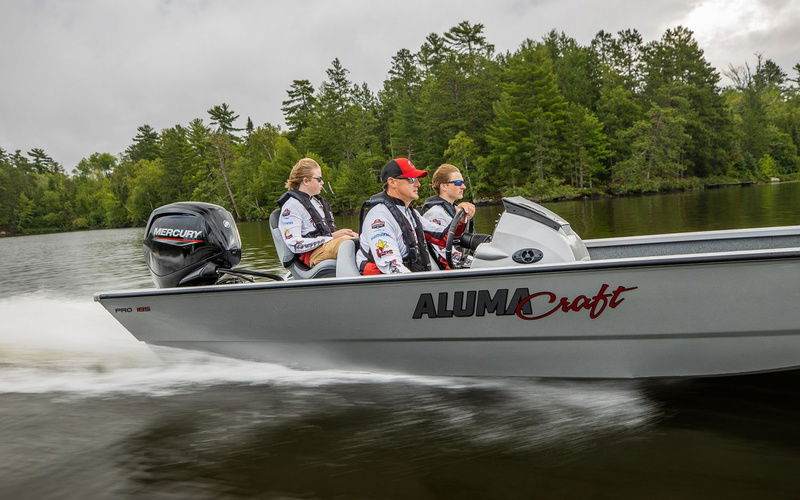
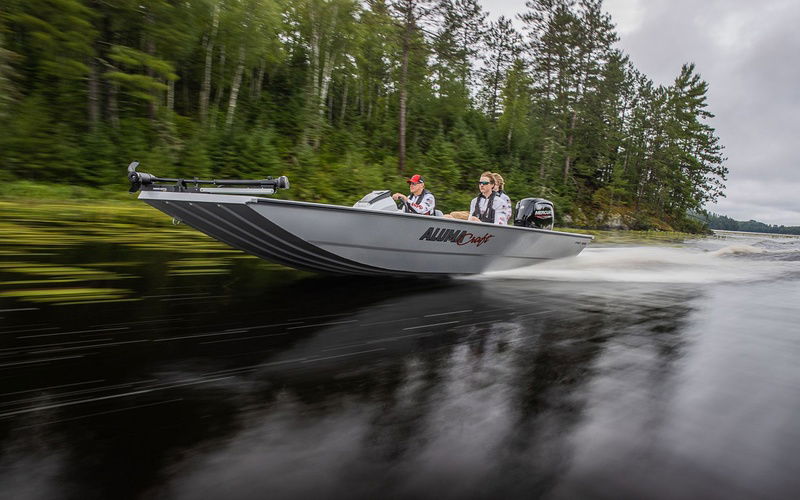
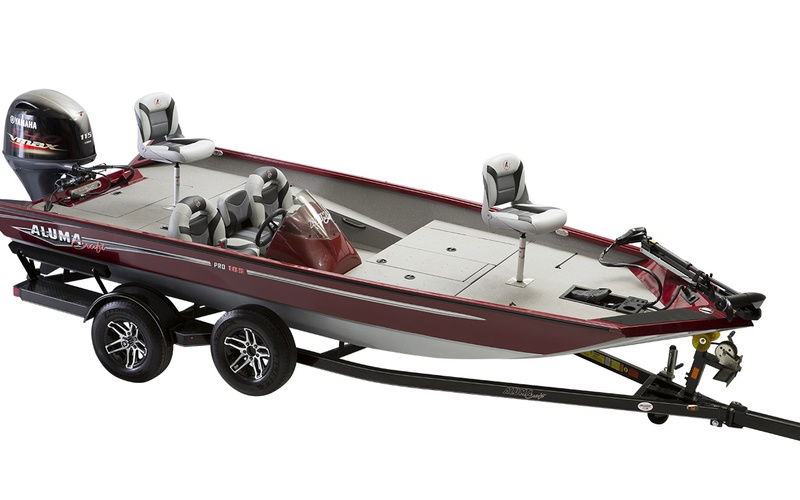
Images have been gathered from various sources and belong to their respective owners.
Review - Alumacraft Pro 185

MarineBroker
02/26/2024, 9:03 AM
2015 Alumacraft Pro 185: What to Look For, Common Issues, and How to Set It Up Right
If you’re researching the 2015 Alumacraft Pro 185, you’re probably trying to answer a pretty practical question: is this boat still a smart buy, and what should you watch out for before you commit? That’s a fair question. A used aluminum bass boat can be a great value, but only if you know how to spot the signs of wear, understand the boat’s setup, and avoid the common mistakes that turn a “good deal” into a headache.
The 2015 Alumacraft Pro 185 has a lot going for it. It’s a versatile 18-foot class boat that appeals to anglers who want a stable platform, decent storage, and a hull that can handle a mix of lakes and river water. But like any boat that’s been on the water for years, the real story is in the details: trailer condition, transom health, wiring, livewell function, and how the boat was maintained.
In this article, we’ll walk through the most important things to know about the 2015 Alumacraft Pro 185, the problems buyers commonly run into, and the practical solution: how to inspect, evaluate, and set up the boat so it performs the way it should.
- What Makes the 2015 Alumacraft Pro 185 Popular Among Anglers
The 2015 Alumacraft Pro 185 sits in a sweet spot for a lot of boaters. It’s big enough to feel stable and fish comfortably, but still manageable for towing, launching, and storing without needing a massive truck or oversized garage space.
A lot of anglers like this model because it tends to offer:
- A practical bass-boat layout
- Good deck space for casting and moving around
- Aluminum construction that keeps weight down
- Easier maintenance compared with many fiberglass boats
- Solid versatility for freshwater fishing
That last point matters more than people think. Some boats are built for one very specific style of fishing. The Pro 185 is more of an all-around fishing platform, which makes it attractive to weekend anglers, families, and anyone who wants a dependable boat without overcomplicating things.
Still, the value of any used boat depends on condition more than brand name. A clean, well-maintained Pro 185 can be a great buy. A neglected one can become expensive quickly.
- The Main Problem Buyers Face With a Used 2015 Alumacraft Pro 185
The biggest issue isn’t usually the model itself. It’s uncertainty.
When people shop for a used 2015 Alumacraft Pro 185, they often don’t know:
- How hard the boat was used
- Whether the motor was serviced regularly
- If the trailer has hidden rust or bearing issues
- Whether the wiring has been modified poorly
- If the hull has damage from rocks, stumps, or repeated beaching
- Whether accessories like pumps, gauges, and electronics still work properly
In other words, the problem is not “Is this a good boat?” It’s “How do I tell if this specific boat is a good one?”
That’s where a smart inspection process solves the problem. If you know what to check, you can separate a solid boat from one that only looks good in photos.
- 2015 Alumacraft Pro 185 Inspection Checklist
Before you buy or invest in upgrades, give the boat a careful walk-through. A few minutes of inspection can save you a lot of money later.
- Check the hull carefully
Start with the aluminum hull. Look for:
- Dents deeper than normal surface marks
- Cracks near welds
- Signs of impact on the keel or corners
- Uneven patches or repairs
- Corrosion around fasteners or rivets
Small cosmetic marks are common on used aluminum boats. What you want to avoid are structural issues or signs of repeated hard impacts.
- Inspect the transom
The transom is one of the most important parts of the boat. If it’s weak, everything else becomes a problem.
Look for:
- Flex when the motor is trimmed up and down
- Soft spots
- Cracks around mounting bolts
- Water intrusion
- Rust stains around hardware
A transom issue can be expensive to repair, so this is not a detail to skip.
- Test the trailer
A used boat is only as good as the trailer under it. Check:
- Tires for dry rot or uneven wear
- Wheel bearings for heat or noise
- Lights and wiring
- Winch strap condition
- Bunks or rollers for wear
- Frame rust, especially under the trailer
If the trailer needs major work, that cost should factor into your decision.
- Verify the motor and controls
If the boat includes an outboard, ask for maintenance records. Then inspect:
- Compression
- Cold start behavior
- Idle quality
- Shifting into gear
- Water pump output
- Steering smoothness
- Throttle response
A motor that starts easily cold and runs smoothly under load is a much better sign than one that only sounds okay in the driveway.
- Test all electrical systems
Used boats often have electrical issues that are annoying but fixable. The key is knowing about them before buying.
Check:
- Navigation lights
- Bilge pump
- Livewell pump
- Horn
- Battery condition
- Breakers and fuse panel
- Fish finder or electronics if included
If the boat has aftermarket wiring, inspect it closely. Sloppy wiring is one of the most common headaches in used fishing boats.
- Common Problems on a 2015 Alumacraft Pro 185
Even a good boat can develop issues over time. The goal is to know the common trouble spots so you can catch them early.
- Trailer wear and bearing issues
This is one of the most common problems with any used fishing boat setup. Trailer bearings can fail if they weren’t greased regularly or if the boat sat unused for long periods.
Signs of trouble include:
- Hot hubs after towing
- Grinding sounds
- Grease leaking from seals
- Tire wobble
- Uneven tire wear
The solution is simple: inspect the bearings before long trips and replace questionable seals or hubs early.
- Corrosion around hardware
Even aluminum boats can show corrosion around mixed-metal hardware, especially if they’ve spent time in wet conditions or near brackish water.
Watch for:
- White powdery buildup
- Pitting around screws
- Rusted bolts
- Loose fittings
The fix usually involves cleaning, replacing corroded hardware, and using marine-grade sealants where needed.
- Livewell and pump problems
A lot of used boats have livewell systems that work only part of the time. That’s often due to clogged intakes, worn pumps, or bad switches.
If the boat is used for tournament-style fishing or long days on the water, this matters more than people realize.
A good test is to fill and cycle the livewell system before buying. Don’t assume it works just because the switch clicks.
- Old batteries and charging issues
Many boat problems blamed on “bad wiring” are actually battery issues.
Check the age of:
- Cranking battery
- Trolling motor batteries
- Onboard charger, if installed
Weak batteries can make a boat seem unreliable when the real issue is just age and poor maintenance.
- Noisy or worn trolling motor setup
The trolling motor is often heavily used on fishing boats. If it’s weak, noisy, or inconsistent, that can affect the entire experience on the water.
Inspect:
- Shaft condition
- Mount tightness
- Pedal or control response
- Prop wear
- Battery draw
A trolling motor that’s been abused or underpowered for the boat can be frustrating fast.
- How to Know If the 2015 Alumacraft Pro 185 Is a Good Fit for You
Not every boat fits every angler. The 2015 Alumacraft Pro 185 is a strong option if you want a practical fishing boat without moving into a larger, more expensive rig.
It may be a good fit if you:
- Fish lakes, reservoirs, or moderate inland waters
- Want a stable platform for casting and moving around
- Prefer aluminum for lighter weight and easier towing
- Need a boat that’s easier to maintain than fiberglass
- Value storage and layout more than luxury features
It may not be the best choice if you:
- Need a very large deck for multiple anglers all the time
- Want a premium ride in rough open water
- Prefer a boat with lots of high-end integrated electronics already installed
- Need the newest tech and don’t want to upgrade anything
The boat can absolutely work well for many anglers, but the key is matching the boat to your fishing style.
- Practical Ways to Set Up the 2015 Alumacraft Pro 185 for Better Performance
Once you’ve got a solid boat, the next step is making it work better for you. A few smart upgrades can improve comfort, efficiency, and fishing success.
- Upgrade the batteries
If the batteries are old, replace them before you trust the boat on a full day trip. Fresh batteries make a huge difference for:
- Trolling motor performance
- Starting reliability
- Electronics stability
- Livewell operation
This is one of the best value-for-money improvements you can make.
- Add or update electronics
A quality fish finder or GPS unit can make the boat much more useful, especially if you fish unfamiliar water.
Helpful features include:
- Side imaging
- Down imaging
- GPS mapping
- Waypoint storage
- Water temp readings
You don’t need the most expensive unit, just one that fits your fishing style.
- Organize storage for efficiency
The Pro 185 layout can be much easier to use if you organize it well.
Try:
- Lining tackle boxes by technique
- Keeping safety gear in one dedicated compartment
- Storing extra prop, tools, and fuses together
- Using dry bags for phones, keys, and documents
A clean storage system reduces clutter and helps you fish faster.
- Maintain the trailer regularly
A lot of boat owners focus only on the boat and ignore the trailer. That’s a mistake.
Stay ahead with:
- Greasing bearings
- Checking tire pressure
- Inspecting lights before every trip
- Replacing worn straps and winch parts
- Washing off road grime after trips
This keeps the whole rig safer and easier to tow.
- Keep the hull clean and protected
Aluminum boats still benefit from regular cleaning. Wash off grime, algae, and residue after trips, especially if the boat sits for long periods.
That helps prevent:
- Oxidation
- Staining
- Hardware corrosion
- Slippery deck buildup
A simple rinse and wipe-down after use goes a long way.
- What to Ask Before Buying a Used 2015 Alumacraft Pro 185
If you’re shopping for one, ask the seller the right questions. The answers can tell you a lot about how the boat was treated.
Useful questions include:
1. How often was the boat used?
2. Was it stored indoors or outside?
3. When was the motor last serviced?
4. Are there maintenance records?
5. Has the transom ever been repaired?
6. Have the batteries been replaced recently?
7. Is the trailer original?
8. Have any electrical systems been rewired?
9. Was the boat used in freshwater only?
10. Why are you selling it?
You’re not just collecting answers. You’re looking for consistency. A seller who knows the maintenance history is usually a much safer bet than one who says, “I’m not really sure.”
- Why Maintenance Matters More Than Age
A lot of buyers focus too much on the year and not enough on care. A 2015 boat can be in excellent shape if it was stored properly and serviced regularly. A newer boat can be a mess if it was neglected.
For the 2015 Alumacraft Pro 185, maintenance affects:
- Hull longevity
- Motor reliability
- Trailer safety
- Electrical performance
- Resale value
That’s why a pre-purchase inspection is worth it. Even if you’re mechanically inclined, having a marine mechanic check the motor and a trailer specialist inspect the running gear can reveal problems early.
- Smart Buying Strategy for the 2015 Alumacraft Pro 185
If you want the safest path, follow this simple approach:
- Inspect the hull, transom, trailer, and wiring
- Test all pumps, lights, and electronics
- Verify motor condition with a cold start and water test if possible
- Ask for service records
- Budget for immediate maintenance after purchase
- Don’t ignore trailer costs when comparing prices
That strategy helps you focus on total ownership cost, not just the sticker price.
A boat that needs a few small fixes can still be a good value. A boat with hidden structural or mechanical issues can quickly become a money pit.
- Conclusion
The 2015 Alumacraft Pro 185 can be a smart, practical choice for anglers who want a versatile aluminum fishing boat, but the real key is knowing what to inspect before you buy or upgrade. Focus on the hull, transom, trailer, motor, and electrical systems, because those areas usually reveal the boat’s true condition. If you’re careful, you can avoid the common problems that catch buyers off guard and end up with a boat that’s reliable, easy to tow, and enjoyable to fish from.
In the end, the best solution is simple: buy with a checklist, not with hope. Take your time, verify the details, and set the boat up the right way from day one. If you want to keep learning, explore more used boat buying tips and maintenance guides before making your final decision.
Specifications
General
Boat Type: Power Boats
Class Type: Freshwater Fishing
Specifications
Length: 18.37
Beam: 7.55
Draft: 0.98
Hull Material: Aluminium
Build
First Built: 2015
Propulsion
Fuel Type: Unleaded
Engines: 1
Power: 50 HP
Brand: Mercury
Accomodation
PROS & CONS
What we appreciated
 Durable aluminum hull suitable for various water conditionsSpacious interior with ample seating for family or friendsGood fuel efficiency for a boat of its sizeStable and easy to handle, great for beginners and experienced boatersVersatile for multiple activities including fishing, cruising, and watersports
What we didn’t appreciate
 Limited cabin or storage space compared to larger boatsBasic factory trim; may require aftermarket upgrades for enhanced comfortOutboard motor not included, adding to total costMinimal onboard electronics in the base modelLess suitable for rough offshore conditions
Upkeep Costs
Fuel: Approximately $800-$1,200 per year depending on usage
Maintenance: Around $300-$600 annually for engine and hull upkeep
Insurance: Typically $300-$500 per year
Storage: $500-$1,200 annually depending on location and type
Registration and Licensing: $50-$150 per year

Rating
5.9
User
Score
Score
Driveability
Technology
Interior
Design
Similar Boats


MarineBroker
Download now for an immersive boat experience like never before! ⛵✨ Your journey begins with a simple click. 🌊📲
#SetSailSmart #DownloadNow
#SetSailSmart #DownloadNow

Subscribe
Copyright 2017 - 2026, Marinebroker.net, All Rights Reserved