Boat Database » Alumacraft 1436 JON
Alumacraft 1436 JON
Outboard four-stroke, Unleaded, 1x 15 HP
Power Boats 2016 Alumacraft 1436 JON: How to Make a Small Jon Boat Work Better for Fishing, Hunting, and Everyday Use
If you’re looking at a 2016 Alumacraft 1436 JON, chances are you already know the appeal of a small aluminum jon boat. It’s...
Discover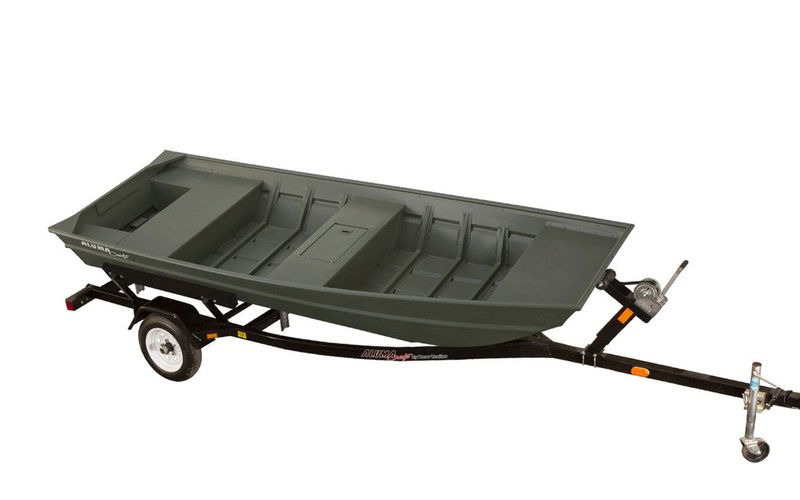


Images have been gathered from various sources and belong to their respective owners.
Review - Alumacraft 1436 JON

MarineBroker
03/04/2024, 7:39 AM
2016 Alumacraft 1436 JON: How to Make a Small Jon Boat Work Better for Fishing, Hunting, and Everyday Use
If you’re looking at a 2016 Alumacraft 1436 JON, chances are you already know the appeal of a small aluminum jon boat. It’s light, simple, easy to launch, and tough enough for backwater fishing, duck hunting, or quick trips on calm water. But there’s also a common challenge that comes with boats this size: they can feel cramped, underpowered, or a little too basic if you don’t set them up the right way.
That’s where a lot of owners and buyers get stuck. The boat itself is a solid starting point, but the real difference comes from how you use it and what you do to improve it. A 14-foot jon boat can be incredibly useful, but only if you understand its limits and make smart choices around setup, load, and accessories.
In this article, we’ll walk through the most common issues people run into with the 2016 Alumacraft 1436 JON and the practical ways to solve them. Whether you already own one or you’re thinking about buying one, you’ll get a clearer idea of how to make this compact boat safer, more comfortable, and more capable on the water.
- What Makes the 2016 Alumacraft 1436 JON a Popular Small Boat
The 2016 Alumacraft 1436 JON is part of a classic category of boats that has stayed popular for decades: the no-frills aluminum jon boat. The “1436” name typically refers to the boat’s length and bottom width, which gives you a compact hull that’s easy to handle and transport.
For many people, that’s the big advantage. It can be hauled with a smaller trailer, launched by one person, and moved around without much hassle. It’s especially appealing for anglers, hunters, and property owners who need a dependable boat for ponds, creeks, shallow rivers, and protected lakes.
What makes this model attractive is its balance of simplicity and durability. It doesn’t try to be fancy. Instead, it focuses on being practical, lightweight, and easy to maintain.
That said, small jon boats are not one-size-fits-all. The 2016 Alumacraft 1436 JON is best used with realistic expectations. It shines in shallow, calm water, but it needs thoughtful setup to avoid common frustrations like instability, limited storage, or poor weight distribution.
- The Most Common Problem: Small Boat Limitations
The biggest issue people face with a 14-foot jon boat is not usually the boat itself. It’s expecting too much from it.
A boat like the 2016 Alumacraft 1436 JON is built for simplicity, but that also means:
- Less room for gear and passengers
- Lower load capacity than bigger boats
- More sensitivity to weight placement
- More movement in rough water
- Limited comfort for long outings
If you’re coming from a larger aluminum boat or a fiberglass fishing rig, the difference can be surprising. A small jon boat reacts quickly to movement, so even shifting your weight can affect trim and stability.
This is why many owners feel like the boat “doesn’t handle right” when the real issue is overloading, poor layout, or using the wrong accessories. The good news is that these problems are usually fixable.
- How to Solve Stability Problems on the 2016 Alumacraft 1436 JON
Stability is the first thing most owners want to improve. A narrow, lightweight jon boat can feel tippy if weight is uneven or if too many items are piled in one area.
Here are some practical ways to improve stability:
1. Keep weight centered and low
Heavy items should stay as low as possible in the boat. Place batteries, fuel tanks, and tackle boxes near the middle instead of on the edges.
2. Avoid overloading the stern
Too much weight in the back can make the bow ride high and reduce control. This is especially important if you use a small outboard or trolling motor.
3. Distribute passengers carefully
If two people are on board, one should not sit far forward while the other stays in the back. Balanced seating helps the boat ride more level.
4. Use a stable floor setup
A simple plywood or aluminum floor can make movement easier and reduce the feeling of standing on an uneven hull. Just keep the added weight reasonable.
5. Don’t push it in rough water
Even a well-set-up 1436 jon boat is still a shallow-water craft. If conditions get choppy, head back in. The safest solution is knowing the boat’s limits.
A lot of “instability” complaints come down to physics, not defects. Once the load is balanced, the boat usually feels much more manageable.
- Choosing the Right Motor for the 2016 Alumacraft 1436 JON
Another common question is what kind of motor works best. The answer depends on how you use the boat, but the key is not to overpower it or expect it to perform like a larger hull.
For many owners, a small outboard or trolling motor is the ideal setup. Here’s why:
- A trolling motor is quiet and excellent for fishing in small waters
- A compact outboard gives you better range and speed
- A combination setup offers flexibility for different conditions
If you are mostly fishing ponds, marshes, or protected backwaters, a trolling motor may be enough. If you need to move longer distances or deal with current, a small outboard can be more practical.
The important thing is matching motor size to the boat’s purpose. A 1436 hull is not meant to be a speed boat. It’s meant to be efficient, easy to control, and reliable in shallow water.
A few tips for motor setup:
- Use the lightest motor that meets your needs
- Keep the battery placement balanced
- Check transom strength and mounting hardware regularly
- Make sure the prop or motor shaft is appropriate for shallow water
If the boat feels sluggish or hard to trim, the issue may be motor choice or weight distribution rather than the hull itself.
- Making the 2016 Alumacraft 1436 JON More Comfortable
Comfort is another area where small jon boats often need help. The factory setup is usually basic, so owners often add simple upgrades to make longer trips easier.
Some of the best comfort improvements include:
- Pedestal seats or bench seat cushions
- Non-slip flooring
- Small storage compartments or tackle trays
- A spray-on or marine-grade seat cover
- A simple casting deck if the boat is used for fishing
Keep in mind that every modification adds weight. In a small boat, even “minor” additions can change how it rides. So the goal is to improve comfort without turning the boat into a heavy, cluttered platform.
A good rule of thumb is to add only what you truly use. A clean, simple layout is usually better than a crowded one.
- Best Ways to Use a 2016 Alumacraft 1436 JON
This boat really shines when it’s used for the right jobs. If you try to treat it like a full-size bass boat, you’ll likely be disappointed. But if you use it for what it does best, it can be incredibly useful.
Ideal uses include:
- Fishing small lakes and ponds
- Running shallow creeks and backwaters
- Duck hunting in calm marshes
- Transporting gear to remote spots
- Property and farm use
- Short, low-speed trips on protected water
Because it’s light and simple, the boat is easy to load and unload. That makes it a great option for people who want a low-maintenance boat they can use often without a lot of setup time.
It’s also a good choice for anglers who want access to waters where larger boats can’t go. In many cases, the biggest advantage of a 1436 jon boat is not speed or comfort, but access.
- Common Mistakes to Avoid
A lot of small boat problems come from avoidable mistakes. If you want your 2016 Alumacraft 1436 JON to perform well, try to avoid these:
1. Overloading the boat
This is the fastest way to make the boat feel unstable and unsafe.
2. Ignoring weight balance
A poorly balanced boat will ride badly, even if it isn’t technically overloaded.
3. Using oversized gear
Big coolers, heavy batteries, and bulky tackle bins can take up too much room fast.
4. Adding too many modifications
More accessories can be helpful, but too many can make the boat heavier and less practical.
5. Taking it into rough water
This hull is best in calm, protected conditions. Don’t force it into water it wasn’t designed for.
6. Skipping regular inspection
Check rivets, seams, transom hardware, and the floor setup if you’ve added one. Small issues are easier to fix early.
Avoiding these mistakes can make a bigger difference than buying expensive accessories.
- Smart Upgrades That Actually Help
If you want to improve the boat without overcomplicating it, focus on upgrades that add real value.
Useful upgrades for a 2016 Alumacraft 1436 JON:
- LED navigation lights for early morning or evening use
- A small marine battery with secure mounting
- A trolling motor with variable speed control
- Padded seats for longer outings
- A simple anchor system
- Marine carpet or non-slip coating
- Rod holders for fishing
- A shallow-water pole or push pole
The best upgrades are the ones that make the boat easier to use, not just more expensive. For a small jon boat, convenience and efficiency matter more than luxury.
If you fish often, a trolling motor and a clean deck layout may be the two most valuable improvements you can make. If you hunt, quiet movement and gear organization may matter more.
- What to Check Before Buying a Used 2016 Alumacraft 1436 JON
If you’re shopping for a used one, don’t just look at the hull shape and paint. A small aluminum boat can look fine at first glance while hiding problems underneath.
Here’s what to inspect:
- Hull dents or signs of hard impact
- Rivets or seams for leaks
- Transom condition
- Floor or bench corrosion
- Previous repair work
- Motor mounting area
- Trailer condition if included
- Any added wiring or accessories
Also ask how the boat was used. A jon boat used in freshwater on calm lakes will usually have less wear than one used in muddy rivers, saltwater, or heavily loaded hunting setups.
If possible, put the boat in the water or at least inspect it carefully in daylight. A few minutes of checking can save a lot of trouble later.
- Why the 2016 Alumacraft 1436 JON Still Makes Sense
Even with its limitations, this boat remains a smart choice for the right user. The reason is simple: it does a lot with very little.
It’s affordable to own, easy to store, and practical for shallow-water access. For people who don’t need a big rig, that’s a major advantage. You’re not paying for features you won’t use, and you’re getting a boat that’s easy to maintain.
The key is understanding that this model works best as a tool. Once you treat it like a purpose-built small boat instead of a miniature full-size boat, it becomes much more useful.
That’s really the solution to most of the frustration people have with the 2016 Alumacraft 1436 JON:
- keep it light
- keep it balanced
- use it in the right water
- add only the upgrades that matter
- Final Thoughts on Getting the Most from a Small Jon Boat
The 2016 Alumacraft 1436 JON is a straightforward boat that rewards smart use. Most of the problems people run into are not deal-breakers. They’re usually the result of loading it too heavily, using the wrong setup, or expecting too much from a compact hull.
If you focus on balance, simplicity, and the right accessories, this little jon boat can be a very capable platform for fishing, hunting, and everyday utility. It’s not about making it bigger than it is. It’s about making it work better for the water you actually use.
If you’re considering one, or already own one, the best next step is to think about your real needs first. Then build the boat around those needs. That’s how a small jon boat becomes one of the most practical boats on the water.
Specifications
General
Boat Type: Power Boats
Class Type: Freshwater Fishing
Specifications
Length: 14.11
Beam: 4.59
Draft: 0.66
Hull Material: Aluminium
Build
First Built: 2016
Propulsion
Fuel Type: Unleaded
Engines: 1
Power: 15 HP
Brand: Mercury
Accomodation
PROS & CONS
What we appreciated
 Durable aluminum construction for long-lasting useLightweight and easy to tow and launchVersatile flat-bottom design suitable for calm watersAffordable price point for beginners and casual boatersSpacious interior for a 14-foot jon boat, allowing gear and passenger space
What we didn’t appreciate
 Limited performance in rough or choppy waters due to flat bottomBasic features and minimal amenities compared to larger boatsLower freeboard can lead to more water spray in windy conditionsNot ideal for high-speed boating or large enginesLimited storage compartments and seating comfort
Upkeep Costs
Fuel: Approximately $300 - $600 per year depending on usage and fuel prices
Maintenance: Around $200 - $400 annually for engine servicing, hull cleaning, and minor repairs
Insurance: Typically $150 - $300 per year depending on coverage and location
Storage: $200 - $600 per year depending on whether you use a marina, dry storage, or trailer storage
Registration and Licensing: $50 - $150 per year depending on state requirements
Rating
3.4
User
Score
Score
Driveability
Technology
Interior
Design
Similar Boats


MarineBroker
Download now for an immersive boat experience like never before! ⛵✨ Your journey begins with a simple click. 🌊📲
#SetSailSmart #DownloadNow
#SetSailSmart #DownloadNow

Subscribe
Copyright 2017 - 2026, Marinebroker.net, All Rights Reserved