Boat Database » Alumacraft 1648 JON
Alumacraft 1648 JON
Outboard four-stroke, Unleaded, 1x 15 HP
Power Boats 2015 Alumacraft 1648 JON: What to Know Before Buying, Using, or Restoring This Classic Aluminum Boat
If you’ve been searching for a 2015 Alumacraft 1648 JON, you’re probably after a simple, tough, no-nonsense boat that can handle...
Discover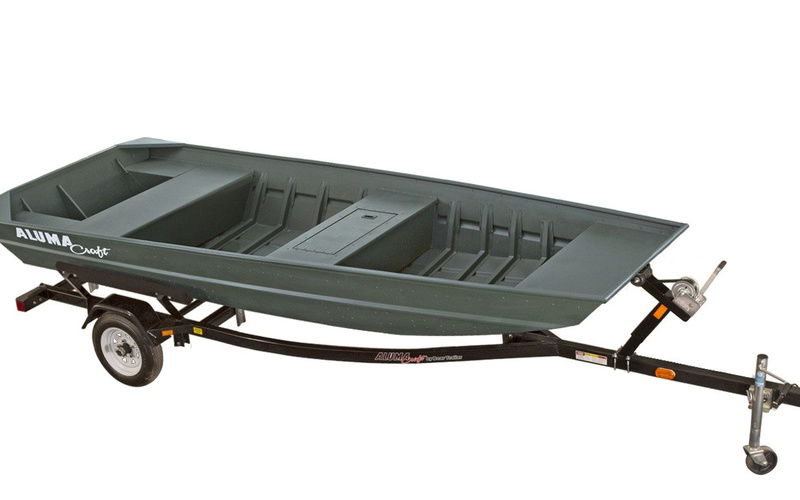
Images have been gathered from various sources and belong to their respective owners.
Review - Alumacraft 1648 JON

MarineBroker
03/04/2024, 6:30 AM
2015 Alumacraft 1648 JON: What to Know Before Buying, Using, or Restoring This Classic Aluminum Boat
If you’ve been searching for a 2015 Alumacraft 1648 JON, you’re probably after a simple, tough, no-nonsense boat that can handle real work. Maybe you want a small fishing rig, a duck boat, a utility boat, or a dependable platform for lakes, rivers, and backwater spots. The appeal is easy to understand: jon boats are practical, lightweight, and versatile.
But there’s usually a problem that comes with shopping for or owning one of these boats: figuring out whether it’s actually the right fit for your needs. A 16-foot by 48-inch jon boat sounds straightforward, but the details matter more than people expect. Stability, motor size, load capacity, flooring, storage, and setup can make the difference between a boat that feels useful and one that feels cramped or underpowered.
That’s where a little knowledge goes a long way. In this article, we’ll break down what makes the 2015 Alumacraft 1648 JON a popular choice, what common issues buyers and owners run into, and how to solve them with practical, budget-friendly decisions. Whether you’re comparing boats or trying to improve the one you already have, the goal is the same: make the boat work better for the way you actually use it.
- What Makes the 2015 Alumacraft 1648 JON a Popular Utility Boat
The 2015 Alumacraft 1648 JON sits in a sweet spot for many boaters. It’s large enough to be useful, but still small enough to trailer easily, launch in shallow water, and run with modest power.
A 16-foot jon boat with a 48-inch bottom is typically chosen by people who want:
- A simple fishing boat
- A duck hunting rig
- A shallow-water utility boat
- A platform for small outboard or trolling motor setups
- A lightweight boat that’s easy to tow and store
Alumacraft has a long reputation for building practical aluminum boats. The 1648 layout is especially attractive because it’s not overcomplicated. That simplicity is part of the appeal. Less weight usually means easier handling, better fuel efficiency, and fewer things to maintain.
For many owners, the real value of this boat is how adaptable it is. You can keep it bare-bones or outfit it with seats, casting decks, storage, lights, battery systems, and even modest electronics.
- The Main Problem Buyers Face: Choosing the Right Setup
The biggest challenge with the 2015 Alumacraft 1648 JON is not the boat itself. It’s matching the boat to the job.
A lot of people buy a jon boat expecting it to do everything. Then they discover that a flat-bottom utility boat has tradeoffs. It may be excellent in shallow water, but not ideal in rough chop. It may be easy to load, but not very comfortable for long trips if it’s left completely bare. It may handle a small outboard well, but feel sluggish if it’s overloaded.
Common buyer mistakes include:
- Choosing too much motor for the hull
- Overloading the boat with gear and passengers
- Skipping flotation or safety gear
- Adding heavy accessories without thinking about balance
- Expecting deep-V comfort in a flat-bottom boat
The solution starts with understanding the boat’s strengths. The 1648 is best when used as a simple, efficient platform. If you set it up with realistic expectations, it can be one of the most useful boats in its class.
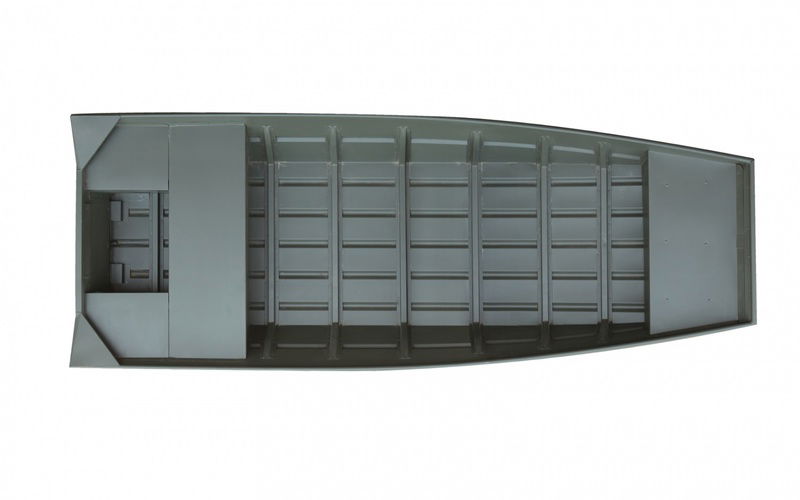
- Understanding the 2015 Alumacraft 1648 JON Layout
The 1648 size designation tells you a lot right away:
- 16 feet long
- 48-inch bottom width
That bottom width is important. Compared with narrower jon boats, a 48-inch bottom gives you more usable space and usually a more stable feel at rest. It’s still a flat-bottom style boat, though, so stability and ride quality are different from a deep-V aluminum boat.
What this means in practical terms:
- Better for calm water, protected rivers, and shallow areas
- Easier to pole, push, or maneuver in tight spots
- Usually lighter and more efficient than larger boats
- More sensitive to weight distribution than people expect
If you’re buying one used, take time to inspect the layout carefully. Look at the transom, floor, ribs, seams, and any previous modifications. A jon boat often gets customized over time, and those changes matter.
- The Most Common Ownership Problems and How to Fix Them
A lot of the frustrations people have with the 2015 Alumacraft 1648 JON are actually setup problems, not design flaws. The good news is that most of them can be solved without major expense.
- Problem 1: The boat feels unstable when people move around
This is one of the most common complaints with small flat-bottom boats. Even though the boat may feel stable while sitting still, side-to-side movement can make it feel tippy if weight is concentrated in the wrong places.
Practical fixes:
- Keep heavy items low and centered
- Avoid putting all passengers on one side
- Use a simple floor deck or stable platform to reduce awkward footing
- Don’t overload the stern with battery, fuel, and gear all at once
A balanced load makes a huge difference. In many jon boats, poor weight placement causes more problems than the hull itself.
- Problem 2: The boat is too slow or underpowered
The 1648 is not meant to be a performance boat. If it’s sluggish, the issue may be the motor size, prop selection, or excess weight.
Try this:
- Match the motor to the hull’s intended use
- Keep the boat light if you want better speed
- Check the prop for damage or wrong pitch
- Reduce unnecessary gear and extra fuel
For many owners, a modest outboard or trolling motor setup is enough. The goal is not to make the boat fast. The goal is to make it efficient and reliable.
- Problem 3: The ride is rough in choppy water
Flat-bottom boats are efficient in shallow water, but they don’t slice through waves like deeper hulls. If you’re running in wind or boat wake, the ride can get uncomfortable.
Best solutions:
- Stay in protected water when possible
- Slow down in chop
- Use proper seating to absorb impact
- Add a small windshield or console only if it fits your use case
- Don’t overload the bow, which can make the ride harsher
This is where expectations matter. A jon boat is a tool. It excels in certain conditions and is simply not the best choice in others.
- Problem 4: Storage and gear organization are messy
Bare jon boats can turn into clutter fast. Rods, tackle, life jackets, anchors, batteries, and tools can eat up space quickly.
A few easy improvements:
- Use waterproof storage boxes
- Mount tie-down points for gear
- Keep emergency items in one dedicated bag
- Install a simple front deck or small storage compartment
- Label battery and fuel areas clearly
Organization improves safety as much as convenience. Less clutter also means fewer tripping hazards and less time digging for gear.
- How to Choose the Right Motor for a 2015 Alumacraft 1648 JON
One of the most important decisions is power. The right motor depends on how you use the boat.
For example:
- A trolling motor works well for quiet fishing and shallow water
- A small outboard is ideal for short runs and light loads
- A larger outboard may be useful only if it matches the hull rating and intended use
Before choosing, consider:
- How many people will usually be aboard
- Whether you’ll be fishing, hunting, or hauling gear
- How far you need to travel
- Whether you’re using calm water or moving water
A lot of owners overestimate how much horsepower they need. In reality, a lightweight aluminum jon boat often performs better when kept simple and within reasonable limits. If you’re unsure, check the manufacturer’s specifications and make sure the setup stays within the boat’s rating.
- Best Ways to Set Up the Boat for Fishing
The 2015 Alumacraft 1648 JON can make a very solid fishing platform if you set it up thoughtfully. You don’t need a fancy build to make it useful.
A practical fishing setup might include:
- A trolling motor up front
- A small battery system
- One or two swivel seats
- Rod holders
- A cooler that doubles as a seat
- A simple non-slip floor
If you fish solo or with one partner, the boat can feel roomy enough. If you want to fish with multiple people, keep the gear minimal. Too much equipment can quickly crowd a 16-foot jon boat.
Also, think about noise. Aluminum can be loud. Adding carpeted decking, foam padding, or other dampening materials can make the boat quieter and more comfortable.
- Best Ways to Set Up the Boat for Hunting or Utility Use
Many people like the 1648 because it can serve more than one purpose. That flexibility is a big part of its value.
For hunting or utility use, focus on:
- Low-profile seating
- Camouflage or neutral finishes
- Secure storage for decoys, tools, or supplies
- Easy cleanup surfaces
- A layout that allows quick loading and unloading
If you plan to haul materials, keep in mind that weight adds up fast. Bricks, firewood, feed, or construction supplies can change how the boat handles. Always distribute the load evenly and avoid piling heavy items too far forward or aft.
A jon boat is often at its best when it stays simple. The more you ask it to do, the more important setup becomes.
- What to Check Before Buying a Used 2015 Alumacraft 1648 JON
If you’re looking at a used boat, inspection is everything. A clean title and shiny paint do not tell the whole story.
Check these areas carefully:
- Transom condition
- Rivets or welds for leaks
- Bottom dents and stress points
- Floor or decking for soft spots
- Corrosion around fittings
- Signs of patchwork repairs
- Trailer condition, including bearings and lights
Take the boat out of the water if possible and inspect the hull from underneath. Small dents are common on aluminum boats, but major damage or poorly repaired seams can lead to bigger problems later.
Also ask about the boat’s history:
- Freshwater or saltwater use
- Typical load
- Motor history
- Storage conditions
- Any modifications or repairs
A well-kept used jon boat can be a great value. A neglected one can eat up your budget fast.
- Simple Upgrades That Make a Big Difference
You don’t need to fully rebuild the 2015 Alumacraft 1648 JON to improve it. Some of the most useful upgrades are also the simplest.
Worth considering:
- Non-slip flooring
- LED navigation lights
- Battery box with secure mounting
- Quality seats
- Spare anchor setup
- Tie-down cleats
- Rod holders or gear tracks
- Bilge pump if your setup needs one
The best upgrades are the ones that improve safety, comfort, and efficiency without adding too much weight. That last part is important. Heavy accessories can reduce performance and make the boat less pleasant to run.
- How to Get More Stability and Comfort Without Overbuilding
A lot of owners try to “fix” a jon boat by adding too much structure. That can backfire. Heavy decks and oversized accessories may make the boat less responsive and harder to trailer.
A better approach:
1. Start with balance
2. Add only the equipment you truly need
3. Keep the center of gravity low
4. Use lightweight materials when possible
5. Test the boat after each change
A small improvement in layout can feel huge on the water. For example, moving a battery from the stern to a more centered location can improve trim and handling right away.
- Who the 2015 Alumacraft 1648 JON Is Best For
This boat is a strong fit for people who want:
- A dependable shallow-water boat
- A simple fishing or hunting platform
- A lightweight aluminum hull
- A boat that’s easy to tow and launch
- A project boat that can be customized over time
It may not be the best choice if you want:
- A smooth ride in rough water
- Lots of built-in storage
- High speed
- A large family cruiser
- A boat that feels luxurious or heavily outfitted from the start
That’s not a weakness. It just means the boat has a clear purpose. When used for the right kind of boating, it can be extremely practical.
- Final Tips for Getting the Most from Your Jon Boat
If you own or are shopping for a 2015 Alumacraft 1648 JON, the best strategy is to keep your setup simple and intentional.
A few final tips:
- Match the boat to calm or protected water whenever possible
- Keep weight low and centered
- Choose gear that serves multiple purposes
- Inspect the hull and transom regularly
- Don’t overload the boat with unnecessary accessories
The people who get the most out of jon boats are usually the ones who understand their limitations and work with them. That’s what makes these boats so useful. They’re not trying to be everything. They’re trying to be dependable, easy to use, and adaptable.
- Conclusion
The 2015 Alumacraft 1648 JON is a practical aluminum boat that can serve as a fishing rig, hunting boat, or utility platform when it’s set up the right way. The main challenge for most owners is not finding the boat itself, but making smart choices about motor power, weight distribution, and equipment. Once those basics are handled, the boat becomes much more stable, efficient, and enjoyable to use.
If you’re considering one, focus on condition, layout, and how well it fits your real needs. And if you already own one, small upgrades and a cleaner setup can make a bigger difference than you might expect. For more help with boat setup, inspection, or ownership tips, it’s worth digging deeper into aluminum boat guides before making your next move.
Specifications
General
Boat Type: Power Boats
Class Type: Freshwater Fishing
Specifications
Length: 16.08
Beam: 5.91
Draft: 0.98
Hull Material: Aluminium
Build
First Built: 2015
Propulsion
Fuel Type: Unleaded
Engines: 1
Power: 15 HP
Brand: Mercury
Accomodation
PROS & CONS
What we appreciated
 Durable aluminum construction providing long-lasting performanceLightweight design making it easy to tow and launchSpacious 16-foot length ideal for fishing and recreational useFlat-bottom hull offering excellent stability in calm watersSimple layout allowing for easy customization and accessories installation
What we didn’t appreciate
 Flat-bottom hull can provide a rough ride in choppy waterLimited seating capacity compared to larger boatsBasic features with fewer comfort amenitiesNo built-in storage compartments for gearLess suitable for high-speed or offshore boating
Upkeep Costs
Fuel: Approximately $500 - $800 per season depending on usage
Maintenance: Around $300 - $600 annually for engine and hull upkeep
Insurance: Typically $200 - $400 per year
Storage: $300 - $700 annually depending on location and type
Registration and Licensing: $50 - $150 per year
Rating
3.3
User
Score
Score
Driveability
Technology
Interior
Design
Similar Boats


MarineBroker
Download now for an immersive boat experience like never before! ⛵✨ Your journey begins with a simple click. 🌊📲
#SetSailSmart #DownloadNow
#SetSailSmart #DownloadNow

Subscribe
Copyright 2017 - 2026, Marinebroker.net, All Rights Reserved