Boat Database » Aermarine Royale 360
Aermarine Royale 360
Outboard four-stroke, Unleaded, 1x 40 HP
Power Boats 2015 Aermarine Royale 360: What Buyers Should Know Before You Buy, Inspect, or Upgrade
If you’re looking at the 2015 Aermarine Royale 360, you’re probably after a compact inflatable boat that’s easy to handle, simple to store, an...
Discover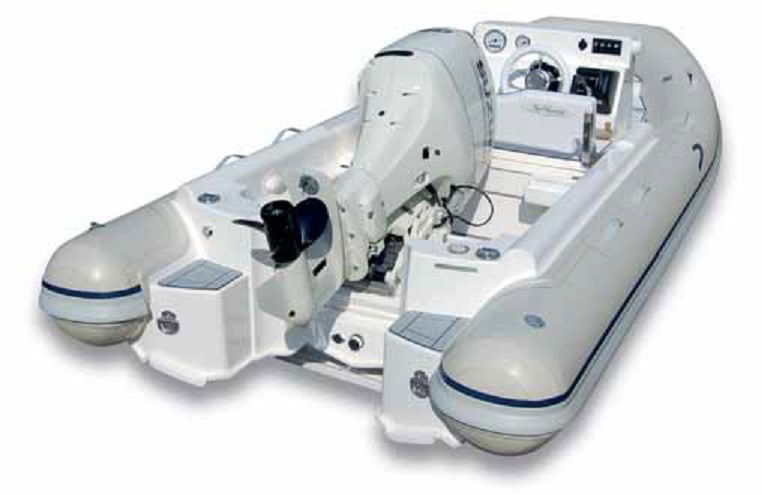
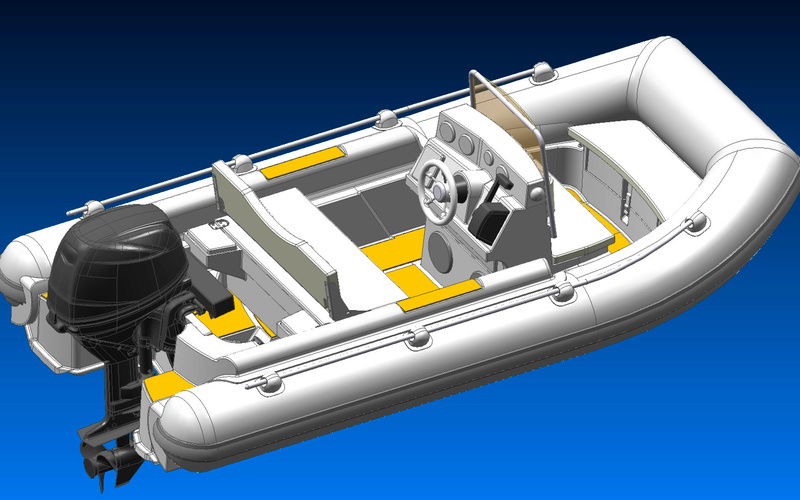
Images have been gathered from various sources and belong to their respective owners.
Review - Aermarine Royale 360

MarineBroker
02/01/2024, 12:12 PM
2015 Aermarine Royale 360: What Buyers Should Know Before You Buy, Inspect, or Upgrade
If you’re looking at the 2015 Aermarine Royale 360, you’re probably after a compact inflatable boat that’s easy to handle, simple to store, and versatile enough for tender duty, short day trips, or relaxed cruising. That’s the appeal of boats in this size range: they promise convenience without demanding a huge trailer, slip, or crew.
But here’s the catch. Small inflatable boats can look straightforward on the surface, yet the real value depends on condition, setup, and how well the boat matches your actual use. A 2015 model may still be a great buy, but only if you know what to check and what common issues can affect performance, safety, and long-term ownership costs.
That’s where a smart approach makes all the difference. Instead of focusing only on the nameplate, it helps to understand the boat’s structure, maintenance needs, and the practical upgrades that can make a used inflatable feel much more reliable. In this article, we’ll walk through what the 2015 Aermarine Royale 360 is good at, what problems buyers often run into with boats of this type, and how to evaluate or improve one so you can make a better decision.
- What the 2015 Aermarine Royale 360 is best suited for
The 2015 Aermarine Royale 360 sits in a very useful category: a compact inflatable boat that can serve as a tender, a light recreational craft, or a practical runabout for calm waters. Boats around 3.6 meters are usually chosen because they strike a nice balance between portability and usable space.
For many owners, that means easier launching, simpler storage, and lower operating costs than larger rigid boats. They’re also easier to load onto a davit, tow behind a vehicle, or keep onboard a larger vessel as a tender.
That said, expectations matter. A boat this size is not usually the right choice for heavy offshore use or rough-water adventures. It shines when the owner wants convenience, lightweight handling, and enough room for a couple of people, gear, or short trips around the harbor or bay.
- Why people search for the 2015 Aermarine Royale 360
Most people interested in this model are trying to answer one of three questions:
- Is it a good used boat?
- What should I inspect before buying?
- How can I keep it reliable without spending too much?
That’s a sensible approach. With used inflatables, the biggest concern is often not the age alone, but how the boat was stored, inflated, cleaned, and used. A well-kept 2015 boat can be far better than a newer one that was neglected.
The Royale 360 is especially appealing to buyers who want a manageable boat with a practical layout. But because it’s a used 2015 model, the real challenge is separating normal wear from hidden problems.
- Common problem: age-related wear on inflatable boats
The biggest issue with a boat like the 2015 Aermarine Royale 360 is simple: age adds up. Even when a boat looks clean from a distance, the materials, seams, fittings, and floor system may have experienced years of sun, pressure, salt, and storage cycles.
Here are the most common trouble spots on used inflatable boats:
- UV damage to tubes
- Air leaks from valves or seams
- Floor wear or flexing
- Corrosion on hardware
- Weak transom fittings
- Patches from previous repairs
- Delamination or material fatigue
Not every boat will have all of these issues, of course. But if you’re shopping for one, these are the areas that deserve the most attention.
A boat can still be a good purchase if it has normal cosmetic wear. The problem is when age-related wear affects safety, inflation retention, or structural rigidity.
- How to inspect a 2015 Aermarine Royale 360 the smart way
If you’re evaluating a used 2015 Aermarine Royale 360, a careful inspection is your best solution. You don’t need to be a marine surveyor to spot many of the warning signs.
Start with the tubes. Look closely for fading, cracking, sticky surfaces, or areas that feel unusually soft or brittle. Sun damage often shows up as dullness or a chalky finish.
Next, check the seams and glued joints. These are critical on inflatables. Any signs of lifting, bubbling, or uneven repairs should be treated seriously.
Also inspect the valves. A valve that doesn’t hold pressure properly can create slow leaks that are annoying at best and unsafe at worst.
A practical inspection checklist:
- Inflate the boat fully and let it sit for several hours
- Check for pressure loss in each chamber
- Listen for hissing around valves and fittings
- Examine the floor for soft spots or movement
- Look under the boat for scrapes, patches, or abrasion
- Inspect transom mounting points for cracks or corrosion
- Confirm all accessories are present and functional
If the seller won’t allow a full inflation test, that’s usually a red flag.
- The hidden issue: storage history matters more than mileage
Unlike a car, a small inflatable boat doesn’t really wear out based on miles alone. Storage history often matters more than usage hours.
A boat kept inflated in the sun all season will usually age faster than one stored dry, shaded, and properly deflated. Saltwater use also adds wear if the boat wasn’t rinsed and dried regularly.
This is why two identical 2015 Aermarine Royale 360 boats can have very different values. One might be ready to use with minimal work. The other may need valve replacements, patching, and floor repairs before it’s truly dependable.
When talking to a seller, ask:
- Was it stored indoors or outdoors?
- Was it used in saltwater or freshwater?
- How often was it inflated?
- Were any repairs made?
- Has the boat been patched professionally or by the owner?
- How long has it sat unused?
These answers tell you a lot about the likely condition of the boat.
- What to look for in the floor and transom
On a compact inflatable like the 2015 Aermarine Royale 360, the floor and transom are key to stability and performance. If either one is compromised, the boat can feel sluggish, flexy, or unsafe.
Floor issues may include:
- Softness underfoot
- Loose panels
- Warping
- Water intrusion
- Delamination in rigid sections
Transom issues may include:
- Cracks around mounting points
- Loose engine brackets
- Rot or swelling if wood is present
- Corrosion on metal reinforcement
- Movement when the engine is trimmed or under load
If the floor flexes too much, the boat may feel unstable when moving around. If the transom is weak, engine performance and safety can suffer quickly.
A good rule of thumb: if the floor or transom feels questionable during inspection, assume repair costs may be higher than expected.
- Matching the 2015 Aermarine Royale 360 to real-world use
One of the best ways to solve buyer regret is to match the boat to the actual job you need it to do.
The 2015 Aermarine Royale 360 makes the most sense if you want:
- A tender for a yacht or cruiser
- A small boat for calm coastal water
- A lightweight craft for short trips
- A compact inflatable that’s easy to store
- A simple boat for fishing, exploring, or errands
It may not be ideal if you need:
- High-speed performance
- Frequent rough-water use
- Large passenger capacity
- Heavy cargo hauling
- Long offshore range
Many buyers make the mistake of buying based on size alone. A 3.6-meter inflatable can be very useful, but only if your expectations are realistic.
- Practical solutions if the boat needs work
If you find a 2015 Aermarine Royale 360 that needs attention, don’t assume it’s automatically a bad buy. The better question is whether the fixes are manageable and cost-effective.
Here are some common solutions:
1. Valve replacement or servicing
If the boat loses pressure slowly, the valves may need cleaning, tightening, or replacement.
2. Professional patching
Small punctures or seam issues can often be repaired, but the quality of the repair matters a lot.
3. UV protection
Using a cover, storing the boat out of direct sunlight, and applying marine-safe protectants can slow future wear.
4. Floor or transom reinforcement
If the structure is still salvageable, targeted reinforcement may restore usability.
5. Hardware replacement
Handles, D-rings, and mounts can wear out over time and are often worth replacing during refurbishment.
The key is to compare repair cost against the boat’s market value and your intended use. If the repairs are modest, the boat may still be a smart option.
- How to make a used inflatable boat last longer
Once you own a boat like the 2015 Aermarine Royale 360, good habits make a huge difference. Small inflatables often fail early because of poor storage and neglect, not because the design is bad.
A few simple habits can extend its life:
- Rinse the boat after saltwater use
- Dry it thoroughly before storage
- Avoid overinflation in hot weather
- Store it out of direct sunlight
- Keep it away from sharp objects
- Check pressure before every trip
- Inspect seams and fittings regularly
It also helps to keep a basic repair kit onboard. A patch kit, valve tool, and pump can save a day on the water if a small issue comes up.
- Cost factors buyers often overlook
When people shop for a used boat, they usually focus on the asking price. But the real cost includes more than the purchase price.
For the 2015 Aermarine Royale 360, consider:
- Replacement parts
- Pump and inflation gear
- Engine compatibility, if applicable
- Trailer or storage costs
- Repair work
- Cleaning and protective products
- Registration and insurance, where required
Sometimes a cheaper boat ends up costing more if it needs immediate work. On the other hand, a slightly higher-priced boat in better condition can be the better value over time.
This is why a careful pre-purchase inspection is one of the smartest investments you can make.
- Signs the boat is worth considering
A used 2015 Aermarine Royale 360 may be worth serious consideration if:
- It holds air well
- The tubes show only light cosmetic wear
- The floor feels solid
- The transom is firm and secure
- Repairs, if any, were done neatly
- The seller has maintenance records or clear history
- Included accessories are in usable condition
If those boxes are checked, you may be looking at a practical and affordable inflatable that still has plenty of life left.
- Signs you should walk away
Sometimes the best solution is simply not to buy the boat.
Walk away if you notice:
- Repeated air loss with no clear source
- Major seam separation
- Extensive patching in critical areas
- Soft or damaged transom structure
- Severe UV cracking
- Missing parts that are hard to source
- A seller who avoids questions or inspection
A boat with multiple major issues can quickly become a money pit, especially if you’re trying to get it water-ready soon.
- The bottom line on the 2015 Aermarine Royale 360
The 2015 Aermarine Royale 360 can be a smart choice for buyers who want a compact, practical inflatable boat with easy handling and versatile everyday use. Like any used boat, though, its value depends less on the model year and more on condition, storage, and maintenance history.
The best solution is to inspect carefully, ask the right questions, and judge the boat based on its real-world readiness. If it’s structurally sound and well maintained, it can still be a very useful boat for relaxed cruising, tender duty, or short outings.
- Conclusion
The 2015 Aermarine Royale 360 is the kind of boat that can be genuinely useful when it’s in good condition, but it rewards careful buying. Age-related wear, storage history, and structural condition matter far more than the sticker year alone.
If you’re considering one, focus on air retention, seam condition, floor rigidity, and transom strength. Those details tell you whether the boat is ready to use or likely to need costly work. With a smart inspection and realistic expectations, you can avoid common mistakes and choose a boat that fits your needs well. If you’re still comparing options, it’s worth learning more about inflatable boat maintenance and used-boat inspection basics before making a final decision.
Specifications
General
Boat Type: Power Boats
Class Type: Rigid Inflatable Boats
Specifications
Length: 11.81
Beam: 5.58
Draft: 0.98
Hull Material: GRP
Build
First Built: 2015
Propulsion
Fuel Type: Unleaded
Engines: 1
Power: 40 HP
Brand: Unknown
Accomodation
PROS & CONS
What we appreciated
 Spacious and well-designed deck layout suitable for family and social outingsReliable and fuel-efficient engines enhancing performance and rangeHigh-quality construction with durable materials for longevityComfortable seating and amenities providing a pleasant cruising experienceGood stability and handling in various sea conditions
What we didn’t appreciate
 Limited storage space for extended tripsCabin size may be small for overnight accommodationsOlder electronics and navigation equipment may require upgradingMaintenance costs can be higher due to specialized partsResale value may be lower compared to newer models
Upkeep Costs
Fuel: Approximately $5,000 - $8,000 per year depending on usage
Insurance: Around $1,200 - $2,000 annually
Maintenance and Repairs: Estimated $3,000 - $6,000 per year
Storage and Mooring: $1,500 - $4,000 annually depending on location
Registration and Licensing: $200 - $500 per year
Rating
7.2
User
Score
Score
Driveability
Technology
Interior
Design
Similar Boats


MarineBroker
Download now for an immersive boat experience like never before! ⛵✨ Your journey begins with a simple click. 🌊📲
#SetSailSmart #DownloadNow
#SetSailSmart #DownloadNow

Subscribe
Copyright 2017 - 2026, Marinebroker.net, All Rights Reserved