Boat Type: Power Boats
Boat Class: Rigid Inflatable Boats
Length: 11.81 ft
Berths: 1
Cabins: 1
Bathrooms: 1
Max Persons: 6
Boat Database » 3D Tender Ultralight 360
3D Tender Ultralight 360
Outboard four-stroke, Unleaded, 1x 25 HP
Power Boats 2014 3D Tender Ultralight 360: What to Know Before Buying, Using, or Upgrading This Compact Tender
If you’re looking at the 2014 3D Tender Ultralight 360, you’re probably after something simple: a lightweight tender that’s easy t...
Discover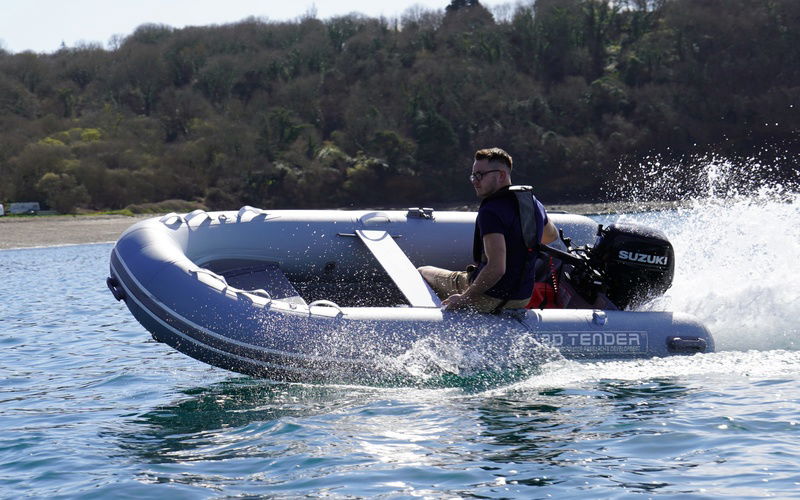


Images have been gathered from various sources and belong to their respective owners.
Review - 3D Tender Ultralight 360

MarineBroker
01/08/2024, 11:47 AM
2014 3D Tender Ultralight 360: What to Know Before Buying, Using, or Upgrading This Compact Tender
If you’re looking at the 2014 3D Tender Ultralight 360, you’re probably after something simple: a lightweight tender that’s easy to launch, easy to tow, and easy to live with. That’s exactly why boats in this size range keep getting attention. They’re small enough to handle without stress, but practical enough for ferrying people, carrying gear, or serving as a dependable runabout.
The challenge is that compact inflatable tenders can seem straightforward at first, but once you start using one regularly, small issues can become frustrating. Maybe it’s not tracking as well as you’d like. Maybe storage is tighter than expected. Or maybe you’re trying to figure out whether this model still makes sense today compared with newer options. Those are common questions, especially for buyers and owners who want real-world usefulness, not just brochure specs.
The good news is that most of these concerns have practical solutions. With the right setup, maintenance habits, and a clear understanding of what the 2014 3D Tender Ultralight 360 does well, you can get a lot more value out of it. Let’s break it down in a way that’s useful whether you already own one or are thinking about buying.
- What Makes the 2014 3D Tender Ultralight 360 Stand Out
The 2014 3D Tender Ultralight 360 sits in a category that appeals to a lot of boaters: compact inflatable tenders designed for easy handling. At around 3.6 meters, it offers a nice balance between portability and usable deck space.
What makes this type of tender attractive is not just the size, but the overall convenience.
Key strengths usually include:
- Lightweight construction
- Easy transport and storage
- Simple launching and recovery
- Practical use as a yacht tender or small utility boat
- Low draft for shallow water access
For many owners, the appeal is less about luxury and more about efficiency. If you need a boat that can be lifted, rolled, or stowed without a crew, a lightweight tender like this can be a smart fit.
That said, small inflatable boats also ask you to be realistic about expectations. They’re not meant to behave like a deep-V fiberglass runabout. They work best when you understand their strengths and set them up properly.
- The Most Common Problem Owners Face
The biggest issue people run into with compact tenders like the 2014 3D Tender Ultralight 360 is that they expect “small” to also mean “effortless.” In reality, a lightweight tender can be extremely convenient, but only if it’s matched to the right engine, load, and use case.
Common problems include:
- Poor performance with an underpowered outboard
- Too much weight onboard for the hull size
- Difficulty tracking in chop or crosswind
- Limited dry storage
- Wear and tear from frequent launching and beaching
In other words, the problem is rarely the boat itself. It’s usually the mismatch between the boat and how it’s being used.
For example, a tender loaded with fuel, two adults, gear, and a battery can feel very different from the same boat with one person and a light outboard. Once you understand that, the solution becomes much clearer: optimize the setup instead of assuming the boat should do everything equally well in every condition.
- 2014 3D Tender Ultralight 360: Best Use Cases
The 2014 3D Tender Ultralight 360 is best suited to practical, everyday boating tasks where compact size and easy handling matter more than speed or heavy-duty capability.
It tends to work well for:
- Yacht or sailboat tender duty
- Short harbor runs
- Shore transfers
- Light fishing trips
- Calm-water cruising
- General utility transport
It’s especially useful if you value quick deployment. A tender that is easy to inflate, move, and store gets used more often, which is a big advantage over a boat that always feels like a project.
Where it may be less ideal:
- Long offshore runs
- Heavy payloads
- Rough-water conditions
- Frequent high-speed use
- Users who need lots of onboard storage
If your boating life is mostly about short, practical trips, this kind of boat can be a very efficient solution.
- Choosing the Right Engine Setup
One of the biggest factors affecting satisfaction with the 2014 3D Tender Ultralight 360 is engine choice. Even a well-designed tender can feel disappointing if the outboard is too small or poorly matched.
The goal is not just “more power.” It’s usable power.
A good setup should give you:
- Reasonable acceleration
- Stable cruising speed
- Good fuel efficiency
- Safe handling with a normal load
If the engine is too small, the boat may struggle to plane or may feel sluggish in wind and current. If it’s too large, you may gain speed but lose the easy, lightweight character that makes the tender appealing in the first place.
Practical tips:
- Match the engine to your typical load, not your occasional maximum load
- Use a propeller suited to low-speed torque and light hulls
- Keep fuel, battery, and gear weight to a minimum
- Test performance with the real number of passengers you usually carry
For many owners, the sweet spot is a setup that prioritizes reliability and easy handling over top-end speed.
- How to Improve Handling and Stability
Small tenders can be surprisingly capable, but they’re sensitive to weight distribution. If your 2014 3D Tender Ultralight 360 feels twitchy, trims badly, or wanders at speed, the issue may be how it’s loaded.
Here’s what helps:
- Place heavier items low and near the center
- Avoid overloading the bow or stern
- Keep passengers balanced side to side
- Trim the outboard carefully
- Inflate the tubes to the recommended pressure
A lot of handling complaints come down to imbalance. For instance, a battery placed too far aft can make the stern squat, while too much weight forward may make the bow dig in. Either condition can make the boat feel less efficient and less predictable.
You can also improve comfort by:
- Reducing unnecessary gear onboard
- Using a proper seat or bench arrangement
- Keeping the hull and tubes clean for better performance
- Avoiding excessive speed in chop
The more evenly the boat carries its load, the better it will perform.
- Storage and Transport Tips for the 2014 3D Tender Ultralight 360
One of the main reasons people choose a boat like the 2014 3D Tender Ultralight 360 is portability. But even lightweight boats can become annoying if storage and transport aren’t planned well.
To keep things easy:
- Rinse and dry the boat before storage
- Deflate according to the manufacturer’s guidance
- Store in a cool, shaded place when possible
- Avoid sharp folds that can stress the material over time
- Use a proper cover if the boat stays outside
If you’re transporting it on a car roof, trailer, or deck, make sure the tie-down points are secure and evenly tensioned. A tender that shifts in transit can suffer abrasion and damage faster than people expect.
Useful transport habits:
- Protect contact points with padding
- Check straps after the first few miles
- Don’t drag the boat across rough surfaces
- Keep the outboard removed or secured properly during transport
Good storage habits don’t just protect the boat. They also make it much more likely you’ll use it regularly instead of avoiding the hassle.
- Maintenance That Actually Matters
The best way to get long-term value from the 2014 3D Tender Ultralight 360 is to focus on the maintenance tasks that prevent the most common problems.
Priority items include:
- Rinsing after saltwater use
- Checking tube pressure regularly
- Inspecting seams and valves
- Looking for chafe points or abrasion
- Servicing the outboard on schedule
Inflatable boats are often tougher than people assume, but they do depend on consistent care. Small leaks, worn valve seals, or neglected fabric surfaces can create avoidable headaches.
A simple maintenance routine can go a long way:
1. Rinse with fresh water after every saltwater trip
2. Dry thoroughly before storage
3. Check for soft spots or pressure loss
4. Inspect the transom and mounting points
5. Keep the outboard flushed and serviced
If you use the boat often, a quick 10-minute inspection before and after use can catch issues early.
- Common Upgrades That Make a Big Difference
You don’t need to transform the 2014 3D Tender Ultralight 360 into something it isn’t. But a few smart upgrades can make it more comfortable and functional.
Popular improvements include:
- Better seat padding or seating layout
- A more efficient propeller
- A small navigation light setup
- A fuel tank arrangement that saves space
- Protective keel or wear strips
- A compact anchor system
These upgrades are most useful when they solve a real problem. For example, if beaching is part of your routine, wear protection can extend the life of the hull. If you often carry gear at dawn or dusk, simple lighting can improve safety without adding much weight.
The best upgrades are usually the ones that reduce friction in daily use.
- What to Check Before Buying a Used 2014 3D Tender Ultralight 360
If you’re considering a used 2014 3D Tender Ultralight 360, inspection matters more than cosmetics. A clean-looking tender can still have hidden issues, especially if it has seen heavy sun exposure or frequent saltwater use.
Check these points carefully:
- Tube condition and patch history
- Valve function and air retention
- Transom integrity
- Floor firmness and wear
- Seams and glued joints
- Signs of UV damage or brittleness
- Outboard mounting area
Ask how the boat was stored. A tender kept under cover and rinsed regularly usually ages much better than one left inflated in the sun year-round.
Also ask about:
- Typical engine size used
- How often it was launched
- Whether it was used in saltwater or freshwater
- Any repairs or replacements already done
A proper inspection can save you from buying a boat that looks good on paper but needs expensive work right away.
- How to Get Better Performance Without Replacing the Boat
A lot of owners start thinking they need a different boat when the real fix is a better setup. If your 2014 3D Tender Ultralight 360 feels underwhelming, try optimizing what you already have.
Start with these steps:
- Reduce unnecessary weight
- Balance the load properly
- Confirm correct inflation pressure
- Tune the engine and prop
- Keep the hull clean
- Avoid overloading in rough conditions
It’s also worth adjusting your expectations by use case. A compact tender is often at its best when it’s used as intended: short, practical trips in manageable conditions.
A simple example:
- Two adults, light gear, and a well-matched outboard = efficient, enjoyable use
- Four people, heavy gear, and a small engine = slow, unstable, and frustrating
That difference is why setup matters so much. Small boats reward discipline.
- Safety Considerations for Everyday Use
Even though the 2014 3D Tender Ultralight 360 is compact and approachable, basic safety should always stay front and center.
Important habits include:
- Wearing life jackets
- Carrying a kill switch where applicable
- Keeping an emergency paddle onboard
- Checking weather and water conditions
- Avoiding overload
- Storing a simple repair kit
Because the boat is lightweight, it can be more affected by wind and wake than heavier craft. That doesn’t make it unsafe, but it does mean you should plan accordingly.
If you’re using it as a tender, make sure boarding and disembarking are easy and stable. Small steps, good footing, and calm loading habits reduce the chance of slips or damage.
- Is the 2014 3D Tender Ultralight 360 Still a Good Choice?
For the right buyer, yes. The 2014 3D Tender Ultralight 360 can still be a very practical boat if your priorities are simplicity, portability, and easy day-to-day use.
It makes sense if you want:
- A lightweight tender
- A boat that’s easy to store
- Something practical for short trips
- A simple platform that doesn’t demand much upkeep
It may not be the best choice if you want:
- Big-load capacity
- High-speed performance
- More cabin-like comfort
- Offshore versatility
The key is matching the boat to your real needs. When that happens, a compact inflatable can be one of the most useful boats you’ll ever own.
- Conclusion
The 2014 3D Tender Ultralight 360 is a great example of how a small boat can still be highly practical when used the right way. Most of the common frustrations people face with compact tenders come from mismatched expectations, poor loading, or weak maintenance habits rather than from the boat itself.
If you focus on proper engine choice, balanced weight distribution, routine care, and realistic use cases, this tender can deliver a lot of value. Whether you already own one or are evaluating a used example, the smartest approach is to look at the setup as a whole. For boaters who want a lightweight, easy-to-handle tender, that’s where the real payoff is. If you’re still researching, it’s worth comparing setup options and maintenance needs before making your next move.
Specifications
General
Boat Type: Power Boats
Class Type: Rigid Inflatable Boats
Specifications
Length: 11.81
Beam: 5.05
Draft: 1.31
Hull Material: Aluminium
Build
First Built: 2014
Propulsion
Fuel Type: Unleaded
Engines: 1
Power: 25 HP
Brand: Unknown
Accomodation
Berths: 1
Cabins: 1
Bathrooms: 1
PROS & CONS
What we appreciated
 Lightweight design makes it easy to transport and launchCompact size ideal for use as a tender or small utility boatDurable construction with high-quality materialsGood fuel efficiency due to its ultralight frameStable and safe for calm water activities
What we didn’t appreciate
 Limited passenger and cargo capacity due to small sizeNot suitable for rough waters or long-distance tripsBasic features with minimal onboard amenitiesMay require a separate motor purchaseLess comfortable for extended use compared to larger boats
Upkeep Costs
Fuel: Approximately $200-$400 per year depending on usage
Maintenance: $150-$300 per year for engine servicing and hull upkeep
Insurance: $100-$250 per year depending on coverage and location
Storage: $200-$600 per year depending on storage type and location
Registration and Licensing: $50-$150 per year depending on region
Rating
4.6
User
Score
Score
Driveability
Technology
Interior
Design
Similar Boats


MarineBroker
Download now for an immersive boat experience like never before! ⛵✨ Your journey begins with a simple click. 🌊📲
#SetSailSmart #DownloadNow
#SetSailSmart #DownloadNow

Subscribe
Copyright 2017 - 2026, Marinebroker.net, All Rights Reserved