Boat Database » AB Inflatables Lammina 10 AL
AB Inflatables Lammina 10 AL
Outboard four-stroke, Unleaded, 1x 20 HP
Power Boats 2013 AB Inflatables Lammina 10 AL: How to Choose, Maintain, and Get the Most from a Lightweight Aluminum Tender
If you’re looking at the 2013 AB Inflatables Lammina 10 AL, chances are you already know the appeal: it’s compact, li...
Discover
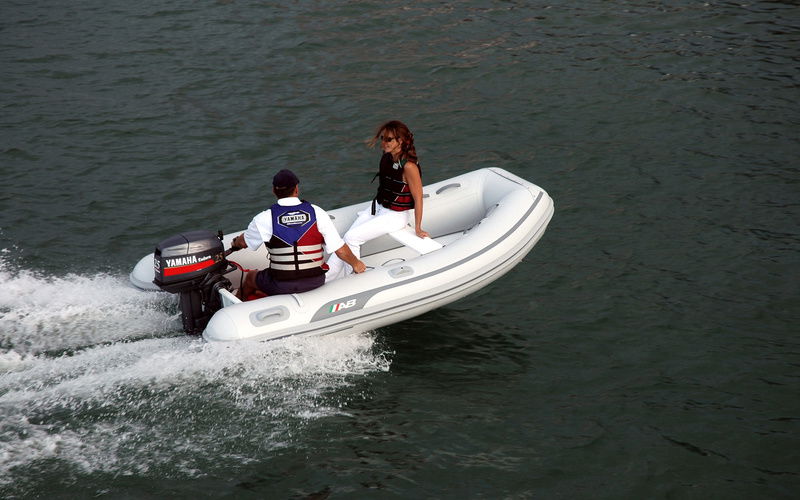

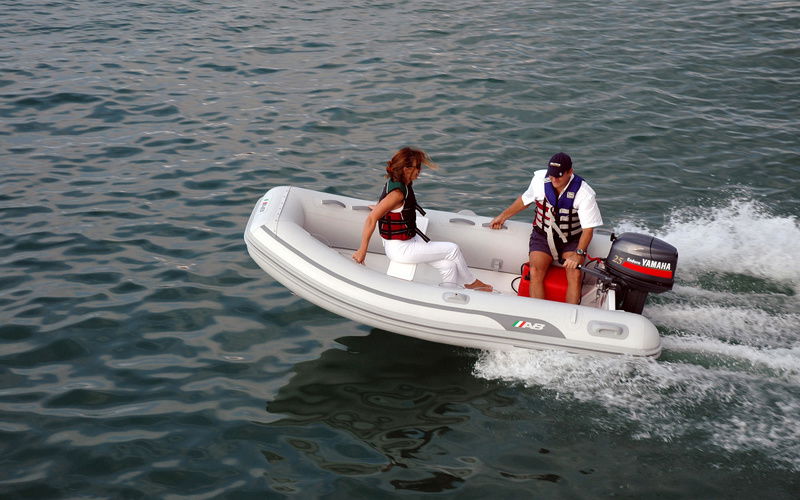
Images have been gathered from various sources and belong to their respective owners.
Latest Market Trends (Latest Available Year Model)
Price: $7,782
Review - AB Inflatables Lammina 10 AL

MarineBroker
01/15/2024, 1:45 PM
2013 AB Inflatables Lammina 10 AL: How to Choose, Maintain, and Get the Most from a Lightweight Aluminum Tender
If you’re looking at the 2013 AB Inflatables Lammina 10 AL, chances are you already know the appeal: it’s compact, lightweight, and built to make life easier around the dock, the yacht, or the weekend launch ramp. But like many small tenders, the real challenge isn’t just finding one—it’s making sure it fits your needs, stays in good shape, and performs the way you expect over time.
That’s where a lot of boaters run into trouble. A tender can look perfect on paper, but if it’s too heavy to hoist, too small for your gear, or neglected in storage, it quickly becomes more hassle than help. The good news is that the Lammina 10 AL is designed with practical use in mind, and with the right setup and care, it can be a very smart choice for cruising, commuting, or short shoreline runs.
In this article, we’ll break down what makes this model worth considering, the common issues owners should watch for, and the simple steps that help keep it reliable season after season.
- What Makes the 2013 AB Inflatables Lammina 10 AL Stand Out
The 2013 AB Inflatables Lammina 10 AL is part of AB’s lightweight aluminum-hull tender line, which is known for blending portability with durability. For many boaters, that combination is the whole point. You want something easy to handle, but you don’t want to sacrifice strength or stability just to save a few pounds.
This model is especially appealing for people who need a dependable tender for short trips, dinghy duty, or as a compact support boat. The aluminum hull helps reduce overall weight while still offering a rigid ride compared with some fully inflatable alternatives. That rigidity matters more than many first-time buyers realize, because it can improve tracking, make boarding easier, and help the boat feel more secure under load.
A few reasons this model gets attention:
- Lightweight design for easier lifting and towing
- Aluminum hull for strength and better performance
- Compact size that works well for marina use
- Practical layout for short-distance transport
- Simple maintenance compared with more complex small boats
For owners who are tired of wrestling with an awkward tender, that can be a big deal.
- The Main Problem Buyers Face: Choosing a Tender That’s Easy to Use, Not Just Easy to Buy
The biggest issue with small tenders like the 2013 AB Inflatables Lammina 10 AL is that buyers often focus only on the listing details and overlook real-world use. A boat can have the right dimensions and still be a poor fit if it doesn’t match your storage setup, lifting equipment, or typical passenger load.
This is especially true for people who use a tender as part of a larger boating routine. If you’re moving between a mooring and shore, carrying groceries, or transporting guests, convenience matters just as much as hull construction.
Common mistakes include:
- Buying a tender that’s too heavy for one person to handle
- Ignoring how much space it takes on a swim platform or davits
- Underestimating the importance of tube condition and air retention
- Choosing based on price alone rather than long-term usability
- Not checking whether the boat suits the intended water conditions
The solution is to evaluate the boat the way you’ll actually use it, not just how it looks in a marina listing.
- Why the Lammina 10 AL Appeals to Practical Boaters
The 2013 AB Inflatables Lammina 10 AL makes sense for people who want a tender that feels straightforward. It’s not trying to be a luxury cruiser or a high-speed runabout. Instead, it focuses on the basics: transport, stability, and durability.
That’s often the smarter approach for a dinghy. A tender should be easy to launch, easy to board, and easy to maintain. Aluminum hull tenders are popular because they usually offer a good balance of weight and toughness, which is helpful when the boat is getting pulled onto davits, dragged up to a beach, or used often in saltwater environments.
Here’s where this model tends to shine:
- Frequent short trips from boat to shore
- Yacht owners who need a reliable dinghy
- Boaters who want a lightweight hull without feeling flimsy
- Users who value simple upkeep over fancy features
If your boating style is more practical than flashy, this kind of tender can be a strong match.
- How to Tell If the 2013 AB Inflatables Lammina 10 AL Is the Right Size for You
Size is one of the most overlooked parts of buying a tender. A 10-foot boat sounds small, but in tender terms, every inch matters. The right size depends on who will use it, how often you’ll carry gear, and whether you’ll be using a motor.
Before buying or using the 2013 AB Inflatables Lammina 10 AL, think through these questions:
- How many people will typically ride in it?
- Will you carry fuel, anchors, coolers, or dock lines?
- Do you need space for a small outboard?
- Will it live on davits, a swim platform, or a trailer?
- Can you lift and secure it safely by yourself?
For solo boaters or couples, a 10-foot tender can be ideal. It’s easier to manage than a larger inflatable and often more convenient for short errands. But if you regularly carry multiple passengers or heavy gear, you may find yourself wishing for a little more room.
A good rule of thumb: choose the smallest tender that still gives you enough comfort and safety for your real use case.
- Common Issues to Watch for on a 2013 AB Inflatables Lammina 10 AL
Because this is a 2013 model, condition matters just as much as design. Even a well-built tender can show age if it hasn’t been stored or maintained properly. The good news is that most issues are easy to spot if you know what to look for.
Pay attention to these areas:
- Tube wear and seam condition
- Hull dents, scratches, or corrosion
- Valve function and air retention
- Transom stability if using an outboard
- Floor or deck wear from repeated boarding
- UV damage from long-term sun exposure
Inflatables often fail in predictable ways. Slow leaks, faded material, sticky valves, or weakened seams are all signs that the boat needs attention. Aluminum hulls, meanwhile, can develop cosmetic wear or corrosion if they’ve been exposed to saltwater without proper rinsing.
If you’re inspecting a used one, don’t just glance at the exterior. Check underneath, look at attachment points, and ask how it was stored during the off-season.
- Maintenance Tips That Keep the Lammina 10 AL Working Smoothly
The easiest way to get more life out of a tender is to stay ahead of small problems. With the 2013 AB Inflatables Lammina 10 AL, routine care is usually simple, but consistency is key.
Here are the basics:
- Rinse with fresh water after saltwater use
- Dry the boat before long-term storage
- Keep the tubes properly inflated, but not overinflated
- Inspect seams and valves regularly
- Use a protective cover when possible
- Store out of direct sun to reduce UV damage
If the boat has an outboard, don’t forget the motor side of maintenance. A tender that’s in good shape but paired with a neglected engine won’t be very useful.
Also, keep an eye on how the boat is lifted or launched. Repeated improper handling can damage davit points, stress seams, or deform the hull over time. A little care during loading goes a long way.
- Best Ways to Use the 2013 AB Inflatables Lammina 10 AL Efficiently
A lightweight tender only feels “easy” if you use it the right way. That means setting it up to match your routine rather than forcing your routine to match the boat.
Some practical use tips:
- Keep onboard gear minimal and organized
- Store only what you need for short trips
- Balance weight evenly fore and aft
- Use a properly sized outboard if applicable
- Practice boarding and docking in calm conditions first
For example, if you’re using it as a shore-to-yacht shuttle, keep a dedicated bag with essentials like lines, a small anchor, and a pump. That way you’re not constantly moving gear in and out.
If you’re using it for beach landings, remember that aluminum hulls are tough, but they still benefit from careful handling on rocks, shells, or rough sand. Dragging any tender too aggressively can shorten its life.
- What to Check Before Buying a Used 2013 AB Inflatables Lammina 10 AL
If you’re shopping the used market, buying smart matters more than buying fast. A 2013 tender can still be a great value, but only if the structure and materials are in good condition.
Use this checklist:
1. Inspect all tubes for patches, cracks, or soft spots
2. Check the hull for dents, corrosion, or deep gouges
3. Confirm the valves hold air properly
4. Look for separation at seams or joints
5. Test transom rigidity if the boat will carry a motor
6. Ask about storage history and maintenance records
7. Verify whether accessories are included and in working order
It also helps to ask how often the boat was used. A lightly used tender stored indoors may be in much better shape than a newer one that spent years in harsh sun and salt spray.
If possible, inflate it fully and inspect it in daylight. Small flaws are much easier to catch when the boat is pressurized and clean.
- Why Aluminum-Hull Inflatables Make Sense for Many Boaters
One of the main reasons people consider the 2013 AB Inflatables Lammina 10 AL is the aluminum hull. It offers a practical middle ground between durability and portability.
Compared with heavier rigid tenders, aluminum-hull inflatables can be easier to launch, lift, and store. Compared with some softer-bottom inflatables, they often feel more stable and responsive underfoot. That makes them a strong option for people who need a tender that can handle regular use without becoming a burden.
Benefits often include:
- Better stiffness than many soft-bottom inflatables
- Lower weight than many rigid fiberglass alternatives
- Good resistance to everyday knocks and scrapes
- Easier handling for small-boat and yacht owners
Of course, no boat is perfect for every situation. But for many recreational boaters, this style of tender offers a very sensible balance.
- How to Make a Small Tender Feel Bigger and More Comfortable
Even a compact boat can feel surprisingly usable if you set it up well. The trick is to reduce clutter, improve balance, and keep the layout simple.
A few easy ways to make the 2013 AB Inflatables Lammina 10 AL work better:
- Use compact storage bags instead of loose items
- Keep heavier gear low and centered
- Avoid overloading the bow or stern
- Use a seat or cushion if you’ll be riding often
- Keep boarding steps and handholds accessible
Comfort on a small tender isn’t about luxury. It’s about reducing awkward movement and making every trip feel efficient. A well-organized 10-footer can often outperform a larger boat that’s cluttered or poorly maintained.
- The Smart Solution: Match the Boat to Your Real-World Boating Routine
The best solution to the common tender problem is simple: match the boat to the job. The 2013 AB Inflatables Lammina 10 AL is a solid option when you want a lightweight, durable, easy-to-manage tender for everyday boating tasks.
If your needs include short runs, easy storage, and dependable handling, this model can fit well. But the real win comes from pairing the boat with good habits:
- Inspect it regularly
- Store it properly
- Don’t overload it
- Use the right motor and gear
- Handle it carefully during launch and retrieval
That’s what turns a small tender from a frustrating extra into a genuinely useful part of your boating setup.
- Conclusion
The 2013 AB Inflatables Lammina 10 AL is a good example of a practical tender that can make boating easier when it’s the right fit for the job. Its lightweight aluminum hull, compact size, and simple design make it appealing for boaters who value convenience and durability. The main thing to remember is that a tender works best when it matches your routine, storage setup, and passenger needs.
If you’re considering one, focus on condition, maintenance history, and how you’ll actually use it day to day. With the right care and a realistic setup, this model can serve as a dependable little workhorse for many seasons. If you want to keep learning, it’s worth comparing tender types, storage methods, and outboard options before making your final choice.
Specifications
General
Boat Type: Power Boats
Class Type: Rigid Inflatable Boats
Specifications
Length: 10.47
Beam: 5.51
Draft: 1.31
Hull Material: Aluminium
Build
First Built: 2013
Propulsion
Fuel Type: Unleaded
Engines: 1
Power: 20 HP
Brand: Unknown
Accomodation
PROS & CONS
What we appreciated
 Durable aluminum hull provides excellent rigidity and durabilityLightweight design makes it easy to transport and launchStable and offers good handling in various sea conditionsSpacious deck layout suitable for leisure and fishing activitiesHigh-quality construction with reputable AB Inflatables manufacturing
What we didn’t appreciate
 Higher price point compared to some other inflatable boatsAluminum hull can be prone to dents if not handled carefullyLimited storage space under seats or compartmentsRequires regular maintenance to prevent corrosion on aluminum partsLess cushioning and noise dampening compared to fully inflatable hulls
Upkeep Costs
Fuel: Approximately $20-$40 per hour depending on engine size and usage
Maintenance: $500-$1,000 annually for engine servicing and hull upkeep
Insurance: $300-$600 per year depending on coverage and location
Storage: $500-$1,200 per year depending on marina or dry storage
Registration and licensing: $50-$150 annually depending on state/country

Rating
4.6
User
Score
Score
Driveability
Technology
Interior
Design
Similar Boats


MarineBroker
Download now for an immersive boat experience like never before! ⛵✨ Your journey begins with a simple click. 🌊📲
#SetSailSmart #DownloadNow
#SetSailSmart #DownloadNow

Subscribe
Copyright 2017 - 2026, Marinebroker.net, All Rights Reserved