Boat Database » AB Inflatables Profile A 15
AB Inflatables Profile A 15
Outboard four-stroke, Unleaded, 1x 60 HP
Power Boats 2018 AB Inflatables Profile A 15: How to Choose, Use, and Maintain a Compact RIB with Confidence
If you’ve been searching for the 2018 AB Inflatables Profile A 15, chances are you’re trying to figure out whether this compact infl...
Discover
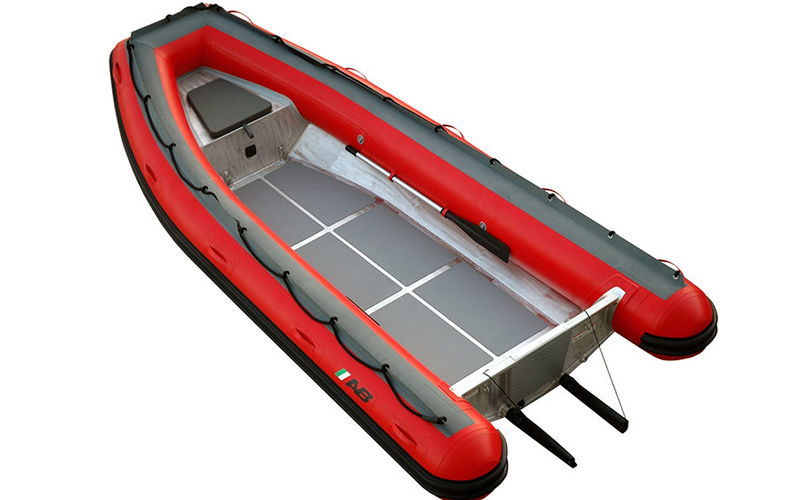


Images have been gathered from various sources and belong to their respective owners.
Review - AB Inflatables Profile A 15

MarineBroker
01/16/2024, 10:06 AM
2018 AB Inflatables Profile A 15: How to Choose, Use, and Maintain a Compact RIB with Confidence
If you’ve been searching for the 2018 AB Inflatables Profile A 15, chances are you’re trying to figure out whether this compact inflatable boat is the right fit for your boating needs. Maybe you’re comparing tender options, looking for a lightweight boat that’s easy to tow or store, or trying to understand whether a used model is worth considering. That’s a very common problem with small RIBs: they look simple on the surface, but the details matter a lot.
A 15-foot inflatable boat can be a great solution, but only if it matches how you actually plan to use it. Storage space, engine pairing, passenger capacity, tube condition, and hull design all affect real-world performance. The good news is that once you know what to look for, choosing and using a boat like the 2018 AB Inflatables Profile A 15 becomes much easier.
In this article, we’ll break down the practical things buyers and owners should know, from performance and setup to maintenance and inspection tips. If you’re trying to make a smart decision without getting lost in boat jargon, you’re in the right place.
- What Makes the 2018 AB Inflatables Profile A 15 Stand Out
The 2018 AB Inflatables Profile A 15 sits in a sweet spot for boaters who want portability without giving up too much comfort or capability. At around 15 feet, it’s compact enough to handle easily, yet large enough to serve as a dependable tender, runabout, or short-distance family boat.
AB Inflatables has long been known for building practical, durable RIBs, and the Profile A line is designed with everyday usability in mind. That matters because many boaters don’t need a massive vessel. They need something that starts quickly, planes efficiently, and is simple to launch, retrieve, and store.
For many buyers, the real problem isn’t finding an inflatable boat. It’s finding one that feels stable, doesn’t overwhelm the owner with maintenance, and still performs well with a modest outboard. The Profile A 15 is appealing because it aims to balance those priorities.
- Who This Boat Is Best For
The 2018 AB Inflatables Profile A 15 is a good fit for several types of boaters.
It works well for:
- Yacht owners needing a practical tender
- Couples or small families looking for a weekend boat
- Newer boaters who want manageable size and simple operation
- Coastal users who need a stable, easy-to-handle inflatable
- Buyers who want a used RIB with proven utility
This boat may not be the best choice if you regularly carry a large group, need a high-speed offshore platform, or want a boat with lots of built-in cabin features. It’s a compact utility boat first, and that’s part of its appeal.
A lot of people make the mistake of buying based on length alone. A 15-foot boat can feel very different depending on hull shape, tube size, console layout, and engine match. That’s why understanding the intended use is more important than focusing on one spec sheet number.
- Common Problem: Is a 15-Foot RIB Big Enough?
One of the biggest questions people ask about the 2018 AB Inflatables Profile A 15 is whether a 15-foot boat is actually big enough.
The answer depends on how you plan to use it.
For short trips, harbor runs, beach landings, and tender duties, 15 feet is often plenty. It’s easier to maneuver than a larger boat, and it can be less stressful to dock, trailer, or store. For many owners, that convenience is the main reason to choose a boat in this size range.
But if you expect to carry several adults, gear, coolers, and maybe a dog or two, the space can feel tight fast. That’s where expectations matter. A compact RIB can handle a lot, but it works best when loaded realistically.
Here’s a simple rule of thumb:
- 2 to 4 people: usually comfortable
- 4 to 5 people: possible, but gear space becomes limited
- 6 people: only for short, light-load trips if the boat’s capacity allows it
Always check the manufacturer’s capacity plate and never treat passenger count as a suggestion. Safety and trim both depend on staying within limits.
- Why the Hull and Tube Design Matter More Than You Think
With boats like the 2018 AB Inflatables Profile A 15, performance isn’t just about size. The hull and tube design shape how the boat rides, handles chop, and stays stable at rest.
A RIB combines a rigid hull with inflatable tubes, and that gives you some advantages:
- Better stability at low speeds and when boarding
- Softer contact with docks and other boats
- Good buoyancy and flotation
- A lighter feel compared with many traditional hard-hull boats
For everyday use, that means less fuss and more confidence. It’s easier to step aboard, easier to beach in calm conditions, and often easier to recover after a day on the water.
Still, buyers should inspect the tubes carefully on any used model. Look for:
- Patches or repair areas
- Uneven fading or UV damage
- Soft spots or leaks
- Valve condition
- Seam separation
A boat can look clean in photos but still need tube work, and that can turn a good deal into an expensive project. If you’re evaluating a used 2018 AB Inflatables Profile A 15, this inspection step is essential.
- Matching the Right Outboard to the Boat
Another common issue is choosing the right engine. A small RIB can feel underpowered, overpowered, or just right depending on the outboard.
The 2018 AB Inflatables Profile A 15 is typically paired with a modest outboard, and that’s usually the smartest setup. For a boat this size, you want enough power to plane cleanly and carry a normal load without strain, but not so much that fuel use and handling become excessive.
When thinking about engine fit, consider:
- Typical passenger load
- How far you travel
- Whether you need quick acceleration
- Fuel efficiency
- Weight on the transom
A lightweight, reliable outboard often makes more sense than chasing maximum horsepower. Many owners are happier with a setup that starts easily, runs quietly, and sips fuel rather than one that feels aggressive but impractical.
If you’re buying used, ask whether the engine was regularly serviced and whether the boat’s transom shows any signs of stress. That can tell you a lot about how the boat was used.
- How to Inspect a Used 2018 AB Inflatables Profile A 15
If you’re shopping for a used 2018 AB Inflatables Profile A 15, a careful inspection is the best way to avoid surprises.
Start with the obvious areas, then work into the details.
Check these items first:
1. Tubes
Look for cracks, patches, discoloration, and air retention issues.
2. Hull
Inspect the fiberglass or rigid hull for damage, repairs, or deep scratches.
3. Transom
Make sure it feels solid and shows no flexing, swelling, or water intrusion.
4. Seams and valves
These are common trouble spots on inflatable boats and should be dry and intact.
5. Flooring and fittings
Check for loose hardware, corrosion, or signs of wear.
6. Engine mounting area
Look for stress marks, corrosion, or uneven wear from the outboard.
If possible, take the boat for a sea trial. A short water test can reveal things that aren’t obvious on land, like poor trim, slow planing, steering issues, or air leaks.
A used boat doesn’t have to be perfect, but it should be predictable. The goal is to find a boat that gives you confidence, not one that creates a repair list before you’ve even launched it.
- Real-World Performance: What to Expect on the Water
The 2018 AB Inflatables Profile A 15 is best understood as a practical everyday boat rather than a luxury cruiser. That’s not a downside. In fact, for many boaters, that’s exactly what they want.
In calm to moderate conditions, a boat like this usually offers:
- Stable boarding and disembarking
- Responsive handling at lower speeds
- Easy docking and maneuvering
- Good efficiency for short trips
- A forgiving ride for casual use
Because it’s compact, it’s also easier to store and move around than larger boats. That alone can make boating more enjoyable. If a boat is too cumbersome, people use it less. A manageable RIB often gets more real-world use because it doesn’t turn every outing into a project.
That said, small boats always require smart judgment. Wind, chop, and wake can affect comfort quickly. If you’re planning longer offshore runs, you’ll want to be conservative and check weather conditions closely.
- Maintenance Tips That Actually Help
A lot of inflatable boat problems can be prevented with basic care. The good news is that maintenance for a boat like the 2018 AB Inflatables Profile A 15 is manageable if you stay consistent.
Here are the habits that matter most:
- Rinse after saltwater use
- Keep tubes clean and protected from UV exposure
- Inspect valves and seams regularly
- Flush the outboard after each trip
- Check fuel lines and connections
- Store the boat dry and properly supported
- Avoid dragging the boat across rough surfaces
UV damage is one of the biggest long-term threats to inflatable tubes, especially in sunny climates. Using a proper cover or shade when the boat is not in use can extend its life significantly.
Also, don’t ignore the small stuff. A loose fitting, slow leak, or corroded fastener may seem minor now, but small problems have a way of becoming expensive later. Regular five-minute inspections save a lot of hassle.
- Storage and Transport: Why This Boat Is Easier to Live With
One of the biggest advantages of a 15-foot inflatable RIB is how easy it is to live with compared with larger boats.
The 2018 AB Inflatables Profile A 15 is small enough to fit into more storage setups, and that can be a game-changer for owners with limited space. If you don’t have a full marina slip or large driveway, a compact inflatable boat may be far more practical than a hard-hull alternative.
Benefits include:
- Easier trailering
- Less storage space required
- Simpler launching and retrieval
- Lower towing demands
- Faster cleanup after use
For many owners, the problem isn’t just boating costs. It’s the time and effort required to keep a boat ready. A smaller RIB reduces that friction, which makes it more likely you’ll actually use it.
If you’re storing the boat for longer periods, make sure it’s clean, dry, and protected from sun and moisture. Proper winterization or off-season storage can preserve both the tubes and the engine.
- Common Buying Mistakes to Avoid
People shopping for a used inflatable boat often make the same avoidable mistakes.
Watch out for these:
- Buying based only on appearance
- Ignoring tube age and UV wear
- Overlooking transom condition
- Choosing too much engine for the hull
- Skipping the sea trial
- Forgetting to check registration and service history
A boat can look polished in a listing and still have hidden issues. The best purchase is the one that fits your actual boating habits and comes with a clear understanding of its condition.
If the 2018 AB Inflatables Profile A 15 is on your shortlist, focus on fit, condition, and maintenance history. Those three things matter more than hype, and they’ll tell you far more about ownership experience than a glossy photo ever will.
- Practical Ways to Get More Out of a Small RIB
If you already own this boat or are planning to buy one, a few simple habits can make a big difference.
Try these tips:
- Keep the load light and balanced
- Store gear low and centered
- Use a quality cover when not in use
- Maintain the engine on schedule
- Keep a small repair kit onboard
- Track fuel use and performance over time
Small boats reward good organization. When weight is managed well, handling improves, fuel economy improves, and the boat feels more stable overall.
If you use the boat as a tender, think about the routine you want to create. The easier it is to board, start, and secure, the more useful the boat becomes. A well-kept compact RIB can be one of the most versatile tools in boating.
- When the 2018 AB Inflatables Profile A 15 Makes the Most Sense
This boat makes the most sense when your priorities are practical rather than flashy.
It’s a strong option if you want:
- A compact, easy-to-handle inflatable boat
- A stable platform for short trips
- A tender or runabout with simple upkeep
- A used boat size that’s easier to inspect and manage
- A solution for limited storage space
In other words, it’s a boat for people who value usability. That’s often the smartest kind of boat to own.
If your main goal is smooth, efficient day-to-day boating without a lot of complexity, a boat like the 2018 AB Inflatables Profile A 15 can be a very sensible choice.
- Conclusion
The 2018 AB Inflatables Profile A 15 is a compact RIB that appeals to boaters who want simplicity, stability, and easy handling in one package. The key to getting the most out of it is matching the boat to your real-world needs, not just its size or appearance. Check the tubes, hull, transom, and engine carefully, and make sure the boat’s capacity fits how you actually plan to use it.
If you’re considering one, focus on condition, maintenance history, and practical layout. That approach will help you avoid common buying mistakes and choose a boat that’s genuinely useful on the water. For more help, it’s worth comparing similar 15-foot RIBs and reviewing basic inspection checklists before you buy.
Specifications
General
Boat Type: Power Boats
Class Type: Rigid Inflatable Boats
Specifications
Length: 14.99
Beam: 6.76
Draft: 1.67
Hull Material: Aluminium
Build
First Built: 2018
Propulsion
Fuel Type: Unleaded
Engines: 1
Power: 60 HP
Brand: Unknown
Accomodation
PROS & CONS
What we appreciated
 High-quality construction with durable Hypalon materialLightweight and easy to transportStable hull design suitable for various water conditionsSpacious layout for a 15-foot inflatable boatGood performance with outboard engines up to recommended horsepower
What we didn’t appreciate
 Price point may be higher compared to similar-sized inflatablesLimited onboard storage spaceRequires regular maintenance to preserve Hypalon materialNot ideal for very rough sea conditionsSeats and accessories may need to be purchased separately
Upkeep Costs
Fuel: Approximately $500 - $1,000 per year depending on usage
Maintenance: Around $300 - $600 per year
Insurance: Approximately $200 - $400 per year
Storage: $500 - $1,200 per year depending on location and type
Registration and Licensing: $50 - $150 per year
Rating
5.0
User
Score
Score
Driveability
Technology
Interior
Design
Similar Boats


MarineBroker
Download now for an immersive boat experience like never before! ⛵✨ Your journey begins with a simple click. 🌊📲
#SetSailSmart #DownloadNow
#SetSailSmart #DownloadNow

Subscribe
Copyright 2017 - 2026, Marinebroker.net, All Rights Reserved