Boat Database » AB Inflatables Ventus 12 VL
AB Inflatables Ventus 12 VL
Outboard four-stroke, Unleaded, 1x 30 HP
Power Boats 2015 AB Inflatables Ventus 12 VL: How to Choose, Inspect, and Use a Compact Tender the Smart Way
If you’re looking at the 2015 AB Inflatables Ventus 12 VL, you’re probably after a small boat that’s easy to handle, simple to store...
Discover
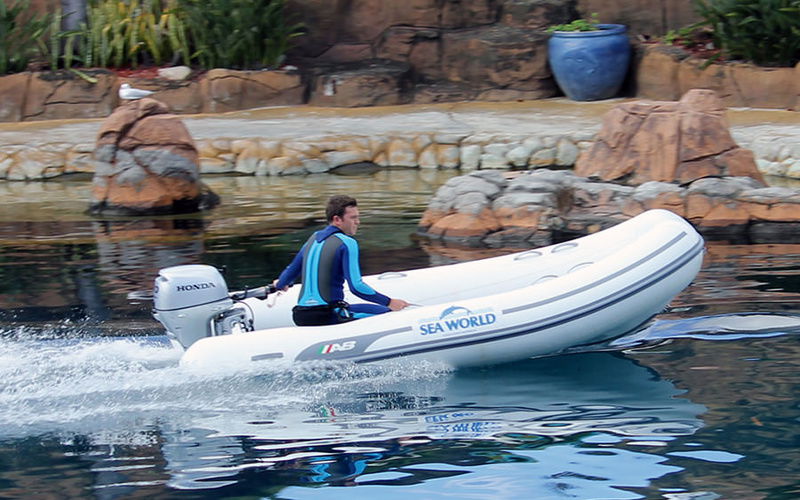


Images have been gathered from various sources and belong to their respective owners.
Review - AB Inflatables Ventus 12 VL

MarineBroker
01/15/2024, 12:39 PM
2015 AB Inflatables Ventus 12 VL: How to Choose, Inspect, and Use a Compact Tender the Smart Way
If you’re looking at the 2015 AB Inflatables Ventus 12 VL, you’re probably after a small boat that’s easy to handle, simple to store, and capable enough for everyday use. That usually means you want something that can work as a tender, a runabout, or a lightweight utility boat without turning every outing into a maintenance project. The tricky part is that compact inflatables can seem straightforward at first glance, but small details make a big difference.
A boat like the 2015 AB Inflatables Ventus 12 VL can be a great fit for someone who values portability and practicality. But the real challenge is knowing whether the boat is in good condition, whether it suits your intended use, and what to check before you commit. Many buyers focus only on size and price, then discover issues with tubes, seams, flooring, or outboard compatibility later. The good news is that with a little know-how, you can avoid those headaches. In this article, we’ll break down what makes this model appealing, what problems owners commonly run into, and how to evaluate it confidently so you can make a smarter boating decision.
- What Makes the 2015 AB Inflatables Ventus 12 VL Worth Considering?
The 2015 AB Inflatables Ventus 12 VL sits in a sweet spot for boaters who want a compact inflatable with real-world usefulness. At around 12 feet, it’s large enough to feel more stable than a tiny dinghy, but still manageable for transport, launch, and storage.
That balance is what draws many people to this type of boat. It can work well as:
- A yacht tender
- A small coastal runabout
- A harbor boat
- A light-duty utility craft for short trips
What makes the Ventus line appealing is its practical layout. Boats in this category are usually designed to be efficient, easy to board, and simple to power with a modest outboard. For many owners, that means lower fuel costs, easier trailering, and less time spent fussing with the boat and more time actually using it.
The main reason people search for the 2015 AB Inflatables Ventus 12 VL is usually not luxury. It’s utility. They want a dependable inflatable that can handle everyday boating tasks without being overly complicated.
- The Real Problem Buyers Face With Used Inflatables
When people shop for a used inflatable boat, the biggest issue is often uncertainty. Unlike a rigid hull boat, an inflatable can look fine from a distance while hiding wear that affects safety and performance.
Common concerns include:
- Slow air leaks
- UV damage to the tubes
- Weak or separated seams
- Floor damage or missing components
- Corrosion on fittings
- Outboard mismatch
- Poor storage history
This is especially important with a used model like the 2015 AB Inflatables Ventus 12 VL, because age alone doesn’t tell you much. A well-kept boat can still be in excellent shape after years of use, while a neglected one may need expensive repairs even if it appears clean.
The problem isn’t just cosmetic. Inflatable boats depend on tube integrity, proper pressure, and solid hardware. If one of those areas is compromised, the boat may lose performance, feel unstable, or become unsafe.
So the real challenge is not just finding the boat. It’s finding the right one in the right condition.
- 2015 AB Inflatables Ventus 12 VL: Key Features to Evaluate
Before you buy or use a 2015 AB Inflatables Ventus 12 VL, it helps to understand which features matter most. You don’t need to memorize every spec, but you do want to focus on the parts that affect function and long-term value.
- Tube condition
The tubes are the heart of the boat. Look for:
- Cracking
- Fading
- Patches
- Soft spots
- Sticky or chalky surfaces from UV wear
A little fading is normal on an older inflatable. Deep cracking, however, usually means the material has aged beyond simple cleaning or maintenance.
- Seams and bonding
Seams should be smooth, even, and free of lifting edges. If you see bubbling, peeling, or signs of re-bonding, that’s a red flag. Seams are one of the most important areas to inspect because they affect the boat’s ability to hold air consistently.
- Floor system
Depending on the setup, the floor may be rigid, removable, or inflatable. Check for:
- Warping
- Delamination
- Loose panels
- Missing pieces
- Water intrusion
A weak floor can make the boat feel unstable and reduce confidence on the water.
- Transom and motor mount
The transom must be solid. If it flexes too much, has soft spots, or shows signs of rot or corrosion, the boat may not support the outboard properly. That can affect both safety and performance.
- Hardware and fittings
Inspect:
- D-rings
- Lifelines
- Handles
- Valves
- Tow points
- Motor mounting hardware
These parts often get overlooked, but they matter a lot in daily use. Corroded or loose fittings can become annoying fast and may create bigger problems later.
- How to Inspect a Used 2015 AB Inflatables Ventus 12 VL Before Buying
If you’re shopping for a used 2015 AB Inflatables Ventus 12 VL, a careful inspection can save you from a costly mistake. A boat that looks clean in photos may tell a very different story in person.
- Start with a visual walkthrough
Look at the boat in daylight if possible. Check the tubes from bow to stern and note any discoloration, repairs, or uneven surfaces. Walk around slowly and trust what you see.
- Check inflation pressure
If the seller allows it, inflate the boat to proper pressure and let it sit. A boat that loses noticeable pressure over a short period may have leaks or valve issues.
A simple test:
1. Inflate the tubes fully.
2. Mark the pressure or firmness level.
3. Wait several hours.
4. Recheck for softening.
Small pressure changes can happen with temperature shifts, but obvious deflation is a concern.
- Inspect seams and valve areas closely
Use your hands as well as your eyes. Feel around the seams and valve bases for dampness, uneven edges, or soft spots. Valve problems are common and often easier to fix than tube damage, but they still need attention.
- Look underneath
Flip the boat or inspect the bottom carefully. Drag wear, abrasion, and patchwork on the underside are common in used inflatables. A little wear is expected; extensive repairs may suggest hard use.
- Ask about storage history
This is one of the most important questions you can ask. A boat stored indoors or covered properly usually ages much better than one left in the sun year-round. UV exposure is one of the biggest enemies of inflatable material.
- Ask for maintenance records
If the owner has records of repairs, valve replacements, floor work, or outboard servicing, that’s a good sign. It shows the boat was maintained rather than just used until problems appeared.
- Common Issues on Older Compact Inflatables
A boat like the 2015 AB Inflatables Ventus 12 VL may still have plenty of life left, but older inflatables tend to show the same kinds of issues over time.
- UV degradation
Sun exposure dries out materials and weakens surfaces. You may notice:
- Fading
- Surface chalking
- Stiffness
- Tiny cracks
This is gradual, but it can shorten the useful life of the tubes if the boat wasn’t protected.
- Valve wear
Valves can become sticky, leaky, or hard to seal. Sometimes the fix is simple cleaning or replacement, but ignored valve issues can make the boat frustrating to use.
- Patch accumulation
One or two well-done patches are not automatically a dealbreaker. But multiple patches, especially in the same area, may indicate repeated damage or poor storage.
- Floor and transom fatigue
Repeated loading, unloading, and moisture exposure can wear out structural components. If the floor feels spongy or the transom flexes too much, you may be looking at more than routine upkeep.
- Hardware corrosion
Saltwater use can be tough on metal fittings. Even if the boat itself is in decent shape, corroded hardware can make it less convenient and more expensive to keep in service.
- How to Match the Boat to Your Actual Use
The best boat is not always the biggest or newest one. It’s the one that fits how you plan to use it.
The 2015 AB Inflatables Ventus 12 VL makes the most sense if you want a compact inflatable for short trips, light transport, or tender duty. But before buying, think through your real use case.
- If you need a tender
You’ll want:
- Easy lifting or davit compatibility
- Good stability at low speeds
- Simple boarding
- Lightweight handling
A 12-foot inflatable often fits this role well, especially if storage space is limited.
- If you want a small runabout
Then you should pay attention to:
- Seating layout
- Outboard power range
- Ride comfort in chop
- Tube diameter and stability
A compact inflatable can be fun, but it’s still important to know its limitations in rougher water.
- If you plan to fish or explore
Look for:
- Open deck space
- Storage for gear
- Easy anchor handling
- Solid flooring
In that case, practical layout matters more than appearance.
- Why Proper Outboard Matching Matters
One of the most overlooked issues with a used inflatable is motor compatibility. A boat may look ready to go, but the outboard setup can make or break the experience.
For the 2015 AB Inflatables Ventus 12 VL, you want to confirm:
- Recommended horsepower range
- Shaft length compatibility
- Transom height
- Total weight on the stern
Too much motor can make the boat unsafe or hard to trim. Too little motor can leave you underpowered and frustrated, especially if you carry passengers or gear.
A well-matched outboard gives you:
- Better fuel efficiency
- Easier planing
- More predictable handling
- Less strain on the transom
If you’re unsure, compare the boat’s current setup with manufacturer guidance or consult a marine technician.
- Maintenance Tips That Extend the Life of a Small Inflatable
If you already own a 2015 AB Inflatables Ventus 12 VL, or you’re planning to buy one, good maintenance will make a huge difference. The nice thing about inflatables is that many problems are preventable.
- Rinse after use
Especially after saltwater use, rinse the boat thoroughly. Pay attention to:
- Valves
- Hardware
- Floor edges
- Transom fittings
Salt buildup can shorten the life of both fabric and metal parts.
- Store out of direct sun
UV protection matters a lot. Use a cover, garage storage, or shaded area whenever possible. This alone can significantly slow aging.
- Keep proper inflation
Underinflation can cause flexing and wear. Overinflation can stress seams and valves, especially in heat. Check pressure regularly, especially if temperatures change.
- Clean with the right products
Use mild soap and water. Harsh cleaners, solvents, and abrasive brushes can damage the material. If you want the boat to last, gentler is better.
- Inspect before and after each outing
A quick check can catch small issues before they become big ones. Look for:
- Air loss
- Loose hardware
- Scrapes
- New patches
- Valve problems
- When the 2015 AB Inflatables Ventus 12 VL Is a Smart Buy
This model is a smart buy when you want a compact inflatable that is:
- Easy to manage
- Suitable for short trips or tender use
- Simple to store
- Capable of practical everyday boating
It’s especially appealing if the boat has been cared for properly and the current setup matches your needs. A clean, well-maintained used inflatable can offer excellent value compared with buying new.
The key is not to rush. A boat that looks affordable can become expensive if it needs tube repair, floor replacement, or transom work. On the other hand, a solid example can provide years of reliable use with relatively low operating costs.
- Practical Buying Checklist for the 2015 AB Inflatables Ventus 12 VL
Before you commit, use this checklist:
1. Inspect tube condition in daylight
2. Check for seam separation or patch overload
3. Test valves for leaks
4. Evaluate floor rigidity and condition
5. Confirm transom strength
6. Review hardware and fittings for corrosion
7. Ask about storage history
8. Verify motor compatibility
9. Look for maintenance records
10. If possible, sea trial the boat
A sea trial is especially valuable. It tells you how the boat behaves under load, how it turns, and whether it feels stable and responsive.
- Final Thoughts on the 2015 AB Inflatables Ventus 12 VL
The 2015 AB Inflatables Ventus 12 VL can be a very practical choice for boaters who want a compact inflatable with real everyday usefulness. The biggest challenge is not finding one, but finding one that has been cared for properly and matches your intended use. If you focus on tube condition, seams, floor integrity, transom strength, and motor fit, you’ll avoid most of the common mistakes people make with used inflatables.
Take your time, inspect carefully, and think about how you’ll actually use the boat. That approach will help you get more value, fewer surprises, and a better experience on the water. If you’re still comparing options, it’s worth looking at similar compact inflatables and reviewing basic maintenance guides before making a final decision.
Specifications
General
Boat Type: Power Boats
Class Type: Rigid Inflatable Boats
Specifications
Length: 12.01
Beam: 5.81
Draft: 1.31
Hull Material: GRP
Build
First Built: 2015
Propulsion
Fuel Type: Unleaded
Engines: 1
Power: 30 HP
Brand: Unknown
Accomodation
PROS & CONS
What we appreciated
 High-quality Hypalon material ensuring durability and resistance to UV and abrasionsSpacious layout with comfortable seating for multiple passengersLightweight design making it easy to tow and launchGood stability and performance in various water conditionsModern and sleek design with efficient hull shape for better fuel economy
What we didn’t appreciate
 Higher price point compared to some other inflatable boats in the same size categoryLimited storage space for extended trips or gearRequires regular maintenance to keep the Hypalon material in optimal conditionOutboard engine not included, adding to the overall costCan be less stable in very rough sea conditions compared to rigid hull boats
Upkeep Costs
Fuel: Approximately $1,200 - $2,500 per year depending on usage
Maintenance and Repairs: $500 - $1,000 per year
Insurance: $300 - $700 per year
Storage: $600 - $1,200 per year
Registration and Licensing: $50 - $150 per year
Rating
5.1
User
Score
Score
Driveability
Technology
Interior
Design
Similar Boats


MarineBroker
Download now for an immersive boat experience like never before! ⛵✨ Your journey begins with a simple click. 🌊📲
#SetSailSmart #DownloadNow
#SetSailSmart #DownloadNow

Subscribe
Copyright 2017 - 2026, Marinebroker.net, All Rights Reserved