Boat Type: Power Boats
Boat Class: Rigid Inflatable Boats
Length: 8.2 ft
Berths: 1
Cabins: 1
Bathrooms: 1
Max Persons: 3
Boat Database » 3D Tender Twin V-Shape 250
3D Tender Twin V-Shape 250
Outboard four-stroke, Unleaded, 1x 6 HP
Power Boats 2020 3D Tender Twin V-Shape 250: What to Know Before You Buy, Upgrade, or Use It Better
If you’ve been searching for information on the 2020 3D Tender Twin V-Shape 250, chances are you’re trying to figure out whether this compact...
Discover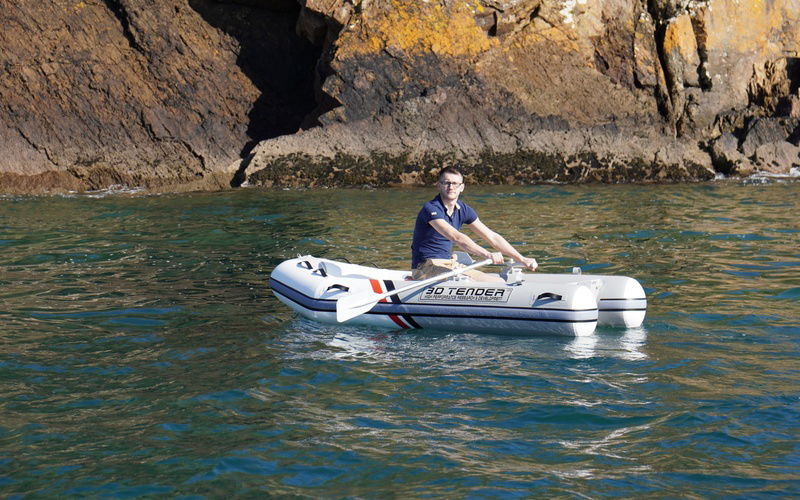

Images have been gathered from various sources and belong to their respective owners.
Review - 3D Tender Twin V-Shape 250

MarineBroker
01/09/2024, 7:23 AM
2020 3D Tender Twin V-Shape 250: What to Know Before You Buy, Upgrade, or Use It Better
If you’ve been searching for information on the 2020 3D Tender Twin V-Shape 250, chances are you’re trying to figure out whether this compact inflatable boat actually fits your kind of boating. Maybe you want a lightweight tender that’s easy to launch, stow, and handle by yourself. Or maybe you already own one and are wondering how to get more stability, better performance, or just a more comfortable day on the water.
That’s a very common situation with small tenders and dinghies. These boats are often chosen because they’re practical, but once you start using them, the real questions show up fast: Is it stable enough for two people? How does it behave with a small outboard? What should you check before buying one used? And how do you make a 2.5-meter inflatable feel safer and more capable without overcomplicating things?
The good news is that the 2020 3D Tender Twin V-Shape 250 is the kind of boat that can work really well when you match it to the right use case and set it up properly. In this article, we’ll break down what makes it useful, what limitations to expect, and the practical steps that can help you get the best results from it.
- What Makes the 2020 3D Tender Twin V-Shape 250 Stand Out
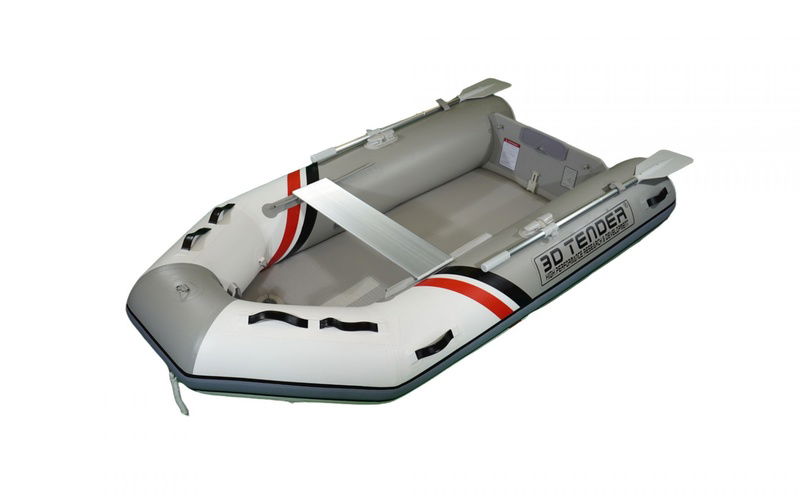
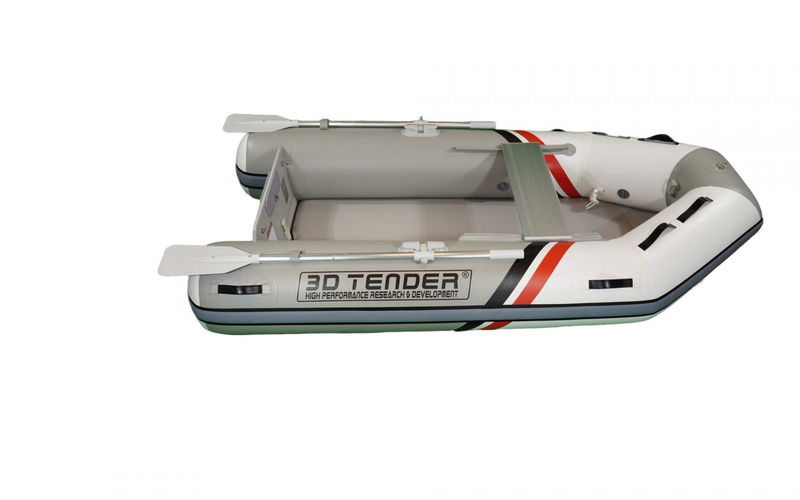
The 3D Tender Twin V-Shape 250 is a compact inflatable tender designed for simplicity, portability, and everyday utility. At 2.5 meters long, it sits in the sweet spot for boaters who need something small enough to store easily but still useful for short trips, harbor runs, or as a yacht tender.
The “Twin V-Shape” design is especially important. Compared with a flatter inflatable floor, a V-shaped hull tends to cut through chop a little better and gives the boat a more directional feel underway. That can make a noticeable difference when you’re dealing with light waves, wake, or a bit of wind on the water.
For many owners, the biggest appeal is not speed. It’s convenience.
You’re looking at a boat that can be:
- Easier to transport than a rigid dinghy
- Faster to inflate and launch than many larger tenders
- Simple to store on deck, in a garage, or in a marina environment
- Useful for short, practical trips rather than long-distance cruising
That makes it a smart choice for people who want a no-fuss tender that can still handle real-world boating conditions.
- The Main Problem Buyers Usually Face
When people search for the 2020 3D Tender Twin V-Shape 250, the underlying problem is often this: they want a small boat that feels stable and useful, but they don’t want to end up with something too cramped, too slow, or too sensitive to loading.
That concern is valid.
Small inflatables are often judged too quickly. Some people expect them to perform like larger boats, while others underestimate how much setup affects the ride. A 2.5-meter tender can be great, but only if you understand its limits and use it correctly.
The most common issues people run into are:
- Overloading the boat with too much gear or too many passengers
- Using an outboard that doesn’t match the boat’s intended setup
- Inflating it incorrectly, which affects rigidity and handling
- Expecting too much comfort in rough water
- Buying used without checking wear points and repairs
The solution is not to “push harder” with the boat. It’s to use the right setup, loading habits, and maintenance routine so the tender performs the way it should.
- Who the 2020 3D Tender Twin V-Shape 250 Is Best For
This model makes the most sense for boaters who value practicality over luxury.
It’s a strong fit for:
- Yacht owners needing a compact tender
- Coastal boaters making short runs in calm to moderate conditions
- Solo users who want an easy boat to handle alone
- Couples or two-person crews doing light-duty trips
- People with limited storage space
It may be less ideal if you need:
- High capacity for several adults plus gear
- A dry ride in rough, open-water conditions
- High-speed performance
- A tender for long-distance family use
In other words, this is a utility boat first. If you understand that, it can be a very satisfying option.
- Why the Twin V-Shape Design Matters
The V-shape is one of the main reasons this model gets attention. Inflatable boats with a flatter base can be very stable at rest, but they often feel more “bouncy” when moving through chop.
A V-shaped hull helps the boat:
- Track better in a straight line
- Feel less harsh in small waves
- Offer a more controlled ride at low to moderate speed
- Reduce some of the slapping you get with flat-bottom inflatables
That said, the tradeoff is worth understanding. A deeper V can sometimes feel a little less stable when boarding from the side or when sitting still compared with a completely flat floor. For a small tender, balance is always about compromise.
If your use is mostly:
- Harbor transfers
- Dock runs
- Short coastal hops
- Getting from anchor to shore
then the Twin V-Shape layout can be a real advantage.
- What to Check Before Buying a Used 2020 3D Tender Twin V-Shape 250
If you’re looking at a used 2020 model, inspection matters more than almost anything else. Small inflatables can look fine in photos but hide issues that affect safety and performance.
Here’s what to inspect carefully:
- Tubes and seams
Look for fading, patches, glue marks, or uneven surfaces. Small repairs are not always a dealbreaker, but repeated patching can signal heavy use or poor storage.
- Floor and hull rigidity
Make sure the floor holds pressure properly and that the boat feels firm when inflated. A soft or uneven floor can make handling worse.
- Valves
Check that valves open and close cleanly and don’t leak.
- Transom area
If the boat is set up for an outboard, inspect the transom for cracks, flex, or water damage.
- Keel and underside
Look for abrasion, scuffs, and signs of dragging on rough surfaces.
- Accessories and fittings
Oarlocks, handles, D-rings, and towing points should all be secure.
- Storage history
A boat stored in full sun or folded wet for long periods may age faster than one kept dry and protected.
A used inflatable can still be a great buy, but only if the structure and materials are sound.
- How to Get Better Performance from a Small Tender
A lot of people assume performance is mostly about engine power. With a boat like the 2020 3D Tender Twin V-Shape 250, setup and loading often matter just as much.
Here are some practical ways to improve how it behaves:
- Keep weight centered
Place gear low and near the middle of the boat whenever possible. This helps the hull sit more evenly in the water.
- Avoid unnecessary clutter
Small boats feel much better when you travel light. Every extra bag changes trim and stability.
- Match the outboard properly
Too much motor can make handling awkward, while too little can make the boat feel sluggish. Always stay within the manufacturer’s guidance.
- Inflate to the correct pressure
Underinflation is one of the biggest reasons inflatable boats feel unstable or slow. Check pressure before every outing.
- Distribute passengers carefully
One person sitting too far back can cause the bow to lift too much, which affects visibility and control.
- Use smooth throttle input
Small inflatables respond best to gentle, controlled acceleration rather than sudden bursts.
These are simple habits, but they make a big difference.
- Safety Tips That Matter More on a 2.5m Inflatable
Because this is a compact tender, safety should be treated seriously. Small boats can be very capable, but they leave less room for mistakes.
Important safety habits include:
- Wearing a life jacket, especially in moving water
- Checking weather and wind before leaving
- Avoiding overload
- Keeping a bailer or pump onboard
- Carrying a paddle as backup
- Securing fuel and gear so nothing shifts unexpectedly
- Telling someone where you’re going if you head out alone
One of the biggest mistakes on small tenders is assuming “it’s just a short trip.” Short trips are often where people become careless. A light inflatable can get blown around quickly if the wind picks up, especially when unloaded.
- Best Use Cases for the 2020 3D Tender Twin V-Shape 250
This boat shines when used for the kind of work it was designed to do.
Good use cases include:
- Tender duty between shore and anchored boats
- Dock-to-dock transport in protected waters
- Quick errands around a marina
- Short fishing runs in calm conditions
- Solo outings where easy handling matters
It’s less ideal for:
- Offshore use
- Heavy chop
- Long family outings
- Carrying bulky equipment
- High-speed planing expectations
If you keep it in the right environment, it can be very efficient and surprisingly enjoyable.
- Maintenance Habits That Extend Its Life
Inflatable boats last much longer when they’re cleaned, dried, and stored properly. That’s especially true for a 2020 model, where age-related wear may already be starting to show depending on how it was used.
Here are the basics:
- Rinse with fresh water after saltwater use
- Dry completely before folding or storing
- Avoid leaving it exposed to direct sunlight for long periods
- Check seams and valves regularly
- Keep it away from sharp edges and fuel spills
- Use a protective cover if possible
A little routine care prevents a lot of hassle later. It also helps preserve resale value if you ever decide to upgrade.
- Buying vs. Keeping: When the 2020 3D Tender Twin V-Shape 250 Makes Sense
If you already own this model, the question may not be whether it’s “good” in general, but whether it still fits your needs.
Keeping it makes sense if:
- It still holds air well
- The floor and transom are in good condition
- It handles your typical trips without issue
- You value easy storage and low maintenance
Upgrading may make sense if:
- You need more room for passengers or gear
- You want better rough-water comfort
- You’re moving to a larger main boat
- You’ve outgrown the tender’s practical capacity
A lot of boaters upgrade too early because they want more power or size, but a well-kept small tender often remains the most convenient tool for the job.
- Simple Buying Checklist for Interested Boaters
If you’re considering the 2020 3D Tender Twin V-Shape 250, use this quick checklist:
- Confirm the boat’s actual condition, not just the listing photos
- Check the tube seams and valves
- Inspect the floor and transom carefully
- Verify what engine, if any, is included
- Ask about storage and maintenance history
- Make sure it fits your intended use, not just your wish list
- Compare capacity and dimensions against your real needs
This kind of boat works best when expectations are realistic.
- Practical Solution: How to Make This Boat Work for You
The real solution to getting value from the 2020 3D Tender Twin V-Shape 250 is to treat it like a purpose-built tender, not a mini cruiser.
That means:
- Use it for short, efficient trips
- Keep loading light and balanced
- Maintain proper inflation and storage habits
- Match the engine and conditions to the boat’s size
- Choose calm or protected waters when possible
If you do that, the boat becomes much more than a small inflatable. It becomes a dependable tool that saves time, stores easily, and handles everyday boating tasks with very little fuss.
- Conclusion
The 2020 3D Tender Twin V-Shape 250 is a compact inflatable that makes the most sense for boaters who want simplicity, portability, and practical everyday use. Its V-shaped design can improve handling compared with flatter tenders, but the real key to success is using it within its limits and setting it up properly.
If you’re shopping for one, focus on condition, storage history, and whether the boat truly fits your typical trips. If you already own one, good inflation, balanced loading, and regular maintenance can make a bigger difference than most people expect. For the right user, this small tender can be a very handy and reliable part of boating life. If you want to keep learning, it’s worth comparing similar inflatable tenders and reviewing setup tips before your next outing.
Specifications
General
Boat Type: Power Boats
Class Type: Rigid Inflatable Boats
Specifications
Length: 8.2
Beam: 4.43
Draft: 0.98
Hull Material: Unknown
Build
First Built: 2020
Propulsion
Fuel Type: Unleaded
Engines: 1
Power: 6 HP
Brand: Unknown
Accomodation
Berths: 1
Cabins: 1
Bathrooms: 1
PROS & CONS
What we appreciated
 Modern twin V-shape hull design offers excellent stability and handling in rough watersLightweight and durable construction for easy towing and launchingSpacious deck layout suitable for tender and recreational useGood fuel efficiency due to optimized hull shapeReliable performance with quality 2020 model engineering
What we didn’t appreciate
 Limited seating capacity compared to larger tendersMinimal onboard storage space for extended tripsBasic features may lack some advanced electronics or comfort amenitiesTwin V-hull may produce a slightly rough ride in very calm watersRelatively higher maintenance cost due to twin hull design
Upkeep Costs
Fuel costs: Depending on usage, approximately $2000 - $4000 per year
Maintenance and servicing: Around $1000 - $3000 annually
Insurance: Typically $500 - $1500 per year
Storage and docking fees: $1000 - $3000 per year
Registration and taxes: $100 - $300 per year
Rating
5.2
User
Score
Score
Driveability
Technology
Interior
Design
Similar Boats


MarineBroker
Download now for an immersive boat experience like never before! ⛵✨ Your journey begins with a simple click. 🌊📲
#SetSailSmart #DownloadNow
#SetSailSmart #DownloadNow

Subscribe
Copyright 2017 - 2026, Marinebroker.net, All Rights Reserved