2018 Apex A-8 RIB: What to Know Before Buying, Maintaining, and Using This Compact Tender
If you’ve been looking at the 2018 Apex A-8 RIB, you’re probably trying to solve a pretty common boating problem: finding a small rigid inf...
Discover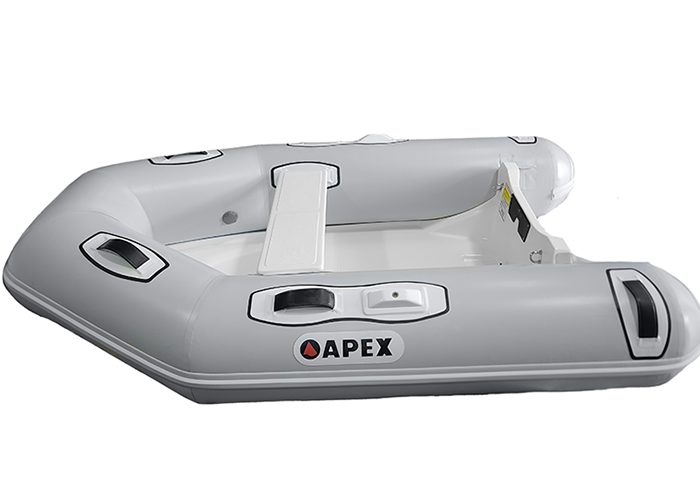


Images have been gathered from various sources and belong to their respective owners.
Review - Apex A-8 RIB

MarineBroker
03/18/2024, 2:07 AM
2018 Apex A-8 RIB: What to Know Before Buying, Maintaining, and Using This Compact Tender
If you’ve been looking at the 2018 Apex A-8 RIB, you’re probably trying to solve a pretty common boating problem: finding a small rigid inflatable boat that’s easy to handle, dependable, and practical without feeling like a compromise. That’s a real challenge, especially when you want something that can work as a tender, a runabout, or a light-duty adventure boat.
The 2018 Apex A-8 RIB sits in that sweet spot for a lot of boaters. It’s compact, simple, and built around the core strengths people expect from a RIB: stability, buoyancy, and easy handling. But like any boat in this size range, the real question isn’t just “Does it look good?” It’s “Will it actually fit my use case?”
That’s where a little education goes a long way. If you understand what the A-8 does well, where it may fall short, and how to set it up properly, you can avoid frustration and get much more value out of it. In this article, we’ll break down what makes the 2018 Apex A-8 RIB worth considering, common issues buyers run into, and practical ways to solve them.
- What Is the 2018 Apex A-8 RIB?
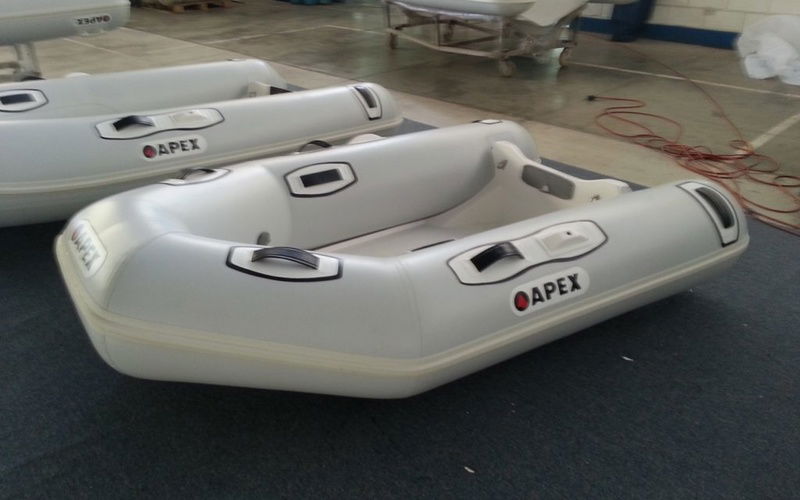
The 2018 Apex A-8 RIB is a compact rigid inflatable boat designed for versatility. Boats in this class are often used as yacht tenders, harbor runabouts, dock-to-shore transport, or small family fun boats for calm waters.
A RIB combines a rigid hull with inflatable tubes around the sides. That setup gives it a few major advantages:
- Better stability than many traditional small boats
- Increased flotation and safety
- A softer ride when docking or coming alongside
- Lightweight construction for easier launching and retrieval
The Apex A-8 is especially appealing to people who want a manageable boat that doesn’t require a huge tow vehicle or a complicated setup. For many owners, the biggest draw is simplicity. It’s the kind of boat you can actually use often, rather than one that becomes a hassle to launch.
For buyers researching the 2018 Apex A-8 RIB, the key is understanding how its size and design match your boating style. If you need a compact boat for short trips, tender duty, or casual cruising, it can make a lot of sense. If you’re expecting offshore performance or lots of storage space, you’ll want to temper expectations.
- Why People Search for the 2018 Apex A-8 RIB
Most people interested in the 2018 Apex A-8 RIB are trying to answer one of these questions:
- Is it a good tender for a larger boat?
- Is it easy to maintain?
- Will it handle everyday use?
- Is it stable enough for family outings?
- What should I check before buying one used?
Those are smart questions, because compact RIBs are often purchased for very practical reasons. Buyers usually want a boat that solves a logistics problem, not just a recreational one.
For example, a yacht owner may need a tender that can be lifted, stored, and launched quickly. A lake boater may want something stable and easy for kids or guests. A first-time buyer may simply want a low-stress way to get on the water.
The 2018 Apex A-8 RIB can fit all of those scenarios, but only if you understand its strengths and limitations.
- The Main Problem: Small Boats Can Be Easy to Buy, Hard to Use Well
Here’s the real issue many buyers run into: compact boats often look simple on paper, but the ownership experience depends heavily on setup, maintenance, and expectations.
With a boat like the 2018 Apex A-8 RIB, the most common problems are not usually dramatic failures. They’re smaller frustrations that add up:
- Not enough power for the intended use
- Poor weight balance
- Underestimating storage needs
- Neglecting tube care
- Choosing the wrong trailer or launch method
- Buying used without checking key wear points
In other words, the boat itself is only part of the equation. A lot of satisfaction comes from how it’s rigged and used.
That’s the good news too: most of these issues are solvable with the right approach.
- What the 2018 Apex A-8 RIB Does Well
Before getting into fixes, it helps to understand why this boat appeals to so many people.
- Stability and confidence on the water
RIBs are known for stability, and that’s one of the biggest benefits here. The inflatable tubes help the boat sit securely in the water, which can make boarding easier and reduce the “tippy” feeling some small boats have.
This is especially useful for:
- Families with kids
- Older passengers
- Dockside transfers
- Newer boaters who want a reassuring ride
- Easy handling in tight spaces
The compact size makes the boat easier to maneuver around marinas, docks, and ramps. That matters a lot if you’re using it as a tender or launching frequently.
- Lightweight practicality
Smaller RIBs are generally easier to tow, store, and launch than larger boats. If you don’t want boating to turn into a weekend project, that’s a major plus.
- Versatile use
A boat like the 2018 Apex A-8 RIB can serve several roles:
- Tender for a larger vessel
- Harbor cruiser
- Short-range family boat
- Fishing platform in calm waters
- Emergency backup boat
That flexibility is one reason compact RIBs remain popular.
- Common Buyer Mistakes With the 2018 Apex A-8 RIB
If you’re considering this model, avoid these common mistakes.
- Buying for the wrong conditions
The A-8 is best suited to protected or moderate waters. If your goal is rough offshore running, you’ll likely be disappointed. A small RIB can handle chop better than many small boats, but it still has limits.
- Ignoring engine matching
Power matters a lot on a boat this size. Too little horsepower and the boat feels sluggish. Too much, and you may create unnecessary stress or exceed recommended limits.
A balanced setup should aim for:
- Safe planing
- Comfortable cruising speed
- Reasonable fuel use
- Good control with passengers aboard
- Overloading the boat
Small boats lose performance quickly when overloaded. Extra gear, coolers, passengers, and water weight can change how the boat rides.
A good rule of thumb: keep the load realistic and distribute weight evenly.
- Skipping inspection on a used boat
If you’re looking at a used 2018 Apex A-8 RIB, don’t just check the hull and walk away. You need to inspect the tubes, seams, transom, flooring, controls, and engine condition carefully.
- How to Evaluate a Used 2018 Apex A-8 RIB
A used RIB can be a great value, but only if you know what to look for.
- Check the tubes
Inspect the inflatable tubes for:
- Cracks
- Patches
- Fading
- Soft spots
- Leaks around valves and seams
Light cosmetic wear is normal. Structural damage or repeated repairs are more concerning.
- Look at the hull
Check the rigid hull for:
- Stress cracks
- Damage from beaching or trailering
- Signs of poor repairs
- Corrosion on fittings or hardware
A clean hull usually suggests the boat was cared for properly.
- Inspect the transom
The transom is critical because it supports the engine. Look for:
- Flexing
- Softness
- Water intrusion
- Corrosion around mounting points
Any sign of transom weakness should be taken seriously.
- Review the engine and controls
If the boat includes an outboard, make sure it starts easily, idles smoothly, and shifts properly. Check steering, throttle response, and fuel system condition.
Also ask about:
- Service records
- Hours
- Storage history
- Last maintenance date
- Verify trailer condition
If a trailer is included, inspect:
- Bearings
- Lights
- Tires
- Winch
- Bunks or rollers
- Frame corrosion
A bad trailer can quickly erase the value of a good boat.
- Practical Setup Tips for Better Performance
One of the easiest ways to improve your experience with the 2018 Apex A-8 RIB is to set it up carefully from day one.
- Choose the right engine
Match the engine to how you actually plan to use the boat.
If you’re using it mostly as a tender or for short trips, prioritize reliability and easy starting. If you want more versatile day use, make sure the boat has enough power to carry passengers without struggling.
- Balance the load
Keep heavy items low and centered. Avoid stacking gear all at the stern, which can hurt planing and trim.
Good load balance helps with:
- Fuel economy
- Handling
- Ride comfort
- Safety
- Keep essentials simple
Compact boats work best when they’re not overloaded with extras. Stick to the basics:
- Safety gear
- Anchor and line
- Paddles or backup propulsion if needed
- Dry storage for phones and documents
- Basic tool kit
- Use proper inflation and pressure checks
For RIB tubes, correct inflation matters. Underinflated tubes can affect handling and wear. Overinflation, especially in hot sun, can be a problem too.
Check pressure regularly and adjust based on temperature and manufacturer guidance.
- Maintenance Tips That Save Time and Money
A small RIB is easier to maintain than many larger boats, but it still needs routine care.
- Rinse after use
Saltwater, sand, and grime can wear down fittings, fabric, and hardware. A fresh-water rinse after each outing helps extend the life of the boat.
- Protect the tubes
Use approved cleaners and protectants designed for inflatable materials. Avoid harsh chemicals that can damage the surface.
- Watch for UV exposure
Sunlight is one of the biggest enemies of inflatable boats. Whenever possible:
- Use a cover
- Store out of direct sun
- Apply UV protection products
- Avoid long periods of unnecessary exposure
- Check hardware regularly
Inspect cleats, handles, rails, and fasteners for looseness or corrosion. Small issues are easier to fix before they become bigger ones.
- Service the engine on schedule
Even a small outboard needs regular maintenance:
- Oil changes
- Fuel filter checks
- Spark plug inspection
- Lower unit service
- Impeller replacement as recommended
A well-maintained engine often matters more than the boat brand itself.
- Who the 2018 Apex A-8 RIB Is Best For
This boat is a strong fit for people who want:
- A compact tender
- A stable small boat for calm or protected waters
- Easy launching and retrieval
- Simple day boating without a lot of complexity
- A lightweight rig that’s easier to store and transport
It may not be the best choice if you want:
- Offshore capability
- Large passenger capacity
- Big storage space
- A heavily equipped fishing platform
- A boat that can ignore maintenance
That’s not a knock on the boat. It’s just about matching the tool to the job.
- A Smart Buying Checklist for the 2018 Apex A-8 RIB
If you’re shopping for one, use this quick checklist:
- Confirm the boat’s intended use matches your needs
- Inspect tubes, hull, transom, and fittings
- Review engine hours and service records
- Check trailer condition if included
- Test steering, throttle, and shifting
- Ask about storage history and exposure to sun/salt
- Make sure the load capacity fits your typical use
- Verify the boat is priced based on condition, not just age
This kind of checklist can save you from buying a boat that looks good but becomes expensive or frustrating later.
- Why the Right Expectations Matter
A lot of boating satisfaction comes down to expectations. The 2018 Apex A-8 RIB is not trying to be a giant center console or a rugged offshore machine. It’s designed to be practical, compact, and useful.
When buyers understand that, they usually appreciate the boat much more. It becomes a solution to a real problem:
- How do I get from ship to shore easily?
- How do I enjoy boating without a huge setup?
- How do I keep things simple and reliable?
That’s where a small RIB shines. It gives you a straightforward way to get on the water without turning every outing into a project.
- Conclusion
The 2018 Apex A-8 RIB is a solid option for boaters who value simplicity, stability, and compact design. It works best when used for the right purpose and cared for properly. If you’re shopping for one, focus on condition, engine match, load management, and regular maintenance rather than just the model name alone.
For many owners, the real value of a boat like this is how easily it fits into everyday boating life. With the right setup and realistic expectations, it can be a practical, low-stress way to enjoy the water. If you’re still comparing options, it’s worth digging into maintenance records, usage history, and setup details before making a decision.
Specifications
General
Boat Type: Power Boats
Class Type: Rigid Inflatable Boats
Specifications
Length: 8.01
Beam: 4.99
Draft: 0.66
Hull Material: GRP
Build
First Built: 2018
Propulsion
Fuel Type: Unleaded
Engines: 1
Power: 8 HP
Brand: Unknown
Accomodation
PROS & CONS
What we appreciated
 Durable and lightweight Rigid Inflatable Boat (RIB) designStable and safe in rough waters due to deep-V hullSpacious deck layout suitable for fishing and recreational activitiesEasy to maneuver and handle with a reliable outboard engineGood resale value and strong brand reputation
What we didn’t appreciate
 Limited onboard storage compared to larger boatsBasic amenities; may require upgrades for extended tripsOpen design offers minimal protection from elementsFuel efficiency can vary depending on engine choiceSeating capacity may be limited for larger groups
Upkeep Costs
Fuel: Approximately $2000-$3000 per year depending on usage and fuel prices
Maintenance: Around $500-$1000 per year for engine servicing, hull inspection, and minor repairs
Insurance: Typically $300-$700 annually depending on coverage and location
Storage: $500-$1500 per year depending on marina or storage facility
Registration and Licensing: $50-$200 per year depending on state or country regulations

Rating
6.7
User
Score
Score
Driveability
Technology
Interior
Design
Similar Boats


MarineBroker
Download now for an immersive boat experience like never before! ⛵✨ Your journey begins with a simple click. 🌊📲
#SetSailSmart #DownloadNow
#SetSailSmart #DownloadNow

Subscribe
Copyright 2017 - 2026, Marinebroker.net, All Rights Reserved