Boat Database » AB Inflatables Profile A24-XHD
AB Inflatables Profile A24-XHD
Outboard four-stroke, Unleaded, 1x 250 HP
Power Boats 2018 AB Inflatables Profile A24-XHD: How to Choose, Set Up, and Use It for Better Family Boating
If you’ve been looking at the 2018 AB Inflatables Profile A24-XHD, you’re probably trying to solve a pretty common boating problem: ...
Discover

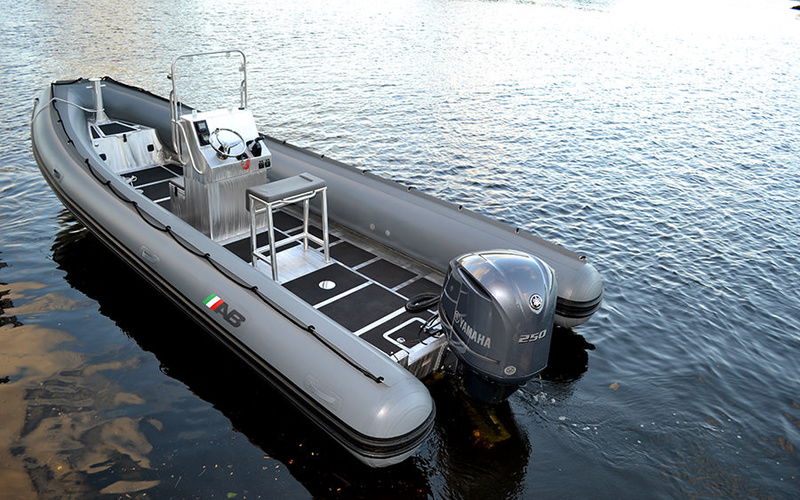

Images have been gathered from various sources and belong to their respective owners.
Review - AB Inflatables Profile A24-XHD

MarineBroker
01/16/2024, 10:36 AM
2018 AB Inflatables Profile A24-XHD: How to Choose, Set Up, and Use It for Better Family Boating
If you’ve been looking at the 2018 AB Inflatables Profile A24-XHD, you’re probably trying to solve a pretty common boating problem: how do you get a boat that feels stable, practical, and fun without overcomplicating your time on the water? A lot of boat buyers and owners want something that can handle family outings, dock runs, beach days, and light-duty utility work, but they don’t want a boat that feels cramped, difficult to maintain, or awkward to trailer and launch.
That’s where a model like the 2018 AB Inflatables Profile A24-XHD starts to make sense. It sits in a sweet spot for people who want a capable inflatable platform with a solid layout and a reputation for versatility. But even a good boat can become frustrating if it’s not matched to the way you actually use it.
The real challenge is not just owning a boat like this. It’s using it well. In this article, we’ll look at what makes the 2018 AB Inflatables Profile A24-XHD appealing, the most common ownership pain points, and practical ways to get more from it whether you’re shopping, maintaining, or already running one.
- What Makes the 2018 AB Inflatables Profile A24-XHD Stand Out
The 2018 AB Inflatables Profile A24-XHD is part of a category that many boaters appreciate for one big reason: flexibility. Inflatable boats in this size range often serve multiple roles, and that’s especially useful for owners who want one boat to do a lot of jobs.
This model is typically attractive to people who want:
- A stable and confidence-inspiring ride
- Room for family, guests, or gear
- Easy beaching and docking
- A practical tender or runabout setup
- A boat that can handle a variety of water conditions
What makes boats like this useful is not just the tube design or the size. It’s the way they blend portability, buoyancy, and usable deck space. That combination helps solve a common issue for boaters: needing a boat that is easier to manage than a hard-sided vessel, while still feeling substantial enough for regular use.
For many owners, the appeal is also in the layout. A well-designed inflatable can make boarding easier, improve movement onboard, and reduce the “tippy” feeling that some first-time boaters worry about. That matters a lot if you’re bringing kids, older passengers, or people who are new to boating.
- The Most Common Problem: Choosing the Right Use for the Boat
One of the biggest mistakes people make with a boat like the 2018 AB Inflatables Profile A24-XHD is expecting it to be perfect for everything. It can be versatile, but no boat is ideal for every job.
A lot of frustration comes from mismatched expectations. For example:
- Someone buys it mainly for family cruising but loads it like a work skiff
- Another owner uses it as a tender but doesn’t set it up for quick boarding and storage
- A buyer wants speed and performance, but the real strength is in practical, stable use
- A boater expects it to behave like a deep-V fiberglass hull in rough chop
The solution is simple: define the primary mission first. Ask yourself what matters most.
- Is it a tender for a larger yacht?
- Is it a family day boat?
- Is it a beach and island-hopping boat?
- Is it a utility boat for gear and short trips?
- Is it a combination of all of these?
Once you know the main purpose, it becomes much easier to choose the right engine setup, accessories, storage plan, and safety gear. That’s how you turn a good boat into a genuinely useful one.
- Understanding the Strengths of the 2018 AB Inflatables Profile A24-XHD
The 2018 AB Inflatables Profile A24-XHD is appealing because it offers a balance of stability, space, and easy handling. For many boaters, that balance is more valuable than chasing a single performance metric.
Here are some of the strengths people usually look for in this kind of boat:
- Stability at rest: Inflatable tubes help the boat feel secure when boarding, fishing, or drifting.
- Shallow-water friendliness: You can often get closer to beaches, sandbars, and docks than with many rigid hull boats.
- Efficient use of space: The layout can feel roomy for its overall length.
- Easy loading and unloading: The boat can be practical for quick family outings or transport.
- Confidence for less experienced passengers: The hull and tube combination often feels reassuring.
These strengths solve a real-world problem: many boaters want a boat that is easy to use without feeling limited. The 24-foot class is often a good compromise because it gives you more usable deck space than a smaller inflatable, but it still stays manageable compared with much larger boats.
If you’re comparing options, think less about “best boat overall” and more about “best boat for my routine.” That shift usually leads to a smarter purchase and fewer regrets later.
- How to Set Up the 2018 AB Inflatables Profile A24-XHD for Everyday Use
A boat’s performance and comfort depend heavily on setup. Even a well-built inflatable can feel underwhelming if the gear arrangement is sloppy or the boat is not matched to the way you use it.
Here are the key setup areas to focus on.
- Weight distribution
Inflatables are sensitive to how weight is placed onboard. Too much weight in one spot can affect trim, handling, and ride quality.
A few useful habits:
- Keep heavy items low and centered
- Avoid stacking gear too far forward or aft
- Balance passengers as evenly as possible
- Re-check trim after loading coolers, fuel, and water
If the boat feels slow to plane or rides bow-high, weight distribution is often part of the problem.
- Engine matching
The right engine setup can make a huge difference in how usable the boat feels. A boat like the 2018 AB Inflatables Profile A24-XHD is usually best when the engine is matched to the boat’s intended load and use.
Consider:
- Typical passenger count
- Gear weight
- Whether you want cruising efficiency or stronger acceleration
- How often you operate in chop or current
If you’re mostly doing short runs with light loads, your needs may be different than someone carrying a full family and gear to a sandbar every weekend.
- Console and seating layout
Comfort matters more than people think. A smart layout reduces fatigue and makes the boat more enjoyable on longer runs.
Think about:
- Clear walking paths
- Easy access to controls
- Secure seating for passengers
- Space for coolers and dry storage
- Safe handholds for kids and guests
A clean layout also makes the boat safer. Clutter on deck can become a hazard when the boat is moving or when passengers are boarding from a dock.
- Storage and transport
If you trailer the boat or keep it in a marina, storage planning matters. You’ll want a routine for:
- Covering and protecting the tubes
- Securing loose gear
- Rinsing salt and grime after use
- Checking tie-downs before transport
- Inflating and deflating properly if applicable
Good storage habits extend the life of the boat and reduce maintenance headaches.
- Maintenance Tips That Prevent Bigger Problems
One of the most common ownership problems with inflatable boats is not major damage. It’s gradual wear from small issues that get ignored.
The good news is that most of these are preventable.
- Inspect tubes regularly
Look for:
- Scuffs and abrasions
- Valve issues
- Slow leaks
- UV damage
- Seam wear
Catching small issues early saves time and money later.
- Rinse after saltwater use
Salt is tough on almost everything. After saltwater outings:
- Rinse the tubes
- Wash the deck
- Flush the engine
- Clean hardware and fittings
- Dry the boat before covering it
This simple routine helps prevent corrosion and surface damage.
- Protect from sun exposure
UV light is one of the biggest enemies of inflatable materials. Whenever possible:
- Store under cover
- Use a quality boat cover
- Apply manufacturer-approved protectants
- Avoid leaving the boat exposed for long periods
Even a strong inflatable benefits from protection against constant sun.
- Check fuel and electrical systems
If the boat has electronics, lighting, or a more involved engine setup, inspect those systems regularly.
Look for:
- Loose connections
- Corrosion
- Weak batteries
- Fuel line wear
- Water intrusion
Electrical problems are often small at first and annoying later. A quick inspection can save a weekend on the water.
- Keep a log
A simple maintenance log helps you track:
- Engine hours
- Repairs
- Inflation checks
- Cleaning intervals
- Parts replaced
That’s especially useful if you plan to sell the boat later or want to stay ahead of service needs.
- How to Improve Ride Quality and Comfort
A lot of people assume ride quality is only about hull design, but comfort also comes from how the boat is operated and loaded.
If you want a smoother experience, try these practical steps:
- Adjust speed for conditions
Sometimes the best ride is not the fastest one. In chop, a moderate speed can reduce pounding and spray.
- Trim carefully
If your engine trim is off, the boat may porpoise, plow, or feel inefficient. Small adjustments can make a noticeable difference.
- Use the right seating positions
Passengers should sit where the boat handles best. Moving people around can improve balance and reduce discomfort.
- Add useful accessories
Some additions can make the boat much more enjoyable:
- Bimini top for shade
- Quality cushions
- Non-slip deck surfaces
- Grab handles
- Dry storage bags
- Navigation lights if needed
Comfort upgrades don’t need to be fancy. They just need to solve the everyday annoyances that make boating feel like work.
- Common Buyer Questions About the 2018 AB Inflatables Profile A24-XHD
If you’re considering this model, you’re probably asking some of the same questions many buyers ask.
- Is it good for families?
For many families, yes. The stable platform and practical layout can make it a strong choice for casual outings, beach runs, and nearshore cruising.
- Is it suitable as a tender?
It can be, especially if you value easy boarding, useful deck space, and dependable handling. The key is making sure the storage and launch setup match your yacht or dock routine.
- Is it hard to maintain?
Not necessarily, but it does require routine care. Like any inflatable, it benefits from regular cleaning, inspection, and sun protection.
- Does it handle rough water?
It can handle a variety of conditions, but expectations matter. It’s smart to respect weather, load limits, and sea state. No boat should be pushed beyond its design and your comfort level.
- Is it a good value?
That depends on condition, maintenance history, and how well it fits your needs. A well-kept boat that matches your use case is usually a better value than a newer boat that doesn’t.
- Practical Buying Advice If You’re Shopping Used
If you’re looking at a used 2018 AB Inflatables Profile A24-XHD, the best approach is to inspect it like a problem solver, not just a buyer.
Here’s a simple checklist:
- Check tube condition in bright light
- Inspect seams and valves closely
- Look for patches and ask about repairs
- Test the engine and controls
- Review service records
- Check trailer condition if included
- Confirm electronics are working
- Ask where and how the boat was stored
A clean, well-documented boat usually tells a better story than one with vague answers and fresh cosmetic touch-ups.
Also, pay attention to how the boat feels during a sea trial or dock test. Does it plane cleanly? Does it steer well? Does it feel balanced? Those details matter more than polished photos.
- Best Ways to Get More Value from the Boat
Once you own the boat, value comes from how often and how easily you use it. A boat that’s simple to prep and enjoyable to run gets used more, and that’s where the real payoff happens.
To get more value:
- Keep the gear setup consistent
- Store essentials onboard in organized bins
- Build a pre-launch checklist
- Schedule maintenance before problems show up
- Keep the boat easy to launch and clean up
A lot of boat owners lose enjoyment because each outing feels like a project. The goal is to keep the process simple enough that saying “let’s go boating” feels easy, not exhausting.
- Who the 2018 AB Inflatables Profile A24-XHD Makes the Most Sense For
This boat tends to make the most sense for people who want a practical, stable, and versatile inflatable with enough room to be genuinely useful.
It’s a strong fit if you:
- Want a family-friendly boat
- Need a capable tender
- Prefer easy beach and dock access
- Value stability over flashy performance
- Want a boat that can handle mixed-use duties
It may be less ideal if you’re chasing a highly specialized setup or if your boating style demands a very specific performance profile. The key is matching the boat to your routine, not trying to force your routine around the boat.
- Final Thoughts on the 2018 AB Inflatables Profile A24-XHD
The 2018 AB Inflatables Profile A24-XHD is appealing because it solves a common boating challenge: finding one boat that feels practical, stable, and versatile enough for real-world use. The biggest wins come from understanding what you need it to do, setting it up carefully, and keeping up with simple maintenance.
If you’re shopping, focus on condition, layout, and fit for your boating style. If you already own one, small improvements in weight balance, storage, and care can make a big difference in how enjoyable it is to use.
In the end, the best boating experience usually comes from a boat that fits your life, not just your wish list. If you want to keep learning, it’s worth exploring setup guides, maintenance tips, and ownership checklists that help you get the most out of every trip.
Specifications
General
Boat Type: Power Boats
Class Type: Rigid Inflatable Boats
Specifications
Length: 24.67
Beam: 6.82
Draft: 2.1
Hull Material: Aluminium
Build
First Built: 2018
Propulsion
Fuel Type: Unleaded
Engines: 1
Power: 250 HP
Brand: Unknown
Accomodation
PROS & CONS
What we appreciated
 Durable Hypalon fabric construction for excellent resistance to UV, abrasions, and harsh marine environmentsLightweight and easily transportable due to inflatable designSpacious and stable hull with high load capacity suitable for various activitiesComfortable seating and ergonomic layout for passengersGood performance with efficient hull design, offering smooth and stable rides
What we didn’t appreciate
 Inflatable boats require regular maintenance to check for leaks and proper inflationLess insulation and comfort compared to rigid hull boats in rough seasLimited storage space compared to larger rigid boatsCan be more vulnerable to punctures if not handled carefullyHigher initial cost compared to some other inflatable boats in the same category
Upkeep Costs
Fuel: Approximately $3 to $5 per hour depending on engine size and fuel prices
Maintenance: Around $500 to $1,000 annually for engine servicing, hull inspection, and repairs
Insurance: Typically $300 to $700 per year depending on coverage and location
Storage: Between $500 to $2,000 per year depending on marina or dry storage options
Registration and Licensing: Approximately $50 to $150 annually depending on state regulations
Rating
6.0
User
Score
Score
Driveability
Technology
Interior
Design
Similar Boats


MarineBroker
Download now for an immersive boat experience like never before! ⛵✨ Your journey begins with a simple click. 🌊📲
#SetSailSmart #DownloadNow
#SetSailSmart #DownloadNow

Subscribe
Copyright 2017 - 2026, Marinebroker.net, All Rights Reserved