Boat Database » AB Inflatables Profile A 11
AB Inflatables Profile A 11
Outboard four-stroke, Unleaded, 1x 30 HP
Power Boats 2017 AB Inflatables Profile A 11: How to Choose, Use, and Maintain a Compact RIB for Real-World Boating
If you’re looking at the 2017 AB Inflatables Profile A 11, chances are you’re trying to solve a pretty common boating problem...
Discover
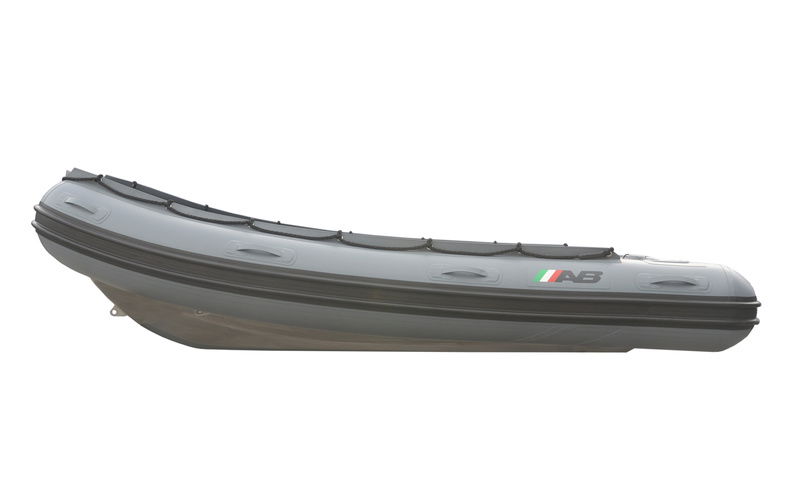

Images have been gathered from various sources and belong to their respective owners.
Review - AB Inflatables Profile A 11

MarineBroker
01/16/2024, 9:17 AM
2017 AB Inflatables Profile A 11: How to Choose, Use, and Maintain a Compact RIB for Real-World Boating
If you’re looking at the 2017 AB Inflatables Profile A 11, chances are you’re trying to solve a pretty common boating problem: you want a small boat that’s easy to handle, simple to store, and still capable enough to get you where you need to go. That’s a familiar challenge for dinghy buyers, yacht owners, and weekend boaters alike. A compact inflatable can seem like the perfect answer, but only if it fits your actual needs on the water.
The tricky part is that not every small inflatable is built the same. Some are great for short tender runs and calm-water trips, while others feel cramped, underpowered, or harder to maintain than expected. That’s where understanding the 2017 AB Inflatables Profile A 11 really helps. Instead of judging it by size alone, it’s smarter to look at how it performs as a practical tender, what kind of use it’s best for, and how to keep it in good shape over time.
In this guide, we’ll break down what makes this model useful, what to watch for when evaluating it, and how to get the most out of a compact inflatable boat without overcomplicating things.
- What Makes the 2017 AB Inflatables Profile A 11 Worth Considering?
The 2017 AB Inflatables Profile A 11 is part of the broader category of rigid inflatable boats, often called RIBs. These boats are popular because they combine inflatable buoyancy with a solid hull, giving you a balance of stability, portability, and durability.
For many boaters, the main appeal is convenience. A boat in this size range is easier to launch, easier to tow, and easier to store than a larger craft. That makes it a strong option for people who need a reliable tender or a small runabout for short trips.
A compact RIB like this is often chosen by:
- Yacht owners needing a practical tender
- Families wanting a lightweight boat for calm-water use
- Boaters with limited storage space
- People who want a simple, low-maintenance second boat
The key is matching the boat to the job. If you expect offshore performance or heavy-load capacity from a compact 11-foot inflatable, disappointment is likely. But if you need a nimble, easy-to-manage boat for short hops, docking runs, or inland water use, this size can make a lot of sense.
- The Main Problem Buyers Face With Small Inflatable Boats
A lot of people shopping for a boat like the 2017 AB Inflatables Profile A 11 run into the same issue: they want something small, but they don’t want to feel limited.
That creates a common decision problem:
- Should you prioritize portability or comfort?
- Do you need speed or stability?
- Is this mainly a tender, or do you want it to function as a small family boat too?
The wrong choice can lead to frustration. A boat that’s too small for your gear will feel crowded. A boat that’s too light for your conditions may feel less secure. A boat that’s easy to store but hard to maintain can quickly become a headache instead of a convenience.
The solution is not just buying “the best” small inflatable. It’s choosing a setup that fits your actual boating habits. That means thinking about how many people will ride, how far you’ll go, what kind of water you’ll use it on, and how often you’ll launch it.
- Who the 2017 AB Inflatables Profile A 11 Is Best For
This model is best suited for boaters who want a compact, manageable inflatable with practical everyday use in mind. It’s not trying to be a giant offshore machine. Instead, it fits the needs of people who value simplicity and efficiency.
It tends to make sense for:
- Short-distance transport between dock and shore
- Calm to moderate water conditions
- Light-duty recreational use
- Owners who need a dependable tender
- Users who want a boat that’s easy to store and move
If your boating style is casual and you like low-stress outings, a boat in this class can be a good fit. It’s especially useful when you want something that doesn’t demand a full trailer setup or a large storage footprint.
That said, the best results come from realistic expectations. A compact inflatable is a tool, and like any tool, it works best when used for the right task.
- Key Features to Evaluate Before You Buy or Use It
When people look at a compact RIB, they often focus on length first. But that’s only part of the picture. To decide whether the 2017 AB Inflatables Profile A 11 suits your needs, it helps to look at a few practical features.
- Hull and tube design
A solid hull helps with tracking and handling, while inflatable tubes add stability and buoyancy. Together, they create a ride that feels more secure than a soft-bottom inflatable.
- Weight and portability
An 11-foot-class boat is usually easier to move than larger alternatives. That matters if you’re lifting it, trailering it, or storing it in a tight space.
- Passenger capacity
Even if a boat technically holds several people, comfort can drop fast once gear is added. Always think in terms of realistic load, not just maximum capacity.
- Engine compatibility
Small RIBs often perform best with modest outboard power. Too little power can make it sluggish, while too much can be unsafe or inefficient.
- Storage and launching convenience
If you plan to use the boat often, easy launching may matter more than top-end speed. A boat that’s simple to deploy gets used more.
These details matter because they affect the real-world experience, not just the spec sheet.
- How the 2017 AB Inflatables Profile A 11 Solves Common Boating Frustrations
One of the biggest advantages of a compact inflatable is that it solves several practical boating frustrations at once.
- It reduces storage problems
Many boaters simply don’t have room for a larger vessel. A compact RIB is easier to fit into a garage, marina slip setup, or yacht deck storage arrangement.
- It simplifies transport
Smaller boats are easier to move, whether you’re towing them or carrying them on deck. That can save time and reduce stress before and after a trip.
- It lowers the barrier to quick outings
When a boat is easy to launch, people use it more often. That’s a big deal for casual boaters who want fun without a lot of prep.
- It works well as a tender
For yacht owners, a dependable tender is about more than convenience. It’s about getting ashore safely, carrying supplies, and making the boat more functional overall.
- It offers predictable handling
A well-designed small RIB often feels stable and easy to control, which is reassuring for newer boaters or anyone using it in busy marina conditions.
In other words, the value comes from reducing friction. Less hassle usually means more time on the water.
- Practical Tips for Getting the Most Out of a Compact RIB
Owning a boat like the 2017 AB Inflatables Profile A 11 is easier when you use a few simple habits that improve safety, performance, and longevity.
- Keep the load realistic
Don’t overload the boat with passengers, fuel, coolers, and gear. Even if it can physically fit, performance and safety may suffer.
- Check inflation regularly
Proper tube inflation affects handling and durability. Underinflated tubes can feel sluggish, while overinflation can stress seams and materials.
- Match the engine to the boat’s purpose
A small outboard should be selected with your typical use in mind. If you mainly make short harbor runs, efficiency may matter more than speed.
- Distribute weight evenly
A balanced load helps the boat plane better, track straighter, and feel more stable.
- Rinse after use
Salt, sand, and grime can wear down materials over time. A quick rinse after each outing goes a long way.
- Store it properly
If the boat is not in use, keep it out of harsh sun when possible. UV exposure is one of the biggest enemies of inflatable materials.
These habits are simple, but they make a big difference over the long run.
- Maintenance Tips That Help Prevent Bigger Problems
A compact inflatable boat can last a long time if you stay ahead of small issues. Most problems start small, then grow if ignored.
Here’s a practical maintenance routine:
1. Inspect seams and tubes before each season.
2. Look for abrasions, soft spots, or slow leaks.
3. Check the transom and fittings for looseness.
4. Clean the hull and tubes with mild, boat-safe products.
5. Make sure valves are sealed properly.
6. Test the boat under light load before relying on it for a longer trip.
If you notice a leak or damaged area, fix it early. A minor repair is much easier than dealing with a major failure later.
It’s also smart to keep an eye on the trailer or storage setup if you use one. Sometimes the boat itself is fine, but poor support or rough transport causes unnecessary wear.
- What to Expect in Real-World Use
For many owners, a boat like the 2017 AB Inflatables Profile A 11 performs best when used as a practical, everyday helper rather than a do-everything vessel.
In real-world terms, that usually means:
- Easy dock-to-shore trips
- Calm-water cruising
- Short errands around a marina or anchorage
- Light family outings
- Occasional fishing or exploring in protected waters
It’s not usually the boat you choose for long-range adventure with a full crew and lots of gear. But for short, efficient trips, that’s exactly why people like it.
The experience can be surprisingly enjoyable because the boat doesn’t demand much. Less setup, less stress, and less storage trouble often translate into more spontaneous use.
- Common Mistakes to Avoid
Even a good small inflatable can disappoint if it’s used the wrong way. A few common mistakes show up again and again.
- Buying for the wrong use case
If you need a larger carrying capacity or rough-water capability, a compact 11-foot inflatable may not be enough.
- Ignoring weight limits
People often count passengers but forget gear, fuel, and supplies.
- Skipping routine checks
Small issues like loose fittings or low inflation can affect safety and performance.
- Expecting high-speed performance
A compact tender is about efficiency and practicality, not necessarily speed.
- Leaving it exposed too often
Sun, salt, and rough handling can shorten the life of inflatable materials.
Avoiding these mistakes helps you get the most value from the boat without unnecessary frustration.
- How to Decide If This Boat Fits Your Needs
If you’re still unsure whether the 2017 AB Inflatables Profile A 11 is the right choice, ask yourself a few simple questions:
- Do I need a compact boat for short trips?
- Is storage space limited?
- Will I mostly use it in protected waters?
- Do I want a tender that’s easy to launch and retrieve?
- Am I okay with the tradeoff of smaller size for easier handling?
If you answered yes to most of those, a boat in this category is probably worth serious consideration.
If your needs lean toward long-distance cruising, heavy loads, or rough-water use, you may want to look at a larger model instead. The right boat is the one that matches your routine, not just your wish list.
- Final Thoughts on the 2017 AB Inflatables Profile A 11
The 2017 AB Inflatables Profile A 11 is a strong example of how a compact inflatable boat can solve real boating problems. It’s useful for people who need something manageable, practical, and easy to store without giving up the stability and confidence that a RIB can offer.
The main takeaway is simple: small boats work best when they’re chosen with clear expectations. If you focus on your actual use, keep the load sensible, and maintain the boat properly, you’ll get a lot more value from it over time. For anyone shopping for a dependable compact tender or a light-duty recreational boat, this model is worth a close look. If you’re comparing options, keep learning about hull design, engine match, and maintenance basics so you can choose with confidence.
Specifications
General
Boat Type: Power Boats
Class Type: Rigid Inflatable Boats
Specifications
Length: 11.48
Beam: 5.58
Draft: 1.67
Hull Material: Aluminium
Build
First Built: 2017
Propulsion
Fuel Type: Unleaded
Engines: 1
Power: 30 HP
Brand: Unknown
Accomodation
PROS & CONS
What we appreciated
 Lightweight and portable, easy to transport and storeDurable Hypalon fabric offers excellent resistance to UV rays and abrasionGood stability and performance for an inflatable boatSpacious enough for multiple passengers and gearVersatile use for leisure, fishing, or as a tender
What we didn’t appreciate
 Higher price point compared to some other inflatable brandsLimited engine power options due to size restrictionsRequires regular maintenance of inflatable tubes to prevent leaksLess rigid than hard-hull boats, affecting rough water performanceStorage space on board is limited compared to rigid boats
Upkeep Costs
Fuel: Approximately $500 - $1,000 per year depending on usage
Maintenance: $300 - $700 per year for engine servicing and hull upkeep
Insurance: $400 - $800 per year depending on coverage and location
Storage: $500 - $1,200 per year depending on marina or storage facility
Registration and Licensing: $50 - $150 per year depending on state/country
Rating
5.1
User
Score
Score
Driveability
Technology
Interior
Design
Similar Boats


MarineBroker
Download now for an immersive boat experience like never before! ⛵✨ Your journey begins with a simple click. 🌊📲
#SetSailSmart #DownloadNow
#SetSailSmart #DownloadNow

Subscribe
Copyright 2017 - 2026, Marinebroker.net, All Rights Reserved