Boat Database » AB Inflatables Nautilus 19 DLX
AB Inflatables Nautilus 19 DLX
Outboard four-stroke, Unleaded, 1x 150 HP
Power Boats 2010 AB Inflatables Nautilus 19 DLX: What to Check, How to Maintain It, and How to Keep It Running Smoothly
If you’re researching the 2010 AB Inflatables Nautilus 19 DLX, you’re probably trying to answer a very practical question...
Discover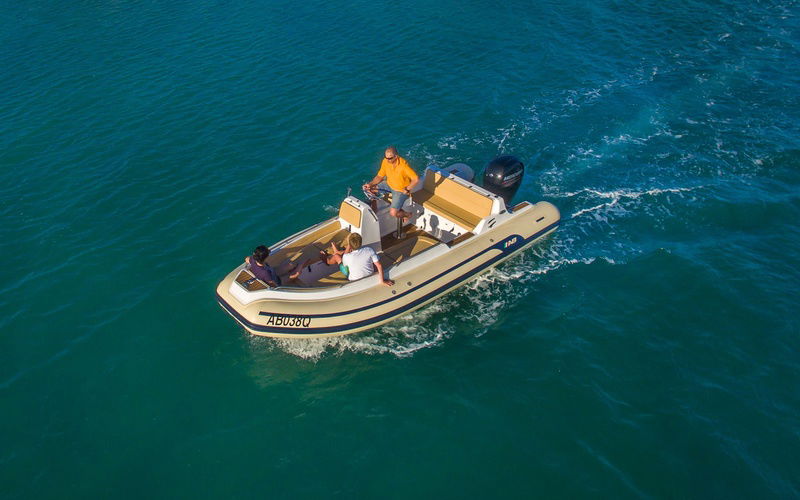


Images have been gathered from various sources and belong to their respective owners.
Review - AB Inflatables Nautilus 19 DLX

MarineBroker
01/12/2024, 11:55 AM
2010 AB Inflatables Nautilus 19 DLX: What to Check, How to Maintain It, and How to Keep It Running Smoothly
If you’re researching the 2010 AB Inflatables Nautilus 19 DLX, you’re probably trying to answer a very practical question: is this boat still a smart, reliable choice today, and what does it take to keep it in good shape? That’s a fair concern. A rigid inflatable boat can be a fantastic platform for cruising, tender duty, fishing, or family fun, but older models come with a few common headaches that buyers and owners should know about.
The good news is that most of the usual issues are manageable if you know what to look for. With the right inspection routine, regular maintenance, and a clear understanding of the boat’s strengths and weak points, the 2010 AB Inflatables Nautilus 19 DLX can still be a very capable and enjoyable boat. In this article, we’ll walk through the most common problem areas, how to evaluate the boat before buying or using it, and the practical steps that help extend its life. Whether you already own one or are considering a purchase, this guide will help you make a smarter decision.
- What Makes the 2010 AB Inflatables Nautilus 19 DLX Worth a Closer Look
The Nautilus 19 DLX sits in a sweet spot for many boaters. It’s compact enough to handle easily, but large enough to feel stable and useful for a range of day-to-day boating needs.
AB Inflatables has a solid reputation in the RIB world for building boats with a practical layout and durable construction. The 19 DLX is especially appealing to people who want a versatile boat that can serve as a tender, a runabout, or a light-duty family boat.
What tends to make this model attractive is the combination of:
- manageable size
- inflatable tube stability
- relatively simple ownership
- flexible use on lakes, bays, and calm coastal water
That said, any 2010-era boat needs a careful eye. Age matters, and so does how the boat was stored, used, and maintained. A well-kept Nautilus 19 DLX can still be a great boat, but a neglected one can turn into a project quickly.
- The Main Problem Owners Face: Age-Related Wear
For a 2010 inflatable boat, the biggest challenge is usually not one dramatic failure. It’s slow, age-related wear that adds up over time.
This can show up in a few ways:
- tired or sun-faded tubes
- weakened seams or patch repairs
- worn valves
- stress on the transom
- outdated outboard maintenance
- trailer corrosion
- faded upholstery or deck hardware issues
The tricky part is that these problems aren’t always obvious at first glance. A boat may look clean in photos or even during a quick walkaround, but hidden issues can affect safety, performance, and long-term value.
The solution is not to avoid older boats altogether. It’s to inspect them systematically and know which issues matter most.
- How to Inspect a 2010 AB Inflatables Nautilus 19 DLX Before Buying
If you’re shopping for a used 2010 AB Inflatables Nautilus 19 DLX, the inspection process is where you protect yourself. A good inspection can save you from expensive surprises later.
Start with the tubes.
Look for:
- cracking or dry rot
- patches that suggest prior damage
- uneven fading, which can indicate inconsistent exposure
- soft spots or areas that hold air poorly
- valve leaks or damaged valve caps
Inflatable tubes are the heart of the boat’s stability, so they deserve extra attention. Minor cosmetic wear is normal for a boat this age, but structural problems are a red flag.
Next, check the transom.
The transom should feel solid, not soft or spongy. If you notice flexing, movement, or signs of water intrusion, that can point to internal rot or weakening. That’s one of the more expensive issues to fix, so it’s worth taking seriously.
Also inspect:
- deck condition
- console mounting points
- steering response
- fuel system condition
- electrical wiring and battery setup
- engine hours and maintenance records
If the boat includes an outboard, the engine history matters just as much as the hull. A clean boat with a poorly maintained motor can still become a money pit.
- Common Wear Points on the 2010 AB Inflatables Nautilus 19 DLX
Every boat has a few parts that tend to age faster than others, and the Nautilus 19 DLX is no exception.
Here are the main areas to watch.
- Tubes and seams
UV exposure is one of the biggest enemies of inflatable tubes. Over time, sunlight can weaken materials and make them more brittle. Seams can also loosen or fail if the boat has been underinflated, overinflated, or stored poorly.
- Valves
Valve problems are common on older inflatables. If a valve leaks, the tube may slowly lose pressure, which affects handling and safety. Sometimes the fix is simple. Other times the valve assembly needs replacement.
- Transom and mounting areas
The transom handles a lot of stress from the engine. Repeated vibration, moisture intrusion, and age can all create problems. Check for movement around engine bolts and mounting points.
- Flooring and hardware
Depending on the configuration, flooring, cleats, grab handles, and other hardware may loosen or corrode. These issues are often minor individually, but they can become annoying and costly if ignored.
- Engine and controls
Even if the hull is in great shape, the motor can be the weak link. Look for corrosion, rough starting, fuel issues, and neglected service intervals.
- How to Solve the Most Common Problems
The best way to deal with older boat issues is to focus on prevention first, then repair what needs attention before it gets worse.
Here’s a practical approach.
- Keep the tubes clean and protected
Wash the tubes with mild soap and fresh water after use. Avoid harsh cleaners that can damage the material. If the boat is stored outdoors, use a proper cover and consider UV protection products designed for inflatable boats.
- Maintain proper inflation
Inflatable tubes should be inflated to the correct pressure. Underinflation can cause sloppy handling and extra stress on the seams. Overinflation can be just as harmful, especially in hot weather.
A good habit is to check pressure when the tubes are cool, ideally before the boat sits in direct sun.
- Inspect and service valves
If a tube is losing pressure, test the valves before assuming the tube itself is damaged. Many valve issues are repairable if caught early.
- Address transom concerns immediately
If the transom feels soft, don’t ignore it. Small signs of water intrusion can become major structural issues. Early intervention may involve resealing hardware, repairing mounting points, or in severe cases, professional transom work.
- Keep the engine on a proper maintenance schedule
For the outboard, follow the manufacturer’s service intervals. That usually means:
- regular oil changes
- fuel system checks
- spark plug inspection
- impeller replacement as needed
- corrosion prevention
- flushing after saltwater use
A well-maintained engine can make an older boat feel much newer than it is.
- Practical Maintenance Tips for Long-Term Ownership
If you already own a 2010 AB Inflatables Nautilus 19 DLX, the goal is to keep it reliable without overcomplicating the process.
A simple maintenance routine goes a long way.
- After every trip
Rinse the boat with fresh water, especially if it has been in saltwater. Wipe down the tubes, deck, and hardware. Check for loose gear, leaks, or visible damage.
- Monthly during the season
Inspect:
- tube pressure
- valve condition
- engine mounting bolts
- fuel lines
- battery connections
- steering and throttle response
This doesn’t take long, but it helps catch small issues early.
- Seasonal storage
If you’re storing the boat for an extended period:
- clean it thoroughly
- dry it completely
- relieve unnecessary pressure from tubes if recommended by the manufacturer
- disconnect the battery
- stabilize fuel if the engine will sit for months
- store it under cover, out of direct sun
Proper storage is one of the biggest factors in how well an inflatable boat ages.
- Use the right cleaning products
Avoid strong solvents, petroleum-based cleaners, and abrasive pads. These can damage the tube material and shorten the boat’s life.
- Keep a log
A simple maintenance log helps track repairs, service dates, and parts replacement. That’s especially useful if you plan to sell the boat later.
- Is the 2010 AB Inflatables Nautilus 19 DLX Still a Good Buy?
For the right buyer, yes.
The 2010 AB Inflatables Nautilus 19 DLX can still be a good option if:
- the tubes are in good condition
- the transom is solid
- the engine has been maintained
- the boat has been stored properly
- the price reflects its age and condition
It’s especially appealing for boaters who want something stable, practical, and easier to handle than a larger fiberglass boat. If you’re comfortable doing regular upkeep and you value versatility over luxury, this model can make a lot of sense.
It may not be the best fit if you want a boat with zero maintenance concerns. No 2010 boat will offer that. But if you’re willing to inspect carefully and stay on top of care, you can get a lot of value from it.
- What to Ask the Seller or Previous Owner
If you’re buying used, asking the right questions can reveal a lot before you even see the boat.
Good questions include:
- How was the boat stored?
- Was it kept in the sun or covered?
- How often was the engine serviced?
- Has the transom ever been repaired?
- Have any tubes been patched or replaced?
- Was the boat used in saltwater or freshwater?
- Are service records available?
The answers can help you tell the difference between a boat that was loved and one that was merely used.
Also ask for:
- registration and title paperwork
- engine service records
- photos of the boat in storage
- any receipts for repairs or upgrades
Documentation adds confidence and can help justify the asking price.
- Signs You Should Walk Away
Sometimes the best solution is to pass on a boat that has too many problems.
Be cautious if you find:
- widespread tube cracking
- repeated patching in multiple areas
- a soft or damaged transom
- major corrosion on the engine or hardware
- no maintenance history
- obvious water damage
- poor trailer condition that suggests poor overall care
A few cosmetic flaws are normal. But if multiple major systems show neglect, the repair costs can quickly outweigh the value of the boat.
- How to Get the Most Out of This Boat
If your goal is to enjoy the 2010 AB Inflatables Nautilus 19 DLX for years, the formula is pretty straightforward: inspect carefully, maintain consistently, and store it properly.
The boat’s design works best when it’s treated as a reliable utility and recreation platform rather than a “set it and forget it” purchase. That means staying ahead of small issues and not waiting for damage to become obvious.
A good owner usually does a few things well:
- checks tube pressure regularly
- keeps the engine serviced
- protects the boat from sun exposure
- cleans after each outing
- fixes small leaks or hardware issues early
That kind of routine can dramatically extend the life of the boat and reduce ownership stress.
- Final Thoughts on the 2010 AB Inflatables Nautilus 19 DLX
The 2010 AB Inflatables Nautilus 19 DLX can still be a solid, practical boat if it has been cared for properly. Like most older inflatable boats, its biggest challenges come from age, sun exposure, and maintenance history rather than from one single flaw. That means the smartest approach is to inspect thoroughly, focus on the tubes, transom, and engine, and stay consistent with upkeep.
If you’re considering one, don’t just look at the model name or the asking price. Look at the condition, the records, and how well it has been stored. With a careful eye and a little routine maintenance, this boat can still deliver plenty of useful, enjoyable time on the water. If you want to go deeper, keep researching maintenance best practices and compare several listings before making a decision.
Specifications
General
Boat Type: Power Boats
Class Type: Rigid Inflatable Boats
Specifications
Length: 19
Beam: 8.99
Draft: 2.07
Hull Material: GRP
Build
First Built: 2010
Propulsion
Fuel Type: Unleaded
Engines: 1
Power: 150 HP
Brand: Unknown
Accomodation
PROS & CONS
What we appreciated
 Durable Hypalon tubes for excellent resistance to UV rays and abrasionSpacious deck layout suitable for family outings and fishingLightweight and easy to tow or launchGood stability and handling in choppy watersHigh-quality materials and construction ensuring longevity
What we didn’t appreciate
 Limited storage space compared to larger rigid boatsCan be noisy at higher speeds due to inflatable designRequires regular maintenance of inflatable tubes to prevent leaksLess insulation from cold water compared to hard-hull boatsPerformance heavily dependent on engine power, which may require upgrades
Upkeep Costs
Fuel: Approximately $1,500 - $2,500 per year depending on usage
Maintenance: Around $500 - $1,000 per year for routine servicing and repairs
Insurance: Typically $300 - $600 per year
Storage: $500 - $1,200 per year depending on location and storage type
Registration and Licensing: $50 - $150 per year
Rating
5.6
User
Score
Score
Driveability
Technology
Interior
Design
Similar Boats


MarineBroker
Download now for an immersive boat experience like never before! ⛵✨ Your journey begins with a simple click. 🌊📲
#SetSailSmart #DownloadNow
#SetSailSmart #DownloadNow

Subscribe
Copyright 2017 - 2026, Marinebroker.net, All Rights Reserved