Boat Database » AB Inflatables Oceanus 11 VST
AB Inflatables Oceanus 11 VST
Outboard four-stroke, Unleaded, 1x 40 HP
Power Boats 2014 AB Inflatables Oceanus 11 VST: A Practical Guide to Ownership, Setup, and Getting the Most Out of a Compact RIB
If you’re looking at the 2014 AB Inflatables Oceanus 11 VST, chances are you already know the appeal of a compac...
Discover
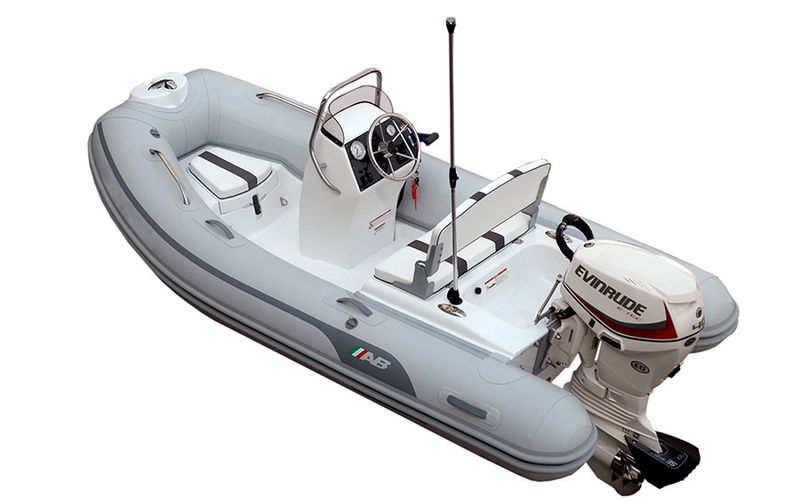
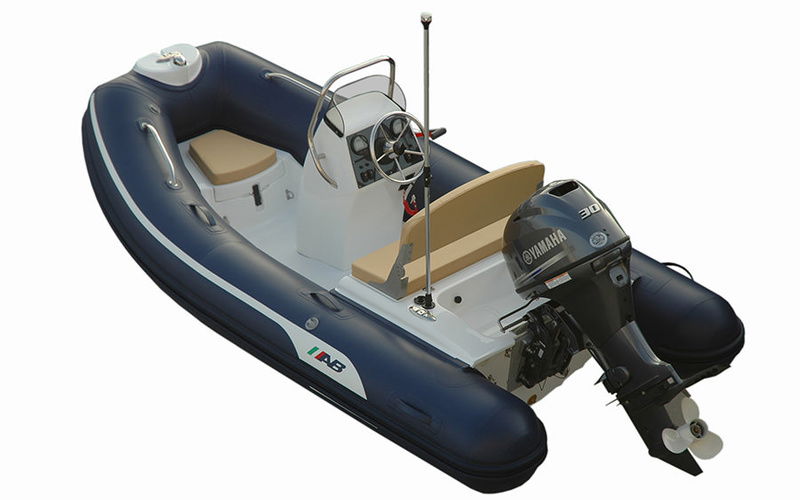

Images have been gathered from various sources and belong to their respective owners.
Latest Market Trends (Latest Available Year Model)
Price: $28,604
Review - AB Inflatables Oceanus 11 VST

MarineBroker
01/12/2024, 12:04 PM
2014 AB Inflatables Oceanus 11 VST: A Practical Guide to Ownership, Setup, and Getting the Most Out of a Compact RIB
If you’re looking at the 2014 AB Inflatables Oceanus 11 VST, chances are you already know the appeal of a compact rigid inflatable boat: it’s easy to tow, simple to launch, and surprisingly capable for its size. But like many boat owners discover, the real challenge isn’t just choosing the right dinghy or tender — it’s making sure it fits your needs, stays reliable, and performs well without becoming a maintenance headache.
That’s especially true with a boat like the 2014 AB Inflatables Oceanus 11 VST. It’s a popular size for yacht tender duty, weekend cruising, and quick trips to shore, but owners often run into the same questions: How much engine is enough? What should you check before buying a used one? How do you keep a small RIB comfortable, safe, and efficient?
The good news is that most of these issues are very manageable once you know what to look for. With the right setup, maintenance habits, and a few practical upgrades, this boat can be a dependable little workhorse rather than a constant project.
- Why the 2014 AB Inflatables Oceanus 11 VST Still Gets Attention
The 2014 AB Inflatables Oceanus 11 VST sits in a sweet spot for many boaters. It’s small enough to handle easily, but it still offers the stability and confidence that inflatable-hull boats are known for.
For many people, the attraction comes down to versatility. It can work as:
- A yacht tender
- A family runabout for short trips
- A shallow-water boat for exploring coves and sandbars
- A compact utility craft for dock-to-shore transport
That flexibility is a big reason the Oceanus line has stayed relevant. Even years after its release, the 11 VST remains interesting to buyers who want a practical, lightweight boat that doesn’t demand a huge slip, trailer, or tow vehicle.
The main issue, though, is that compact RIBs can be misunderstood. People sometimes assume “small boat” means “low maintenance” or “easy to buy used without much inspection.” In reality, a boat like this rewards careful ownership. When it’s set up correctly, it’s a great little machine. When it’s neglected, small problems can become expensive fast.
- The Most Common Problem Owners Face
The biggest problem with a used or older compact RIB like the 2014 AB Inflatables Oceanus 11 VST is usually not the hull itself — it’s the overall condition of the boat package.
That means the boat, tubes, transom, engine, controls, fuel system, trailer, and accessories all need to work together.
Common pain points include:
- Tube wear or leaks
- UV damage from sun exposure
- A transom that has taken on moisture
- Corrosion on hardware or engine components
- An underpowered or poorly matched outboard
- Old fuel lines, tanks, or electrical connections
- Trailer issues that make launching harder than it should be
In other words, the boat may look fine at first glance, but the real condition often shows up only after a close inspection or a sea trial.
If you’re shopping for one, the solution is not to avoid the model. It’s to inspect it like a boat owner, not just a buyer.
- What Makes the 2014 AB Inflatables Oceanus 11 VST a Smart Size
One reason this model gets so much attention is its size. At around 11 feet, it’s compact enough for easy storage and transport, but still large enough to feel stable compared with a basic soft inflatable.
That balance matters a lot in real-world use.
Benefits of this size include:
- Easier launching and retrieval
- Lower fuel consumption than larger RIBs
- Better maneuverability in tight marinas
- Less storage space required
- Simpler trailering behind a smaller vehicle
For many owners, this is the point where convenience and capability meet. You’re not trying to cruise long distances in rough open water. You’re looking for a boat that can get the job done without becoming a burden.
Still, the smaller footprint also means you have less margin for error. Weight distribution, engine selection, and maintenance all matter more than they would on a larger boat.
- What to Check Before Buying a Used 2014 AB Inflatables Oceanus 11 VST
If you’re considering a used 2014 AB Inflatables Oceanus 11 VST, a careful inspection can save you from a lot of frustration.
Here’s what to focus on:
- Tube condition
Look for patches, abrasions, discoloration, seam separation, and soft spots. Tubes that have spent years in the sun may still hold air, but they can become brittle over time.
- Air retention
Inflate the tubes and let them sit. A slow leak may not be obvious right away, but it can point to valve issues or hidden damage.
- Transom integrity
Press around the transom and check for flex, cracking, or moisture intrusion. A weak transom is a serious issue and should not be ignored.
- Hull condition
Inspect the rigid hull for cracks, repairs, or signs of impact. Small cosmetic scratches are normal, but structural damage is a different story.
- Hardware and fittings
Check cleats, grab handles, lifting eyes, and rail mounts. Corrosion or loose fasteners can become safety issues.
- Engine setup
Make sure the outboard is properly matched to the boat and that it starts, idles, shifts, and accelerates smoothly.
- Trailer condition
If the boat includes a trailer, inspect the tires, bearings, bunks, lights, winch, and frame rust.
A good rule of thumb: if multiple systems need work, the “deal” may not really be a deal.
- Choosing the Right Outboard for a Small RIB
A lot of owners underestimate how much engine choice affects the experience. On a compact boat like the 2014 AB Inflatables Oceanus 11 VST, the right outboard can make the boat feel lively and efficient. The wrong one can make it sluggish, noisy, or difficult to trim.
When selecting an engine, think about:
- Weight
- Horsepower
- Shaft length
- Fuel efficiency
- Reliability and parts availability
You want enough power to plane confidently with passengers and gear, but not so much weight that the boat feels stern-heavy.
For small RIBs, the practical solution is usually a lightweight, well-maintained outboard from a reputable brand, sized according to the manufacturer’s recommendation. If you’re buying used, ask for service records and make sure the engine has been flushed regularly, especially if it has seen saltwater.
A mismatched engine can create problems such as:
- Poor hole shot
- Excessive bow rise
- Fuel waste
- Difficulty steering at low speed
- Added stress on the transom
This is one of those areas where “good enough” usually isn’t good enough.
- How to Make the 2014 AB Inflatables Oceanus 11 VST More Comfortable
Small boats can be comfortable, but only if you set them up with real use in mind. Since space is limited, every item should earn its place.
A few practical improvements can help a lot:
- Use a proper seat or helm arrangement that supports good posture
- Add non-slip deck pads where people step often
- Keep gear in soft bags instead of hard boxes when possible
- Use a lightweight anchor system that’s easy to deploy
- Store safety gear in a way that keeps the deck clear
Comfort on a compact RIB is mostly about reducing clutter and improving movement. If everyone has to step over gear, the boat feels smaller than it is.
Also, think about how you actually use the boat. If it’s mostly a tender, you may want simpler setup and faster boarding. If it’s used for family outings, a little extra seating and shade may be worth the tradeoff.
- Maintenance Tips That Keep a Small RIB Reliable
The best way to avoid headaches with the 2014 AB Inflatables Oceanus 11 VST is to stay ahead of maintenance. Small boats often get used frequently, which means wear can build up faster than owners expect.
Here are the basics that matter most:
- Rinse after saltwater use
Fresh water rinsing helps protect tubes, hardware, and the engine.
- Check tube pressure regularly
Temperature changes can affect inflation. Underinflated tubes can affect handling, while overinflation can stress seams.
- Inspect valves and seams
A quick check before and after use can catch problems early.
- Flush the engine
If you run in saltwater, flushing the outboard is essential.
- Clean and protect surfaces
Use products appropriate for inflatable material and avoid harsh chemicals.
- Grease moving parts
Steering and control components benefit from regular lubrication.
- Battery and electrical care
If equipped with electrical accessories, keep terminals clean and connections dry.
The goal is not perfection. It’s consistency. A few minutes after each outing can prevent much bigger repairs later.
- A Simple Sea Trial Checklist
If you’re evaluating this boat, a sea trial is one of the most valuable steps you can take. It tells you more than photos ever will.
During the test run, pay attention to:
1. How quickly the boat planes
2. Whether it tracks straight at cruising speed
3. How it handles turns
4. Engine vibration or unusual noises
5. Steering response at idle and speed
6. Any water intrusion into the hull or cockpit
7. How stable it feels with passengers moving around
A healthy small RIB should feel predictable and easy to control. If it porpoises, struggles to plane, or feels unstable, that may point to engine mismatch, load issues, or hull problems.
Try to test the boat with the kind of load you’ll actually carry. A boat that performs fine solo may behave very differently with two adults, fuel, gear, and a cooler aboard.
- Storage and Transport: Where Small Boats Win
One of the biggest advantages of the 2014 AB Inflatables Oceanus 11 VST is that it’s easier to store and move than many larger boats.
That said, smart storage still matters.
Best practices include:
- Keep it out of direct sun when possible
- Use a breathable cover that fits properly
- Store the boat clean and dry
- Avoid long-term pressure points on the tubes
- Support the hull correctly on a trailer or rack
If you trailer the boat, make sure the bunks or rollers are adjusted properly. Poor support can lead to hull distortion over time.
For owners with limited space, this boat can be a very practical choice. It’s the kind of craft that can fit into a simpler boating lifestyle without requiring a massive setup.
- When the 2014 AB Inflatables Oceanus 11 VST Makes the Most Sense
This model makes the most sense for people who value convenience, portability, and straightforward boating.
It’s a strong fit if you:
- Need a reliable tender
- Want a small family boat for calm water
- Prefer easy launching and retrieval
- Don’t want the cost and complexity of a larger RIB
- Need a boat that can be stored efficiently
It may be less ideal if you want:
- Long offshore runs
- Heavy passenger loads
- Lots of onboard amenities
- Maximum cockpit space
That’s not a flaw. It’s just a reminder that the best boat is the one matched to the job. The 2014 AB Inflatables Oceanus 11 VST shines when expectations are realistic and the setup is thoughtful.
- Practical Buying Advice for Today’s Market
Because this is a 2014 model, condition matters more than age alone. Two boats from the same year can feel completely different depending on how they were stored and used.
When comparing options, look at:
- Maintenance history
- Engine hours
- Storage conditions
- Evidence of repairs
- Included trailer and accessories
- Overall cleanliness and care
A well-kept older boat is often a better choice than a newer boat that’s been neglected.
If you’re unsure, bring along someone experienced with RIBs or hire a marine surveyor for a more detailed inspection. That small upfront cost can prevent a costly mistake.
- Why This Boat Still Has Value
The reason the 2014 AB Inflatables Oceanus 11 VST still gets interest is simple: it solves a real boating problem.
It gives people a compact, practical way to get on the water without taking on the size, cost, and complexity of a bigger vessel. For the right owner, that’s a very appealing tradeoff.
Its value comes from:
- Easy handling
- Proven RIB layout
- Versatility
- Efficient use of space
- Strong utility as a tender or runabout
If you approach it with realistic expectations and a solid maintenance plan, it can remain a useful, enjoyable boat for years.
- Conclusion
The 2014 AB Inflatables Oceanus 11 VST is a great example of a small boat that can do a lot when it’s properly cared for and correctly set up. The biggest challenge for buyers and owners is usually not the design itself, but making sure the tubes, transom, engine, and trailer are all in good shape and working together. Once those basics are covered, the boat becomes much easier to enjoy.
If you’re shopping for one, inspect carefully, sea trial it if possible, and pay attention to how it’s been maintained. If you already own one, consistent rinsing, inspection, and smart storage will go a long way. In the end, a compact RIB like this works best when it’s treated as a practical tool — one that rewards good habits and delivers simple, dependable boating in return.
Specifications
General
Boat Type: Power Boats
Class Type: Rigid Inflatable Boats
Specifications
Length: 10.99
Beam: 5.68
Draft: 1.67
Hull Material: GRP
Build
First Built: 2014
Propulsion
Fuel Type: Unleaded
Engines: 1
Power: 40 HP
Brand: Unknown
Accomodation
PROS & CONS
What we appreciated
 High-quality construction with durable Hypalon tubesSpacious and stable design suitable for family outingsGood performance and handling with deep V hullVersatile use for fishing, cruising, and watersportsAmple storage compartments and comfortable seating
What we didn’t appreciate
 Relatively heavy for an inflatable, affecting portabilityHigher price point compared to some competitorsLimited engine options may restrict top speedRequires regular maintenance to preserve Hypalon materialLess suitable for very shallow waters due to deep V hull
Upkeep Costs
Fuel: Approximately $2,000 - $3,000 per year depending on usage
Maintenance and Repairs: Around $1,000 - $1,500 annually
Insurance: Typically $500 - $1,000 per year
Storage: $500 - $1,200 per year depending on location and type
Registration and Taxes: Approximately $100 - $300 per year
Rating
5.8
User
Score
Score
Driveability
Technology
Interior
Design
Similar Boats


MarineBroker
Download now for an immersive boat experience like never before! ⛵✨ Your journey begins with a simple click. 🌊📲
#SetSailSmart #DownloadNow
#SetSailSmart #DownloadNow

Subscribe
Copyright 2017 - 2026, Marinebroker.net, All Rights Reserved