Boat Type: Power Boats
Boat Class: Rigid Inflatable Boats
Length: 8.2 ft
Berths: 1
Cabins: 1
Bathrooms: 1
Max Persons: 3
Boat Database » 3D Tender Twin Hypalon 250
3D Tender Twin Hypalon 250
Outboard four-stroke, Unleaded, 1x 6 HP
Power Boats 2020 3D Tender Twin Hypalon 250: What to Know Before Buying, Using, and Maintaining It
If you’re looking at the 2020 3D Tender Twin Hypalon 250, you’re probably after a compact inflatable boat that’s easy to handle, simple to sto...
Discover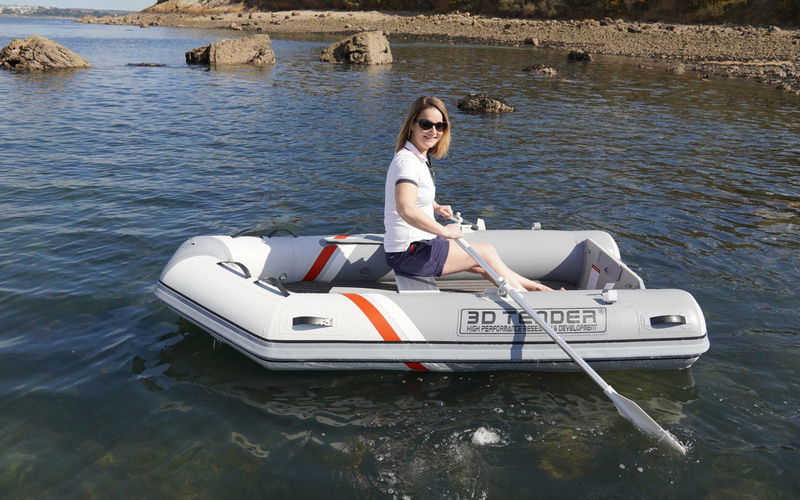
Images have been gathered from various sources and belong to their respective owners.
Review - 3D Tender Twin Hypalon 250

MarineBroker
01/09/2024, 7:34 AM
2020 3D Tender Twin Hypalon 250: What to Know Before Buying, Using, and Maintaining It
If you’re looking at the 2020 3D Tender Twin Hypalon 250, you’re probably after a compact inflatable boat that’s easy to handle, simple to store, and tough enough for regular use. That’s a smart place to start—but there’s also a common problem many buyers run into: it’s easy to focus on size and price, while overlooking the details that actually determine how well the boat will perform in real life.
A 2.5-meter inflatable can be incredibly practical, especially for short trips, tender use, fishing, or getting from shore to a larger vessel. But the difference between a boat that feels reliable and one that becomes a hassle often comes down to the tube material, floor setup, weight capacity, inflation routine, and how well it matches your actual boating needs.
That’s where the 2020 3D Tender Twin Hypalon 250 stands out as a topic worth understanding properly. In this guide, we’ll break down what makes this style of inflatable useful, what problems buyers should watch for, and how to get the best performance from a small Hypalon tender without overcomplicating things.
- What Is the 2020 3D Tender Twin Hypalon 250?
The 2020 3D Tender Twin Hypalon 250 is a compact inflatable boat designed for convenience, portability, and practical everyday use. At 250 cm long, it sits in the small tender category, which makes it ideal for boat owners who need something lightweight and easy to manage.
The “Twin” naming often points to a layout or tube configuration intended to improve stability and handling. The “Hypalon” part is especially important, because it tells you the tube material is built for durability and long-term exposure to sun, salt, and regular use.
For many buyers, this kind of boat is appealing because it solves a very real problem:
- You want a boat that is easier to launch than a rigid hull
- You need something that stores without taking over your garage
- You want a tender that can handle frequent inflation and deflation
- You need a small craft that still feels stable on the water
In other words, this isn’t about luxury. It’s about practicality.
- Why Hypalon Matters on a Small Inflatable Boat
One of the biggest reasons people look at the 2020 3D Tender Twin Hypalon 250 is the material. Hypalon has a strong reputation in the inflatable boat world, especially for owners who expect regular use in harsh conditions.
Compared with lower-cost tube materials, Hypalon is known for:
- Better UV resistance
- Strong resistance to saltwater and weather exposure
- Long service life
- Good performance in hot climates
- Reliable durability with proper care
That matters because small inflatable boats are often used more than people expect. They get dragged onto docks, loaded with gear, exposed to sun for hours, and stored in less-than-ideal conditions.
A common issue with cheaper inflatables is premature aging: the tubes fade, become sticky, or lose integrity faster than expected. Hypalon helps reduce that risk, which can make a real difference if you plan to keep the boat for years rather than just a season or two.
- The Real Problem Buyers Face with Compact Tenders
The biggest challenge with a 2.5-meter inflatable is not usually whether it floats. It’s whether it fits your use case.
Many people buy a small tender thinking it will do everything:
- carry several passengers
- handle heavy gear
- work well with a larger outboard
- remain comfortable in chop
- still be easy to store and launch
That’s where disappointment can happen. A boat like the 2020 3D Tender Twin Hypalon 250 is best understood as a compact solution, not a do-everything platform.
Here are the most common problems buyers face:
- Overloading the boat with too much weight
- Expecting too much speed from a small hull
- Using the wrong motor size
- Ignoring floor and tube inflation pressure
- Not planning storage and transport properly
The good news is that most of these issues are avoidable once you know what to look for.
- Who This Boat Is Best Suited For
The 2020 3D Tender Twin Hypalon 250 is usually a strong fit for people who want a small, dependable inflatable for practical boating tasks.
It works especially well for:
- Yacht and sailboat owners needing a tender
- Solo or two-person use
- Short harbor trips
- Light fishing outings
- Shore runs and transport between anchor and dock
- Boaters with limited storage space
It may be less ideal if you need:
- More deck space
- Higher passenger capacity
- Better rough-water comfort
- More performance with a larger outboard
- A boat for longer day trips
If your boating style is simple and efficient, a compact Hypalon inflatable can be a great match. If you need more room or speed, you may want to step up in size.
- What to Check Before Buying or Using One
If you’re considering the 2020 3D Tender Twin Hypalon 250, it helps to evaluate the boat like a boater, not just a shopper.
- Tube condition
Look for signs of wear, repairs, fading, or glue joint issues. Hypalon is durable, but it still needs inspection, especially on a used boat.
- Floor type
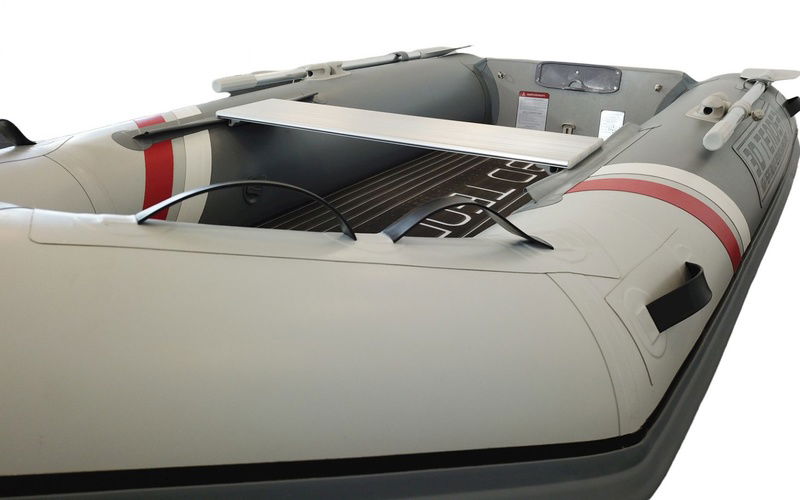
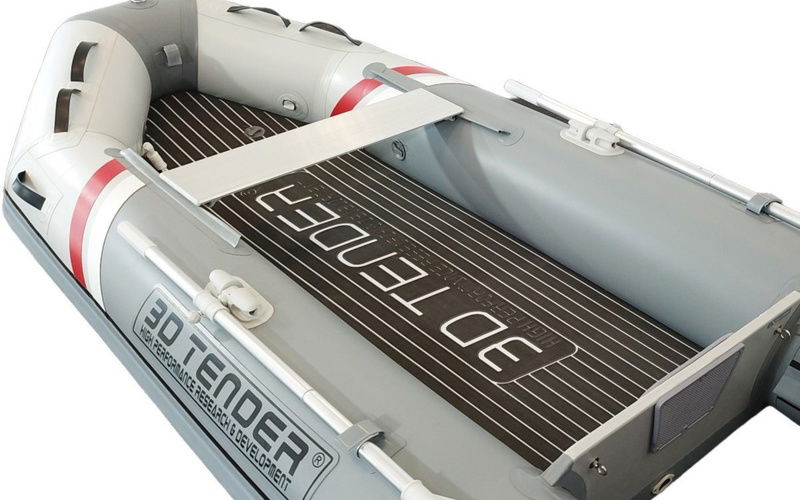
A stable floor is essential for comfort and safety. Check whether the floor feels solid underfoot and whether it’s easy to assemble and maintain.
- Seams and valves
Valves should seal properly, and seams should be clean and secure. Small leaks can turn a convenient tender into a frustrating one very quickly.
- Weight and portability
One of the main reasons people buy a 250 cm inflatable is easy transport. Make sure the actual packed weight and size work for your vehicle, storage area, or boat deck.
- Motor compatibility
A small inflatable does not need a massive engine. In fact, over-powering it can make handling worse and increase stress on the hull.
- Capacity limits
Always stay within the manufacturer’s load and passenger recommendations. This is especially important on a smaller craft where balance matters a lot.
- How to Get the Best Performance from a Small Inflatable
A lot of performance issues with small boats come from setup, not design. That means you can improve the experience significantly with a few simple habits.
- Inflate correctly
Underinflation makes the boat feel soft and sluggish. Overinflation can stress the tubes, especially in heat. Use a gauge and follow the recommended pressure.
- Balance the load
Distribute passengers and gear evenly. On a small boat, even a few extra kilos in the wrong place can affect trim and handling.
- Keep the hull clean
Dirt, salt, and grime can affect both appearance and long-term durability. A quick rinse after use goes a long way.
- Use the right prop and motor setup
If the boat feels slow or unstable, the issue may be the engine setup, not the boat itself. Small inflatables are sensitive to poor trim and mismatched power.
- Store it properly
Avoid leaving the boat exposed to sun for long periods when not in use. Even Hypalon benefits from smart storage habits.
- Practical Uses for the 2020 3D Tender Twin Hypalon 250
This boat is not built to be a giant family cruiser. Its strengths are much more focused, which is actually a good thing.
Common practical uses include:
- Dinghy for a larger boat
- Harbor transport
- Quick fishing trips
- Lightweight utility boat
- Emergency backup tender
- Short recreational outings
For these tasks, a compact inflatable can be incredibly useful. It’s easy to deploy, easy to recover, and usually much less demanding than a rigid boat.
If you’re using it as a tender, one of the biggest advantages is flexibility. You can move people or gear efficiently without needing a trailer, ramp, or large storage solution.
- Maintenance Tips That Make a Big Difference
Maintaining a Hypalon inflatable is not difficult, but consistency matters.
- Rinse after saltwater use
Salt can build up on fittings, seams, and fabric. A fresh-water rinse helps protect the boat over time.
- Check pressure regularly
Tube pressure can change with temperature. A boat that was perfect in the morning may feel softer or firmer later in the day.
- Inspect for abrasion
Look at the underside, rubbing areas, and contact points. Small scrapes are normal, but early detection prevents bigger issues.
- Avoid harsh cleaners
Use products that are safe for inflatable boat materials. Strong chemicals can damage the surface over time.
- Protect from UV when possible
Hypalon handles sun better than many alternatives, but no material likes unnecessary exposure. A cover or shaded storage helps extend life.
- Keep valves and fittings clean
Sand and grime can interfere with seals. A quick wipe after use can prevent future headaches.
- Common Mistakes to Avoid
If you want to enjoy the 2020 3D Tender Twin Hypalon 250 without problems, avoid these common mistakes:
1. Buying based only on size
Small doesn’t automatically mean convenient for every purpose.
2. Ignoring weight limits
Overloading is one of the fastest ways to make a small boat perform badly.
3. Using too much motor
More power is not always better on a compact inflatable.
4. Skipping maintenance
Even durable Hypalon benefits from regular care.
5. Poor storage
Folding the boat wet or leaving it in the sun too long can shorten its life.
6. Not checking inflation pressure
This is one of the easiest ways to improve handling and comfort.
- Is the 2020 3D Tender Twin Hypalon 250 Worth It?
That depends on what you need. If you want a small, durable inflatable for light-duty boating, the 2020 3D Tender Twin Hypalon 250 makes a lot of sense.
It’s especially appealing if you value:
- portability
- durability
- simple operation
- low storage demands
- dependable tender use
It’s less suitable if your priority is spaciousness, speed, or carrying multiple people and heavy gear on a regular basis.
The key is to match the boat to the job. When a compact Hypalon tender is used for the right purpose, it can be one of the most practical boats you’ll ever own.
- How to Decide If It’s the Right Choice for You
Before you commit, ask yourself a few simple questions:
- Will I mostly use this as a tender or a small standalone boat?
- How many people will typically be aboard?
- Do I need easy storage more than extra space?
- Will I use it in sunny, salty, or demanding conditions?
- Am I comfortable with a compact layout and limited load capacity?
If most of your answers point toward simple, frequent, practical use, then this type of inflatable is worth serious consideration.
If your boating life is more about long trips, family cruising, or carrying lots of gear, you may want to look at larger models.
- Final Thoughts on the 2020 3D Tender Twin Hypalon 250
The 2020 3D Tender Twin Hypalon 250 is a strong example of what a small inflatable boat should be: practical, durable, and easy to live with. The main challenge for buyers is not finding a boat that floats, but finding one that truly fits their needs without creating new problems.
If you understand its strengths—compact size, Hypalon durability, and easy handling—you can get a lot of value from it. Pair that with proper inflation, smart loading, and regular maintenance, and you’ll have a tender that performs reliably for a long time.
If you’re still comparing options, take the time to match the boat to your real-world boating habits. That’s the simplest way to make a smart choice and avoid buyer’s regret.
Specifications
General
Boat Type: Power Boats
Class Type: Rigid Inflatable Boats
Specifications
Length: 8.2
Beam: 4.43
Draft: 0.66
Hull Material: Unknown
Build
First Built: 2020
Propulsion
Fuel Type: Unleaded
Engines: 1
Power: 6 HP
Brand: Unknown
Accomodation
Berths: 1
Cabins: 1
Bathrooms: 1
PROS & CONS
What we appreciated
 Durable twin Hypalon tubes resistant to UV, chemicals, and abrasionStable and safe design suitable for various water conditionsLightweight and easy to transport or launchSpacious interior for a tender of its sizeGood resale value due to brand reputation and build quality
What we didn’t appreciate
 Limited speed and power options compared to larger tendersSmaller storage space for gear and equipmentRequires regular maintenance of Hypalon material to prolong lifeLess comfortable in rough waters due to sizeHigher initial cost compared to similar sized PVC tenders
Upkeep Costs
Annual maintenance and servicing: $1,200 - $2,000
Insurance: $400 - $800 per year
Storage (marina or dry storage): $500 - $1,200 per year
Fuel costs: $300 - $600 based on usage
Registration and licensing fees: $50 - $150 per year
Rating
4.9
User
Score
Score
Driveability
Technology
Interior
Design
Similar Boats


MarineBroker
Download now for an immersive boat experience like never before! ⛵✨ Your journey begins with a simple click. 🌊📲
#SetSailSmart #DownloadNow
#SetSailSmart #DownloadNow

Subscribe
Copyright 2017 - 2026, Marinebroker.net, All Rights Reserved