Boat Type: Power Boats
Boat Class: Rigid Inflatable Boats
Length: 11.81 ft
Berths: 1
Cabins: 1
Bathrooms: 1
Max Persons: 5
Boat Database » 3D Tender Heavy Duty 360
3D Tender Heavy Duty 360
Outboard four-stroke, Unleaded, 1x 20 HP
Power Boats 2017 3D Tender Heavy Duty 360: What to Know Before You Buy, Use, or Upgrade
If you’re looking into the 2017 3D Tender Heavy Duty 360, chances are you’re trying to solve a very practical boating problem: how to get a compact infla...
Discover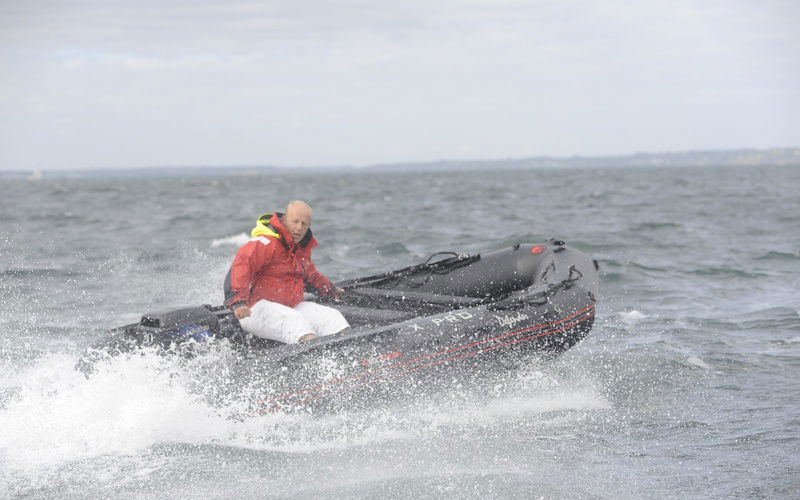


Images have been gathered from various sources and belong to their respective owners.
Review - 3D Tender Heavy Duty 360

MarineBroker
01/08/2024, 6:50 AM
2017 3D Tender Heavy Duty 360: What to Know Before You Buy, Use, or Upgrade
If you’re looking into the 2017 3D Tender Heavy Duty 360, chances are you’re trying to solve a very practical boating problem: how to get a compact inflatable boat that’s tough enough for real use, but still easy to handle, store, and transport. That’s a common challenge for owners who want more than a lightweight tender, yet don’t want the hassle of a larger rigid boat.
The 360-size tender sits in a sweet spot. It’s small enough to launch quickly and fit in tighter storage spaces, but sturdy enough to serve as a dependable dinghy, fishing platform, or short-range utility boat. The catch is that many buyers and owners underestimate what matters most in a boat like this: load capacity, engine matching, tube condition, floor setup, and how it behaves in chop or under weight.
In this article, we’ll break down the 2017 3D Tender Heavy Duty 360 in a practical way. You’ll learn what makes this model useful, what problems owners typically run into, and how to solve them with smarter setup, maintenance, and operating habits. If you’re trying to decide whether this boat fits your needs, or how to get more out of one you already own, this guide will help.
- What Makes the 2017 3D Tender Heavy Duty 360 Stand Out
The 2017 3D Tender Heavy Duty 360 is part of a category that appeals to boaters who want durability without a lot of bulk. At 3.6 meters, it’s compact, but the “Heavy Duty” label suggests a build intended for harder use than a basic recreational inflatable.
For many owners, that means a few important benefits:
- Better resistance to wear from frequent launching and beaching
- A more confidence-inspiring feel when carrying gear or passengers
- A practical size for tender use, fishing, or short coastal trips
- Easier storage compared with larger rigid boats
This size is especially appealing to people who need a boat for mixed roles. One day it may be a tender to a larger vessel, and the next it may be used for a quick run ashore, a fishing session, or light transport.
That versatility is the main reason people look at boats like this. The problem is that versatility only works well if the boat is set up correctly and used within its limits.
- The Most Common Problem: A Small Boat That’s Asked to Do Too Much
The biggest issue with a compact inflatable like the 2017 3D Tender Heavy Duty 360 is not usually the boat itself. It’s how people use it.
A 360-class tender can feel surprisingly capable, which sometimes leads owners to overload it, underpower it, or use it in conditions that are a bit too ambitious. That can create a frustrating experience fast.
Common problems include:
- The boat feels unstable when fully loaded
- Performance drops sharply with too many passengers or gear
- The engine struggles to plane the boat
- The floor flexes or feels less secure than expected
- The boat takes longer to respond in wind and chop
- Wear and tear appears faster than it should
These issues are often solvable. Most of the time, the fix is not “buy a different boat” right away. It’s understanding the boat’s real working range and setting it up for the job you actually need it to do.
- Understanding the 2017 3D Tender Heavy Duty 360’s Sweet Spot
Every small inflatable has a sweet spot where it performs best. For this model, that usually means light to moderate loads, sensible engine pairing, and calm to moderately choppy water.
Think of it this way: a 360 tender is often happiest when it’s doing one of these jobs:
- Carrying one or two people with light gear
- Serving as a shore boat or tender
- Running short distances at sensible speeds
- Handling fishing or utility trips in protected waters
It tends to be less happy when it’s pushed into:
- Heavy passenger loads
- Long-distance runs in rough conditions
- Overpowered or underpowered setups
- Carrying bulky gear that shifts weight around
The key is balance. A compact boat can be very capable, but only when weight distribution, engine choice, and operating conditions all line up.
- Choosing the Right Engine Setup for Better Performance
One of the most common frustrations with inflatable tenders is poor performance from an engine that doesn’t match the boat well. Too little power and the boat feels sluggish. Too much and it can become inefficient or uncomfortable.
For a boat like the 2017 3D Tender Heavy Duty 360, the right engine setup depends on how you use it.
A few general principles help:
- Match power to load, not just to the maximum rating
- Keep the propeller and engine height properly adjusted
- Avoid expecting top speed when the boat is heavily loaded
- Use smooth throttle input instead of sudden bursts
If the boat is used mainly as a tender, a smaller, efficient outboard may be enough. If you plan to carry more gear or want better planing performance, a more suitable mid-range engine setup may make a noticeable difference.
A lot of owners assume the boat is “slow,” when in reality the issue is often poor engine matching or bad trim. Even small changes in weight placement can improve acceleration and handling.
- Weight Distribution: The Easy Fix Many People Miss
If your inflatable boat feels unstable, slow, or awkward, weight distribution is often the first thing to check.
On a boat like the 2017 3D Tender Heavy Duty 360, where space is limited, a few misplaced items can change the way the boat rides. A cooler, fuel tank, battery, or even one passenger sitting too far forward or aft can affect planing and trim.
Here’s how to improve it:
- Keep heavy items low and centered
- Avoid stacking all gear in one end of the boat
- Move passengers to balance the hull when accelerating
- Secure loose items so they don’t shift underway
- Recheck trim after adding fuel or equipment
This matters more than many newer boaters expect. A balanced small boat feels more stable, planes more easily, and is generally safer in changing conditions.
If you’re using the boat for fishing or utility work, it’s worth spending a few minutes before launch to stage gear intentionally. That small habit can solve a lot of performance complaints.
- Tube Pressure and Floor Setup: Small Details, Big Difference
Another common issue with inflatable boats is inconsistent inflation. If tube pressure is off, the boat won’t behave the way it should.
On the 2017 3D Tender Heavy Duty 360, correct inflation helps with:
- Hull rigidity
- Ride comfort
- Efficiency
- Stability
- Overall safety
Underinflated tubes can make the boat feel soft and less responsive. Overinflation, especially in hot weather, can stress seams and valves. The floor setup matters too, because a secure floor helps the boat feel more solid underfoot.
Helpful habits include:
- Check pressure before every outing
- Inflate according to the manufacturer’s guidance
- Adjust for temperature changes
- Inspect valves regularly for leaks
- Make sure the floor panels or air floor are seated properly
If the boat feels “off,” don’t immediately blame the engine. A pressure problem can mimic a power problem very easily.
- How to Improve Stability in a Compact Tender
Small inflatables are often more stable than people expect, but stability depends on use. The 2017 3D Tender Heavy Duty 360 can feel quite manageable when loaded properly, but it can also feel twitchy if weight is uneven or passengers move suddenly.
To improve stability:
- Keep movement slow and deliberate when boarding
- Distribute passengers evenly
- Avoid standing up abruptly while underway
- Use a calm throttle hand during turns
- Reduce unnecessary gear on deck
If you’re fishing from the boat, stability becomes even more important. In that case, it helps to keep the deck clear and avoid leaning too far over the tubes. A compact boat is not the place for sudden shifts in body weight.
The good news is that a well-set-up 360 tender can feel much more secure than people expect, especially in sheltered water.
- Maintenance Tips to Keep the Boat in Good Shape
The “Heavy Duty” part of the name may suggest ruggedness, but no inflatable is maintenance-free. If you want the 2017 3D Tender Heavy Duty 360 to stay reliable, regular care matters.
Focus on the basics:
- Rinse with fresh water after saltwater use
- Dry completely before storage
- Check seams, handles, and rubbing points
- Inspect the transom for stress or cracking
- Clean away sand and grit before folding
- Store it out of direct sunlight when possible
UV exposure is a big one. Sun damage can shorten the life of tubes and fittings faster than many owners realize. If the boat is left inflated outside often, a cover or shaded storage spot can make a real difference.
Also, don’t ignore small abrasions. A tiny scuff today can become a bigger repair later if it keeps getting rubbed by docks, gear, or trailer hardware.
- When the 2017 3D Tender Heavy Duty 360 Is the Right Choice
This model makes sense for boaters who want a practical, compact, and durable inflatable with a clear purpose.
It’s a strong fit if you need:
- A tender for a yacht or larger boat
- A compact dinghy for short trips
- A light utility boat for calm water
- A portable craft that’s easy to store
- A simple inflatable for occasional fishing or transport
It may be less ideal if you regularly need:
- A large family boat
- High-speed performance with multiple passengers
- Long offshore runs
- A boat with lots of deck space
The important thing is to match the boat to the mission. A lot of disappointment comes from expecting a small tender to behave like a bigger runabout.
- Practical Buying Tips if You’re Looking at a Used 2017 Model
If you’re shopping for a used 2017 3D Tender Heavy Duty 360, inspection matters a lot. Age alone doesn’t tell you much. Condition does.
Here’s what to check:
- Tube condition: look for patches, cracks, or soft spots
- Seams: inspect carefully for signs of separation
- Valves: make sure they hold pressure well
- Transom: check for flex, rot, or damage
- Floor: test for movement or wear
- Accessories: verify oars, pump, seat, and storage components
- Trailer or transport wear: look for abrasion marks from repeated handling
A boat that has been stored well can still have many years left in it. A poorly stored boat can be tired much sooner, even if it doesn’t look bad at first glance.
If possible, inflate it fully before buying. That’s the best way to spot slow leaks, weak seams, or structural issues that are hard to see when the boat is deflated.
- Simple Ways to Get More Out of the Boat
If you already own this model, you can improve the experience without major upgrades.
Try these practical steps:
1. Keep the load light and organized
2. Balance gear front to back
3. Use the right engine and prop setup
4. Maintain proper inflation pressure
5. Clean and dry the boat after each use
6. Avoid unnecessary abrasion at launch points
7. Store it away from heat and sunlight when possible
These are small habits, but they add up. Many owners think they need a bigger boat or expensive modifications when the real answer is simply better setup and care.
For casual boating, these improvements often make the boat feel more responsive, more comfortable, and more dependable.
- Why This Boat Still Makes Sense for Practical Boaters
The reason people keep looking at boats like the 2017 3D Tender Heavy Duty 360 is simple: it solves a real-world problem. Not everyone needs a large, complicated boat. Sometimes you just need something compact, durable, and easy to use.
That’s where this kind of tender shines. It offers a useful middle ground between portability and toughness. If you respect its limits and set it up properly, it can be a very handy little boat for everyday use.
The real value comes from practicality:
- Easy to move
- Easy to store
- Useful in many roles
- More capable than basic inflatables
- Less demanding than larger boats
For the right owner, that combination is hard to beat.
- Conclusion
The 2017 3D Tender Heavy Duty 360 is a compact inflatable boat that works best when its strengths are matched to the right kind of use. Its main appeal is simple: it gives you a durable, manageable, and versatile platform without the size and hassle of a larger boat. Most of the common problems people face with this model—poor performance, instability, or uncomfortable handling—usually come down to load, engine setup, inflation, or maintenance.
If you’re considering one, or already own one, the best solution is to focus on balance, proper care, and realistic expectations. With the right setup, this boat can be a very practical companion for tender duty, light fishing, and short trips. If you want to keep learning, it’s worth exploring engine matching, inflatable boat maintenance, and load planning for small craft.
Specifications
General
Boat Type: Power Boats
Class Type: Rigid Inflatable Boats
Specifications
Length: 11.81
Beam: 5.51
Draft: 0.98
Hull Material: GRP
Build
First Built: 2017
Propulsion
Fuel Type: Unleaded
Engines: 1
Power: 20 HP
Brand: Unknown
Accomodation
Berths: 1
Cabins: 1
Bathrooms: 1
PROS & CONS
What we appreciated
 Durable heavy-duty construction suitable for rough waters360 cm length provides good stability and ample spaceLightweight and easy to maneuverGood load capacity for a tender of its sizeReliable and low maintenance design
What we didn’t appreciate
 Limited speed compared to larger tendersBasic features with minimal luxury or comfort optionsSmaller size may limit passenger capacityNot ideal for long-distance travelMay require an external motor for optimal performance
Upkeep Costs
Fuel: Approximately $500 - $1,000 annually depending on usage
Maintenance: Around $300 - $600 per year for engine service and hull upkeep
Insurance: Typically $200 - $500 per year
Storage: Ranges from $300 - $1,000 annually depending on location and season
Registration and Licensing: Approximately $50 - $150 per year
Rating
4.5
User
Score
Score
Driveability
Technology
Interior
Design
Similar Boats


MarineBroker
Download now for an immersive boat experience like never before! ⛵✨ Your journey begins with a simple click. 🌊📲
#SetSailSmart #DownloadNow
#SetSailSmart #DownloadNow

Subscribe
Copyright 2017 - 2026, Marinebroker.net, All Rights Reserved