2018 Apex A-8 Lite: How to Keep This Lightweight Pontoon Performing Smoothly
If you’ve been looking into the 2018 Apex A-8 Lite, you probably already know why this compact pontoon gets attention: it’s easy to trailer, simple to h...
Discover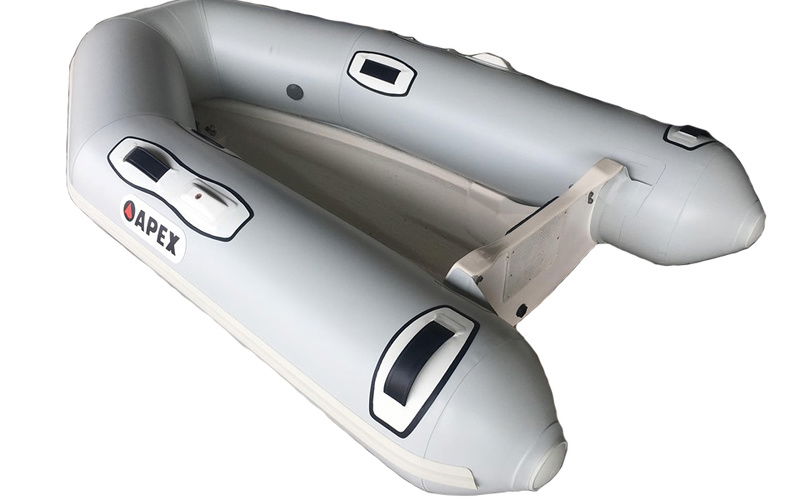
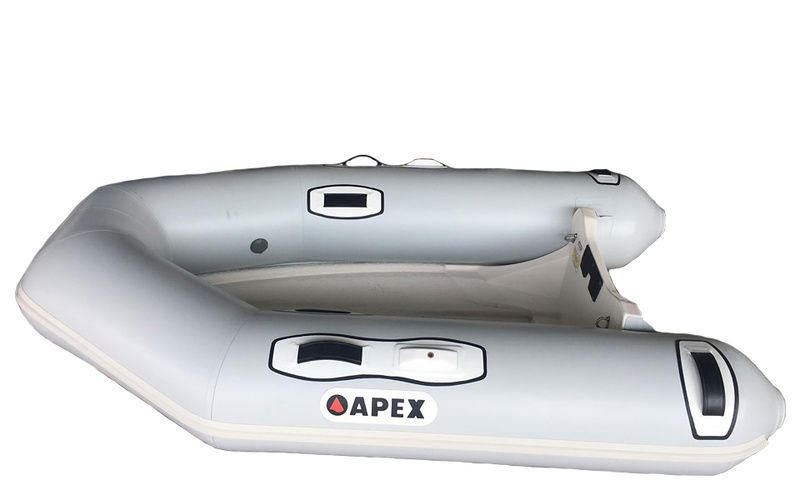

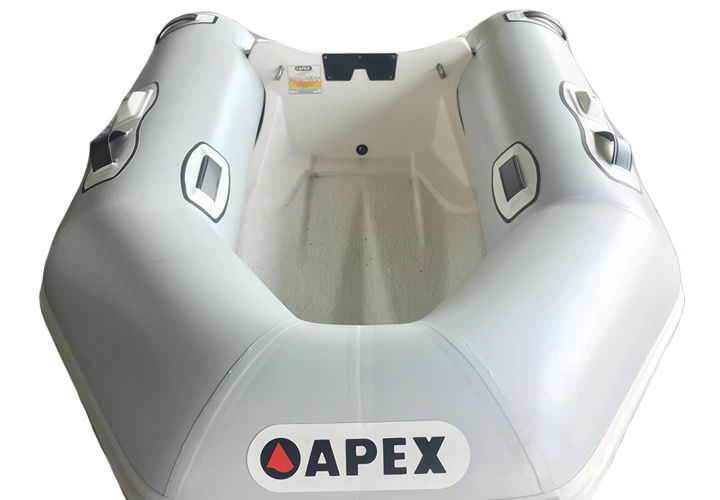
Images have been gathered from various sources and belong to their respective owners.
Review - Apex A-8 Lite

MarineBroker
03/17/2024, 12:22 AM
2018 Apex A-8 Lite: How to Keep This Lightweight Pontoon Performing Smoothly
If you’ve been looking into the 2018 Apex A-8 Lite, you probably already know why this compact pontoon gets attention: it’s easy to trailer, simple to handle, and a good fit for relaxed days on the water. But like many lightweight pontoons, the real challenge isn’t just owning one — it’s keeping it performing the way you expect over time.
A common issue boaters run into with smaller pontoons is that the features that make them so convenient can also make them more sensitive to setup, loading, and maintenance habits. A boat like the 2018 Apex A-8 Lite can feel sluggish, unbalanced, or noisier than expected if weight is uneven, the engine isn’t dialed in, or routine care gets skipped. The good news is that most of these problems are manageable with a few practical habits.
In this article, we’ll look at the most common performance and ownership concerns for the 2018 Apex A-8 Lite, why they happen, and what you can do to keep your boating experience smooth, safe, and enjoyable.
- Why the 2018 Apex A-8 Lite Appeals to So Many Boaters
The 2018 Apex A-8 Lite is part of a category that many boaters appreciate: lightweight pontoons built for simplicity. These boats are often chosen by people who want an easy day cruiser without the complexity or cost of a larger setup.
What makes this type of boat attractive is pretty straightforward:
- Easier trailering and launching
- Lower fuel demands than larger pontoons
- Simpler handling on smaller lakes and calm waters
- A comfortable platform for family cruising and casual outings
That said, the “lite” part of the name is also what creates some of the ownership questions. A lightweight pontoon can be more affected by passenger placement, gear load, and engine matching than a heavier model. If you’re not paying attention to those details, the boat may not feel as responsive as it should.
For many owners, the problem isn’t the boat itself. It’s learning how to get the best out of a compact pontoon without overloading it or expecting it to perform like a larger craft.
- The Most Common Problem: Performance Feels Off
One of the biggest frustrations with the 2018 Apex A-8 Lite is when it doesn’t feel as quick, stable, or efficient as expected. This usually shows up in a few ways:
- Slower acceleration
- Difficulty getting on plane, if equipped for planing use
- More rocking than expected when people move around
- Uneven steering or pulling to one side
- Higher fuel use than you thought you’d see
These symptoms often lead owners to worry that something is mechanically wrong. In reality, the issue is often a mix of loading, trim, prop choice, and maintenance.
A pontoon boat is a system. Hull, engine, prop, weight distribution, and water conditions all work together. If one part is off, the whole experience changes.
- Why Lightweight Pontoons Need Proper Weight Distribution
With a boat like the 2018 Apex A-8 Lite, weight distribution matters more than many first-time owners realize. Because the platform is lighter, the boat reacts more noticeably when passengers cluster in one area or gear is stacked too far forward or aft.
Here’s what can happen when weight is not balanced:
- The bow may ride too high or too low
- The boat may take longer to accelerate
- Steering can feel less precise
- The deck may rock more when people move around
- The engine may work harder than necessary
A simple fix is often to spread weight evenly across the deck. Try to keep coolers, fuel, batteries, and heavy gear in balanced positions. When possible, ask passengers to sit in a way that helps the boat stay level.
A good rule of thumb: if the boat feels “off,” check where the weight is before assuming the engine is the problem.
- 2018 Apex A-8 Lite Setup Tips That Make a Big Difference
A lot of performance complaints can be improved by making small setup changes. That’s one of the best things about a compact pontoon: it doesn’t take major modifications to see results.
Start with these basics:
- Confirm the engine size matches the boat’s intended use
- Check the propeller condition and pitch
- Make sure the battery is fully charged and in good condition
- Inspect fuel quality and replace old fuel if needed
- Verify the boat is not carrying unnecessary gear
If the prop is damaged, mismatched, or worn, the boat may struggle to perform properly. Even a small issue like a bent blade can affect speed, vibration, and fuel economy.
Also, don’t overlook the importance of trimming the engine correctly if your setup allows for it. Proper trim can help the boat ride more efficiently and reduce drag.
- Common Maintenance Issues Owners Should Watch For
The 2018 Apex A-8 Lite, like any used pontoon, benefits from consistent maintenance. Skipping basic care can turn small problems into expensive ones.
Watch for these common maintenance concerns:
- Corrosion on fittings, rails, and electrical contacts
- Loose bolts or hardware from vibration
- Dirty fuel systems or clogged filters
- Battery problems from storage or infrequent use
- Wear on flooring, seats, or fencing
- Water intrusion in storage compartments
A simple inspection routine before and after each season can prevent a lot of trouble. Look for loose hardware, check the engine fluids, clean the deck, and inspect any wiring or lights.
If the boat has been sitting for a while, it’s smart to go through a more detailed check before heading out. Boats don’t usually fail all at once — they tend to show warning signs first.
- How to Improve Ride Comfort on the 2018 Apex A-8 Lite
Another issue boaters notice is ride comfort. Smaller pontoons can feel bouncy or noisy if the water gets choppy or if the deck is overloaded.
To improve comfort:
- Avoid overloading the boat
- Keep passengers seated while moving at higher speeds
- Use calm-water routes when possible
- Reduce unnecessary gear onboard
- Check that furniture and accessories are secure
If you’re boating with kids or guests, explain that moving around suddenly can change the boat’s balance. On a lightweight pontoon, that matters more than people expect.
You can also improve the experience by choosing the right time of day and water conditions. Early mornings and calmer afternoons often make a big difference in how the boat feels.
- Engine Matching: A Key Part of Solving Performance Problems
One of the most practical solutions for a pontoon that feels underpowered is making sure the engine is properly matched to the boat. The 2018 Apex A-8 Lite may be designed for relaxed cruising, but that doesn’t mean every engine setup will feel the same.
If the engine is too small for your typical load, you may notice:
- Slow hole shot
- Difficulty maintaining speed with multiple passengers
- Higher strain on the motor
- Reduced efficiency
If the engine is too large or the setup is poorly tuned, you may also run into handling issues or unnecessary wear.
The best approach is to match your typical boating style, not just the maximum number on a spec sheet. Think about how you actually use the boat:
- Solo or couple cruising
- Family outings
- Fishing trips
- Tubing or light water sports
- Calm lake sightseeing
That everyday use should guide your setup decisions.
- Storage and Seasonal Care for Long-Term Reliability
A lot of pontoon problems start when the boat is stored improperly. If you want the 2018 Apex A-8 Lite to stay reliable, seasonal care matters.
Before storage:
- Clean the boat thoroughly
- Remove food, drinks, and trash
- Disconnect or maintain the battery
- Stabilize the fuel if needed
- Cover the boat properly
- Inspect for damage or leaks
During storage, try to keep the boat in a dry, protected place. UV exposure, standing water, and freezing temperatures can all cause avoidable damage.
If you’re storing the boat outside, make sure the cover fits well and allows moisture to escape. A bad cover can trap humidity and create mold, mildew, and corrosion.
- Signs It’s Time to Inspect More Closely
Sometimes the problem with a boat like the 2018 Apex A-8 Lite is subtle at first. Small changes in performance often point to something that needs attention.
Pay attention if you notice:
- New vibration
- Hard starting
- Unusual engine noise
- Steering resistance
- Fuel smell
- Poor idle
- Electrical issues
- Water where it shouldn’t be
These warning signs don’t always mean major repairs, but they do mean it’s time to inspect the boat carefully. Catching issues early usually saves money and frustration.
If you’re unsure, a marine mechanic can help identify whether the issue is mechanical, electrical, or related to setup.
- Practical Ways to Get More Out of the 2018 Apex A-8 Lite
If your goal is to enjoy the boat more and reduce problems, focus on the habits that make the biggest difference.
Here’s a simple checklist:
1. Keep the load balanced
2. Stay within the boat’s intended use and capacity
3. Maintain the engine and fuel system
4. Inspect the propeller and lower unit regularly
5. Clean and protect the boat after each outing
6. Store it properly between seasons
7. Pay attention to early warning signs
These steps may seem basic, but they’re exactly what help a lightweight pontoon stay fun and dependable.
A lot of boating frustration comes from expecting a small pontoon to behave like a larger, heavier model. Once you understand its limits and strengths, the boat becomes much easier to enjoy.
- When the 2018 Apex A-8 Lite Is the Right Fit
This boat makes the most sense for boaters who value simplicity. If you want an easy-to-manage pontoon for calm water, casual cruising, and light family use, the 2018 Apex A-8 Lite can be a very practical choice.
It’s especially appealing if you:
- Prefer easier towing and launching
- Don’t need a large deck layout
- Usually boat on smaller lakes or protected water
- Want a straightforward ownership experience
- Care more about convenience than high-speed performance
The key is aligning expectations with the boat’s design. When used for what it was built to do, it can be a comfortable and enjoyable platform.
- Conclusion
The 2018 Apex A-8 Lite stands out because it offers a simple, lightweight pontoon experience, but that same design means setup and maintenance matter a lot. If the boat feels underpowered, unbalanced, or less comfortable than expected, the solution is often found in weight distribution, engine matching, prop condition, and routine care.
By keeping the load balanced, inspecting the boat regularly, and storing it properly, you can solve many of the common frustrations before they become bigger problems. For boaters who want a relaxed, easygoing day on the water, a little attention goes a long way. If you’re exploring this model further, it’s worth learning how to tailor the setup to your boating style so the boat performs the way it should.
Specifications
General
Boat Type: Power Boats
Class Type: Rigid Inflatable Boats
Specifications
Length: 7.87
Beam: 4.99
Draft: 0.66
Hull Material: GRP
Build
First Built: 2018
Propulsion
Fuel Type: Unleaded
Engines: 1
Power: 3 HP
Brand: Unknown
Accomodation
PROS & CONS
What we appreciated
 Lightweight and easy to towDurable fiberglass hull constructionGood fuel efficiency with smaller enginesVersatile for fishing and recreational useSimple and user-friendly design
What we didn’t appreciate
 Limited cabin space, not ideal for overnight tripsBasic amenities compared to larger boatsMay have limited storage capacityPerformance affected in rough water conditionsSmaller size limits passenger capacity
Upkeep Costs
Fuel: Approximately $800 - $1,200 per year depending on usage
Maintenance: Around $400 - $700 annually for engine servicing and general upkeep
Insurance: Typically $300 - $600 per year
Storage: Varies from $500 - $1,200 annually depending on location and type of storage
Registration and Licensing: Approximately $50 - $150 per year

Rating
6.8
User
Score
Score
Driveability
Technology
Interior
Design
Similar Boats


MarineBroker
Download now for an immersive boat experience like never before! ⛵✨ Your journey begins with a simple click. 🌊📲
#SetSailSmart #DownloadNow
#SetSailSmart #DownloadNow

Subscribe
Copyright 2017 - 2026, Marinebroker.net, All Rights Reserved