Boat Database » AB Inflatables Lammina 16 AL
AB Inflatables Lammina 16 AL
Outboard four-stroke, Unleaded, 1x 60 HP
Power Boats 2015 AB Inflatables Lammina 16 AL: How to Get the Most Out of a Lightweight Aluminum RIB
If you’ve been looking at the 2015 AB Inflatables Lammina 16 AL, chances are you already know it has a strong reputation as a practical, lig...
Discover
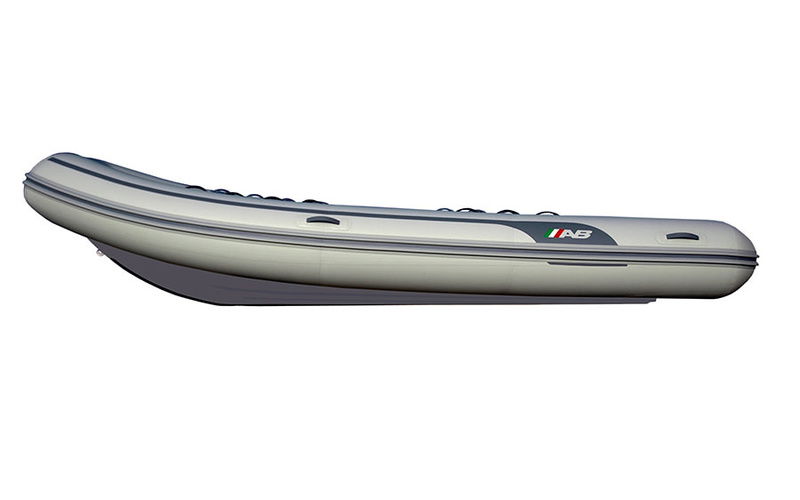


Images have been gathered from various sources and belong to their respective owners.
Latest Market Trends (Latest Available Year Model)
Price: $20,500
Review - AB Inflatables Lammina 16 AL

MarineBroker
01/15/2024, 2:05 PM
2015 AB Inflatables Lammina 16 AL: How to Get the Most Out of a Lightweight Aluminum RIB
If you’ve been looking at the 2015 AB Inflatables Lammina 16 AL, chances are you already know it has a strong reputation as a practical, lightweight rigid inflatable boat. But owning or shopping for a used RIB like this comes with a common challenge: figuring out whether it’s still the right fit for your boating needs today.
That’s especially true if you’re comparing tenders, family runabouts, or utility boats and wondering how a 2015 model stacks up against newer options. The good news is that boats like the Lammina 16 AL are often valued for exactly the reasons many buyers overlook at first: simple construction, easy handling, good stability, and lower maintenance than many larger fiberglass boats.
The problem is not usually whether the boat is “good” in general. The real question is whether it’s set up properly, maintained well, and matched to the way you actually plan to use it. In this article, we’ll break down what makes the 2015 AB Inflatables Lammina 16 AL appealing, what to look for in a used one, and how to solve the most common ownership and buying concerns without overcomplicating the process.
- What Makes the 2015 AB Inflatables Lammina 16 AL Stand Out
The Lammina 16 AL is part of AB Inflatables’ aluminum-hull RIB line, which is known for durability and practicality. The “AL” designation points to the aluminum hull, a feature that matters a lot if you want a boat that’s lighter, easier to tow, and less prone to the kind of stress cracks that can affect some fiberglass hulls over time.
For many boaters, that combination is the main draw. A lightweight aluminum RIB is easier to launch, easier to beach, and easier to handle in tight marina spaces. It’s also a smart choice for people who want a versatile boat that can work as a tender, a harbor hopper, or a general-purpose small craft.
The 2015 AB Inflatables Lammina 16 AL is especially interesting because boats from this era often hit a sweet spot:
- Modern enough to have practical design features
- Old enough to be more affordable than newer models
- Simple enough to inspect and maintain without a complicated ownership experience
That makes it a strong candidate for buyers who want value, but only if they know what to check.
- The Most Common Problem Buyers Face with a Used RIB
The biggest issue with a used boat like the 2015 AB Inflatables Lammina 16 AL is not always the hull itself. It’s the uncertainty around condition.
A rigid inflatable boat can look great at first glance, but age, sun exposure, inflation cycles, and storage habits can all affect performance. Buyers often worry about:
- Tube wear or leaks
- Hull damage from beaching or trailer use
- Corrosion on fittings and hardware
- Degraded seams or adhesive joints
- Outboard compatibility and performance
- Hidden maintenance costs
This is where many people get stuck. They like the idea of the boat, but they’re not sure how to tell whether the one they’re looking at is a smart buy or a future headache.
The solution is to focus on a structured evaluation. Instead of asking, “Is this boat good?” ask, “Does this specific boat show the signs of proper care, and does it match my use case?”
- How to Evaluate a 2015 AB Inflatables Lammina 16 AL Before Buying
A used RIB should be inspected more like a system than a single object. The hull, tubes, fittings, engine setup, and storage history all matter.
Start with these core checks:
- Inspect the tubes carefully
Look for fading, patching, cracking, or soft spots. A little cosmetic wear is normal, but widespread surface damage can indicate long-term UV exposure.
- Check for air retention
Inflate the tubes fully and listen for leaks. If possible, leave it for a period of time and see whether pressure drops noticeably.
- Examine the aluminum hull
Look for dents, deep scrapes, weld issues, or corrosion around fasteners and transom areas. Aluminum is tough, but repeated impacts can leave a mark.
- Review the transom
The transom is critical, especially on an outboard-powered RIB. Any flex, cracking, or separation should be taken seriously.
- Look at hardware and fittings
Cleats, handles, davit points, and rail hardware should feel secure. Loose or corroded fittings may be a sign of neglect.
- Ask about storage
A boat stored indoors or under cover usually ages better than one left in the sun year-round.
This kind of inspection helps you separate a well-kept 2015 AB Inflatables Lammina 16 AL from one that has simply “survived” until now.
- Why the Aluminum Hull Matters in Real-World Use
One of the biggest advantages of the 2015 AB Inflatables Lammina 16 AL is the aluminum hull. For everyday boaters, this isn’t just a technical detail. It changes how the boat feels and how easy it is to live with.
Here’s why many owners like it:
- Easier launching and retrieval
A lighter hull can make trailering and handling less stressful, especially for solo operators.
- Better for shallow-water use
Aluminum hulls are well suited to beaching and quick landings, which is one reason RIBs are so popular as tenders.
- Lower structural complexity
Compared with some heavier boat designs, an aluminum RIB can be simpler to inspect and maintain.
- Good durability for active use
If you’re using the boat regularly, the hull can handle the knocks and bumps that come with real boating life.
That said, aluminum is not maintenance-free. It still needs rinsing, inspection, and attention to any signs of galvanic corrosion, especially around mixed-metal fittings.
- Matching the Boat to Your Actual Use
A lot of boating disappointment comes from mismatch, not from the boat itself. The 2015 AB Inflatables Lammina 16 AL is a strong fit for some boaters and a poor fit for others.
It tends to work well for:
- Yacht owners needing a dependable tender
- Couples or small families using a compact runabout
- Anglers who want a stable platform for short trips
- Harbor and coastal users who value easy handling
- Owners who prioritize portability and low maintenance
It may be less ideal if you need:
- Large seating capacity
- Overnight cruising space
- High-speed performance as a priority
- Heavy load-carrying for frequent group outings
The practical solution is to think through your real boating pattern. If most outings are short, local, and functional, a boat like this can make a lot of sense. If you’re trying to force it into a role it wasn’t designed for, you’ll probably end up frustrated.
- What to Look for in Performance and Ride Quality
RIBs are popular because they often deliver a stable, confidence-inspiring ride. The inflatable tubes add buoyancy and help soften impact in chop, while the rigid hull gives the boat better structure than a soft-bottom inflatable.
With the 2015 AB Inflatables Lammina 16 AL, you want to pay attention to:
- How the boat planes
- Whether it tracks straight at speed
- How stable it feels at idle and while boarding
- Whether it pounds excessively in light chop
- How responsive it is with the outboard installed
A well-balanced RIB should feel predictable. It should be easy to bring onto plane and manageable at low speed, which is especially useful when docking or maneuvering around marinas.
If the boat feels underpowered, overloaded, or sluggish, the issue may be the engine match rather than the hull design. That’s why engine setup matters so much.
- Choosing the Right Outboard Setup
The engine can make or break the experience with a boat like this. Even a well-built RIB will feel disappointing if the outboard is poorly matched, poorly maintained, or too heavy for the transom setup.
When evaluating a used 2015 AB Inflatables Lammina 16 AL, ask:
- What horsepower is installed?
- Is the engine within the recommended range for the boat?
- Has it been regularly serviced?
- Does it start easily and idle smoothly?
- Is the propeller in good condition?
A properly matched outboard helps the boat get on plane efficiently and keeps fuel use reasonable. For many buyers, the safest approach is not chasing maximum horsepower, but aiming for balanced performance and reliability.
If you’re buying the boat without an engine, this is where a little planning pays off. Choose an outboard that suits your typical load, not just your occasional maximum load.
- Maintenance Tips That Keep a Used RIB in Good Shape
The best way to avoid headaches with a used inflatable boat is consistent, simple maintenance. You do not need a complicated routine, but you do need to stay on top of the basics.
Here’s a practical maintenance checklist:
- Rinse after saltwater use
Salt and grime can shorten the life of fittings, zippers, and metal components.
- Keep the tubes out of harsh sun when possible
UV exposure is one of the biggest enemies of inflatable material.
- Check inflation pressure regularly
Underinflated tubes can affect handling, while overinflation in hot weather can stress seams.
- Inspect seams and valves
Small issues are easier to fix early than after they become bigger leaks.
- Watch for corrosion
Pay attention to hardware, engine mounts, and any mixed-metal contact points.
- Clean the hull and deck
Dirt buildup can hide wear and make inspection harder.
- Store it properly
A covered or indoor storage setup usually extends the life of both the tubes and the hull.
These habits are especially valuable for a 2015 model, because age alone is not the main issue. Care history is often more important than the calendar.
- Signs the Boat Has Been Well Cared For
When you’re looking at a 2015 AB Inflatables Lammina 16 AL, good care usually shows itself in small ways.
Positive signs include:
- Even tube color with limited UV fading
- Clean, tight seams
- Solid transom with no movement
- Fresh-looking hardware and fasteners
- A hull without major dents or patches
- Engine maintenance records
- Clean storage history
A boat that has been used regularly but cared for well is often a better buy than one that sat unused for long periods. Boats that sit can develop problems too, especially if seals dry out or fuel systems age without attention.
So don’t assume “low hours” always means “better condition.” In many cases, consistent use and maintenance are the real winning combination.
- Who This Boat Makes the Most Sense For
The 2015 AB Inflatables Lammina 16 AL is a smart match for boaters who want a practical, no-nonsense vessel. It appeals to people who care more about usefulness than flashy extras.
It’s a particularly good fit if you:
- Want a reliable tender
- Need something lightweight and easy to launch
- Prefer a stable boat for short coastal trips
- Value durability and simple ownership
- Want a used boat that can still offer strong utility if maintained properly
It may not be the right choice if you want lots of storage, luxury features, or a boat that feels like a mini cruiser. But for straightforward boating, it does a lot of things well.
- Buying Smart: A Simple Decision Framework
If you’re deciding whether to buy one, use this simple filter:
- Condition first
Is the tube, hull, and transom structurally sound?
- Engine second
Does the outboard run well, and is it properly matched?
- Use case third
Will the boat actually suit your boating style?
- Price last
Is the asking price fair based on the above factors?
That order matters. A cheap boat that needs major repairs is rarely a good deal. A fairly priced, well-kept boat with the right setup can be a much smarter purchase, even if it costs a bit more upfront.
- Common Mistakes to Avoid
A few avoidable mistakes can turn a promising boat into a regretful purchase.
Watch out for:
- Skipping a full inspection
- Ignoring tube condition because the hull looks fine
- Overlooking transom flex
- Buying based on appearance alone
- Forgetting to factor in engine service costs
- Assuming all RIBs age the same way
The solution is to slow down and inspect the boat like you plan to own it, not just look at it. That mindset saves time, money, and frustration.
- Conclusion
The 2015 AB Inflatables Lammina 16 AL can be a very practical choice for boaters who want a lightweight, durable, and easy-to-handle RIB. The key is not just finding the boat, but finding the right example and understanding how it fits your real-world boating needs.
If you focus on tube condition, hull integrity, transom strength, and engine setup, you’ll have a much clearer picture of whether it’s a good buy. For many people, the solution is simple: choose a well-maintained boat, match it to your use case, and keep up with basic care. That approach turns a used RIB into a dependable and enjoyable part of your boating routine.
If you want to keep learning, it’s worth comparing this model with other lightweight aluminum RIBs and reviewing inspection checklists before you buy.
Specifications
General
Boat Type: Power Boats
Class Type: Rigid Inflatable Boats
Specifications
Length: 16.01
Beam: 7.02
Draft: 1.67
Hull Material: Aluminium
Build
First Built: 2015
Propulsion
Fuel Type: Unleaded
Engines: 1
Power: 60 HP
Brand: Unknown
Accomodation
PROS & CONS
What we appreciated
 High-quality aluminum hull offers excellent durability and resistance to impactLightweight design improves fuel efficiency and ease of towingSpacious layout suitable for family outings and fishing tripsStable and smooth ride even in choppy waters due to rigid hullLow maintenance compared to traditional fiberglass boats
What we didn’t appreciate
 Aluminum hull can be noisy on rough water compared to inflatable hullsHigher initial cost compared to some other rigid inflatable boatsLimited storage space compared to larger boatsLess cushioning on impact compared to fully inflatable boatsRequires periodic hull inspection to prevent corrosion in saltwater
Upkeep Costs
Fuel: Approximately $500 - $1,000 per year depending on usage
Maintenance: Around $300 - $600 annually for engine servicing and hull upkeep
Insurance: Typically $200 - $400 per year
Storage: $500 - $1,500 annually depending on location and type
Registration and Licensing: $50 - $150 per year
Rating
4.9
User
Score
Score
Driveability
Technology
Interior
Design
Similar Boats


MarineBroker
Download now for an immersive boat experience like never before! ⛵✨ Your journey begins with a simple click. 🌊📲
#SetSailSmart #DownloadNow
#SetSailSmart #DownloadNow

Subscribe
Copyright 2017 - 2026, Marinebroker.net, All Rights Reserved