Boat Type: Power Boats
Boat Class: Rigid Inflatable Boats
Length: 7.55 ft
Berths: 1
Cabins: 1
Bathrooms: 1
Max Persons: 2
Boat Database » 3D Tender Superlight Twin Air 230
3D Tender Superlight Twin Air 230
Outboard four-stroke, Unleaded, 1x 4 HP
Power Boats 2014 3D Tender Superlight Twin Air 230: A Practical Guide to Choosing, Using, and Caring for a Compact Tender
If you’ve been looking at the 2014 3D Tender Superlight Twin Air 230, chances are you’re after a small inflatable boat ...
Discover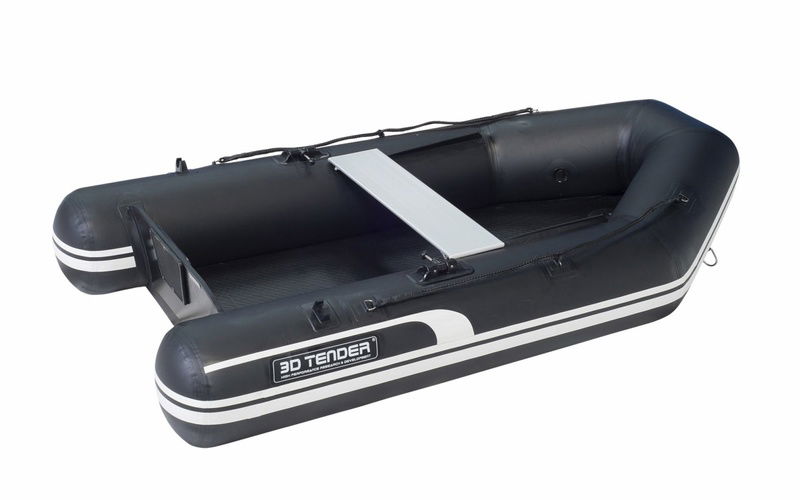
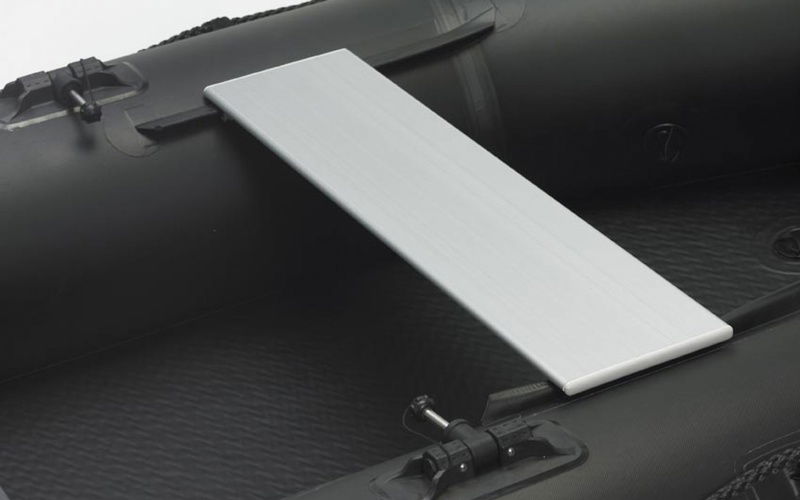

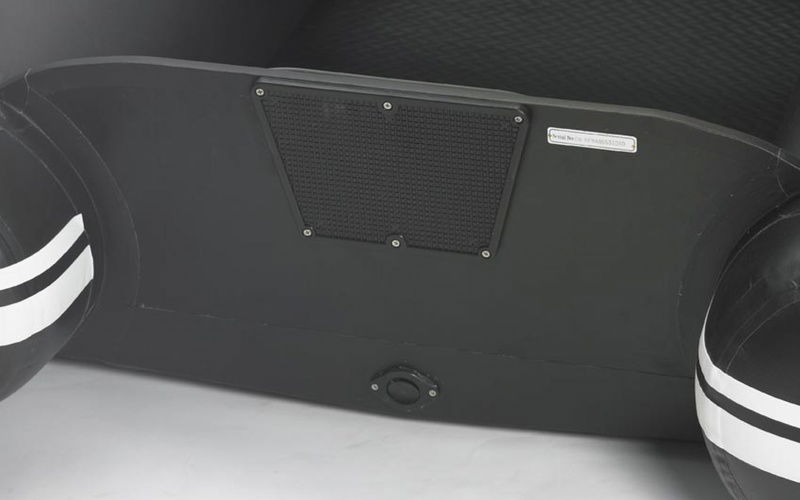
Images have been gathered from various sources and belong to their respective owners.
Review - 3D Tender Superlight Twin Air 230

MarineBroker
01/09/2024, 3:35 AM
2014 3D Tender Superlight Twin Air 230: A Practical Guide to Choosing, Using, and Caring for a Compact Tender
If you’ve been looking at the 2014 3D Tender Superlight Twin Air 230, chances are you’re after a small inflatable boat that’s easy to handle, easy to store, and simple to launch without turning every trip into a workout. That’s exactly why compact tenders like this one are so popular. They’re light enough for one person to manage, but still need to be stable, safe, and practical once you’re on the water.
The challenge is that people often buy a tender based on size alone, then realize later that weight capacity, floor setup, inflation time, and motor compatibility matter just as much. A boat like the 2014 3D Tender Superlight Twin Air 230 can be a great fit, but only if it matches the way you actually plan to use it. The good news is that most common problems with small tenders are easy to avoid with the right setup, a little maintenance, and a few smart habits. In this article, we’ll break down what makes this model useful, what to watch out for, and how to get the most out of a compact inflatable tender without overcomplicating things.
- What Makes the 2014 3D Tender Superlight Twin Air 230 Stand Out
The 2014 3D Tender Superlight Twin Air 230 belongs to the category of ultra-compact inflatable tenders, designed for easy transport and quick deployment. Boats in this size range are especially appealing to sailors, RV travelers, and casual boaters who need a lightweight dinghy for short trips, shore access, or tender duty.
Its biggest advantage is convenience. A 230 cm inflatable tender is small enough to fit into tight storage spaces, yet large enough to carry a person, gear, or a short family hop to shore in calm conditions.
For many owners, the real value is not speed or luxury. It’s the ability to:
- Launch quickly
- Store it without needing a trailer
- Carry it with minimal effort
- Use it as a reliable secondary boat
That combination makes compact tenders attractive, especially when space is limited.
- The Main Problem: Small Tender, Big Expectations
One of the most common mistakes with a boat like the 2014 3D Tender Superlight Twin Air 230 is expecting it to do more than it was designed for. People sometimes assume that because it is a boat, it should handle rough water, heavy loads, or bigger engines with ease.
That’s where frustration starts.
Typical issues owners run into include:
- Overloading the tender with too many passengers or gear
- Using a motor that’s too powerful
- Underinflating or overinflating the tubes
- Storing it wet, which can lead to wear or mildew
- Choosing the wrong launch conditions
These problems are usually not caused by the boat itself. They come from mismatching the boat to the job. The solution is understanding the limits of a compact inflatable and setting it up for the conditions it was built for.
- Who the 2014 3D Tender Superlight Twin Air 230 Is Best For
This model works best for people who need a lightweight, easy-to-manage tender rather than a full-size utility boat.
It is a good fit for:
- Sailboat owners needing a dinghy to reach shore
- Solo boaters who want easy handling
- Campers or travelers with limited storage space
- People looking for a simple, low-maintenance inflatable
- Occasional users who value portability over performance
It may not be ideal for:
- Frequent use in choppy water
- Carrying multiple adults plus heavy gear
- Long-distance runs
- Boaters who want a rigid feel and high speed
That’s not a weakness. It’s just the reality of a compact inflatable. When used in the right setting, the boat can be very practical.
- How to Choose the Right Setup for the 2014 3D Tender Superlight Twin Air 230
Getting the best from a small tender starts with setup. The boat’s performance depends heavily on how it is inflated, loaded, and powered.
- Inflation matters more than people think
Inflatable boats can feel unstable or sluggish if they are not inflated correctly. Too little air and the boat flexes too much. Too much air and the material may be stressed, especially in hot weather.
A good habit is to:
- Inflate in stages
- Check firmness before launching
- Recheck pressure after the boat sits in the sun
- Follow the manufacturer’s pressure guidance
Temperature changes can affect air pressure, so what feels right in the driveway may not feel right after an hour on the water.
- Keep the load realistic
The biggest performance killer in small inflatables is overload. Even if the boat technically floats with more weight, handling can become poor very quickly.
A practical loading approach:
- One adult plus light gear is usually the easiest use case
- Keep heavy items low and centered
- Avoid piling weight near the tubes
- Leave room for balance and movement
If the boat feels slow to accelerate, sits low in the water, or becomes hard to steer, it’s probably carrying too much.
- Match the motor carefully
If you plan to use a small outboard, make sure it suits the boat’s size and transom setup. A compact tender is not the place to experiment with extra power.
A smaller motor often provides:
- Better control
- Less stress on the transom
- Lower fuel use
- Safer handling in a light hull
For short tender trips, controllability is usually more useful than speed.
- 2014 3D Tender Superlight Twin Air 230: Common Use Scenarios
To understand whether this tender is right for you, it helps to picture real-world use.
- Shore runs from a sailboat
This is one of the most common uses. You need something light enough to lift or tow, quick to inflate, and easy to bring aboard when done. The compact size is a real advantage here.
- Short trips in calm water
If you’re crossing a marina, moving between anchor and shore, or making a short run in protected waters, a small inflatable can be ideal.
- Backup transport
Sometimes the tender is just there as a backup. It might carry tools, groceries, or one person in a pinch. In that role, reliability and easy storage matter more than speed.
- Occasional recreational use
For casual users, the appeal is simple: a boat that doesn’t require a trailer, a dock, or a big maintenance routine.
- Practical Tips to Get Better Performance
Even a small tender can feel much better if you use it the right way. These tips make a noticeable difference.
- Trim the load evenly
Balance is huge in compact inflatables. If one side is heavier, the boat may list and become harder to paddle or motor.
Try to:
- Sit near the centerline
- Distribute gear evenly
- Avoid sudden movement when boarding
- Keep heavier items toward the middle
- Use calm-water timing
Small tenders are happiest in calm conditions. If possible, plan trips for times when wind and chop are lower.
That means:
- Early morning departures can be smoother
- Protected routes are better than open crossings
- Avoiding rough weather reduces wear and fatigue
- Keep speed modest
A small inflatable is not meant to be pushed hard all the time. Moderate speed usually gives the best balance of safety, comfort, and efficiency.
- Check tubes and seams regularly
Tiny leaks or seam wear can slowly affect performance. A quick inspection before and after trips can save a lot of hassle later.
Look for:
- Soft spots
- Abrasion marks
- Valve issues
- Loose fittings
- Maintenance That Prevents Most Problems
Maintenance on a compact inflatable is usually simple, but consistency matters. Most issues with tenders happen because they are stored poorly or ignored between uses.
- Rinse after saltwater use
Salt can damage valves, fittings, and fabric over time. A fresh-water rinse after each saltwater trip helps extend the life of the boat.
- Dry before storage
Storing a wet inflatable invites mildew, odor, and material wear. Let it dry fully before packing it away.
- Avoid sharp surfaces
Even tough inflatable fabric does not like rocks, shells, or rough concrete. Use a beach mat, dock fender, or launch aid if possible.
- Protect from UV exposure
Sunlight breaks down materials over time. If the boat will sit outside, cover it or store it out of direct sun.
- Inspect the floor and valves
The floor and valves are common wear points. A quick check every few outings can catch problems early.
- Inflatable Tender vs. Rigid Dinghy: Why Size Changes the Game
People often compare inflatable tenders with rigid dinghies, but the tradeoff is different for each.
Inflatable boats like the 2014 3D Tender Superlight Twin Air 230 usually offer:
- Easier storage
- Lower weight
- Simplified transport
- Better portability
Rigid dinghies may offer:
- Better hull stiffness
- More predictable handling
- Less sensitivity to inflation issues
If your top priority is portability, an inflatable is usually the better choice. If your top priority is hull feel and durability in tougher conditions, a rigid boat may be better. For many users, the inflatable wins because it fits real-life storage and handling needs.
- Safety Basics for Small Inflatable Boats
A compact tender is simple, but safety still matters. Because the boat is small, conditions can change quickly.
A few basic habits go a long way:
- Wear a life jacket
- Carry a paddle even if you have a motor
- Bring a pump or repair kit
- Tell someone where you’re going
- Avoid overloaded trips
- Stay aware of weather and tides
Small boats give you less margin for error, so planning matters more than on bigger craft.
- When the 2014 3D Tender Superlight Twin Air 230 Is a Smart Choice
This model makes sense if your priorities are:
- Easy storage
- Lightweight handling
- Short-distance transport
- Simple setup
- Low-maintenance boating
It is especially useful if you want a dependable tender without needing a trailer or a large garage.
It may not be the right fit if you regularly need:
- More capacity
- Better rough-water handling
- High-speed performance
- Frequent long-distance use
In other words, it solves a specific problem very well: how to have a practical boat without the burden of a bigger boat.
- How to Avoid Buyer’s Regret With a Compact Tender
If you’re considering a boat like the 2014 3D Tender Superlight Twin Air 230, ask yourself a few honest questions before deciding.
- Where will I use it most often?
- How many people will usually be aboard?
- Do I need portability more than performance?
- Will I store it inflated, folded, or on a boat?
- Am I comfortable with a small boat’s limits?
If your answers point toward short trips, easy storage, and light use, this type of tender can be a very sensible option. If you need more space or more power, it’s better to know that upfront.
- Realistic Expectations Lead to Better Boating
The biggest “solution” for owners of compact inflatables is not a special accessory or upgrade. It’s realistic expectations. Once you understand what the boat does well, the rest becomes much easier.
A boat like the 2014 3D Tender Superlight Twin Air 230 shines when it is:
- Kept light
- Inflated correctly
- Used in calm conditions
- Maintained regularly
- Powered appropriately
That’s the formula for a better experience. It’s not about pushing the boat beyond its design. It’s about using it in a way that matches its strengths.
- Conclusion
The 2014 3D Tender Superlight Twin Air 230 is best understood as a practical compact tender, not a do-everything boat. Its main appeal is simple: easy handling, easy storage, and reliable use for short trips in calm conditions. Most problems people face with small inflatables come from overloading, poor inflation, or expecting too much from a lightweight hull.
If you keep the load sensible, maintain it properly, and use it in the right conditions, this type of tender can be a very useful part of your boating setup. For anyone comparing compact inflatables, focusing on real-world use is the smartest move. Take a close look at your storage space, your typical trip length, and your loading needs before deciding. That’s usually the best way to make a confident choice.
Specifications
General
Boat Type: Power Boats
Class Type: Rigid Inflatable Boats
Specifications
Length: 7.55
Beam: 4.4
Draft: 0.98
Hull Material: Unknown
Build
First Built: 2014
Propulsion
Fuel Type: Unleaded
Engines: 1
Power: 4 HP
Brand: Unknown
Accomodation
Berths: 1
Cabins: 1
Bathrooms: 1
PROS & CONS
What we appreciated
 Lightweight construction makes it easy to tow and launchTwin air chambers enhance safety and stability on waterCompact size suitable for use as a tender or for short tripsDurable hypalon material offers good resistance to abrasion and UV raysSimple design ensures low maintenance requirements
What we didn’t appreciate
 Limited space and seating capacity restricts passenger comfortNot ideal for rough or open water conditions due to smaller sizeLack of advanced features found in newer modelsOlder model may have wear and tear depending on usageAir chambers require regular inflation checks to maintain performance
Upkeep Costs
Fuel: Approximately $2.50 to $4.00 per gallon depending on fuel type and usage
Insurance: Around $300 to $600 annually depending on coverage and location
Maintenance: Estimated $500 to $1,000 per year including engine servicing and hull upkeep
Storage: $500 to $1,200 annually depending on marina or storage facility
Registration and taxes: $100 to $300 per year depending on state regulations
Rating
4.4
User
Score
Score
Driveability
Technology
Interior
Design
Similar Boats


MarineBroker
Download now for an immersive boat experience like never before! ⛵✨ Your journey begins with a simple click. 🌊📲
#SetSailSmart #DownloadNow
#SetSailSmart #DownloadNow

Subscribe
Copyright 2017 - 2026, Marinebroker.net, All Rights Reserved