Boat Type: Power Boats
Boat Class: Rigid Inflatable Boats
Length: 8.86 ft
Berths: 1
Cabins: 1
Bathrooms: 1
Max Persons: 4
Boat Database » 3D Tender Superlight Twin Air 270
3D Tender Superlight Twin Air 270
Outboard four-stroke, Unleaded, 1x 6 HP
Power Boats 2014 3D Tender Superlight Twin Air 270: How to Get the Most from a Lightweight Inflatable Tender
If you’re looking into the 2014 3D Tender Superlight Twin Air 270, you’re probably after a tender that’s easy to handle, simple to s...
Discover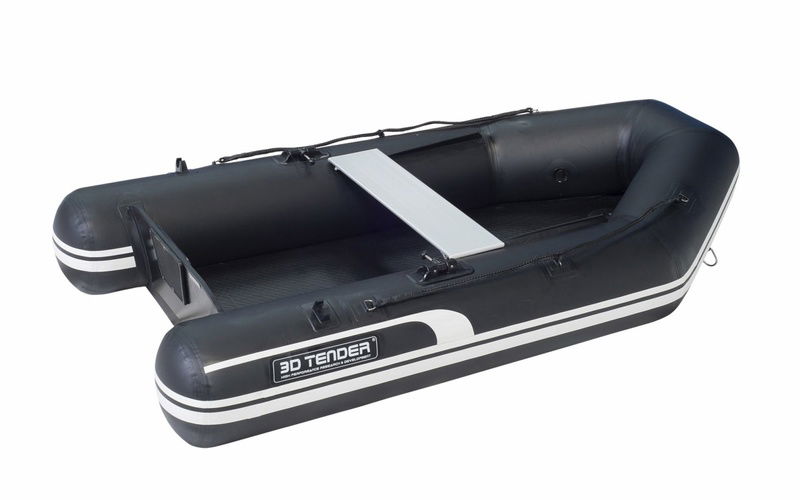


Images have been gathered from various sources and belong to their respective owners.
Review - 3D Tender Superlight Twin Air 270

MarineBroker
01/09/2024, 6:42 AM
2014 3D Tender Superlight Twin Air 270: How to Get the Most from a Lightweight Inflatable Tender
If you’re looking into the 2014 3D Tender Superlight Twin Air 270, you’re probably after a tender that’s easy to handle, simple to stow, and practical for everyday boating. That’s exactly why boats like this remain popular years after launch: they solve a very real problem for cruisers, yacht owners, and weekend boaters who want a small dinghy without the hassle of a heavy, awkward craft.
But here’s the catch. A lightweight inflatable tender can be brilliant on paper and still frustrating in real life if it’s underinflated, poorly trimmed, overloaded, or not set up for your actual use. Many owners and buyers run into the same issue: the tender feels unstable, slow, or harder to row and tow than expected. The good news is that most of these problems are fixable with the right setup and a few smart habits.
In this article, we’ll look at what makes the 2014 3D Tender Superlight Twin Air 270 useful, the common issues people face with compact inflatable tenders, and how to get better performance, comfort, and reliability from one.
- What Makes the 2014 3D Tender Superlight Twin Air 270 Stand Out
The 2014 3D Tender Superlight Twin Air 270 sits in a category that’s all about convenience. At around 2.7 meters long, it’s compact enough for easy storage on a yacht deck, in a locker, or on davits, while still offering enough space for short trips ashore, harbor runs, or light-duty cruising support.
The “Superlight” part matters more than many people realize. Weight is one of the biggest factors in tender usability. A lighter tender is easier to launch, recover, carry, and tow. That can make a huge difference when you’re anchoring offshore and don’t want every tender move to feel like a gym workout.
The “Twin Air” design also points to the boat’s practical construction approach. Inflatable tubes provide buoyancy and stability, and in a small tender that can make boarding easier and help the boat feel more reassuring in calm water. For many owners, that balance of portability and usability is the main appeal.
- The Main Problem Buyers and Owners Face
The most common issue with a tender like the 2014 3D Tender Superlight Twin Air 270 is expectation versus reality.
People often assume a small inflatable tender will automatically be easy, stable, and efficient. In practice, performance depends on setup, loading, inflation pressure, motor choice, and how the boat is used.
Typical pain points include:
- Too much flex in the floor or tubes
- Poor handling when carrying two adults and gear
- Difficulty rowing in wind or current
- Slow planing or weak performance with a small outboard
- Instability when boarding from the stern of a yacht
- Wear and tear from improper storage or inflation
If you’ve ever felt like your tender was “fine, but not great,” that’s usually a sign that the boat needs better tuning rather than replacement. Small inflatables are sensitive to setup, and that’s actually good news because small adjustments can lead to big improvements.
- Who the 2014 3D Tender Superlight Twin Air 270 Is Best For
This tender makes the most sense for boaters who value portability over raw carrying capacity.
It’s a good fit for:
- Sailboat and yacht owners needing a compact dinghy
- Cruisers who want a lightweight shore-run boat
- Boaters with limited deck or garage storage
- People who launch and recover a tender frequently
- Owners who prioritize easy handling over heavy-duty load hauling
It’s less ideal if you regularly carry several adults, lots of dive gear, or want a tender that behaves like a rigid hull in rough chop. For that kind of use, a larger inflatable or RIB may be a better match.
So the real question isn’t just “Is it a good tender?” It’s “Is it a good tender for the way you actually boat?”
- How to Solve the Most Common Tender Problems
The good news is that most issues with a lightweight inflatable tender can be solved with a few practical steps. If you’re looking at the 2014 3D Tender Superlight Twin Air 270 or already own one, these are the areas worth checking first.
- Get Inflation Right
Underinflation is one of the biggest reasons inflatable tenders feel sluggish or unstable.
When tubes are too soft:
- The boat flexes more in waves
- Steering becomes less precise
- Rowing feels harder
- The tender may sit lower in the water than it should
Overinflation can also be a problem, especially in hot sun. Air expands as temperatures rise, so a tender pumped hard in the morning can become overpressurized by afternoon.
Practical tip:
- Inflate to the manufacturer’s recommended pressure
- Recheck pressure after the boat sits in sun
- Avoid guessing by “feel” alone
If you want better performance, proper pressure is often the cheapest upgrade you’ll ever make.
- Match the Load to the Boat
A small tender is easy to overload without realizing it. Two adults, a fuel tank, a cooler, a bag, and an anchor can add up fast.
When overloaded, you may notice:
- Slower acceleration
- More drag
- Reduced stability
- Water coming over the tubes more easily
- A harder time getting on plane with an outboard
A simple rule: keep the load light and balanced. Place heavier items low and centered, and avoid piling gear in one end of the boat.
If you’re regularly near the tender’s limit, that’s a sign to rethink your setup or use case.
- Choose the Right Outboard
The right motor can transform a small inflatable tender. The wrong one can make it feel awkward, inefficient, or even unsafe.
For a boat like the 2014 3D Tender Superlight Twin Air 270, a small outboard is usually the sensible choice. Too much power can make the boat difficult to control, especially if the transom and hull are designed for lightweight use.
What matters:
- Engine weight
- Shaft length
- Throttle response
- Fuel efficiency
- Ease of starting and maintenance
A lighter engine often makes more sense than a bigger one. On a compact tender, a few extra kilograms on the transom can affect trim and handling more than people expect.
- Improve Trim and Balance
Trim is a fancy word for how the boat sits in the water. On a small inflatable, trim has a huge effect on how it feels.
If the bow rides too high:
- Visibility can be worse
- Steering may feel vague
- The boat may slap more in chop
If the bow is too low:
- Water can come over the front
- Performance can suffer
- The ride may feel wet and sluggish
Try shifting weight slightly forward or aft and see how the boat behaves. Even moving a fuel tank or cooler can make a noticeable difference.
- Use It in the Right Conditions
A compact tender is best in sheltered or moderate conditions. It can handle a lot more than many people think, but it’s not meant to be pushed like a larger offshore boat.
Best use cases:
- Calm anchorages
- Marina transfers
- Short harbor runs
- Shore access
- Light cruising support
Less ideal conditions:
- Strong crosswinds
- Choppy open water
- Heavy swell
- Fast-moving tidal areas
If you often operate in exposed water, the problem may not be the tender itself but the environment you’re asking it to handle.
- What to Check Before Buying a Used 2014 3D Tender Superlight Twin Air 270
If you’re considering a used one, inspection matters a lot. Inflatable boats can look fine at a glance while hiding issues that affect performance and safety.
Check these areas carefully:
- Tube condition: look for patches, cracks, or UV damage
- Seams: inspect for lifting, leaks, or soft spots
- Floor: make sure it’s firm and not warped or damaged
- Valves: test for air loss or sticking
- Transom: check for movement, rot, or delamination if applicable
- Chafe points: inspect areas that rub against davits, cleats, or docks
A used tender can still be a great buy if it’s well cared for. But a neglected inflatable often becomes a maintenance project quickly.
- Maintenance Habits That Keep It Working Well
Even a lightweight tender needs regular attention. The good news is that maintenance is usually simple if you stay consistent.
Useful habits include:
- Rinse with fresh water after saltwater use
- Dry before storage to reduce mildew
- Avoid long-term exposure to strong UV when possible
- Store partially inflated or properly supported
- Check valve seals and tube pressure regularly
- Keep sharp objects away from the floor and tubes
A little care goes a long way. Inflatable tenders often fail early not because of one big mistake, but because of repeated small neglects.
- Why Lightweight Can Be a Big Advantage
People sometimes focus only on size and forget how much easier a lightweight tender is to live with.
A superlight tender can help you:
- Launch and recover faster
- Reduce strain on crew
- Tow more easily
- Store it in tighter spaces
- Handle it solo when needed
That’s especially valuable for cruisers who use their tender every day. If the dinghy is annoying to move, it gets used less. If it’s easy to handle, it becomes a genuinely useful part of the boating routine.
That’s where a boat like the 2014 3D Tender Superlight Twin Air 270 earns its keep. It’s not trying to be everything. It’s trying to be easy to use.
- Practical Tips to Get Better Performance
If you already own this tender, or you’re planning to, here are a few simple ways to improve the experience:
1. Keep gear minimal
- Only carry what you need for the trip
2. Balance the load
- Distribute weight evenly side to side
3. Use the right inflation pressure
- Check before each outing
4. Match the motor to the boat
- Avoid heavy, overpowered setups
5. Protect the tubes
- Use chafe guards where needed
6. Store it properly
- UV and moisture shorten lifespan
7. Test trim with small changes
- Move one item at a time and observe the result
These are small adjustments, but they often solve the exact issues people complain about most.
- When a Small Tender Is the Better Solution
Sometimes the best solution is not a bigger boat. It’s a better match.
If your main priorities are:
- Easy handling
- Fast storage
- Simple launching
- Light towing
- Basic transport to shore
then a compact inflatable like the 2014 3D Tender Superlight Twin Air 270 can be a very smart choice.
It won’t replace a larger RIB for every job, but that’s not the point. For many boaters, the real win is having a tender that is easy enough to use every single time without turning it into a chore.
- Common Mistakes to Avoid
To get the most from a small inflatable tender, avoid these common mistakes:
- Buying based only on length, not actual use
- Running it underinflated
- Overloading it with gear
- Using too much engine for the hull
- Ignoring UV and storage care
- Expecting it to perform like a rigid hull in rough water
Most disappointments with tenders come from misuse, not from the boat being inherently bad. Once the setup is right, small inflatables can be surprisingly capable.
- Final Thoughts on the 2014 3D Tender Superlight Twin Air 270
The 2014 3D Tender Superlight Twin Air 270 is best understood as a practical, lightweight tender built for convenience. Its biggest strengths are easy handling, compact storage, and everyday usefulness, especially for boaters who need a simple way to get ashore or move around a marina.
If you’re dealing with poor performance, the fix is usually not complicated. Check inflation, balance the load, choose the right motor, and use the boat within its intended conditions. Those simple steps can dramatically improve how the tender feels and performs.
For anyone researching this model, the key takeaway is straightforward: a lightweight inflatable tender works best when it’s set up carefully and used realistically. Do that, and it can be a very handy part of your boating setup. If you want to keep learning, it’s worth comparing tender setups, outboard choices, and storage options before making your final decision.
Specifications
General
Boat Type: Power Boats
Class Type: Rigid Inflatable Boats
Specifications
Length: 8.86
Beam: 4.43
Draft: 0.98
Hull Material: Unknown
Build
First Built: 2014
Propulsion
Fuel Type: Unleaded
Engines: 1
Power: 6 HP
Brand: Unknown
Accomodation
Berths: 1
Cabins: 1
Bathrooms: 1
PROS & CONS
What we appreciated
 Lightweight design enhances portability and ease of launchTwin air chambers provide excellent stability and safetyDurable material suitable for varied water conditionsCompact size ideal for use as a tender or small recreational boatRelatively easy to store and transport
What we didn’t appreciate
 Limited seating capacity suitable for only few passengersNot designed for high-speed performance or rough watersMinimal onboard storage spaceBasic features compared to larger or more advanced tendersMay require frequent maintenance of air chambers to prevent leaks
Upkeep Costs
Fuel: Approx. $1,000 - $2,500 per year depending on usage
Maintenance and Repairs: Around $500 - $1,000 annually
Insurance: Typically $300 - $600 per year
Storage and Mooring: $500 - $2,000 annually depending on location
Registration and Taxes: Approximately $100 - $300 per year

Rating
4.6
User
Score
Score
Driveability
Technology
Interior
Design
Similar Boats


MarineBroker
Download now for an immersive boat experience like never before! ⛵✨ Your journey begins with a simple click. 🌊📲
#SetSailSmart #DownloadNow
#SetSailSmart #DownloadNow

Subscribe
Copyright 2017 - 2026, Marinebroker.net, All Rights Reserved