Boat Type: Power Boats
Boat Class: Rigid Inflatable Boats
Length: 8.2 ft
Berths: 1
Cabins: 1
Bathrooms: 1
Max Persons: 3
Boat Database » 3D Tender Superlight Twin Air 250
3D Tender Superlight Twin Air 250
Outboard four-stroke, Unleaded, 1x 6 HP
Power Boats 2014 3D Tender Superlight Twin Air 250 Review: What Owners Should Know Before Buying or Using One
If you’re looking into the 2014 3D Tender Superlight Twin Air 250, chances are you’re trying to figure out whether this compact inf...
Discover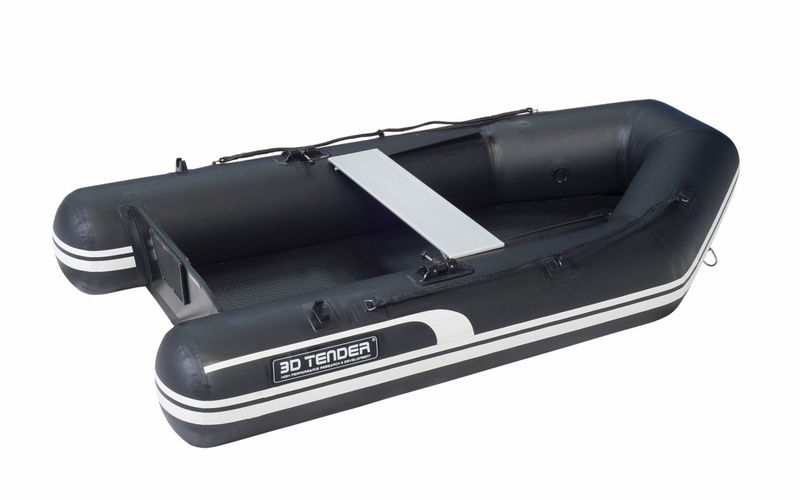

Images have been gathered from various sources and belong to their respective owners.
Review - 3D Tender Superlight Twin Air 250

MarineBroker
01/09/2024, 6:39 AM
2014 3D Tender Superlight Twin Air 250 Review: What Owners Should Know Before Buying or Using One
If you’re looking into the 2014 3D Tender Superlight Twin Air 250, chances are you’re trying to figure out whether this compact inflatable boat still makes sense today. Maybe you’ve found one second-hand, maybe you already own it, or maybe you’re comparing it with other lightweight tenders and wondering if it can really handle the kind of trips you have in mind.
That’s a fair question. Small inflatable boats can be incredibly practical, but only if they match your needs. The problem many people run into is not the boat itself — it’s buying or using a tender without fully understanding its strengths, limitations, and best setup. A boat like the 2014 3D Tender Superlight Twin Air 250 can be a great solution for easy transport, quick launches, and simple coastal use, but it works best when you know how to rig it, maintain it, and operate it within its limits.
In this guide, we’ll break down what makes this model useful, what to check before buying, and how to get the most from it without overcomplicating things.
- What Makes the 2014 3D Tender Superlight Twin Air 250 Worth Considering?
The 2014 3D Tender Superlight Twin Air 250 is a compact inflatable tender designed for portability and convenience. Boats in this category are usually chosen by people who want an easy-to-handle small craft for short trips, dinghy duty, fishing in calm water, or getting between shore and a larger vessel.
The main appeal is simple: it’s lightweight, easy to store, and quick to deploy. For many boaters, that matters more than raw speed or heavy-load capability.
A boat like this is often a smart choice if you want:
- A tender that can be lifted and moved without a trailer
- A compact boat for calm water use
- A simple setup for marina runs or shore access
- A small inflatable that doesn’t take up much storage space
That said, it’s important to remember that a 2.5-meter inflatable tender is not a do-everything boat. The key is matching the boat to the job.
- The Most Common Problem: Buying a Small Inflatable Without Matching It to Real Use
A lot of people get excited about the size and convenience of a boat like the 2014 3D Tender Superlight Twin Air 250, then discover later that they expected too much from it.
This usually shows up in one of these ways:
- The boat is used in water that’s too rough
- The motor is too heavy or too powerful
- There’s not enough room for passengers, fuel, or gear
- The owner expects it to behave like a rigid hull boat
- The boat is stored poorly, which shortens its life
In other words, the problem is usually not the model itself. It’s the mismatch between expectations and actual use.
If you’re shopping for one, or already own one, the best solution is to focus on practical use cases, proper setup, and realistic performance expectations.
- Best Uses for the 2014 3D Tender Superlight Twin Air 250
This boat shines when used in the right environment. Think of it as a lightweight utility tender rather than a mini cruiser.
Good use cases include:
- Harbor and marina transfers
- Short trips in sheltered waters
- As a ship’s tender for a yacht or sailboat
- Calm-water fishing
- Light-duty transport of one or two people
It’s especially useful when you need something that can be launched quickly and packed away just as fast.
For example, if you’re anchored offshore and only need to run ashore for supplies, a lightweight inflatable tender can save a lot of hassle. You don’t need a big boat for that — you need a dependable one that starts quickly, handles simply, and doesn’t eat up storage space.
- What to Check Before Buying a Used 2014 3D Tender Superlight Twin Air 250
If you’re considering a used one, inspection matters more than almost anything else. Inflatable boats can look fine at a glance while hiding age-related wear.
Here’s what to look for:
- Tubes and seams
Check for patches, cracking, soft spots, or signs of UV damage. Seams should be clean and even, with no lifting or bubbling.
- Air retention
Inflate the boat and leave it for a while. If it loses pressure noticeably, there may be a leak or valve issue.
- Floor condition
Inspect the floor for flex, delamination, or water damage if it has a rigid insert or inflatable floor system.
- Valves
Make sure valves open and close properly and don’t leak around the base.
- Transom
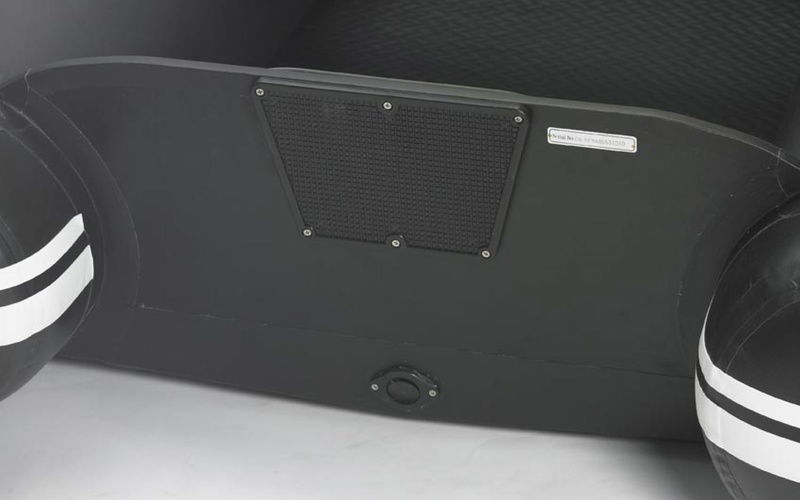
The transom should be solid, with no movement, rot, or separation if it’s a rigid-backed design.
- Previous repairs
Small repairs aren’t always a dealbreaker, but multiple patches can be a sign the boat has had a hard life.
- Accessories
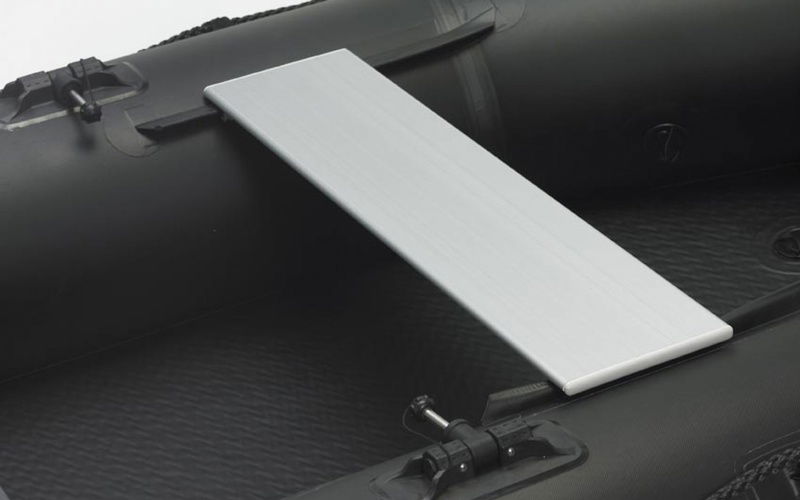
Check whether the pump, oars, seat, bag, and repair kit are included. Missing accessories can add cost later.
A used tender can be a good buy, but only if the hull and tubes are still in healthy shape.
- How to Set Up the 2014 3D Tender Superlight Twin Air 250 for Better Performance
A lot of performance issues with small inflatables come from poor setup rather than the boat’s design.
To get the most out of a tender like this:
- Inflate to the recommended pressure
- Balance weight evenly
- Keep gear low and centered
- Avoid overloading the stern
- Use a motor that matches the boat’s rating
- Trim carefully when under power
Small boats are sensitive to load placement. If one person sits too far back, the bow may ride high and the boat can feel unstable or inefficient. If gear is tossed randomly onboard, handling can get sloppy fast.
A simple setup usually works best:
1. Inflate the boat fully and evenly
2. Secure the floor or seat system properly
3. Mount the motor within the recommended range
4. Place the heaviest person or item near the center
5. Keep essential gear minimal and organized
That little bit of attention can make a big difference in comfort and control.
- Choosing the Right Motor for a Small Inflatable Tender
One of the biggest mistakes with compact tenders is overpowering them. More horsepower does not always mean better results.
For a small boat like the 2014 3D Tender Superlight Twin Air 250, the right motor should be:
- Light enough for the transom
- Within the manufacturer’s rating
- Easy to handle and start
- Suitable for short-range use
A small outboard in the correct range is usually enough. In many cases, a lightweight 2.5 to 6 hp motor is more practical than something larger, depending on the boat’s official rating and intended load.
Why this matters:
- Too much power can make the boat harder to control
- A heavy engine can affect trim and stability
- Extra weight makes launching and lifting more difficult
If you’re using the boat as a tender, practicality usually beats speed.
- Safety Tips for Everyday Use
Small inflatables are easy to underestimate because they look simple. But safety still matters, especially if you’re using the boat around harbors, in changing weather, or with passengers.
A few smart habits go a long way:
- Wear a life jacket
- Carry a pump and repair kit
- Keep a paddle or oar onboard
- Check weather and tide before launch
- Avoid rough water and strong wind
- Don’t overload the boat
- Keep a phone or marine radio in a dry pouch
Even a calm day can turn awkward if you’re underpowered, overloaded, or drifting in current. A lightweight tender should be used with the same respect as any other small boat.
- Maintenance Tips to Keep the Boat in Good Shape
If you want an inflatable boat to last, maintenance is everything. The good news is that the 2014 3D Tender Superlight Twin Air 250 is relatively simple to care for if you stay consistent.
Basic maintenance habits:
- Rinse with fresh water after saltwater use
- Dry the boat before storage
- Avoid long-term exposure to direct sun
- Store it loosely folded if possible
- Check valves and seams regularly
- Keep fuel and oil off the tubes
- Inspect for abrasions after beaching or docking
UV damage is one of the most common causes of aging in inflatable boats. If the boat sits outside all the time, the material may become brittle faster than expected. A cover or shaded storage spot can help a lot.
Also, don’t forget the small stuff:
- Clean sand out of the floor area
- Check fastening points and handles
- Look for wear where the boat rubs against docks or davits
These small checks prevent bigger problems later.
- When the 2014 3D Tender Superlight Twin Air 250 Is Not the Right Choice
This boat is useful, but it’s not ideal for every boater. Knowing when not to choose it is just as important as knowing when to use it.
It may not be the best option if you need:
- Regular offshore use
- More space for several adults and gear
- High-speed performance
- Long-distance cruising
- A boat that handles rough chop comfortably
If your main goal is open-water comfort or carrying a lot of weight, you may want a larger inflatable or a rigid tender. The 2014 3D Tender Superlight Twin Air 250 is best treated as a compact utility boat, not a heavy-duty all-rounder.
- Practical Buying Advice for People Comparing Similar Models
If you’re comparing this model with other small inflatables, focus on real-world factors instead of just the spec sheet.
Compare:
- Weight
- Packed size
- Tube diameter
- Floor type
- Transom strength
- Maximum load
- Ease of inflation
- Storage convenience
- Availability of parts and accessories
A boat that is slightly slower but easier to carry and store may actually be the better choice for your routine. That’s especially true if you’re lifting it by hand, using it as a dinghy, or packing it into a small car or storage locker.
Also consider how often you’ll use it. If it’s only for occasional marina runs, convenience may matter more than speed or luxury features.
- Who This Boat Fits Best
The 2014 3D Tender Superlight Twin Air 250 tends to suit boaters who value simplicity.
It’s a strong match for:
- Sailboat owners needing a compact tender
- Weekend boaters with limited storage
- People who launch from shore or a dock
- Users who want a lightweight, easy-to-handle inflatable
- Boaters who prefer short, practical trips over long outings
If that sounds like your situation, this type of boat can be a very sensible fit.
- Final Checklist Before You Use One
Before heading out, run through a quick checklist:
- Boat fully inflated
- Valves sealed
- Motor secured properly
- Fuel checked
- Safety gear onboard
- Load balanced
- Weather acceptable
- Repair kit and pump packed
This takes only a few minutes and can prevent most common problems.
- Conclusion
The 2014 3D Tender Superlight Twin Air 250 is best understood as a practical, lightweight inflatable tender that works well when used for the right kind of boating. Its biggest strengths are portability, easy storage, and simple everyday use, especially in sheltered water and short-run situations.
The main thing to remember is that small inflatable boats perform best when they’re not overloaded, overpowered, or pushed beyond their intended conditions. With the right motor, balanced setup, and regular maintenance, this model can remain a very useful part of your boating routine. If you’re comparing options or already own one, focus on condition, fit for purpose, and safe operation. That’s where the real value is.
Specifications
General
Boat Type: Power Boats
Class Type: Rigid Inflatable Boats
Specifications
Length: 8.2
Beam: 4.43
Draft: 0.98
Hull Material: Unknown
Build
First Built: 2014
Propulsion
Fuel Type: Unleaded
Engines: 1
Power: 6 HP
Brand: Unknown
Accomodation
Berths: 1
Cabins: 1
Bathrooms: 1
PROS & CONS
What we appreciated
 Lightweight construction for easy transport and handlingTwin air chambers provide enhanced safety and stabilityDurable materials suitable for various water conditionsCompact size ideal for tender use or short tripsRelatively low maintenance compared to hard-hull boats
What we didn’t appreciate
 Limited seating and storage capacityNot suitable for rough or open sea conditionsAir chambers require regular inspection and inflationLess speed and performance compared to rigid boatsCan be more susceptible to punctures or damage
Upkeep Costs
Fuel: Approximately $15-$25 per hour depending on engine usage and fuel prices
Maintenance: Around $500-$1,000 annually for routine servicing and repairs
Insurance: Typically $300-$600 per year depending on coverage and location
Storage: Varies widely; marina slip or storage fees can range from $500 to $2,000 annually
Registration and Taxes: Approximately $50-$200 per year depending on state regulations

Rating
4.7
User
Score
Score
Driveability
Technology
Interior
Design
Similar Boats


MarineBroker
Download now for an immersive boat experience like never before! ⛵✨ Your journey begins with a simple click. 🌊📲
#SetSailSmart #DownloadNow
#SetSailSmart #DownloadNow

Subscribe
Copyright 2017 - 2026, Marinebroker.net, All Rights Reserved