Boat Type: Power Boats
Boat Class: Rigid Inflatable Boats
Length: 6.56 ft
Berths: 1
Cabins: 1
Bathrooms: 1
Max Persons: 2
Boat Database » 3D Tender Superlight Twin Air 200
3D Tender Superlight Twin Air 200
Outboard four-stroke, Unleaded, 1x 4 HP
Power Boats 2014 3D Tender Superlight Twin Air 200: How to Choose, Use, and Maintain This Lightweight Tender
If you’re looking into the 2014 3D Tender Superlight Twin Air 200, chances are you already know the appeal of a compact inflatable t...
Discover

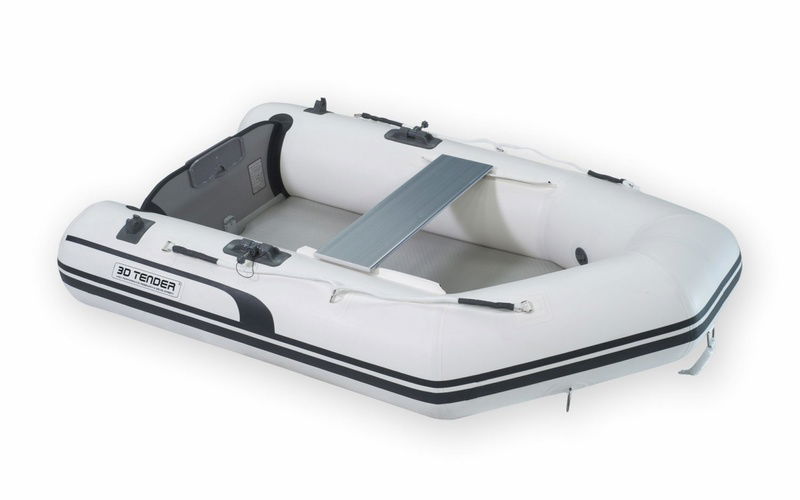

Images have been gathered from various sources and belong to their respective owners.
Review - 3D Tender Superlight Twin Air 200

MarineBroker
01/09/2024, 3:31 AM
2014 3D Tender Superlight Twin Air 200: How to Choose, Use, and Maintain This Lightweight Tender
If you’re looking into the 2014 3D Tender Superlight Twin Air 200, chances are you already know the appeal of a compact inflatable tender: easy to carry, simple to store, and quick to launch when you need it. But a lot of boaters run into the same problem with small tenders—finding the right balance between portability, stability, and real-world usability.
A boat in this size range can seem perfect on paper, yet the details matter more than most people expect. Is it light enough to handle alone? Does it work well as a dinghy for a sailboat or motor yacht? Can it actually carry gear, a couple of people, and still feel stable? These are the questions that make or break the experience.
The good news is that the 2014 3D Tender Superlight Twin Air 200 sits in a category designed to solve exactly those frustrations. In this article, we’ll break down what makes a lightweight tender useful, what to check before buying or using one, and how to get the most out of a small inflatable boat without making life harder than it needs to be.
- What Makes the 2014 3D Tender Superlight Twin Air 200 Stand Out?
The 2014 3D Tender Superlight Twin Air 200 is part of the growing class of ultra-light inflatable tenders built for convenience. At around 2 meters in length, it’s small enough to handle easily, but still big enough to serve as a practical tender for short trips to shore, harbor runs, or general boat-to-dock transport.
What makes boats like this attractive is the combination of:
- low weight
- compact storage
- quick setup
- easy lifting and towing
- simple maintenance compared with rigid dinghies
For many boat owners, the main problem is not finding a tender at all. It’s finding one that doesn’t become a burden every time it needs to be launched, lifted, or packed away. A lightweight inflatable like this helps reduce that friction.
If you’re using a yacht, sailboat, or small cruiser, a tender should make your boating life easier, not more complicated. That’s where the Superlight concept earns its value.
- The Real Problem: Small Tender, Big Expectations
A lot of people shopping for a compact inflatable boat expect it to do everything. They want it to be light, stable, roomy, durable, and fast. The challenge is that at 2 meters, you’re always working within limits.
The most common issues boaters face with tenders in this category include:
- too much weight to lift solo
- awkward storage on deck or in a garage
- poor stability when boarding
- weak performance with an underpowered outboard
- wear and tear from frequent inflation and deflation
- limited space for passengers and gear
The 2014 3D Tender Superlight Twin Air 200 is best understood as a solution to the “I need something small and manageable” problem, not the “I want a full-size dinghy in a tiny package” problem.
That mindset matters. Once you match the boat to the right use case, it becomes far more satisfying and practical.
- Who This Kind of Tender Is Best For
This type of inflatable tender is especially useful for boaters who value simplicity.
It tends to work well for:
- sailboat owners needing a lightweight dinghy
- motorboat owners with limited storage
- solo boaters who need something easy to launch
- weekend cruisers who want a no-fuss shore transport option
- owners who prioritize portability over load capacity
The 2014 3D Tender Superlight Twin Air 200 is less about luxury and more about convenience. If your trips are short and your needs are modest, that can be a very smart tradeoff.
For example, if you mainly use a tender to:
- get from anchor to dock
- carry one or two people
- transport a small bag, fuel can, or shopping items
- move around a marina or sheltered bay
then a compact inflatable can be a very practical choice.
- Key Things to Check Before Buying or Using One
Even if a boat looks good, small details can affect your experience a lot. Before you rely on a tender like the 2014 3D Tender Superlight Twin Air 200, it’s worth checking a few basics.
- Weight and portability
The whole point of a superlight tender is easy handling. Make sure you can:
- lift it comfortably
- store it where you need to
- move it without strain
- launch it without extra help
If you’ll be carrying it frequently, weight matters more than almost anything else.
- Floor and tube condition
Inflatable boats age in predictable ways. Look for:
- slow leaks
- worn seams
- valve issues
- UV damage
- patch history
- soft spots in the floor or tubes
A well-kept inflatable can last a long time, but neglect shows up quickly.
- Capacity and load planning
Even if a tender can physically fit two or three people, that doesn’t mean it will feel comfortable or safe with a full load.
Always think in terms of:
- people weight
- fuel
- gear
- water conditions
- engine weight, if applicable
A small tender performs best when it’s not overloaded.
- Compatibility with your boat
The tender should fit your storage and handling setup. Ask:
- Will it fit on deck?
- Can it be davit-lifted?
- Can it be towed safely?
- Do you have room for inflation and deflation?
A great dinghy that doesn’t fit your boat routine is still a problem.
- How to Get Better Performance from a Small Inflatable Tender
A lot of owners are disappointed by small tenders because they expect too much from them. The solution is usually not a different boat—it’s better setup and smarter use.
- Keep it properly inflated
Underinflation is one of the biggest reasons inflatable boats feel unstable or sluggish. A properly inflated tender:
- tracks better
- feels firmer underfoot
- planes more efficiently if powered
- handles passengers more confidently
Check pressure before each use, especially when temperatures change.
- Distribute weight evenly
On a small boat, trim matters a lot. Try to:
- keep passengers centered
- avoid piling gear all at one end
- balance fuel and batteries if applicable
- sit low and stable when boarding
Even a small shift in weight can change how the boat handles.
- Use the right engine size
If you’re powering a tender, the engine should match the boat’s intended use. Too much power can be unsafe or inefficient. Too little can leave you frustrated.
For a boat like the 2014 3D Tender Superlight Twin Air 200, the goal is usually modest, practical propulsion rather than speed records.
- Don’t overload the tube area
People often sit or store things wherever space is available, but inflatable tubes aren’t a substitute for a proper deck layout. Keep the load low and centered whenever possible.
- Maintenance Tips That Extend the Life of a Tender
One of the biggest advantages of a lightweight inflatable is that maintenance is relatively simple. Still, small boats need regular care if you want them to last.
- Rinse after saltwater use
Salt builds up quickly and can damage valves, fittings, and fabric over time. After each outing:
- rinse with fresh water
- let the boat dry fully
- wipe down fittings and seams
- inspect for sand or debris
This simple habit can significantly extend the life of the boat.
- Store it dry and out of direct sun
UV exposure is one of the biggest enemies of inflatables. If possible:
- store indoors
- use a cover
- keep it out of harsh sunlight
- avoid long-term damp storage
Mildew and UV damage are both easier to prevent than repair.
- Check seams and valves regularly
Before the season starts, and again during heavy use periods, inspect:
- inflation valves
- seam lines
- floor attachments
- transom areas
- any patches or repairs
Catching a small issue early can save a trip from turning into a headache.
- Clean with mild products only
Harsh cleaners can damage inflatable fabric. Use:
- mild soap
- soft cloths or sponges
- fresh water
- manufacturer-approved products when possible
Avoid abrasive brushes or strong solvents.
- Practical Uses for the 2014 3D Tender Superlight Twin Air 200
This kind of tender shines when used for simple, everyday boating tasks.
Common practical uses include:
- ferrying people from anchor to shore
- short marina runs
- emergency backup transport
- transporting light supplies
- exploring sheltered coves
- use as a compact yacht dinghy
Because it’s light and compact, it can be especially useful for boats that don’t have room for a larger rigid tender.
It’s also a good fit for boaters who launch and recover often. If you’re constantly moving the tender in and out of storage, lighter weight is not just a convenience—it’s a major quality-of-life improvement.
- When a Small Tender Is the Wrong Choice
Not every boater needs a superlight inflatable. In fact, some people are better off with a larger or more rugged option.
You may want a different setup if you:
- carry multiple adults regularly
- need long-distance transport
- use rough open-water routes
- want to plane quickly with a larger engine
- need more cargo capacity
- prefer a more rigid feel underfoot
The 2014 3D Tender Superlight Twin Air 200 is best when the mission is short, simple, and lightweight. If your expectations go beyond that, it may feel cramped or limited.
That’s not a flaw. It’s just a matter of choosing the right tool.
- Buying Used: What to Look For in a 2014 Model
If you’re considering a used 2014 inflatable tender, inspection matters a lot. Age alone doesn’t tell the full story. A well-cared-for boat can be in great shape, while a neglected one may need costly repairs.
Look closely at:
- tube flexibility and surface condition
- air retention overnight
- patch quality
- transom stiffness
- floor integrity
- valve operation
- signs of past abrasion from davits or towing
Ask the seller how it was stored. Boats kept covered and out of the sun usually age much better than those left exposed.
If possible, inflate it fully and leave it for a while. Even a small pressure drop can reveal hidden issues.
- Simple Setup Tips for Easier Use
A small tender should be easy to deploy, but a few habits make it even smoother.
- Pre-pack your essentials
Keep a small kit ready with:
- pump
- repair patch
- valve tools
- rope
- life jackets
- basic cleaning cloth
Having everything together saves time and frustration.
- Mark your inflation pressure
If the boat has recommended pressure levels, keep a note of them in your gear bag or phone. It’s easy to forget, and correct pressure makes a big difference.
- Practice launching and recovery
The first few times, work out the easiest way to:
- carry it
- inflate it
- board safely
- stow it again
Once you create a routine, the tender becomes much more useful.
- Safety First, Even with a Small Tender
Because small inflatables feel casual, it’s easy to get relaxed about safety. But even short trips deserve basic precautions.
Always consider:
- wearing life jackets
- checking weather and wind
- avoiding overload
- keeping a paddle onboard
- carrying a phone or radio in a waterproof case
- staying aware of changing tides and wakes
A compact tender can be very safe when used sensibly. The key is not to treat it like a toy.
- Why the Right Tender Solves More Than One Problem
The best part about a boat like the 2014 3D Tender Superlight Twin Air 200 is that it solves several problems at once.
It can:
- reduce lifting strain
- simplify storage
- speed up launch and recovery
- make short trips easier
- give you a practical shore transport option without taking up much room
For many boaters, that combination is exactly what they need. Not every tender has to be big. Sometimes the smartest solution is the one that stays out of your way until you need it.
- Final Thoughts on Choosing and Using a Lightweight Tender
The 2014 3D Tender Superlight Twin Air 200 is a good example of how a small inflatable can be genuinely useful when matched to the right boating needs. If your main challenge is portability, storage, and easy everyday handling, a lightweight tender can be a very practical answer.
The key is to set realistic expectations, keep up with basic maintenance, and use the boat within its intended limits. Do that, and a compact tender can become one of the most convenient pieces of gear you own.
If you’re still comparing options, it’s worth learning more about inflatable tender sizing, load capacity, and storage setups before making a decision. A little research now can save a lot of hassle later.
Specifications
General
Boat Type: Power Boats
Class Type: Rigid Inflatable Boats
Specifications
Length: 6.56
Beam: 4.3
Draft: 0.98
Hull Material: Unknown
Build
First Built: 2014
Propulsion
Fuel Type: Unleaded
Engines: 1
Power: 4 HP
Brand: Unknown
Accomodation
Berths: 1
Cabins: 1
Bathrooms: 1
PROS & CONS
What we appreciated
 Lightweight design for easy transport and handlingDurable Hypalon material resistant to UV rays and abrasionsTwin Air chambers provide enhanced safety and stabilityCompact size ideal for use as a tender or for short tripsQuick inflation and deflation for convenience
What we didn’t appreciate
 Limited seating capacity suitable mainly for small groupsNot designed for heavy-duty or open sea useMinimal storage space onboardBasic features with limited luxury or comfort optionsOlder model, may lack some modern advancements in inflatable boats
Upkeep Costs
Fuel: Approximately $1,200 - $2,000 per year depending on usage
Maintenance and Repairs: Around $500 - $1,000 annually
Insurance: Typically $300 - $600 per year
Storage: $500 - $1,200 per year depending on location and type
Registration and Licensing: $50 - $150 per year

Rating
4.5
User
Score
Score
Driveability
Technology
Interior
Design
Similar Boats


MarineBroker
Download now for an immersive boat experience like never before! ⛵✨ Your journey begins with a simple click. 🌊📲
#SetSailSmart #DownloadNow
#SetSailSmart #DownloadNow

Subscribe
Copyright 2017 - 2026, Marinebroker.net, All Rights Reserved