Boat Database » AB Inflatables Alumina 9.5 ALX
AB Inflatables Alumina 9.5 ALX
Outboard four-stroke, Unleaded, 1x 20 HP
Power Boats 2013 AB Inflatables Alumina 9.5 ALX: What Owners Should Know Before Buying, Using, or Upgrading
If you’re looking into the 2013 AB Inflatables Alumina 9.5 ALX, you’re probably not just browsing for fun. Most people searching this...
Discover
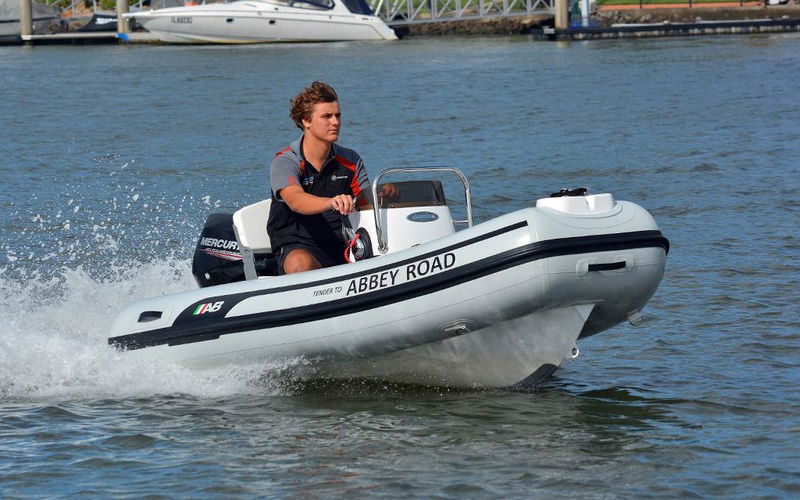


Images have been gathered from various sources and belong to their respective owners.
Review - AB Inflatables Alumina 9.5 ALX

MarineBroker
01/14/2024, 5:29 AM
2013 AB Inflatables Alumina 9.5 ALX: What Owners Should Know Before Buying, Using, or Upgrading
If you’re looking into the 2013 AB Inflatables Alumina 9.5 ALX, you’re probably not just browsing for fun. Most people searching this model are trying to answer a practical question: is this the right small tender or inflatable for real-world use, and what should they watch out for before making a decision?
That’s a smart question. Boats like the 2013 AB Inflatables Alumina 9.5 ALX are often bought for a specific job—docking runs, yacht tender duty, short trips to shore, or easy family transport. But with any used inflatable, the challenge is figuring out whether the boat is still in good shape, whether the aluminum hull has been maintained properly, and whether the tubes, seams, and fittings are ready for dependable use.
The good news is that with the right inspection and a few practical checks, it’s possible to separate a solid boat from one that will turn into a headache. In this article, we’ll walk through the most important things to know about the 2013 AB Inflatables Alumina 9.5 ALX, the common issues buyers and owners should look for, and how to evaluate whether it’s a smart choice for your needs.
- What Makes the 2013 AB Inflatables Alumina 9.5 ALX Stand Out
The 2013 AB Inflatables Alumina 9.5 ALX sits in a popular category: a compact aluminum-hull RIB, or rigid inflatable boat. That combination matters because it gives you a mix of stability, durability, and light weight that many owners appreciate for tender use or small-boat recreation.
AB Inflatables has built a reputation for practical, well-designed tenders, and the Alumina line is known for pairing inflatable tubes with a rigid aluminum bottom. For many buyers, that means easier handling, better performance than a soft-bottom inflatable, and a boat that can take more day-to-day abuse than a fiberglass hull in some situations.
At 9.5 feet, this model is small enough to be manageable but large enough to feel useful. It’s often considered a good fit for:
- Yacht tender duty
- Short harbor trips
- Dock-to-shore transport
- Light recreational use
- Backup utility boating
The key thing to understand is that this boat is designed for function first. It’s not usually about luxury. It’s about getting from point A to point B safely, efficiently, and with less hassle than a larger boat might involve.
- Why People Search for the 2013 AB Inflatables Alumina 9.5 ALX
Most people looking up this specific model are usually in one of three situations.
They’re either:
- Buying a used boat and want to know what to inspect
- Already own one and are troubleshooting issues
- Comparing it with other tenders or small inflatables
That means the real problem isn’t just “what is this boat?” It’s more like:
- Is it still seaworthy?
- What parts wear out first?
- How do I know if the aluminum hull or inflatable tubes have hidden damage?
- Is it worth repairing, or should I move on to another boat?
Those are the right questions to ask. A used inflatable can look fine at first glance and still have issues that affect performance, safety, or long-term value.
- Common Issues to Watch for in a Used 2013 AB Inflatables Alumina 9.5 ALX
Like any boat that’s more than a decade old, the 2013 AB Inflatables Alumina 9.5 ALX should be inspected carefully. The biggest issues usually come from normal wear, storage conditions, and how often the boat was used.
Here are the main areas to check.
- Tube wear and air retention
The inflatable tubes are one of the most important parts of the boat. Over time, tubes can develop slow leaks, seam separation, or fabric wear from rubbing against docks, trailers, or rough surfaces.
Check for:
- Soft spots or inconsistent inflation
- Patches that may indicate past damage
- Cracking, fading, or stiffness in the material
- Air loss after the boat sits unused for a day or two
A small leak may be repairable, but multiple problem areas can mean bigger maintenance costs.
- Hull corrosion or damage
The aluminum hull is one of the big advantages of this model, but aluminum still needs care. Saltwater use, poor rinsing, and galvanic corrosion can create problems over time.
Look for:
- White powdery corrosion
- Pitting on the hull surface
- Dents from grounding or trailering
- Loose hardware around the hull
A little cosmetic wear is normal. Deep corrosion or structural damage is not something to ignore.
- Transom condition
The transom takes a lot of stress, especially if the boat has been used with an outboard that was too heavy or poorly mounted.
Inspect the transom for:
- Flexing when pressure is applied
- Cracks around mounting points
- Water intrusion
- Loose hardware or signs of repair
If the transom feels soft or unstable, that’s a serious red flag.
- Seams and glue joints
Even well-made inflatables can develop seam problems over time. Heat, UV exposure, and age can weaken adhesives.
Check:
- Tube seams for bubbling or separation
- Glue lines near fittings and handles
- Signs of prior patching
If multiple seams are failing, repairs can become more complicated than they’re worth.
- Floor and hardware condition
Depending on the exact setup, the floor and hardware should feel solid and secure. Loose fittings, damaged valves, or worn lifting points can make the boat less safe and less convenient to use.
- How to Inspect the 2013 AB Inflatables Alumina 9.5 ALX Before Buying
If you’re shopping for a used 2013 AB Inflatables Alumina 9.5 ALX, don’t rely on photos alone. A boat that looks clean online can still have hidden problems.
Use this checklist.
- Inflate and wait
Fully inflate the tubes and let the boat sit for several hours if possible.
Watch for:
- Pressure loss
- Uneven tube firmness
- Bulges or strange shapes
A boat that holds air well is a much better sign than one that needs constant topping off.
- Check the hull from bow to stern
Look underneath and along the edges for:
- Scrapes
- Dents
- Corrosion
- Evidence of previous repairs
If the boat has been beached often, some wear is expected. The question is whether the damage is superficial or structural.
- Test all fittings and accessories
Grab handles, oar locks, cleats, fuel fittings, and any mounting hardware. They should feel secure.
Loose hardware may seem minor, but it can signal long-term neglect.
- Ask about storage history
A boat stored indoors and rinsed after saltwater use will usually age better than one left outside in the sun year-round.
Good questions to ask:
- Was it stored covered?
- Was it used in salt or fresh water?
- How often was it trailered?
- Has it had tube repairs?
These answers often tell you more than the asking price does.
- Review the engine setup
Since this is often used with a small outboard, make sure the motor is appropriate for the boat and that the transom shows no signs of stress.
A mismatched engine can create handling problems and shorten the life of the boat.
- Practical Maintenance Tips for Owners
If you already own the 2013 AB Inflatables Alumina 9.5 ALX, a little routine care can make a big difference. Small inflatables and aluminum-hull boats tend to last longer when they’re cleaned, stored, and used properly.
- Rinse after every saltwater trip
Salt is one of the biggest enemies of both aluminum and hardware. A simple freshwater rinse helps reduce corrosion and buildup.
Pay attention to:
- Hull underside
- Valves
- Cleats and fasteners
- Motor mounting area
- Keep the tubes out of harsh sun
UV exposure ages inflatable fabric over time. If possible, store the boat under cover or use a fitted cover when not in use.
- Avoid overinflation
Inflatable tubes should be firm, but overinflation in hot weather can stress seams and valves. Check pressure regularly, especially when temperatures change.
- Inspect for leaks early
A small leak is easier to fix than a major one. If the boat feels different from one day to the next, investigate right away.
- Protect the hull during beaching and docking
Even though aluminum is durable, repeated hard contact with rocks, concrete, or rough docks will eventually show up as wear.
Using a simple roller, beaching aid, or careful docking technique can extend the life of the hull.
- Best Uses for the 2013 AB Inflatables Alumina 9.5 ALX
This model works best when matched to realistic expectations. It’s not meant to do everything, but it does a few things very well.
It’s a strong fit for:
- Short-distance transport
- Tender service
- Light cargo runs
- Quick harbor trips
- Minimalist family outings
It may not be ideal if you need:
- Large passenger capacity
- Extended offshore cruising
- Heavy gear hauling
- High-speed performance with a large engine
Knowing what the boat is designed for helps avoid disappointment. A small RIB like this is most valuable when it’s used within its intended limits.
- Repair or Replace: How to Decide
One of the biggest questions buyers and owners face is whether a problem is worth fixing.
A good rule of thumb:
- Minor tube leaks, valve issues, and small hardware repairs are often worth addressing
- Moderate cosmetic wear is usually manageable
- Structural transom damage, heavy corrosion, or widespread seam failure can be expensive and time-consuming
If repair costs start approaching the value of the boat, replacement may make more sense.
Consider:
- Age of the boat
- Overall condition
- Engine compatibility
- Availability of replacement parts
- How often you plan to use it
If the boat only needs light work and still fits your needs, it can still be a very practical buy.
- What Makes This Model Worth Considering
The reason people still look for the 2013 AB Inflatables Alumina 9.5 ALX is simple: it offers a useful balance of portability, strength, and performance for its size.
For the right owner, the appeal is in the simplicity. It’s easier to launch, easier to store, and easier to manage than many larger boats. And when maintained properly, an aluminum-hull inflatable can provide years of dependable service.
It’s especially attractive if you want:
- A compact tender that’s easy to handle
- A boat that can take regular use
- A setup that’s lighter than many rigid boats
- A practical solution for short trips and dock work
The key is buying one in good condition and keeping up with maintenance.
- Smart Buying Tips for This Model
If you’re still in the market, keep these tips in mind.
- Don’t focus only on appearance
A clean boat can still have hidden leaks or corrosion.
- Prioritize hull and transom condition
These are the most important structural parts.
- Ask for service and repair history
Maintenance records are worth more than a polished listing.
- Compare with similar models
Look at other aluminum-hull RIBs in the same size range to understand value.
- Be realistic about total cost
Include repairs, motor service, trailer needs, and storage.
A good deal is one that still makes sense after the first season of ownership.
- Conclusion
The 2013 AB Inflatables Alumina 9.5 ALX can be a smart choice for buyers who want a compact, practical inflatable with a rigid aluminum hull. The main challenge is making sure the boat is still in solid condition, especially around the tubes, seams, transom, and hull. With a careful inspection and a realistic view of its intended use, it’s possible to avoid costly surprises and get a boat that still performs well.
If you’re evaluating one now, take your time, inspect thoroughly, and focus on the details that affect safety and longevity. A little caution upfront can save a lot of frustration later. For anyone comparing small tenders or used inflatables, learning how to spot wear early is one of the best investments you can make.
Specifications
General
Boat Type: Power Boats
Class Type: Rigid Inflatable Boats
Specifications
Length: 9.51
Beam: 5.51
Draft: 1.31
Hull Material: Aluminium
Build
First Built: 2013
Propulsion
Fuel Type: Unleaded
Engines: 1
Power: 20 HP
Brand: Unknown
Accomodation
PROS & CONS
What we appreciated
 Lightweight and easy to transport due to inflatable designDurable aluminum hull provides excellent rigidity and durabilityGood stability and performance in various water conditionsSpacious interior for its size, suitable for multiple passengersLow maintenance compared to traditional boats
What we didn’t appreciate
 Higher price point compared to some other inflatablesLimited storage space due to compact sizeRequires regular inflation and deflation for transport and storageAluminum hull may be prone to dents or scratchesNot ideal for long offshore trips due to size and design
Upkeep Costs
Fuel: Approximately $1,200 - $2,000 per year depending on usage
Maintenance: Around $500 - $1,000 per year for engine servicing and hull care
Insurance: Typically $300 - $600 annually
Storage: $500 - $1,200 per year depending on location and type
Registration and Licensing: About $50 - $150 per year

Rating
6.5
User
Score
Score
Driveability
Technology
Interior
Design
Similar Boats


MarineBroker
Download now for an immersive boat experience like never before! ⛵✨ Your journey begins with a simple click. 🌊📲
#SetSailSmart #DownloadNow
#SetSailSmart #DownloadNow

Subscribe
Copyright 2017 - 2026, Marinebroker.net, All Rights Reserved