Boat Database » AB Inflatables Oceanus 21 VST
AB Inflatables Oceanus 21 VST
Outboard four-stroke, Unleaded, 1x 225 HP
Power Boats 2017 AB Inflatables Oceanus 21 VST: What Owners Should Know Before Buying, Using, or Upgrading
If you’re looking at the 2017 AB Inflatables Oceanus 21 VST, you’re probably already drawn to the idea of a rigid inflatable boat that...
Discover


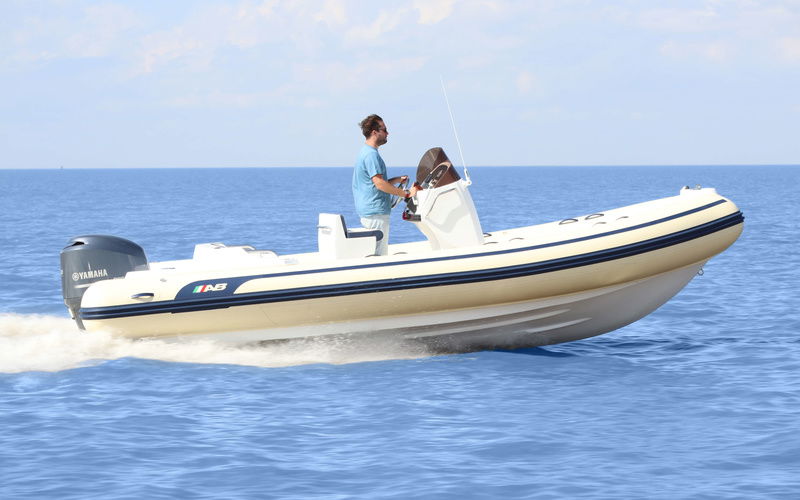
Images have been gathered from various sources and belong to their respective owners.
Review - AB Inflatables Oceanus 21 VST

MarineBroker
01/13/2024, 11:45 AM
2017 AB Inflatables Oceanus 21 VST: What Owners Should Know Before Buying, Using, or Upgrading
If you’re looking at the 2017 AB Inflatables Oceanus 21 VST, you’re probably already drawn to the idea of a rigid inflatable boat that feels stable, practical, and easy to handle. That makes sense. Boats in this size range are popular because they can do a little bit of everything: family cruising, towing, diving support, island hopping, and quick trips to the sandbar.
But there’s usually a real-world problem behind the search. Maybe you’re trying to figure out whether this model is the right fit for your needs. Maybe you’re comparing used listings and want to avoid overpaying. Or maybe you already own one and are wondering how to get the most out of it without running into common performance, maintenance, or setup issues.
That’s where a little context helps. The 2017 AB Inflatables Oceanus 21 VST is a capable boat, but like any RIB, its value depends on how well it matches your boating style, how it’s maintained, and whether you understand the setup details that affect comfort and performance. In this article, we’ll break down what makes this model appealing, what buyers often overlook, and how to solve the most common ownership headaches in a practical way.
- What Makes the 2017 AB Inflatables Oceanus 21 VST Stand Out
The Oceanus 21 VST sits in a sweet spot for boaters who want a compact but versatile inflatable with a solid hull. AB Inflatables has built a reputation for quality construction, and the Oceanus line is known for blending offshore capability with everyday usability.
At 21 feet, this model is big enough to feel stable in chop, but still manageable for trailering, docking, and storage. That balance is one of the main reasons people search for it specifically.
A few features typically attract attention:
- A rigid hull that improves handling compared with softer inflatables
- Tube design that adds buoyancy and stability
- A layout that supports family use and light-duty utility
- Good versatility for coastal cruising, diving, and tender duties
For many buyers, the appeal is not just the boat itself, but what it can replace. Instead of needing a larger center console or a more complicated vessel, the Oceanus 21 VST can serve as a practical all-rounder.
- The Main Problem Buyers Face with the 2017 AB Inflatables Oceanus 21 VST
The biggest issue people run into is not usually the boat’s basic design. It’s matching expectations to reality.
A used 2017 AB Inflatables Oceanus 21 VST may look simple at first glance, but buyers often underestimate a few important factors:
- How engine choice affects performance
- How tube condition changes long-term value
- How storage and trailering influence ownership costs
- How much maintenance a used RIB might need after years in the sun and saltwater
In other words, the problem is often “How do I know if this boat is actually the right solution for my needs?” That’s a fair question, especially when you’re shopping used.
The good news is that most of these concerns can be solved with a careful inspection, a realistic use-case check, and a simple maintenance plan.
- Who the Oceanus 21 VST Is Best For
This model tends to work best for boaters who want flexibility without moving into a much larger platform.
It is a strong match for:
- Families who want a stable day boat
- Boaters who need a reliable tender or support vessel
- Divers and snorkelers who need easy water access
- Coastal cruisers who prefer a lighter, simpler rig
- Owners who want a boat that can be trailered without too much hassle
It may be less ideal for someone expecting a full-size offshore cabin boat experience. The Oceanus 21 VST is versatile, but it’s still a 21-foot RIB. That means it shines when used for short-to-medium outings, nearshore trips, and practical day boating.
- Why Used Buyers Need to Pay Attention to Tube and Hull Condition
If you’re shopping for a 2017 AB Inflatables Oceanus 21 VST, condition matters more than the model year alone.
A boat with a clean hull but tired tubes may cost more to restore than it first appears. On the other hand, a boat with decent cosmetic wear but strong structural health may still be a smart buy.
Here’s what to check carefully:
- Tube material for fading, cracking, or patch history
- Seam integrity and signs of air loss
- Hull bottom for scratches, blisters, or impact damage
- Transom condition, especially around engine mounting points
- Console and seating hardware for corrosion or looseness
A lot of used RIB issues are visible if you know where to look. If the boat has been stored outdoors for years, UV damage is one of the biggest concerns. Salt exposure can also shorten the life of fittings, wiring, and fasteners.
A practical tip: always inspect the boat in daylight, and if possible, see it inflated and on the water. That gives you a much better sense of how the boat actually behaves.
- 2017 AB Inflatables Oceanus 21 VST Performance: What to Expect
Performance depends heavily on engine setup, load, and sea conditions, but the 21-foot Oceanus platform is generally designed for efficient, stable handling.
Owners usually want three things from this size boat:
- Predictable planing
- Good stability at rest
- Comfortable ride in moderate chop
That’s where the rigid hull and inflatable tubes help. The hull gives the boat structure and directional control, while the tubes improve buoyancy and soften contact with the water.
If the engine is properly matched, the boat should feel responsive without being overly twitchy. If it’s underpowered, you’ll notice sluggish acceleration and reduced confidence with passengers or gear onboard. If it’s overpowered or poorly rigged, fuel use and handling can become less efficient.
A useful rule of thumb is this: the right setup matters more than chasing top speed. For most owners, a balanced rig is more valuable than an aggressive one.
- Common Ownership Challenges and How to Solve Them
Owning a RIB like the Oceanus 21 VST is usually straightforward, but there are a few recurring headaches that can be avoided.
- 1. Tube Maintenance
The tubes are one of the most important parts of the boat, and they need regular attention.
To keep them in good shape:
- Rinse after saltwater use
- Use manufacturer-approved cleaners
- Avoid harsh chemicals and abrasive pads
- Store out of direct sun when possible
- Check pressure before each outing
If you notice slow air loss, don’t ignore it. Even a minor leak can affect performance and safety over time. Small repairs are often manageable if caught early.
- 2. Corrosion on Hardware
Saltwater and metal hardware do not always get along.
To reduce corrosion:
- Wash fittings after every trip
- Inspect bolts, cleats, and rail hardware regularly
- Replace corroded fasteners before they fail
- Use marine-grade products whenever possible
This is especially important on used boats, where previous maintenance may have been inconsistent.
- 3. Storage and Trailering Stress
One of the advantages of a 21-foot RIB is that it can be trailered, but that also means the boat sees more handling than a permanently docked vessel.
To protect it:
- Use proper trailer support
- Avoid dragging the tubes
- Make sure tie-downs are snug but not crushing the structure
- Check bunks and rollers for wear
Poor trailer setup can create expensive problems over time, especially around the hull and transom.
- 4. Engine Matching
A great hull with a poor engine match can still feel disappointing.
Before buying, confirm:
- Horsepower rating compatibility
- Engine service history
- Hours on the motor
- Fuel system condition
- Propeller condition and pitch
A clean engine history is often more valuable than a shiny cosmetic finish.
- How to Inspect a Used 2017 AB Inflatables Oceanus 21 VST
If you’re evaluating a used listing, a structured inspection can save you a lot of trouble.
Use this checklist:
- Inflate the tubes fully and look for soft spots
- Check all seams for signs of repair or separation
- Inspect the hull for damage underneath and along the keel
- Open storage compartments and look for moisture or mildew
- Test electronics, lights, and switches
- Check the steering system for smooth operation
- Review maintenance records if available
- Ask when the tubes were last serviced or treated
It also helps to ask the seller simple questions:
- How often was the boat used?
- Was it stored covered or uncovered?
- Has it lived in saltwater or freshwater?
- Were any patches or repairs completed?
- When was the last engine service?
The answers can tell you a lot about how the boat was treated.
- Best Uses for the Oceanus 21 VST
One reason this model stays popular is that it can fit a variety of boating lifestyles.
Here are some of the best uses:
- Family day trips
- Coastal sightseeing
- Beach runs and sandbar stops
- Scuba diving support
- Yacht tender duties
- Light fishing in calm to moderate conditions
Its layout and size make it easy to board, move around, and carry gear. That practical feel is part of the appeal. You’re not dealing with a huge footprint, but you still get a boat that can do real work.
If your boating life involves frequent short trips and a need for dependable handling, this model makes a lot of sense.
- What Makes This Model a Practical Solution
The practical solution for many buyers is not “find the newest boat possible.” It’s “find a boat that fits your actual use and can be maintained without stress.”
The 2017 AB Inflatables Oceanus 21 VST solves that problem for many people by offering:
- Manageable size
- Stable ride characteristics
- Flexible use cases
- Easier trailering than larger boats
- A strong balance between comfort and utility
That balance matters. A boat that is too big becomes harder to store and more expensive to run. A boat that is too small may not handle family gear, water toys, or rougher conditions well. The Oceanus 21 VST sits in a useful middle ground.
- Buying Tips That Can Save You Money
If you’re shopping for one, a little patience goes a long way.
Keep these tips in mind:
- Compare several listings before deciding
- Focus on condition, not just year
- Budget for servicing after purchase
- Factor in trailer condition if included
- Look for evidence of proper storage
Sometimes the cheapest boat on paper becomes the most expensive after repairs. A slightly higher-priced example with good records and clean tubes may actually be the better value.
Also, don’t forget transport and prep costs. Even a great deal can lose its appeal if the trailer, engine, or upholstery needs immediate work.
- Maintenance Habits That Help Preserve Value
If you already own the boat, a few habits will help keep it in better shape for longer.
Try this routine:
- Rinse thoroughly after each use
- Dry the boat before covering it
- Inspect tubes and fittings monthly
- Service the engine on schedule
- Keep records of all repairs and upgrades
- Store it in shade or under cover when possible
These steps are simple, but they make a big difference in resale value and reliability. Boats that are cared for consistently usually age much better than boats that are only fixed when something breaks.
- When the Oceanus 21 VST Is Not the Right Fit
This is worth saying plainly: not every boater needs a 21-foot RIB.
You may want something else if you:
- Need a cabin or overnight capability
- Plan to run long offshore trips often
- Want more enclosed storage and amenities
- Prefer a heavier boat with a different ride style
- Don’t want to deal with tube care
That doesn’t make the Oceanus 21 VST a bad boat. It just means it’s important to buy for your actual boating habits, not for the idea of boating in general.
- Final Thoughts on the 2017 AB Inflatables Oceanus 21 VST
The 2017 AB Inflatables Oceanus 21 VST is a smart option for boaters who want a stable, versatile, and manageable RIB. Its real value comes from how well it matches practical use: day cruising, family outings, tender duty, and light adventure boating.
The main challenge is making sure the boat is in solid condition and properly matched to your needs. If you inspect the tubes, hull, engine, and trailer carefully, you can avoid most of the common headaches that come with used inflatable boats.
In the end, the best solution is a simple one: buy with a clear use-case, inspect thoroughly, and maintain consistently. Do that, and this model can be a very capable and enjoyable boat for years to come. If you’re still comparing options, it’s worth learning more about RIB maintenance, engine matching, and used boat inspection before making your next move.
Specifications
General
Boat Type: Power Boats
Class Type: Rigid Inflatable Boats
Specifications
Length: 21.33
Beam: 8.86
Draft: 2.07
Hull Material: GRP
Build
First Built: 2017
Propulsion
Fuel Type: Unleaded
Engines: 1
Power: 225 HP
Brand: Unknown
Accomodation
PROS & CONS
What we appreciated
 High-quality construction with durable Hypalon tubesSpacious layout suitable for family and leisure activitiesGood stability and performance in various sea conditionsComfortable seating with ergonomic designVersatile design allowing for fishing, cruising, and watersports
What we didn’t appreciate
 Relatively high price compared to similar-sized RIBsHeavier weight may require a more powerful engineLimited storage space for extended tripsInflatable tubes require regular maintenance to avoid damageNot ideal for very rough offshore conditions
Upkeep Costs
Fuel: Approximately $20-$40 per hour depending on engine size and usage
Maintenance: Around $500-$1000 annually for engine servicing and upkeep
Insurance: Typically $300-$600 per year depending on coverage and location
Storage: $500-$1500 annually depending on marina or storage facility
Registration and Licensing: $50-$200 annually depending on state/country requirements

Rating
6.0
User
Score
Score
Driveability
Technology
Interior
Design
Similar Boats


MarineBroker
Download now for an immersive boat experience like never before! ⛵✨ Your journey begins with a simple click. 🌊📲
#SetSailSmart #DownloadNow
#SetSailSmart #DownloadNow

Subscribe
Copyright 2017 - 2026, Marinebroker.net, All Rights Reserved