Boat Database » Altamarea Wave 24
Altamarea Wave 24
Outboard four-stroke, Unleaded, 1x 250 HP
Power Boats 2012 Altamarea Wave 24: What Buyers Should Know Before Choosing This RIB
If you’ve been looking at the 2012 Altamarea Wave 24, you’re probably already drawn to the same things most people notice first: the sporty look, the practi...
Discover

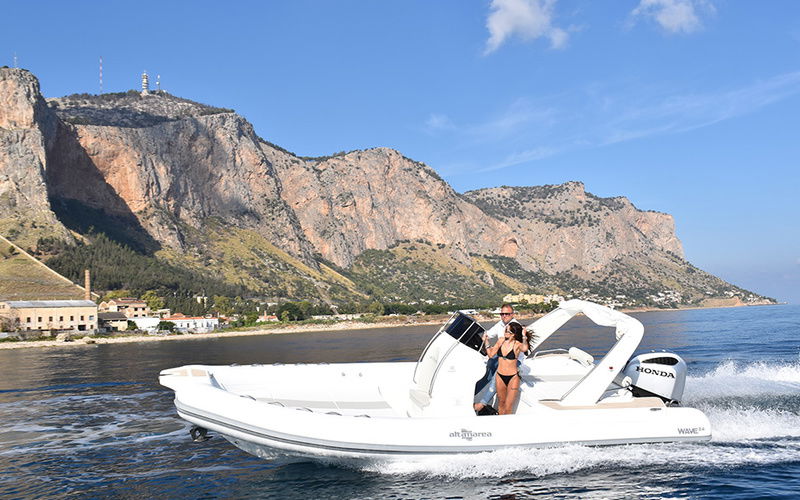
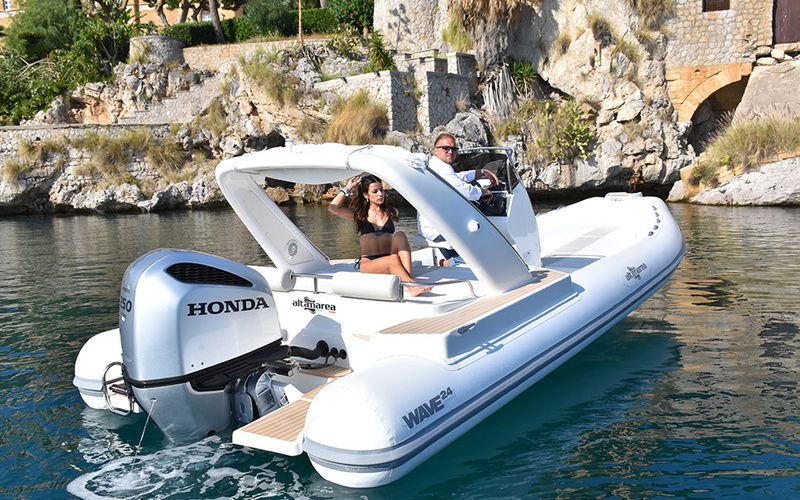
Images have been gathered from various sources and belong to their respective owners.
Review - Altamarea Wave 24

MarineBroker
02/19/2024, 1:18 PM
2012 Altamarea Wave 24: What Buyers Should Know Before Choosing This RIB
If you’ve been looking at the 2012 Altamarea Wave 24, you’re probably already drawn to the same things most people notice first: the sporty look, the practical layout, and the promise of a fun, capable day boat. But once the excitement settles, a more important question usually comes up: is it the right boat for your needs, and what should you watch out for before buying or owning one?
That’s where many buyers get stuck. A boat like the 2012 Altamarea Wave 24 can seem straightforward at first glance, but used boats often hide the real story in the details. Maintenance history, engine condition, tube wear, and trailer setup can make the difference between a great purchase and a frustrating one. The good news is that with a smart inspection approach and a clear understanding of what matters most, you can avoid common mistakes and feel confident about your decision.
In this article, we’ll walk through the key strengths of the 2012 Altamarea Wave 24, the common issues to check, and the practical steps that help you decide whether it’s a good fit.
- What Makes the 2012 Altamarea Wave 24 Stand Out
The Altamarea Wave 24 is a rigid inflatable boat, or RIB, designed for people who want a mix of comfort, performance, and easy handling. Boats in this class are popular because they offer a stable ride, plenty of deck space, and a layout that works well for family cruising, coastal exploring, and short offshore runs.
One of the main reasons people look at the 2012 Altamarea Wave 24 is size. At around 24 feet, it sits in a sweet spot for many owners. It’s large enough to feel substantial and versatile, but not so large that docking, trailering, or maintenance becomes overwhelming.
For the right buyer, this model can be appealing because it offers:
- A practical size for day trips and coastal use
- Good stability from the inflatable tube design
- A layout that often supports social boating
- Easier handling than many larger hard-hull boats
That said, like any used boat, the real value depends less on the brochure and more on condition.
- The Most Common Problem Buyers Face
The biggest issue with a used 2012 Altamarea Wave 24 is not usually the design itself. It’s uncertainty about how the boat was maintained.
A RIB can look clean from a distance and still have hidden problems. For example, a boat may have:
- Aging or repaired tubes
- Engine wear from saltwater use
- Electrical issues from moisture intrusion
- Corrosion in fittings and hardware
- A trailer that has been neglected
This is why many buyers end up overpaying or backing away too late. They focus on the appearance of the boat instead of the systems that actually determine cost and reliability.
The practical solution is simple: inspect the boat like a mechanic, not like a shopper. That means checking structure, propulsion, tubes, and paperwork before making a decision.
- 2012 Altamarea Wave 24: What to Inspect First
If you’re considering a 2012 Altamarea Wave 24, start with the areas that tend to cause the most trouble in used RIBs.
- Tube Condition
The inflatable tubes are one of the most important parts of any RIB. On an older boat, look for:
- Cracks in the material
- Fading or brittleness from UV exposure
- Patches or signs of previous repairs
- Leaks around seams or valves
- Uneven inflation between sections
A tube that has lost flexibility may still hold air, but it can be a sign of aging materials. If the boat has been stored outdoors for years, UV damage is a real concern.
A simple test is to inspect the tube closely in daylight and listen for slow leaks after inflation. If possible, leave it inflated for several hours and check whether pressure drops noticeably.
- Hull and Deck
The rigid hull should be checked for stress cracks, blisters, soft spots, or impact damage. Pay close attention to the keel area and the lower sections of the hull, especially if the boat has been used in shallow water or regularly beached.
Inside the deck area, watch for:
- Flexing underfoot
- Loose fittings
- Water intrusion around hatches
- Delamination or hidden soft spots
A solid deck should feel firm and consistent. If parts of the floor feel spongy, water may have entered the structure.
- Engine and Propulsion
This is where many buyers either save money or get burned. The engine on a used 2012 Altamarea Wave 24 matters more than almost anything else, because repowering can be expensive.
Check:
- Service records
- Hours on the engine
- Cold start behavior
- Idling quality
- Water flow from the cooling system
- Smoke, vibration, or unusual noise
If the boat is equipped with an outboard, inspect the lower unit for corrosion and damage. If it’s a stern drive setup, pay even closer attention to bellows, seals, and corrosion-prone components.
A boat with a clean engine history is far more attractive than one with vague “runs great” claims and no paperwork.
- Electrical System
Electrical problems are common in older boats, especially those exposed to salt and humidity. Look for:
- Corroded terminals
- Non-working gauges
- Weak navigation lights
- Poorly spliced wires
- Battery condition and charging performance
Small electrical issues may not seem serious, but they can point to wider neglect. In a boat, moisture and bad wiring often go together.
- Hardware and Fittings
Grab rails, cleats, hinges, latches, and console fittings should all feel secure. If hardware is loose or heavily corroded, that may suggest long-term exposure or poor maintenance.
On a RIB, fittings matter because they affect both safety and usability. A loose cleat or weak rail can become more than an inconvenience when you’re docking in wind or current.
- Why the 2012 Altamarea Wave 24 Can Be a Smart Buy
Despite the inspection checklist, there’s a reason people keep looking at boats like the 2012 Altamarea Wave 24. When maintained properly, this kind of RIB can be a very practical ownership choice.
Some of the best reasons to consider it include:
- Easy boarding and stable underway performance
- Good use of deck space for its length
- Comfortable setup for day cruising
- Ability to handle a variety of water conditions
- Typically lower operating complexity than larger cruisers
For many boaters, this is the kind of vessel that fits real life better than a bigger, more complicated boat. It’s easier to launch, easier to clean, and often easier to store.
If your boating style is mostly coastal day trips, swimming stops, family outings, or short runs to nearby islands or marinas, the Wave 24 format can make a lot of sense.
- The Hidden Costs Buyers Often Miss
A used boat purchase is rarely just the purchase price. That’s especially true with a 2012 model, where age-related costs can show up quickly.
Common hidden costs include:
- Tube repair or replacement
- Engine servicing or rebuild work
- New batteries
- Trailer tires, bearings, and brakes
- Bottom paint or hull cleaning
- Upholstery replacement
- Safety gear updates
A buyer may think they found a bargain, only to spend thousands bringing the boat back to dependable condition. That doesn’t mean the boat is a bad choice. It just means the full ownership picture matters.
A good rule of thumb is to budget beyond the asking price. If the boat is priced attractively but needs several repairs, the real cost may be much higher than expected.
- How to Judge Whether the Boat Has Been Well Cared For
The condition of a used 2012 Altamarea Wave 24 often tells a story. You just need to know what to look for.
Signs of good care:
- Clean bilge and storage areas
- Matching wear patterns on seats and flooring
- Organized wiring and neat installation work
- Service records or maintenance receipts
- Properly stored covers and accessories
- No strong fuel, mildew, or stagnant water smell
Signs of neglect:
- Heavy grime in hidden spaces
- Rust where there should be clean metal
- Mold around cushions or compartments
- Repairs that look rushed or improvised
- Missing documentation
- A seller who avoids technical questions
A well-maintained boat doesn’t have to be perfect. But it should feel consistent. When one area looks cared for and another looks ignored, that often means maintenance was selective rather than thorough.
- What to Ask the Seller
Before buying, ask direct questions. A good seller should be able to answer without hesitation.
Useful questions include:
1. How long have you owned the boat?
2. Where has it been used most often?
3. Was it stored indoors or outdoors?
4. When was the last engine service?
5. Have the tubes ever been repaired?
6. Has the boat been in saltwater, freshwater, or both?
7. Are there any known issues right now?
8. Do you have maintenance records?
These questions are not about being difficult. They’re about reducing risk. The answers often tell you more than the listing photos ever will.
- The Best Way to Inspect a Used RIB Like This
If you want to make a smart decision on a 2012 Altamarea Wave 24, use a step-by-step inspection process.
- Start with the exterior
Walk around the boat slowly. Check the tubes, hull, rub rail, and hardware. Look for mismatched repairs or signs of impact.
- Move to the interior
Inspect seating, storage, switches, and the console. Open every hatch. Smell for mildew or fuel vapor.
- Test the engine
Start it cold if possible. Listen for smooth idle and check for warning lights or alarms. If the seller resists a sea trial, that’s a red flag.
- Check the paperwork
Confirm the hull identification number, title status, engine serial number, and service history. If the boat has a trailer, inspect registration and condition too.
- Get a professional survey if needed
If you’re serious about the purchase, a marine surveyor or mechanic can help identify problems that are easy to miss. This is especially worthwhile if the boat is priced near the upper end of the market.
- Who the 2012 Altamarea Wave 24 Is Best For
This boat tends to suit buyers who want a versatile, manageable RIB rather than a large cabin cruiser or a pure speedboat.
It may be a good fit if you:
- Want a stable family day boat
- Plan to use it for coastal cruising
- Prefer a boat that is easier to trailer and launch
- Value open deck space over enclosed accommodations
- Want a practical boat with a sporty feel
It may be less ideal if you need:
- Overnight cabin space
- Long offshore range without compromise
- Very low maintenance with no inspection work
- A boat that has been perfectly preserved for years
In other words, the 2012 Altamarea Wave 24 can be a great option, but only if it matches how you actually boat.
- Practical Ownership Tips After Purchase
If you do buy one, a little routine care goes a long way.
Helpful habits include:
- Rinse thoroughly after saltwater use
- Keep tubes protected from harsh sun
- Run the engine regularly
- Inspect inflation pressure and valves
- Clean and dry storage areas after each trip
- Service the engine on schedule
- Cover the boat when not in use
RIBs reward consistency. Small maintenance habits prevent bigger repair bills later.
For older boats, the biggest mistake is waiting until something fails. A few minutes of care after each outing can extend the life of the boat and preserve its value.
- How to Decide If It’s Worth It
The value of a 2012 Altamarea Wave 24 depends on three things:
- Overall condition
- Engine health
- Maintenance history
If all three are strong, the boat may offer excellent value for someone who wants a capable, fun, and practical RIB. If one of those areas is weak, the price should reflect that clearly.
A good buying decision is not about finding the cheapest boat. It’s about finding the one with the lowest risk and the best fit for your boating style. That’s especially true with a 2012 model, where age can either be an advantage or a warning sign depending on how it was cared for.
- Conclusion
The 2012 Altamarea Wave 24 can be a very appealing boat for the right buyer, especially if you want a stable, versatile RIB with practical day-boating potential. The key is not to judge it by looks alone. Focus on tube condition, engine health, deck integrity, and maintenance records before making a move.
If you approach the purchase carefully, you can avoid the most common used-boat mistakes and choose with confidence. Whether you’re comparing options or narrowing down a specific listing, a detailed inspection and a realistic budget will help you get the most value. If you’re still researching, it’s worth digging into model-specific ownership tips, survey advice, and maintenance guides before making your final call.
Specifications
General
Boat Type: Power Boats
Class Type: Rigid Inflatable Boats
Specifications
Length: 23.62
Beam: 9.28
Draft: 1.97
Hull Material: GRP
Build
First Built: 2012
Propulsion
Fuel Type: Unleaded
Engines: 1
Power: 250 HP
Brand: Honda
Accomodation
PROS & CONS
What we appreciated
 Compact size ideal for day cruising and easy traileringStylish Italian design with sleek aestheticsEfficient use of space with comfortable seating for small groupsGood performance with reliable outboard enginesVersatile for both calm lakes and coastal waters
What we didn’t appreciate
 Limited cabin space unsuitable for overnight staysSmaller fuel capacity may limit longer tripsLess storage space compared to larger boatsNot ideal for rough sea conditions due to sizeOlder model may require more maintenance or updates
Upkeep Costs
Fuel: Approximately $1,200 - $2,000 per year depending on usage
Maintenance and repairs: Around $1,000 - $2,500 annually
Insurance: Typically $300 - $600 per year
Storage and docking fees: $1,000 - $3,000 per year depending on location
Registration and taxes: $100 - $300 annually
Rating
6.6
User
Score
Score
Driveability
Technology
Interior
Design
Similar Boats


MarineBroker
Download now for an immersive boat experience like never before! ⛵✨ Your journey begins with a simple click. 🌊📲
#SetSailSmart #DownloadNow
#SetSailSmart #DownloadNow

Subscribe
Copyright 2017 - 2026, Marinebroker.net, All Rights Reserved