Boat Database » AB Inflatables Lammina 9.5 AL
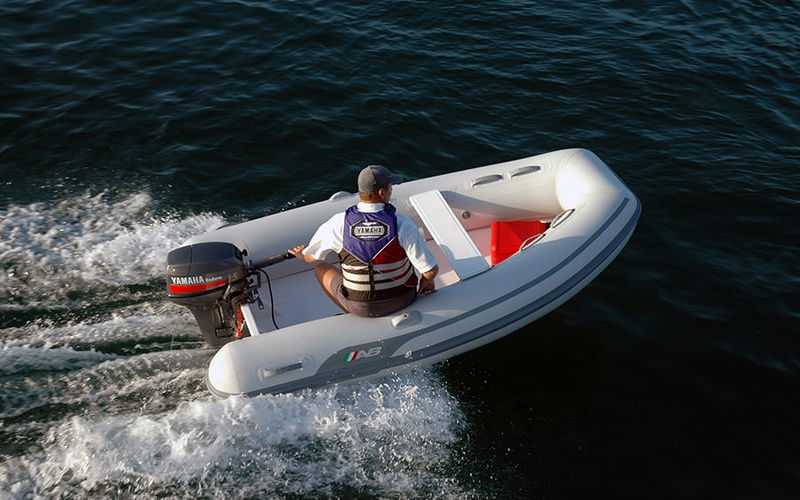
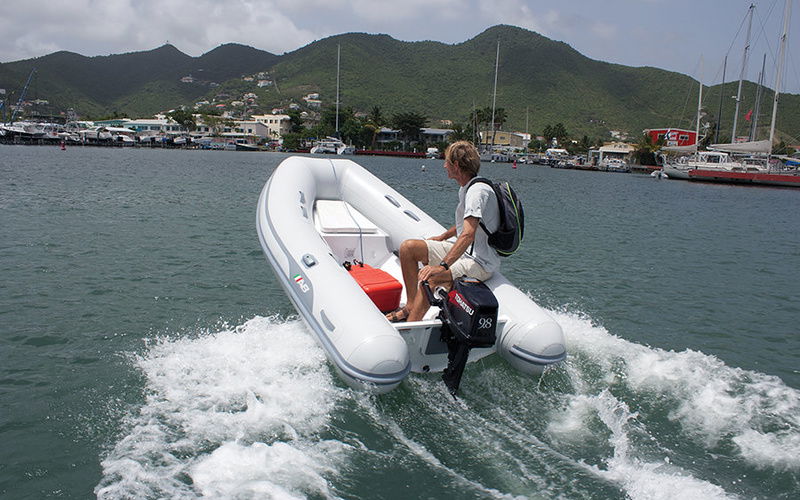
AB Inflatables Lammina 9.5 AL
Outboard four-stroke, Unleaded, 1x 15 HP
Power Boats 2017 AB Inflatables Lammina 9.5 AL: How to Choose, Use, and Maintain a Lightweight Tender That Works Hard
If you’re looking at the 2017 AB Inflatables Lammina 9.5 AL, chances are you want a dinghy or tender that’s easy to handle,...
Discover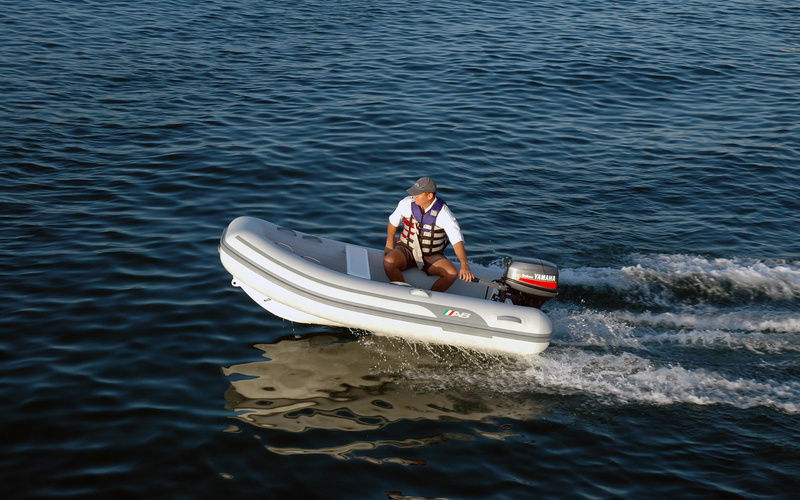

Images have been gathered from various sources and belong to their respective owners.
Latest Market Trends (Latest Available Year Model)
Price: $6,510
Review - AB Inflatables Lammina 9.5 AL

MarineBroker
01/15/2024, 12:51 PM
2017 AB Inflatables Lammina 9.5 AL: How to Choose, Use, and Maintain a Lightweight Tender That Works Hard
If you’re looking at the 2017 AB Inflatables Lammina 9.5 AL, chances are you want a dinghy or tender that’s easy to handle, tough enough for real boating use, and simple to store when space is tight. That’s a pretty common challenge for boaters: you need a small boat that won’t weigh you down, but you also don’t want something flimsy that feels like a compromise every time you launch, row, tow, or load gear.
That’s where the Lammina 9.5 AL fits into the conversation. It’s part of the aluminum-hull tender category, which has become popular for good reason. These boats are known for being lighter than many traditional hard dinghies, while still offering the durability and stability that inflatable owners appreciate. But even a good tender can become frustrating if it’s not matched to your needs, inflated correctly, maintained properly, or used in the right conditions.
In this article, we’ll break down what makes this model useful, the most common problems owners face, and the practical solutions that help you get the most from it. Whether you’re shopping, comparing, or already own one, the goal is to make the boat easier to understand and easier to enjoy.
- What Makes the 2017 AB Inflatables Lammina 9.5 AL Stand Out
The 2017 AB Inflatables Lammina 9.5 AL is best understood as a lightweight aluminum-hull inflatable tender designed for boaters who want portability without giving up strength. The “AL” points to the aluminum hull, which is one of the main reasons people choose this style of boat in the first place.
Compared with traditional fiberglass dinghies, aluminum-hull inflatables are often easier to move on deck, simpler to drag onto a beach, and less likely to suffer from the kind of cracking damage that can happen with rigid hulls. For many owners, that means less stress during docking, loading, and everyday use.
The 9.5-foot size also hits a sweet spot. It’s small enough to be manageable, but large enough to carry a couple of adults, gear, or a small outboard. That balance is one reason this model appeals to cruisers, weekend boaters, and people who need a dependable tender for short trips ashore.
- The Real Problem Boaters Face With Small Tenders
The biggest issue with a tender like this usually isn’t the boat itself. It’s matching the boat to the way you actually use it.
A lot of boaters run into one or more of these problems:
- The tender is too heavy to lift comfortably
- It’s hard to tow without noticing drag
- Storage on the mothership is awkward
- The floor or hull feels unstable in chop
- The outboard choice is wrong for the size
- Maintenance gets ignored until performance drops
That’s why so many owners become disappointed with a tender that looked great on paper. A small boat can be very capable, but only if the setup is right. The solution is usually not “buy a bigger boat.” It’s choosing the right configuration, using proper inflation and load limits, and keeping the boat in good shape.
- Why the Lammina 9.5 AL Is a Practical Answer
The 2017 AB Inflatables Lammina 9.5 AL solves a lot of the common tender headaches by focusing on practicality. The aluminum hull helps keep weight down while offering a solid feel underfoot. That can make a big difference when you’re stepping in from a swim platform, boarding from a dock, or landing on a rocky shore.
Another advantage is the boat’s general versatility. It can serve as:
- A yacht tender
- A short-distance runabout
- A beach landing boat
- A backup transport option
- A compact utility boat for gear hauling
That flexibility matters because many boaters don’t need one boat to do everything. They need one boat to do a few things very well. This model is a good example of that idea.
- How to Tell if This Tender Fits Your Needs
Before you buy or rely on any tender, it helps to ask the right questions. The best boat for one owner may be a poor fit for another.
Consider these points:
- How many people will ride in it most often?
- Will you use it mainly as a tender or also for fun runs?
- Do you need to lift it frequently?
- Will it be stored on davits, on deck, or towed?
- What kind of water will you use it in: calm harbors, rivers, bays, or choppy coastal conditions?
If your use is mostly short hops, marina trips, and light-duty transport, a 9.5-foot aluminum-hull inflatable can make a lot of sense. If you regularly carry several passengers, heavy cargo, or need more deck space, you may want to compare it with a larger model.
A good rule of thumb: buy for your real use, not your idealized use.
- 2017 AB Inflatables Lammina 9.5 AL: Setup Tips That Make a Big Difference
Many performance complaints come from setup issues, not design flaws. The same tender can feel excellent or annoying depending on how it’s rigged and maintained.
Here are the setup areas that matter most:
- Inflation
Make sure the tubes are inflated to the manufacturer’s recommended pressure. Underinflation can make the boat feel soft, reduce handling, and cause extra wear. Overinflation can stress seams and material, especially in heat.
- Weight distribution
Keep heavier items low and balanced. If the bow rides too high or the stern sits too deep, handling gets worse and fuel efficiency may drop with an outboard.
- Motor matching
A tender this size works best with an appropriately sized outboard. Too little power makes it sluggish. Too much power can make it harder to control and may exceed recommended limits.
- Gear placement
Don’t overload one side with coolers, anchors, or fuel. Even a small imbalance can be noticeable in a light tender.
- Tow setup
If you tow it, use proper towing points and check the bridle and painter setup carefully. A poor tow arrangement can cause wandering, spray, or unnecessary strain.
A well-set-up tender often feels like a completely different boat.
- Choosing the Right Outboard for Better Performance
One of the most common mistakes with small inflatables is pairing them with the wrong motor. That can turn a handy tender into a frustrating one.
For the Lammina 9.5 AL, the ideal outboard should match the boat’s intended use. If you mainly want smooth harbor runs and easy docking, a modest motor may be enough. If you plan to carry more weight or deal with currents, you’ll want enough power to maintain control without pushing the hull too hard.
When evaluating an outboard, think about:
- Total weight
- Fuel efficiency
- Shaft length
- Ease of starting
- Steering control at low speed
- Noise and vibration
A lighter, simpler motor is often better for a tender than a heavy, overpowered one. The goal is not maximum speed. The goal is reliable transport that feels stable and easy to manage.
- Common Maintenance Mistakes and How to Avoid Them
Even durable tenders need regular care. Small problems can grow quickly if the boat lives outside, gets bounced around on a deck, or is used in saltwater.
The most common maintenance mistakes include:
- Storing the boat dirty
- Leaving salt on the tubes or hull
- Forgetting to rinse the valves
- Ignoring small abrasions
- Underchecking seam areas and fittings
- Storing it in direct sun for long periods without protection
Here’s the practical solution:
- Rinse after every saltwater use
- Let the boat dry fully before storage
- Check for leaks and soft spots regularly
- Inspect the aluminum hull for dents or gouges
- Use approved cleaners, not harsh chemicals
- Cover or shade the boat when possible
A little routine care goes a long way. It’s much easier to maintain a clean, dry tender than to fix one that’s been neglected for a season or two.
- How to Handle Storage When Space Is Tight
Storage is often the hidden problem with tenders. A boat might be easy to use on the water but annoying to live with on the dock or mothership.
The 2017 AB Inflatables Lammina 9.5 AL is attractive partly because it’s in a manageable size range, but you still need a plan for where it lives.
Good storage habits include:
- Deflating slightly if temperatures swing widely
- Securing it so it doesn’t chafe against hardware
- Avoiding long-term pressure on one point
- Keeping it away from sharp edges
- Using chafe guards if you tow it or lash it down
If you store it on deck, make sure it doesn’t block access or create a tripping hazard. If you store it in the water, check it more often for marine growth and UV exposure. If you trailer it, protect the hull and tubes from road vibration and sun damage.
The best storage solution is the one that makes the boat easy to use, not the one that looks neat for a day.
- Performance Expectations: What You Should Realistically Expect
A lot of disappointment comes from expecting a tender to behave like a larger rigid boat. It won’t. But that doesn’t mean it’s limited.
A boat like the Lammina 9.5 AL is typically valued for:
- Easy handling
- Good stability for its size
- Practical transport
- Efficient use as a tender
- Lightweight portability
What it is not meant to be:
- A high-speed offshore runabout
- A heavy cargo hauler
- A full-size family boat
- A rough-weather primary vessel
When you understand those boundaries, the boat’s strengths become much more obvious. For its intended purpose, it can be a very smart choice.
- Buying Used? What to Check on a 2017 Model
If you’re considering a used 2017 AB Inflatables Lammina 9.5 AL, inspection matters. Age alone isn’t a dealbreaker, but condition is everything.
Check these areas carefully:
- Tube seams and glue lines
- Soft or sticky patches on the material
- Valve function and air retention
- Hull dents, scrapes, or corrosion
- Floor firmness and attachment points
- Chafe marks from towing or storage
- Repairs that may have been done poorly
Also ask about how it was stored. A tender kept covered and rinsed regularly may be in much better shape than a newer-looking one that lived in the sun and salt year-round.
If possible, inflate it fully and let it sit. A boat that holds pressure well and shows no major wear is usually a much safer buy than one that looks good from a distance.
- Practical Ways to Extend the Life of Your Tender
If you want the most from this boat, treat it like a piece of working gear, not just a toy.
Helpful habits include:
- Rinse after use
- Dry before storage
- Use fenders when docking near rough surfaces
- Avoid dragging it over abrasive ground
- Keep fuel and oil away from the tubes
- Check fittings at the start of each season
- Protect it from long sun exposure when possible
These are simple steps, but they prevent a lot of the issues that shorten the life of inflatable boats. A tender that is cared for properly can remain useful for many seasons.
- When the Lammina 9.5 AL Is the Right Choice
This model makes the most sense if you want a tender that’s:
- Light enough to manage without a struggle
- Strong enough for regular use
- Compact but still functional
- Better suited to practical boating than flashy performance
- Easy to pair with a small outboard
It’s especially appealing for cruisers and owners who want dependable transportation without adding unnecessary weight or complexity. If your boating life revolves around convenience, this kind of setup is often the sweet spot.
- Conclusion
The 2017 AB Inflatables Lammina 9.5 AL is a strong example of a tender that solves a real boating problem: how to get a lightweight boat that still feels durable, stable, and useful. The key is understanding what it’s designed for and setting it up correctly. With the right outboard, proper inflation, balanced loading, and regular maintenance, it can serve as a reliable everyday tender for many kinds of boating trips.
If you’re comparing small inflatables or trying to get more from one you already own, focus on fit, setup, and care before chasing speed or extra features. That’s usually where the biggest gains are. For more help, it’s worth checking manufacturer specs, owner feedback, and setup guides so you can match the boat to your actual use.
Specifications
General
Boat Type: Power Boats
Class Type: Rigid Inflatable Boats
Specifications
Length: 9.51
Beam: 5.51
Draft: 1.31
Hull Material: Aluminium
Build
First Built: 2017
Propulsion
Fuel Type: Unleaded
Engines: 1
Power: 15 HP
Brand: Unknown
Accomodation
PROS & CONS
What we appreciated
 Rigid aluminum hull provides excellent durability and puncture resistanceLightweight construction enhances fuel efficiency and ease of transportStable and smooth ride even in choppy waters due to deep V hull designSpacious deck layout suitable for both leisure and professional useHigh-quality materials and craftsmanship ensure long-lasting performance
What we didn’t appreciate
 Higher price point compared to traditional inflatable boatsAluminum hull may require more maintenance to prevent corrosion in saltwaterLimited storage space due to rigid hull designHeavier than fully inflatable RIBs, making manual handling more challengingLess cushioning compared to fully inflatable boats, potentially less comfortable on rough seas
Upkeep Costs
Fuel: Approximately $3,000 - $5,000 per year depending on usage
Maintenance: Around $1,000 - $2,000 per year for engine and hull upkeep
Insurance: Typically $500 - $1,200 annually depending on coverage and location
Storage: $500 - $2,000 per year depending on marina or dry storage
Registration and Licensing: $50 - $200 per year depending on jurisdiction
Rating
4.8
User
Score
Score
Driveability
Technology
Interior
Design
Similar Boats


MarineBroker
Download now for an immersive boat experience like never before! ⛵✨ Your journey begins with a simple click. 🌊📲
#SetSailSmart #DownloadNow
#SetSailSmart #DownloadNow

Subscribe
Copyright 2017 - 2026, Marinebroker.net, All Rights Reserved