Boat Database » AB Inflatables Lammina 14 AL
AB Inflatables Lammina 14 AL
Outboard four-stroke, Unleaded, 1x 50 HP
Power Boats 2014 AB Inflatables Lammina 14 AL: A Practical Guide to Choosing, Using, and Maintaining a Lightweight RIB Tender
If you’ve been looking at the 2014 AB Inflatables Lammina 14 AL, you’re probably trying to solve a very specific bo...
Discover


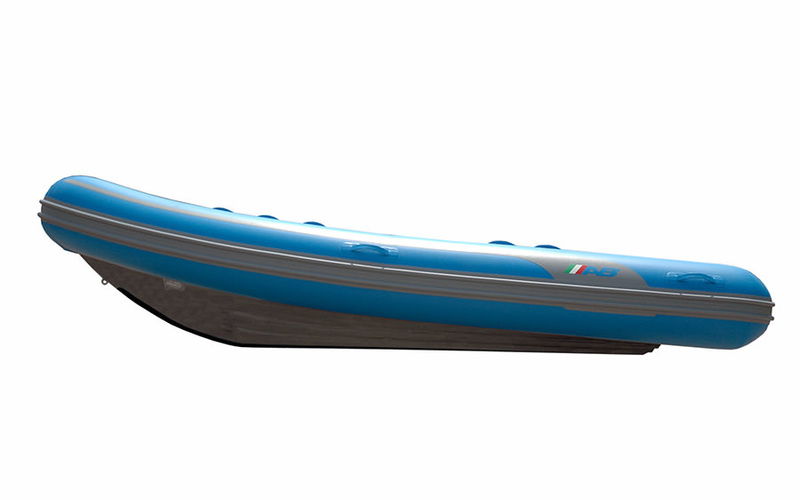
Images have been gathered from various sources and belong to their respective owners.
Review - AB Inflatables Lammina 14 AL

MarineBroker
01/15/2024, 1:58 PM
2014 AB Inflatables Lammina 14 AL: A Practical Guide to Choosing, Using, and Maintaining a Lightweight RIB Tender
If you’ve been looking at the 2014 AB Inflatables Lammina 14 AL, you’re probably trying to solve a very specific boating problem: how to get a tender or small runabout that’s light enough to handle easily, but still strong enough to feel safe, stable, and useful on the water. That’s a familiar challenge for a lot of boaters. Too many small boats are either too heavy to launch and move around comfortably, or too flimsy to inspire confidence when the water gets choppy, the load gets bigger, or the day gets longer.
That’s where a boat like the 2014 AB Inflatables Lammina 14 AL starts to make sense. It sits in the sweet spot for people who want a practical inflatable rigid tender with a solid aluminum hull, good portability, and the kind of durability that makes ownership less stressful. Whether you’re using it as a yacht tender, a family utility boat, or a compact shore boat, the real question is not just “Is it a good boat?” but “Is it the right solution for the way I actually boat?”
In this article, we’ll break down what makes this model worth paying attention to, what problems it can help solve, and how to get the most out of it if you’re considering one.
- What Makes the 2014 AB Inflatables Lammina 14 AL Stand Out
The Lammina 14 AL is part of AB Inflatables’ well-known Lammina line, which is built around a simple idea: keep the boat light, stable, and tough enough for real-world use. The “AL” refers to the aluminum hull, and that matters more than many buyers realize.
An aluminum hull gives you a few major benefits:
- Lower weight than many fiberglass alternatives
- Better resistance to corrosion when properly cared for
- Easier launching, lifting, and davit handling
- A practical balance between durability and portability
For boaters who need a tender that can be hoisted, stored, or moved with less hassle, this is a big deal. You’re not just buying a small boat. You’re buying convenience that can save time and reduce frustration every time you head out.
The 14-foot size also puts the boat in a very useful category. It’s large enough to carry people, gear, and supplies without feeling cramped, but still compact enough to remain manageable for everyday use.
- The Main Problem This Boat Helps Solve
A lot of people shopping for a tender or small inflatable boat are dealing with the same set of headaches.
They want:
- Something stable enough for family use
- A boat that won’t feel like a chore to launch
- A hull that can handle docks, shore landings, and regular use
- A design that’s not overly complicated to maintain
- A boat that can do more than just get from point A to point B
The 2014 AB Inflatables Lammina 14 AL addresses that mix pretty well. It’s not trying to be a luxury cruiser or a high-speed sport boat. Instead, it focuses on practical performance.
For many owners, the real problem is having a boat that is easy to own. Easy to tow. Easy to store. Easy to clean. Easy to trust. This model fits that need better than many heavier or more delicate small boats.
- Who the 2014 AB Inflatables Lammina 14 AL Is Best For
This boat tends to appeal to a few different types of users.
- Yacht owners who need a dependable tender
- Families wanting a small, stable boat for calm-water outings
- Island or coastal users who need a utility boat for short trips
- Boaters who value lightweight handling more than high-speed performance
- Buyers looking for a used inflatable with a strong reputation
If your boating life includes moving people and gear between shore and boat, or hopping around marinas and anchorages, this type of inflatable rigid tender can be a very smart fit.
It’s also appealing to people who don’t want a boat that demands constant attention. A simple, rugged setup often makes more sense than a more complex craft that’s harder to keep in service.
- Why the Aluminum Hull Matters in Real Life
On paper, “aluminum hull” sounds straightforward. In practice, it changes the ownership experience.
A rigid inflatable with an aluminum bottom usually offers:
- Better rigidity than soft-bottom inflatables
- More confidence underfoot when boarding or moving around
- Improved handling compared with some flatter, less structured designs
- Less weight than many full fiberglass hulls of similar size
That last point is especially useful. Weight affects nearly everything in boating: launch effort, fuel use, towing convenience, lifting onto davits, and even how much strain you feel when moving the boat by hand.
If you’ve ever dealt with a tender that was technically “small” but still awkward to maneuver, you already know why this matters. A lighter boat can make regular boating feel much more enjoyable.
- Everyday Uses for the Lammina 14 AL
This model works well in several common boating scenarios.
- As a tender
If you’re using it to shuttle people from a larger vessel to shore, you want reliability and easy handling. The Lammina 14 AL’s practical size and stable platform make that kind of work easier.
- As a utility boat
Need to carry tools, coolers, dock lines, or supplies? This boat can handle that kind of everyday load without feeling too fragile or too small.
- For coastal cruising
In calm to moderate conditions, a rigid inflatable can be a very comfortable way to move around protected waters.
- For family use
The tube-supported design gives a reassuring sense of stability, which many families appreciate when getting in and out of the boat.
- For short trips and errands
Sometimes the best boat is the one that makes quick trips simple. This is a strong candidate for that role.
- What to Look for When Buying a Used 2014 AB Inflatables Lammina 14 AL
If you’re shopping for a used one, condition matters a lot more than age alone. A well-kept 2014 model can still be a strong buy, while a neglected one may become a money pit.
Here’s what to inspect carefully:
- Tube condition
Look for patches, cracking, fading, or signs of previous repairs. Tubes should hold air well and feel structurally sound.
- Hull integrity
Check the aluminum hull for dents, corrosion, deep scratches, or evidence of hard impacts.
- Seams and bonding
Inspect glued areas and attachment points. Weak seams can become expensive problems later.
- Floor and transom
Make sure the floor feels solid and the transom is not soft, warped, or damaged.
- Valve condition
Leaking valves can be annoying and may indicate broader maintenance issues.
- Accessories and rigging
Look at oar locks, lifting points, towing eyes, console fittings if equipped, and any hardware that may have loosened over time.
- Storage history
A boat stored indoors or covered usually ages much better than one left exposed to sun and weather.
A used inflatable tender can be a great value, but only if the basics are healthy. Don’t let a shiny exterior distract you from checking the parts that actually keep the boat functional.
- Practical Maintenance Tips to Keep It in Good Shape
One reason inflatable rigid boats stay popular is that they can be relatively straightforward to maintain. Still, a little routine care goes a long way.
- Rinse after use
Salt, sand, and grime can wear down both the tubes and the hull over time.
- Dry before storage
Moisture trapped during storage can lead to mildew, odor, and material wear.
- Protect from UV exposure
Sunlight is one of the biggest enemies of inflatable materials. Use a cover or store it out of direct sun when possible.
- Check inflation regularly
Tubes should be properly inflated according to manufacturer guidance. Underinflation and overinflation both cause problems.
- Inspect hardware
Bolts, handles, and fittings should be checked often, especially if the boat is used frequently.
- Clean with the right products
Harsh cleaners can damage materials. Use marine-safe products that are appropriate for inflatable boats.
- Watch for small leaks early
A tiny leak is much easier and cheaper to fix than a larger failure later.
These habits don’t take much time, but they can significantly extend the life of the boat.
- How to Get Better Performance from a Small Rigid Inflatable
Even a well-built boat performs better when it’s set up and used correctly.
Here are a few easy ways to improve your experience:
- Don’t overload it
Every boat has limits. Exceeding capacity affects handling, safety, and wear.
- Distribute weight evenly
Uneven loading can make the boat ride poorly and feel unstable.
- Use the right outboard
Matching engine size to the boat’s intended use matters more than simply choosing the biggest one available.
- Keep gear organized
Loose gear shifts around and makes the boat feel less stable.
- Learn the boat’s handling
A small rigid inflatable can behave differently at low speed, in turns, and in rougher water than a hard-sided boat.
If you’re coming from another type of small craft, take a little time to get used to the steering response and weight distribution. That learning curve is usually short, but it makes a big difference.
- 2014 AB Inflatables Lammina 14 AL as a Tender: What Makes It Useful
For tender duty, the biggest priorities are often:
- Easy launching and retrieval
- Stable boarding
- Enough room for passengers and bags
- Low maintenance
- Dependable structure
The Lammina 14 AL checks many of those boxes. It’s not trying to be flashy. It’s trying to do the job without creating extra work for the owner.
That’s often exactly what tender buyers want. When you’re moving back and forth from a larger vessel, convenience matters just as much as performance. A tender that is quick to deploy and simple to manage becomes part of a smoother boating routine.
- Common Mistakes Buyers Make
A lot of first-time inflatable buyers focus too much on one feature and ignore the bigger picture.
Some common mistakes include:
- Buying based on price alone
- Ignoring tube age and condition
- Overlooking storage and transport needs
- Choosing a boat that’s too heavy to handle comfortably
- Assuming all rigid inflatables feel the same on the water
The better approach is to think about how the boat will actually be used. A boat that fits your routine is worth more than one that looks good in a listing but becomes annoying to own.
- Is the 2014 AB Inflatables Lammina 14 AL Still a Good Choice?
For the right buyer, yes.
It remains appealing because it solves a very real boating problem: how to get a lightweight, rigid, stable, and practical small boat without overcomplicating ownership. If you want something that can serve as a dependable tender or everyday utility inflatable, this model still makes a lot of sense.
The key is condition. Since this is a 2014 model, the individual boat’s maintenance history matters a great deal. A well-kept example can be a smart purchase. A poorly maintained one may need more work than it’s worth.
So the answer isn’t just about the model itself. It’s about whether the specific boat in front of you has been cared for properly.
- Buying Tips for Smart Shoppers
If you’re seriously considering one, keep these quick tips in mind:
- Ask for service and storage history
- Inspect the tubes in good light
- Look closely at repair areas
- Test inflation and valve sealing
- Check the hull for hard-use damage
- If possible, see the boat on the water
- Compare total ownership cost, not just asking price
A careful inspection can save you a lot of time and money later.
- Final Thoughts on the 2014 AB Inflatables Lammina 14 AL
The 2014 AB Inflatables Lammina 14 AL is a strong example of a practical rigid inflatable boat that focuses on the things many boaters care about most: lightweight handling, stability, durability, and everyday usefulness. If your problem is finding a small boat that’s easy to manage without feeling flimsy, this model is worth a serious look.
The best results come from matching the boat to your real needs, not just the spec sheet. Check condition carefully, maintain it well, and use it within its intended role. Do that, and you’ll likely end up with a boat that makes life on the water simpler, not more complicated.
If you’re exploring similar tenders or comparing used options, it’s worth learning a bit more about inflatable hull construction, tube care, and proper setup. That extra knowledge can help you choose the right boat with a lot more confidence.
Specifications
General
Boat Type: Power Boats
Class Type: Rigid Inflatable Boats
Specifications
Length: 14.01
Beam: 6.56
Draft: 1.67
Hull Material: Aluminium
Build
First Built: 2014
Propulsion
Fuel Type: Unleaded
Engines: 1
Power: 50 HP
Brand: Unknown
Accomodation
PROS & CONS
What we appreciated
 Durable aluminum hull provides excellent stability and durabilityLightweight design enhances fuel efficiency and ease of transportRigid inflatable tubes offer good buoyancy and safetySpacious deck layout suitable for fishing or leisure activitiesHigh-quality construction with attention to detail
What we didn’t appreciate
 Limited storage space compared to larger boatsAluminum hull may be prone to dents from impactsInflatable tubes require regular maintenance to prevent leaksLess comfortable in very rough seas compared to larger rigid boatsHigher price point relative to similar-sized inflatable boats
Upkeep Costs
Fuel: Approximately $1,500 - $3,000 per year depending on usage
Maintenance: Around $500 - $1,000 per year for engine and hull upkeep
Insurance: Typically $300 - $700 per year
Storage: $500 - $1,200 per year depending on location and type
Registration and Licensing: $50 - $150 per year
Rating
4.6
User
Score
Score
Driveability
Technology
Interior
Design
Similar Boats


MarineBroker
Download now for an immersive boat experience like never before! ⛵✨ Your journey begins with a simple click. 🌊📲
#SetSailSmart #DownloadNow
#SetSailSmart #DownloadNow

Subscribe
Copyright 2017 - 2026, Marinebroker.net, All Rights Reserved