Boat Type: Power Boats
Boat Class: Rigid Inflatable Boats
Length: 9.51 ft
Berths: 1
Cabins: 1
Bathrooms: 1
Max Persons: 4
Boat Database » 3D Tender Ultralight 290
3D Tender Ultralight 290
Outboard four-stroke, Unleaded, 1x 10 HP
Power Boats 2014 3D Tender Ultralight 290: How to Get the Most from a Compact Inflatable Tender
If you’re looking at the 2014 3D Tender Ultralight 290, chances are you want a small boat that’s easy to handle, light to carry, and practical en...
Discover
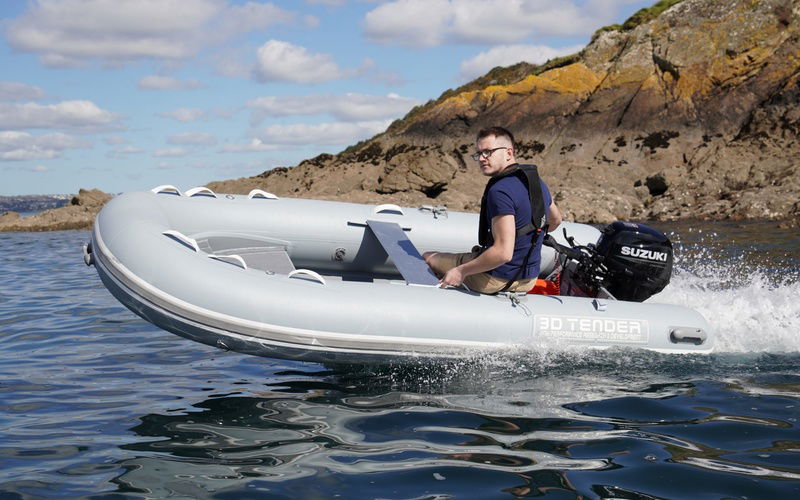
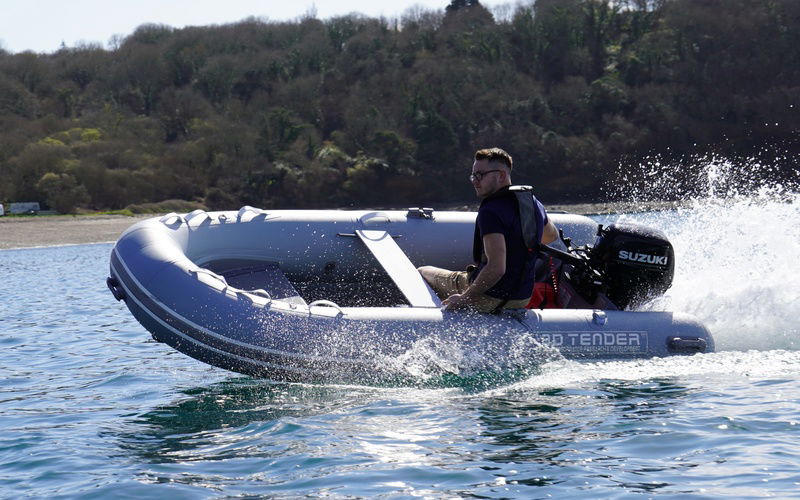

Images have been gathered from various sources and belong to their respective owners.
Review - 3D Tender Ultralight 290

MarineBroker
01/08/2024, 11:39 AM
2014 3D Tender Ultralight 290: How to Get the Most from a Compact Inflatable Tender
If you’re looking at the 2014 3D Tender Ultralight 290, chances are you want a small boat that’s easy to handle, light to carry, and practical enough for everyday use. That usually comes with a familiar challenge: how do you make a compact inflatable tender feel stable, efficient, and genuinely useful without overloading it or expecting too much from a small platform?
That’s the real issue many owners and shoppers run into. A boat like the 3D Tender Ultralight 290 can be a great choice for short trips, yacht tender duty, calm-water cruising, or getting ashore quickly, but only if it’s set up and used the right way. The good news is that most of the common frustrations—poor trim, limited space, awkward transport, and underwhelming performance—can be improved with a few practical adjustments.
In this guide, we’ll break down what makes the 2014 3D Tender Ultralight 290 appealing, where users typically struggle, and how to solve those problems with smart setup, realistic expectations, and simple maintenance habits.
- Why the 2014 3D Tender Ultralight 290 Still Matters
The 2014 3D Tender Ultralight 290 sits in a very practical category: compact inflatable tenders designed for easy handling and everyday convenience. At around 2.9 meters, it’s small enough to transport without much hassle, yet large enough to carry one or two people comfortably for short runs.
That balance is exactly why boats in this size range stay popular. They’re not meant to replace a full-size runabout or cruising dinghy, but they do a lot of useful work with minimal effort.
For many owners, the appeal comes down to three things:
- Lightweight design
- Simple storage and launching
- Low running demands
Those strengths make the 2014 3D Tender Ultralight 290 especially relevant for boaters who want a tender that can be lifted, stowed, and deployed quickly. It’s also a good fit for people who don’t want a boat that needs a trailer, a big engine, or a complicated setup just to enjoy a short trip.
- The Main Problem: Small Tender, Big Expectations
The biggest mistake people make with compact inflatables is expecting them to behave like larger rigid boats. That’s where frustration starts.
With the 2014 3D Tender Ultralight 290, the most common issues usually include:
- Limited load capacity
- Less deck space than expected
- Sensitivity to weight distribution
- Reduced comfort in chop or wind
- Performance changes depending on engine size and setup
None of these are deal-breakers. But they do matter if you want the boat to feel safe, stable, and enjoyable.
A small tender can feel “bad” when the real issue is usually overloading, poor trim, or using it in conditions beyond its intended range. Once those are corrected, the same boat can feel much more predictable and useful.
- Understanding What the 2014 3D Tender Ultralight 290 Is Best At
Before solving problems, it helps to understand the boat’s strengths.
The 2014 3D Tender Ultralight 290 is best used for:
- Harbor and marina transfers
- Short coastal hops in calm water
- Yacht tender duties
- Quick errands between anchor and shore
- Light recreational use
It’s not built for heavy gear hauling, long-distance cruising, or rough-water performance. That doesn’t make it less valuable. It just means the best results come from matching the boat to the task.
If you use it for what it was designed to do, you’ll usually get:
- Easier launching and retrieval
- Better fuel efficiency with a small outboard
- Less stress during handling
- More convenience overall
That’s the real advantage of a compact inflatable: it solves the “getting there” problem without demanding much from the owner.
- How to Improve Stability and Handling on the Water
One of the most common complaints with small inflatables is that they feel twitchy or less stable than expected. In many cases, the fix is straightforward.
- Keep Weight Centered
Weight distribution matters a lot on a boat this size. If one person sits too far aft, or if gear is stacked unevenly, the bow can ride too high or the stern can squat.
To improve balance:
- Place heavier items low and near the center
- Avoid crowding the stern with fuel, batteries, or coolers
- Sit evenly when possible
- Keep movement smooth and deliberate
Even a small shift in weight can change how a 2.9-meter tender behaves.
- Don’t Overload It
This is one of the easiest ways to ruin performance. A compact inflatable may technically carry several people, but that doesn’t mean it will do so comfortably.
Overloading can cause:
- Slower planing
- More spray
- Reduced freeboard
- Poor steering response
- A harsher ride
If the goal is comfort and control, it’s better to stay conservative with passengers and gear.
- Adjust Engine Trim and Throttle Gradually
Small boats react quickly. If you punch the throttle too hard, the bow may lift excessively before settling, which can feel unstable.
Instead:
- Accelerate smoothly
- Find the boat’s best cruising speed
- Trim the engine carefully if applicable
- Avoid constant full-throttle use unless conditions are ideal
A steady, moderate pace often feels better than pushing the boat to its limit.
- Choosing the Right Outboard for a 2014 3D Tender Ultralight 290
Another big factor in satisfaction is engine matching. A boat like this can feel completely different depending on the outboard fitted to it.
The right engine should be:
- Light enough not to overload the stern
- Powerful enough for practical use
- Easy to start and control
- Efficient at low and moderate speeds
For many owners, the sweet spot is not maximum horsepower, but the best balance of weight and thrust. Too much engine weight can hurt trim. Too little power can make the boat sluggish, especially with two people aboard.
When choosing or assessing an outboard:
- Check the manufacturer’s recommended horsepower range
- Consider the weight of the engine, not just the power rating
- Think about your typical use case
- Prioritize reliability and easy maintenance
For tender use, simplicity often wins. A smaller, dependable outboard is usually more valuable than a heavier engine that adds stress without much real benefit.
- Making the Most of Limited Space
Space is always at a premium on a boat like the 2014 3D Tender Ultralight 290. That doesn’t mean it’s unusable—it just means you need a smarter approach.
- Pack Only What You Need
This sounds obvious, but it’s one of the most important habits. Small boats get cluttered fast.
Bring only essentials:
- Life jackets
- A small anchor or painter line if needed
- Minimal fuel
- A compact dry bag
- Basic tools or repair kit
If you’re using it as a tender, avoid turning it into a floating storage locker.
- Use Soft, Compact Gear
Rigid coolers, oversized bags, and bulky accessories eat up space quickly. Soft-sided bags and foldable gear work much better in a compact inflatable.
Good space-saving choices include:
- Collapsible water containers
- Soft dry bags
- Foldable seat cushions
- Compact safety kits
The less clutter onboard, the easier it is to move and the safer the boat feels.
- Plan the Load Before Launching
A quick mental checklist before launching can save a lot of hassle later.
Ask yourself:
- Who is coming aboard?
- Where will each person sit?
- What gear is essential?
- Will the boat still trim properly?
This kind of planning helps avoid the “we’ll just throw it in” problem that often makes small boats feel awkward.
- Transport and Storage Tips for Compact Inflatable Owners
One of the best things about the 2014 3D Tender Ultralight 290 is that it’s manageable. But easy transport only stays easy if you take care of the basics.
- Deflate and Fold Carefully
If the boat is stored deflated, folding it correctly matters. Sharp creases, trapped moisture, and rushed packing can shorten the life of the material.
Best practices:
- Rinse and dry thoroughly before storage
- Avoid folding it wet
- Don’t force tight bends in the same place every time
- Store in a cool, dry area away from direct sun
This helps preserve the fabric and seams over time.
- Protect It During Transport
If you’re moving the boat on a vehicle or carrying it often, abrasion is the enemy.
Use:
- A protective bag or cover
- Straps that don’t pinch the tubes
- Padding where the boat contacts racks or hard surfaces
A lightweight boat is easy to damage if it’s dragged, scraped, or packed carelessly.
- Keep Accessories Organized
Small parts have a way of disappearing. Valves, pump fittings, repair patches, and oars should all have a dedicated place.
A simple storage system makes life easier and prevents last-minute frustration before launch.
- Maintenance Habits That Keep the Boat Performing Well
A compact inflatable doesn’t need complicated maintenance, but it does need regular attention.
- Check for Air Loss
Inflatable boats naturally lose a little pressure over time, especially with temperature changes. If the boat feels soft, it won’t perform as well.
Before heading out:
- Check tube firmness
- Inspect valves
- Top up pressure as needed
- Avoid overinflation in hot conditions
Proper pressure helps with stability, efficiency, and overall feel.
- Rinse After Use
Salt, sand, and grime can wear down materials and fittings.
After each use:
- Rinse the boat with fresh water
- Clean the transom and fittings
- Remove sand from seams and floor areas
- Let it dry fully before storage
This simple routine can extend the life of the boat significantly.
- Inspect the Seams and Valves
Small problems are easier to fix early.
Look for:
- Slow leaks
- Loose valve caps
- Signs of wear around seams
- Damage from rubbing or dragging
Catching issues early prevents bigger repair jobs later.
- Use the Boat in the Right Conditions
A lot of disappointment comes from using a small tender in conditions it wasn’t meant for.
The 2014 3D Tender Ultralight 290 will generally feel best in:
- Calm to moderate water
- Short-distance trips
- Light to moderate loads
- Sheltered areas
It will be less comfortable in:
- Steep chop
- Strong wind
- Heavy swell
- Overloaded conditions
That doesn’t mean you can’t ever venture beyond calm water. It just means your expectations should be realistic. A small inflatable is happiest when the water is manageable and the trip is short.
- Practical Setup Tips for Better Everyday Use
If you want the boat to feel better right away, these small changes can make a noticeable difference.
- Use a proper seating position to keep balance centered
- Keep fuel and gear as low as possible
- Choose a lightweight anchor system if you carry one
- Avoid unnecessary accessories that add weight
- Make sure the motor height is set correctly
- Test the boat lightly loaded before taking extra passengers
These changes may seem minor, but on a boat this size, they can make a big difference in comfort and control.
- Why the 2014 3D Tender Ultralight 290 Works Well as a Tender
For yacht owners and marina users, this model makes sense because it solves a very specific problem: getting people and light gear between boat and shore without hassle.
A good tender should be:
- Easy to handle
- Quick to launch
- Simple to motor
- Easy to store
- Reliable for short trips
The 2014 3D Tender Ultralight 290 fits that role well when used correctly. It’s not trying to be everything. It’s trying to be practical.
That’s why compact tenders remain so popular. They reduce friction in everyday boating life. Instead of fighting with a heavy, awkward dinghy, you get something you can actually use often.
- Common Mistakes to Avoid
Here are the most common errors that make small inflatables feel worse than they should:
- Overloading with passengers or gear
- Using too much engine for the boat’s size
- Ignoring air pressure
- Launching without checking trim
- Storing the boat wet or dirty
- Expecting high-speed comfort in rough water
Avoiding these mistakes is often enough to turn a frustrating experience into a smooth one.
- Who Will Appreciate This Boat Most
The 2014 3D Tender Ultralight 290 is a strong fit for people who value convenience over complexity.
It’s especially useful for:
- Cruisers needing a dependable tender
- Casual boaters who want easy transport
- Owners with limited storage space
- People who prioritize lightweight handling
- Anyone looking for a small, simple inflatable for short trips
If you want a boat that’s easy to live with, this size and style make a lot of sense.
- Final Thoughts on Getting the Best from the 2014 3D Tender Ultralight 290
The 2014 3D Tender Ultralight 290 can be a very practical little boat, but only when it’s used with realistic expectations and smart setup. Most of the common problems people face—instability, poor trim, cramped space, or underwhelming performance—are usually fixable with better weight distribution, proper engine matching, careful loading, and regular maintenance.
In other words, the solution is not to ask more of the boat than it was designed to give. Instead, focus on using it well. Keep it light, balanced, and well maintained, and it can be a genuinely handy tender for short trips and everyday boating tasks.
If you’re comparing compact inflatables or want to get more from your current setup, it’s worth taking a closer look at how small changes in use and maintenance can improve the whole experience.
Specifications
General
Boat Type: Power Boats
Class Type: Rigid Inflatable Boats
Specifications
Length: 9.51
Beam: 5.05
Draft: 0.98
Hull Material: Aluminium
Build
First Built: 2014
Propulsion
Fuel Type: Unleaded
Engines: 1
Power: 10 HP
Brand: Unknown
Accomodation
Berths: 1
Cabins: 1
Bathrooms: 1
PROS & CONS
What we appreciated
 Lightweight design makes it easy to tow and handleDurable construction suitable for various water conditionsCompact size ideal for use as a tender or small recreational boatEfficient fuel consumption due to lightweight buildGood stability and maneuverability for its class
What we didn’t appreciate
 Limited space and seating capacity for larger groupsNot suitable for rough offshore conditionsMinimal onboard storage optionsBasic features compared to larger or more modern boatsMay require careful maintenance due to lightweight materials
Upkeep Costs
Fuel: Approximately $1,200 - $2,000 per year depending on usage
Maintenance: Around $500 - $1,000 per year for engine service and hull upkeep
Insurance: Typically $300 - $600 annually
Storage: $500 - $1,500 per year depending on location and type (marina, dry storage)
Registration and Licensing: $50 - $150 per year depending on state requirements
Rating
4.2
User
Score
Score
Driveability
Technology
Interior
Design
Similar Boats


MarineBroker
Download now for an immersive boat experience like never before! ⛵✨ Your journey begins with a simple click. 🌊📲
#SetSailSmart #DownloadNow
#SetSailSmart #DownloadNow

Subscribe
Copyright 2017 - 2026, Marinebroker.net, All Rights Reserved