Boat Type: Power Boats
Boat Class: Rigid Inflatable Boats
Length: 15.09 ft
Berths: 1
Cabins: 1
Bathrooms: 1
Max Persons: 8
Boat Database » 3D Tender Heavy Duty 460
3D Tender Heavy Duty 460
Outboard four-stroke, Unleaded, 1x 40 HP
Power Boats 2017 3D Tender Heavy Duty 460: How to Choose, Set Up, and Get More Out of a Compact RIB
If you’re looking at the 2017 3D Tender Heavy Duty 460, chances are you want a boat that’s easy to handle, tough enough for regular use, and ...
Discover
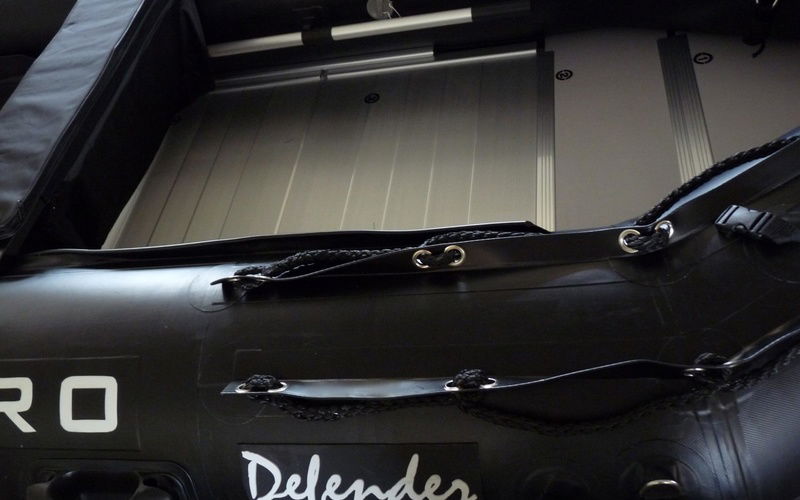


Images have been gathered from various sources and belong to their respective owners.
Review - 3D Tender Heavy Duty 460

MarineBroker
01/08/2024, 6:58 AM
2017 3D Tender Heavy Duty 460: How to Choose, Set Up, and Get More Out of a Compact RIB
If you’re looking at the 2017 3D Tender Heavy Duty 460, chances are you want a boat that’s easy to handle, tough enough for regular use, and practical for everything from coastal cruising to fishing trips or tender duties. That’s a pretty common sweet spot for a lot of boaters: not too big, not too complicated, but still built with enough strength to feel dependable on the water.
The challenge is that compact RIBs can be a little misleading at first glance. A boat like the 2017 3D Tender Heavy Duty 460 may look simple, but getting the most from it depends on more than just the hull and tubes. Weight distribution, engine matching, inflation pressure, storage habits, and even how you load gear can make a huge difference in performance and comfort.
That’s where many owners and prospective buyers run into problems. They expect a small rigid inflatable to “just work” in every situation, but the real solution is understanding how to set it up and use it properly. With the right approach, this model can be a surprisingly capable and versatile boat.
- Why the 2017 3D Tender Heavy Duty 460 Appeals to So Many Boaters
The 2017 3D Tender Heavy Duty 460 sits in a very useful category: compact enough for easy launching and trailering, but large enough to carry a few people and gear without feeling cramped. Boats in this size range are often chosen by owners who want a practical all-rounder rather than a luxury cruiser.
One of the biggest advantages of a 4.6-meter RIB is flexibility. It can work as a tender, a fishing platform, a day boat, or a support craft for sailing and coastal use. For many people, that versatility is the main reason they start looking at this model.
There’s also the simple fact that smaller boats are easier to store and maintain. If you don’t want the cost and hassle of a larger vessel, a compact RIB can be a smart compromise.
- The Main Problem: Compact RIBs Can Feel Underwhelming When Poorly Set Up
A lot of people assume a small RIB’s performance is fixed by the manufacturer. In reality, the way the boat is rigged and used has a huge impact on how it behaves.
Common frustrations include:
- The boat feels slow or sluggish
- It porpoises or rides poorly
- Fuel consumption seems higher than expected
- The ride feels harsh in chop
- Storage and loading become awkward
- The engine seems either underpowered or overworked
These issues don’t necessarily mean the boat is wrong for you. More often, they point to setup problems, mismatched equipment, or unrealistic expectations about what a 4.6-meter RIB can do.
The good news is that most of these problems are fixable.
- Understanding the 2017 3D Tender Heavy Duty 460 as a Platform
To get the best results, it helps to think of the 2017 3D Tender Heavy Duty 460 as a platform rather than just a finished product. A boat of this size performs best when the setup matches the way you actually use it.
That means asking a few practical questions:
- How many people will usually be onboard?
- Will you use it mostly in calm water or exposed coastal areas?
- Do you need it for fishing, commuting, towing, or tender work?
- Will it stay in the water, or be launched regularly from a trailer?
- How much gear do you typically carry?
These questions matter because a compact RIB can feel very different depending on payload. Two people and light gear is one thing. Four adults, fuel, anchor, coolers, and extra equipment is another.
If you’re evaluating this model, the real goal is not just “Will it float and move?” but “Will it perform well for my actual use case?”
- Engine Choice: The Biggest Factor in Performance
For boats like the 2017 3D Tender Heavy Duty 460, engine matching is one of the most important decisions. Too little power and the boat may struggle to plane efficiently. Too much power and you may waste fuel or make handling less forgiving.
A good match usually depends on:
- Total boat weight
- Typical load
- Desired cruising speed
- Water conditions
- Whether you prioritize economy or responsiveness
For many owners, the sweet spot is an engine that lets the boat plane comfortably without constantly running at the top end of the throttle. That gives you better control, less strain, and usually a more enjoyable ride.
A common mistake is choosing power based only on the maximum rating instead of real-world use. A boat that is technically rated for a certain horsepower range may still feel best with something in the middle of that range, especially if you regularly carry passengers or gear.
- Weight Distribution: Small Changes Make a Big Difference
On a compact RIB, load placement matters a lot. Because the hull is relatively short, even small changes in weight can affect trim and handling.
Try to keep in mind:
- Put heavier items low and centered
- Avoid overloading one side
- Keep fuel and batteries positioned thoughtfully
- Store anchors, coolers, and tools where they won’t shift
- Don’t crowd the bow with unnecessary weight
If the boat tends to nose up too much, or if it struggles to get on plane, the problem may not be the engine at all. It could simply be poor weight balance.
This is one of those areas where a little attention pays off quickly. A better-balanced boat usually rides flatter, planes more easily, and feels more stable at speed.
- Inflation, Tube Care, and Hull Checks
Because this is a rigid inflatable boat, the tubes are just as important as the hull. Underinflated tubes can make the boat feel soft and less responsive, while overinflation can stress seams and fittings.
A practical routine includes:
- Checking tube pressure before each outing
- Adjusting for temperature changes
- Inspecting valves for leaks
- Looking for abrasion, cuts, or UV damage
- Rinsing salt and sand after use
The rigid hull also deserves regular attention. Even if the boat looks fine from a distance, small issues like loose fittings, corrosion, or minor gelcoat damage can become bigger problems over time.
Keeping the boat clean and properly inflated isn’t just about appearance. It directly affects performance, safety, and lifespan.
- How to Improve Ride Comfort on a Compact RIB
One of the most common complaints about smaller RIBs is a rough ride in chop. That’s not unusual, especially in a boat around 4.6 meters long. But there are ways to improve comfort without changing the boat itself.
Here are a few practical tips:
- Slow down earlier in rough water
- Trim the engine correctly
- Avoid carrying unnecessary weight
- Keep passengers seated where the boat rides best
- Don’t force the boat into a speed range that feels unstable
Many people try to stay on plane at all costs, but that can actually make the ride worse. Sometimes a slightly slower speed is safer and more comfortable, especially in short, steep waves.
The 2017 3D Tender Heavy Duty 460 is best used with realistic expectations. It’s not a large offshore cruiser, but it can still be a very capable coastal boat when handled properly.
- Best Uses for the 2017 3D Tender Heavy Duty 460
This model tends to make the most sense for boaters who want utility and simplicity. It’s especially appealing for people who value easy launch and retrieval.
Common use cases include:
- Tender to a larger yacht
- Harbor and coastal cruising
- Fishing in sheltered or moderate waters
- Quick transport between anchorages
- Family day trips in fair conditions
- Workboat-style utility use
For these roles, the boat’s compact size is a strength. It’s easier to maneuver in tight spaces, easier to store, and usually cheaper to run than larger alternatives.
If your boating life is mostly short trips, practical errands, or local water use, a boat like this can be a very sensible choice.
- What Buyers Should Check Before Buying or Using One
If you’re considering a used 2017 model, it’s worth inspecting more than just the visible condition. A boat can look clean but still hide issues that affect safety and value.
Check the following carefully:
- Tube condition, especially around seams and rubbing points
- Hull cracks, repairs, or soft spots
- Engine service history
- Fuel system condition
- Steering and throttle response
- Electrical wiring and battery setup
- Trailer condition, if included
- Any signs of water intrusion or corrosion
It’s also smart to ask how the boat was stored. A well-kept boat stored under cover usually ages much better than one left exposed to sun and salt.
If you’re already an owner, these same checks make a strong seasonal maintenance routine.
- Practical Setup Tips for Better Everyday Use
A few small improvements can make the boat feel much more capable.
Consider these habits:
1. Keep the boat light when possible
Don’t carry every item “just in case.” Extra weight adds up fast on a small RIB.
2. Match propeller and engine setup properly
A poor prop choice can make the boat feel weak or inefficient.
3. Use quality mooring and towing gear
A compact boat still needs reliable hardware.
4. Protect the tubes from UV damage
Covers and cleaning routines help preserve the material.
5. Carry only the gear you truly need
Smart packing improves both safety and performance.
These aren’t dramatic upgrades, but they often make a bigger difference than people expect.
- Why Maintenance Matters More on Smaller Boats
Smaller boats are often used more frequently and handled more casually, which means wear can build up quickly. A compact RIB like the 2017 3D Tender Heavy Duty 460 benefits from regular maintenance because its systems are simple enough that small issues are easy to ignore until they become annoying.
A solid maintenance routine should include:
- Freshwater rinsing after saltwater use
- Checking drain plugs and scuppers
- Inspecting fasteners and fittings
- Servicing the outboard on schedule
- Monitoring tube pressure
- Cleaning and protecting surfaces
This kind of care doesn’t take long, but it can significantly extend the life of the boat and keep it performing the way it should.
- When the 2017 3D Tender Heavy Duty 460 Is the Right Choice
This boat makes the most sense if you want a compact, practical RIB that is easy to manage and adaptable to a range of uses. It’s especially suitable if your priorities include simplicity, portability, and low operating hassle.
It may be a strong fit if you:
- Want a boat that’s easy to trailer and launch
- Need a tender or utility boat
- Prefer a manageable size for solo or small-group use
- Value durability and practicality over luxury features
- Mostly operate in coastal or sheltered waters
If that sounds like your boating style, this model can be a very sensible choice.
- When You Might Want Something Larger
A compact RIB won’t suit everyone. If you regularly run long distances, carry several passengers, or want a softer ride in rougher conditions, a larger boat may be a better match.
You may want to look bigger if:
- You often boat offshore
- You need more deck space
- You carry heavy gear often
- You want more comfort at speed
- You expect to use the boat in more demanding sea states
That doesn’t mean the 2017 3D Tender Heavy Duty 460 is lacking. It just means the right boat depends on how you use it.
- Final Thoughts on Getting the Most from a 2017 3D Tender Heavy Duty 460
The 2017 3D Tender Heavy Duty 460 is the kind of boat that rewards practical thinking. It’s compact, versatile, and capable, but like any small RIB, it performs best when the setup matches the real-world job you want it to do.
If you’re dealing with sluggish performance, a rough ride, or awkward handling, the solution is often simpler than it seems: check the engine match, balance the load, maintain proper tube pressure, and use the boat within its strengths. With those basics in place, this model can be a very useful and enjoyable boat for everyday coastal use.
If you’re researching one now, take the time to evaluate how it fits your boating habits rather than just its specs on paper. That’s usually the difference between a boat that merely works and one that genuinely feels right.
Specifications
General
Boat Type: Power Boats
Class Type: Rigid Inflatable Boats
Specifications
Length: 15.09
Beam: 6.23
Draft: 1.31
Hull Material: GRP
Build
First Built: 2017
Propulsion
Fuel Type: Unleaded
Engines: 1
Power: 40 HP
Brand: Unknown
Accomodation
Berths: 1
Cabins: 1
Bathrooms: 1
PROS & CONS
What we appreciated
 Durable heavy-duty construction suitable for rough conditionsSpacious 460 cm length provides ample room for passengers and gearStable and reliable design enhancing safety on waterLightweight for easy towing and launchingVersatile use for fishing, tender duties, and recreational boating
What we didn’t appreciate
 Limited onboard storage optionsBasic features compared to more modern tendersMay require regular maintenance due to heavy-duty useNot designed for high-speed performanceSmaller size limits long-distance travel comfort
Upkeep Costs
Fuel: Approximately $500 - $1,000 per year depending on usage
Maintenance: Around $300 - $600 annually for engine and hull upkeep
Insurance: Typically $200 - $400 per year
Storage: Varies widely, $300 - $1,000 annually depending on location
Registration and Licensing: Approximately $50 - $150 per year
Rating
4.3
User
Score
Score
Driveability
Technology
Interior
Design
Similar Boats


MarineBroker
Download now for an immersive boat experience like never before! ⛵✨ Your journey begins with a simple click. 🌊📲
#SetSailSmart #DownloadNow
#SetSailSmart #DownloadNow

Subscribe
Copyright 2017 - 2026, Marinebroker.net, All Rights Reserved